Key Takeaway:
- Personalized mRNA vaccine helps some pancreatic cancer patients survive up to six years after treatment.
- Vaccine trains the immune system to recognize and attack cancer using each patient’s tumor genetics.
- Larger global trials are underway, but treatment currently applies only to early, operable cases.
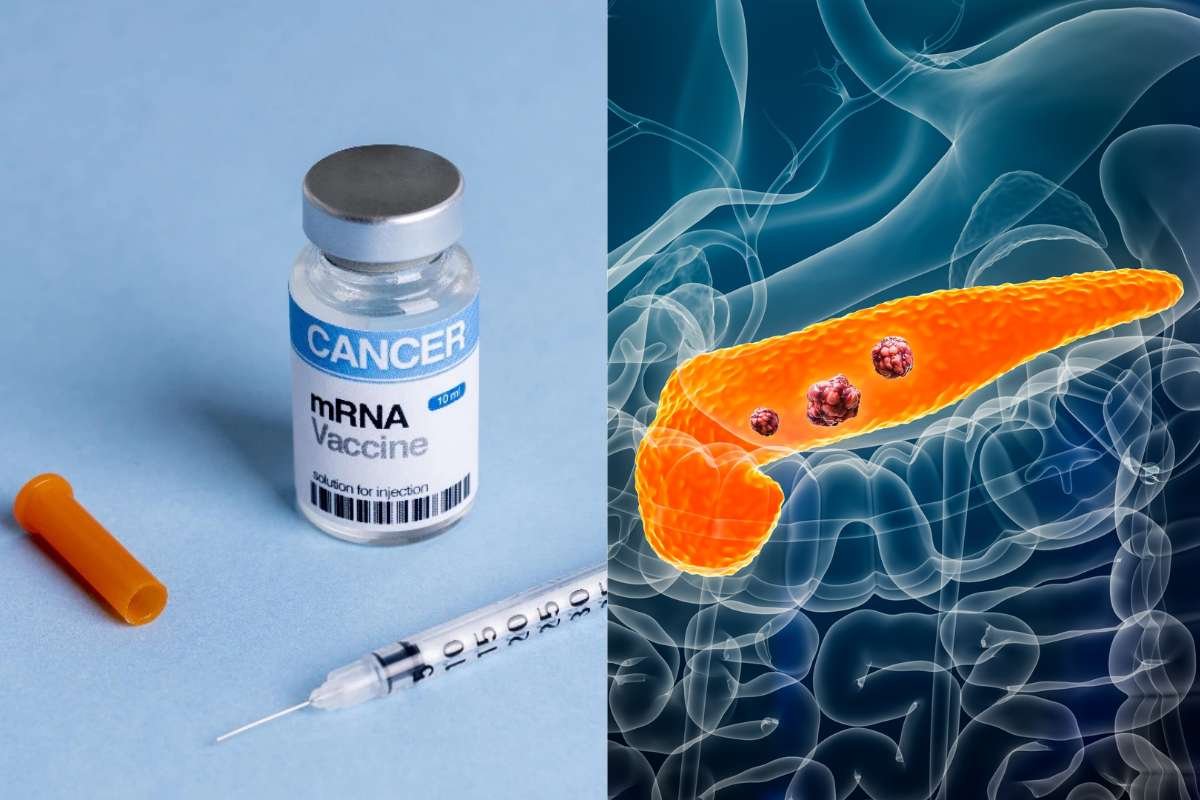
Scientists report that a personalized Pancreatic Cancer mRNA Vaccine developed from patients’ tumors keeps several pancreatic cancer patients alive six years after treatment, offering new hope against one of the world’s deadliest cancers.
Experimental Vaccine Demonstrates Long-Term Survival
Researchers unveiled encouraging results this week at the annual meeting of the American Association for Cancer Research, highlighting an experimental Pancreatic Cancer mRNA Vaccine targeting pancreatic cancer, a disease with historically poor survival outcomes.
Pancreatic cancer is often called the deadliest major cancer because about 87 percent of patients die within five years of diagnosis. Survival rates have changed little despite decades of research.
The phase one clinical trial followed 16 patients with operable pancreatic cancer whose disease had not spread. After surgery, participants received a customized mRNA vaccine alongside immunotherapy and chemotherapy.
Eight patients developed strong immune responses after vaccination. Seven of those patients remain alive as long as six years after treatment, researchers said.
“Now, at a six-year follow-up, approximately 90 percent of these patients who generated an immune response remain alive,” said Dr. Vinod Balachandran, an oncologist at Memorial Sloan Kettering Cancer Center who presented the findings. “We think this is quite exciting for the field.”
One participant diagnosed at age 66 received nine vaccine doses and is now 72. She reported returning to normal daily activities and recently celebrated her 50th wedding anniversary.
“There are no limitations on what I can do,” the patient said. “For me, it’s absolutely been a miracle.”
Personalized Approach Trains Immune System
Unlike traditional vaccines, the experimental Pancreatic Cancer mRNA Vaccine is individually created for each patient using genetic material taken from surgically removed tumors.
Scientists say the vaccine teaches the immune system to recognize specific cancer mutations, enabling T cells to identify and destroy remaining cancer cells. These immune responses may persist for years, potentially preventing recurrence.
“We think we’ve found a way to awaken the immune system to prevent cancer from coming back,” said Dr. Robert Vonderheide, president-elect of the American Association for Cancer Research. He added that the strategy could eventually apply to other cancers.
Pancreatic tumors have long challenged researchers because they contain fewer immune targets than many other cancers. Earlier hopes for immunotherapy showed limited success in this disease.
The new findings suggest mRNA technology — widely known after COVID-19 vaccines — may overcome those barriers in select patients.
Experts Urge Caution as Larger Trials Begin
Despite promising results, experts caution that the treatment remains experimental and applies only to a small group of patients whose cancer is detected early enough for surgery.
About 90 percent of pancreatic cancer cases are diagnosed too late for surgical removal, sharply limiting eligibility for the vaccine approach.
“You have to take this with a little perspective,” said Dr. Brian Wolpin, director of the Gastrointestinal Cancer Center at Dana-Farber Cancer Institute. “This is not treating hundreds of thousands of people, but the ability to generate a lasting immune response is promising.”
Among trial participants who did not mount an immune response, only two survived long term, underscoring the importance of immune activation.
In the United States, pancreatic cancer ranks as the third leading cause of cancer deaths and is projected to become second by 2030.
Researchers say it remains unclear whether a personalized Pancreatic Cancer mRNA Vaccine can help patients with advanced disease, where survival rates drop to about 3.2 percent after five years.
A global phase two clinical trial is now underway to test the therapy in a larger patient population.
“As we continue to learn more about how these vaccines work, there is real determination that we can effectively treat this disease by training the patient’s own immune system,” Balachandran said. “But continued progress requires continued research and testing.”