Key Takeaways:
- Primary Trial Miss: Grail’s Galleri test failed to significantly reduce overall advanced cancer diagnoses in its largest trial, a major hurdle for immediate widespread adoption of the multi-cancer blood test.
- Survival vs. Detection: Experts emphasize that finding cancer earlier is only valuable if it leads to improved survival rates, data that will take up to eight years to fully materialize.
- The “Invisible” Cancer Gap: While standard screenings cover only five cancer types, Blood Test could eventually bridge the gap for hard-to-detect killers like pancreatic and ovarian cancer.
A major trial of a multi-cancer blood test failed to reduce advanced cancer diagnoses, but oncologists say the technology still shows promise for detecting hard-to-screen cancers earlier.
Major Trial Falls Short of Main Goal
The largest trial to date of a multi-cancer blood test did not meet its primary goal, according to results released earlier this year by biotechnology company Grail.
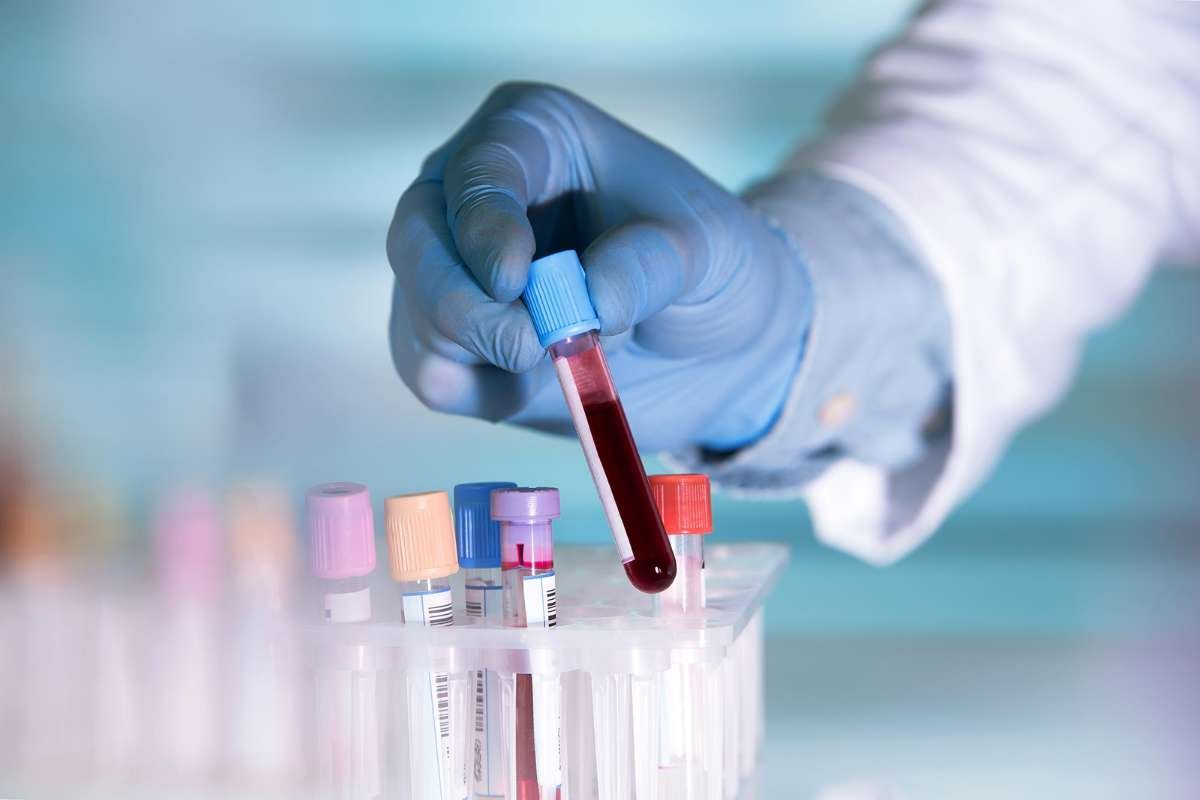
The company’s test, Galleri, is designed to detect more than 50 types of cancer by measuring fragments of DNA in the blood.
Trial results showed no significant reduction in advanced cancer diagnoses among people who received the test compared with those who did not.
“It’s hard to argue that it wasn’t a setback,” said Dr. Aadel Chaudhuri, who was not involved in the trial.
Still, Chaudhuri said it is too early to dismiss the test because full trial data has not yet been published. Early findings suggest the test may have detected some cancers at earlier stages and may have reduced stage 4 diagnoses in certain cancer types.
“Clinically, what I truly care about is a decrease in stage 4 cancers,” Chaudhuri said.
Survival Data Remains Key Test
Experts say the tests must show they improve survival rates before they become widely accepted.
Dr. Deb Schrag said blood tests such as Galleri will need to prove they save lives, not just find cancers earlier.
“If it can’t be cured or there’s nothing to do, then it’s not clear that you’ve helped,” Schrag said.
Grail plans to follow trial participants for up to eight years to see whether the test lowers cancer deaths.
Schrag said those long-term results will also be important for insurance coverage. So far, no multi-cancer blood test has been approved by the Food and Drug Administration.
Although Galleri is already being sold, few insurers cover it. The test is mostly offered through private clinics to patients willing to pay out of pocket.
Researchers said survival studies are difficult because people with advanced cancer are now living longer due to better treatments.
“As patients are living longer, these trials are getting harder to do,” Schrag said.
Doctors See Potential for Hard-to-Detect Cancers
Despite the setback, oncologists remain hopeful that blood tests could help detect cancers that currently have no routine screening methods.
Nickolas Papadopoulos said he wants to see whether the Galleri trial identified cancers that are not typically caught through standard screenings.
“I would like to know what they found,” Papadopoulos said during a session on cancer blood tests at the American Association of Cancer Research annual conference.
Current screening programs already exist for breast, lung, colon, prostate, and cervical cancers, but those cancers account for less than one-third of all cancer diagnoses in the United States.
Doctors say blood tests could be especially useful for cancers such as pancreatic cancer, which often are not found until they are advanced.
Researchers are also working to improve the accuracy of blood tests because different cancers release different amounts of DNA into the bloodstream. Some cancers, such as ovarian cancer, are easier to detect, while breast and prostate cancers are more difficult
Chaudhuri said future tests may combine multiple forms of data, including proteins, DNA fragments, and artificial intelligence, to improve accuracy.
Schrag said the future may not involve one universal blood test for every cancer. Instead, doctors may eventually use several tests targeting different groups of cancers.