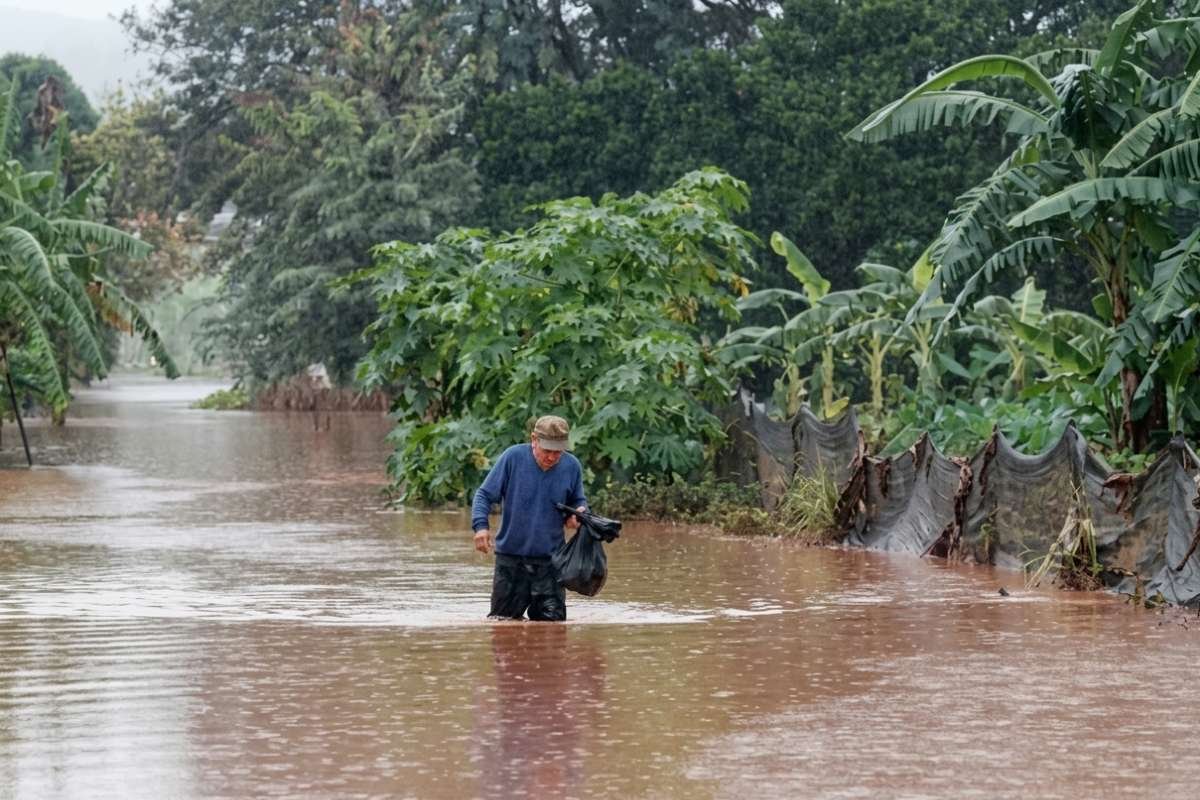
Health officials warn Hawaii residents and recovery workers to watch for leptospirosis risk and infections following flooding caused by a recent Kona low storm, as contaminated water and soil increase exposure risks for people and pets statewide.
Officials Urge Vigilance After Floodwaters Spread Bacteria
The Hawaii Department of Health and the Hawaiian Humane Society are urging residents to monitor symptoms of leptospirosis after severe flooding linked to a Kona low storm swept across parts of the islands.
Leptospirosis is a bacterial disease spread through the urine of infected animals such as rats, mice, mongoose, livestock, and dogs. Officials say floodwaters can carry contaminated soil and water into homes, streets, and public areas, raising with leptospirosis risk.
“Hawaii already has among the highest rates of leptospirosis in the country due to its warm, wet climate,” the agencies said in a joint news release. Flooding events, they added, can significantly expand exposure by dispersing bacteria across wide areas.
The bacteria enter the body through cuts in the skin or through the eyes, nose, or mouth. People may also become infected through direct contact with an animal’s urine, blood, or tissue.
Health authorities advise residents involved in cleanup efforts to avoid contact with standing water when possible and to wear protective gear, including gloves and waterproof footwear.
Symptoms May Appear Days or Weeks After Exposure
Health officials say symptoms in humans typically appear five to 14 days after exposure, but may develop between two and 30 days anytime.
Common signs include fever, headache, chills, muscle aches, vomiting, diarrhea, and jaundice, which causes yellowing of the skin and eyes. Severe cases can lead to organ damage if untreated.
Officials encourage anyone experiencing symptoms after flood exposure to seek medical care immediately and inform providers about potential contact with contaminated water.
Pets face similar risks. Symptoms in animals include fever, lethargy, decreased appetite, vomiting, increased thirst, muscle soreness, and yellowing of the eyes or skin, which may indicate liver or kidney failure.
Dr. Lisa Labrecque, chief veterinarian at the Hawaiian Humane Society, said cases often rise after major storms.
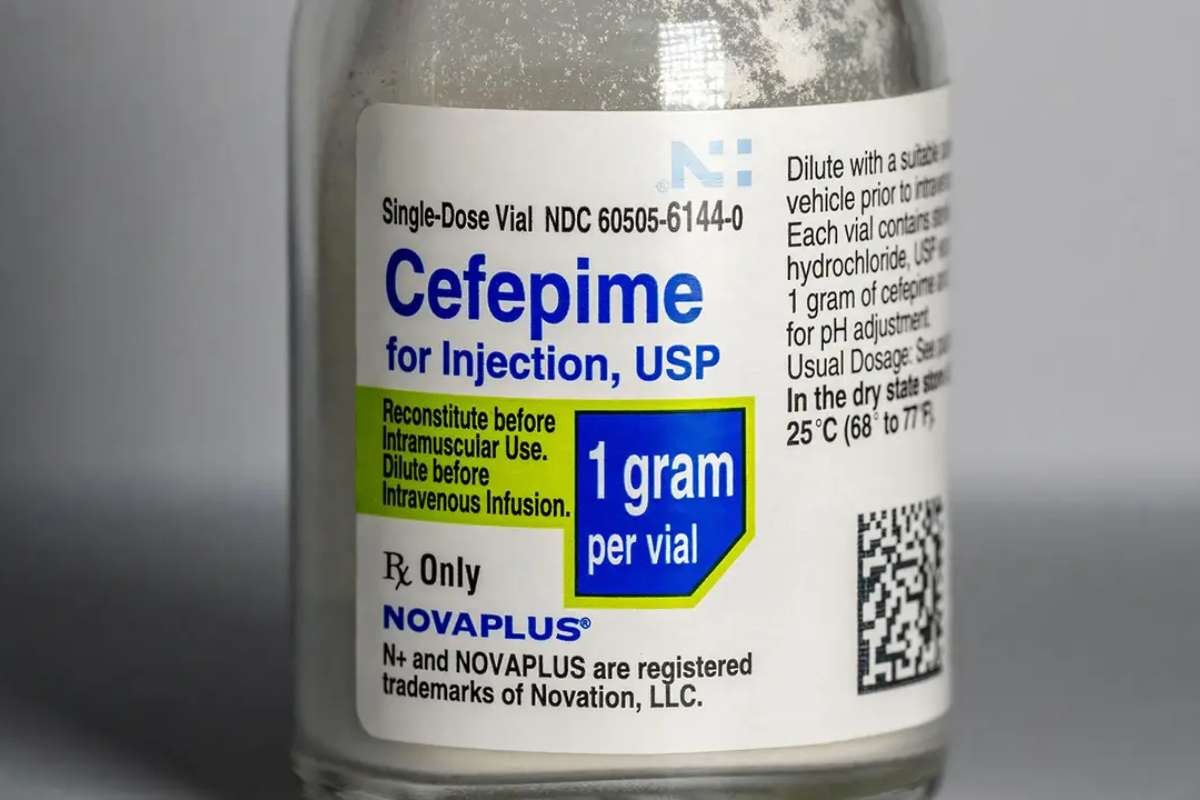
“After heavy rain and flooding, we typically see an elevated leptospirosis risk in our community, and this storm is no exception,” Labrecque said. “Early treatment with antibiotics is effective, but this disease can progress quickly and become life-threatening if left untreated.”
Veterinarians advise pet owners to report any exposure to floodwater or mud when seeking care, as early diagnosis improves recovery outcomes.
Experts Say Pets Can Signal Community Health Risk
Public health officials emphasize that leptospirosis is a zoonotic disease, meaning it can spread between animals and humans.
Dr. Ariella Barry, a veterinary medical officer with the Department of Health Disease Investigation Branch, said sick pets may serve as early warning signs of wider community exposure.
“Pets are often the first indicator that leptospirosis risk is circulating in a community,” Barry said. “When a companion animal becomes ill, it is also a signal that people in that household may have been exposed.”
Officials recommend discussing leptospirosis vaccination with veterinarians, particularly for animals that spend time outdoors or in flood-affected areas.
Residents are also encouraged to clean and disinfect contaminated surfaces, avoid wading in standing water, and seek medical advice if illness develops after flood cleanup.
Health authorities say increased awareness and early treatment remain the most effective tools to prevent severe illness following the storm’s aftermath.