Your hair has one simple demand. Feed me protein.
Hair does not ask for fancy shampoos. Hair does not care about expensive hair serums. Hair wants nutrients. Protein sits at the top of that list. especially when understanding How Much Protein to Prevent Hair Loss.
Each strand of hair contains a protein called keratin. Your body builds keratin from the protein you eat every day. When protein intake drops, your body sends nutrients to more important organs first. Hair gets pushed to the back of the line.
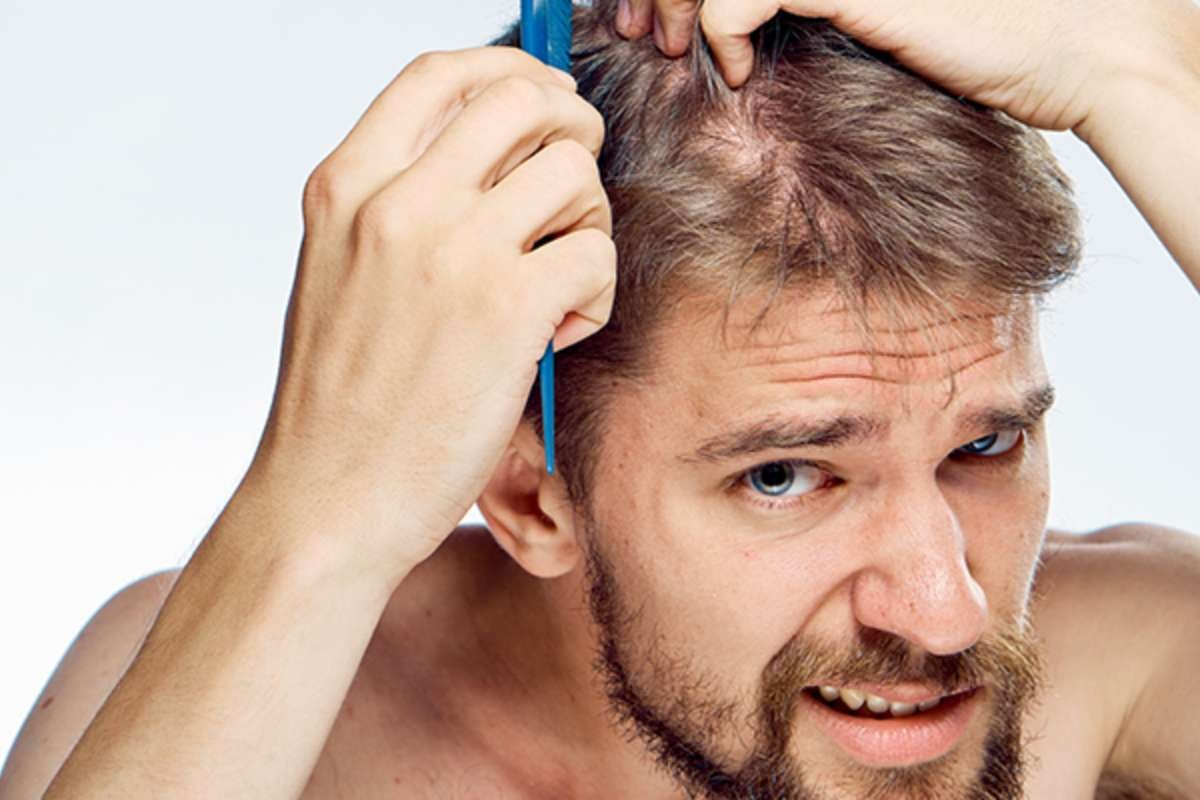
The result? Hair starts thinning. Strands break easily. Hair fall increases.
Many people panic and buy dozens of hair products. The real problem often sits on the dinner plate.
Understanding how much protein to prevent hair loss helps people fix the root cause instead of covering the symptoms.
This guide explains the right protein intake, why protein matters for hair health, and the best foods that support strong hair growth. Let us start with the basics.
Why Protein Matters for Hair Growth?
Hair grows from follicles under the scalp. These follicles need nutrients to produce new hair strands.
Protein supports this process in three major ways.
1. Builds Hair Structure
Hair contains 95% keratin protein. The body builds keratin from amino acids found in dietary protein.
Without enough protein, keratin production slows. Hair strands become thin and fragile.
2. Supports Hair Growth Cycle
Hair grows in cycles. These stages include:
- Growth phase
- Resting phase
- Shedding phase
Protein deficiency pushes more hair into the shedding stage.
3. Strengthens Hair Roots

Protein helps repair damaged hair follicles. Healthy follicles produce thicker and stronger strands.
People who understand how much protein is needed to prevent hair loss often see better hair strength within a few months.
How Much Protein Does Your Body Need Daily?
The average adult needs about 0.8 grams of protein per kilogram of body weight per day.
Example:
- A 60 kg person needs about 48 grams of protein daily.
- A 70 kg person needs about 56 grams of protein daily.
People with active lifestyles or fitness routines may need more protein. For healthy hair growth, many nutrition experts recommend:
1-1.2 grams of protein per kilogram of body weight.
Understanding how much protein to prevent hair loss becomes easier when you calculate your body weight and daily protein intake.
Signs Your Hair Needs More Protein
Hair often sends warning signals before major hair loss begins. Watch for these common signs:
1. Excessive Hair Fall: Hair shedding during brushing or washing may increase.
2. Weak Hair Strands: Hair snaps easily during combing.
3. Slow Hair Growth: Hair takes longer to grow after a haircut.
4. Thin Ponytail: Hair volume drops over time.
Many people notice improvement after adjusting their diet and understanding how much protein is needed to prevent hair loss.
Best Protein Foods for Healthy Hair
Protein does not need to come from complicated diets. Many everyday foods provide excellent protein.
- Eggs: Eggs provide high-quality protein and biotin. Both support strong hair growth. One egg contains about 6 grams of protein.
- Greek Yogurt: Greek yogurt offers protein and vitamin B5. These nutrients support scalp health.
- Lentils: Lentils provide plant protein, iron, and zinc. These nutrients help prevent hair thinning.
- Chicken: Chicken breast contains lean protein that supports hair growth and muscle repair.
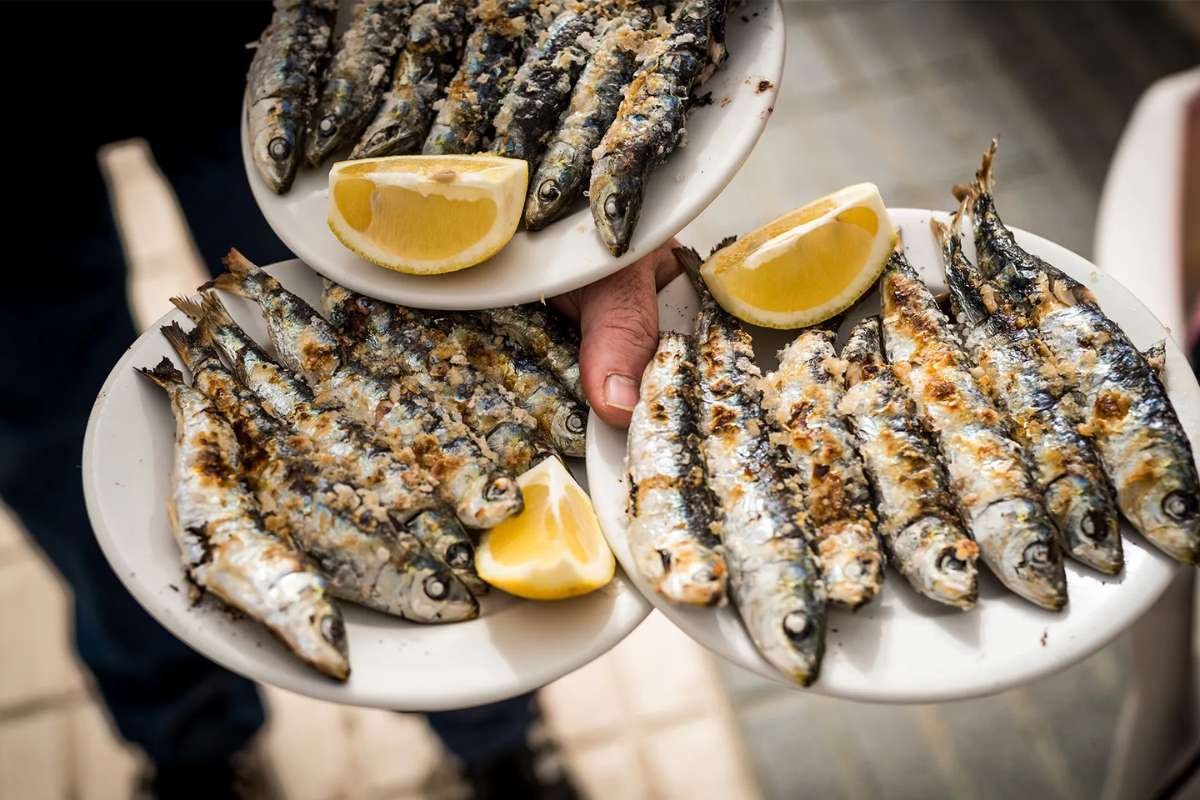
- Fish: Fish such as salmon contain protein and omega-3 fatty acids. Omega-3 supports scalp health.
- Nuts and Seeds: Almonds, walnuts, and chia seeds add protein and healthy fats.
These foods help people reach the daily goal for how much protein to prevent hair loss without complicated meal plans.
Sample Daily Protein Plan for Hair Health
| Meal | Foods Included | Approx. Protein |
| Breakfast | 2 eggs, Greek yogurt | ~18 grams |
| Lunch | Lentil curry, Brown rice | ~15 grams |
| Snack | Almonds | ~6 grams |
| Dinner | Grilled chicken or tofu | ~20 grams |
| Total Daily Protein | Balanced daily intake from all meals | ~59 grams |
Other Nutrients That Support Hair Health
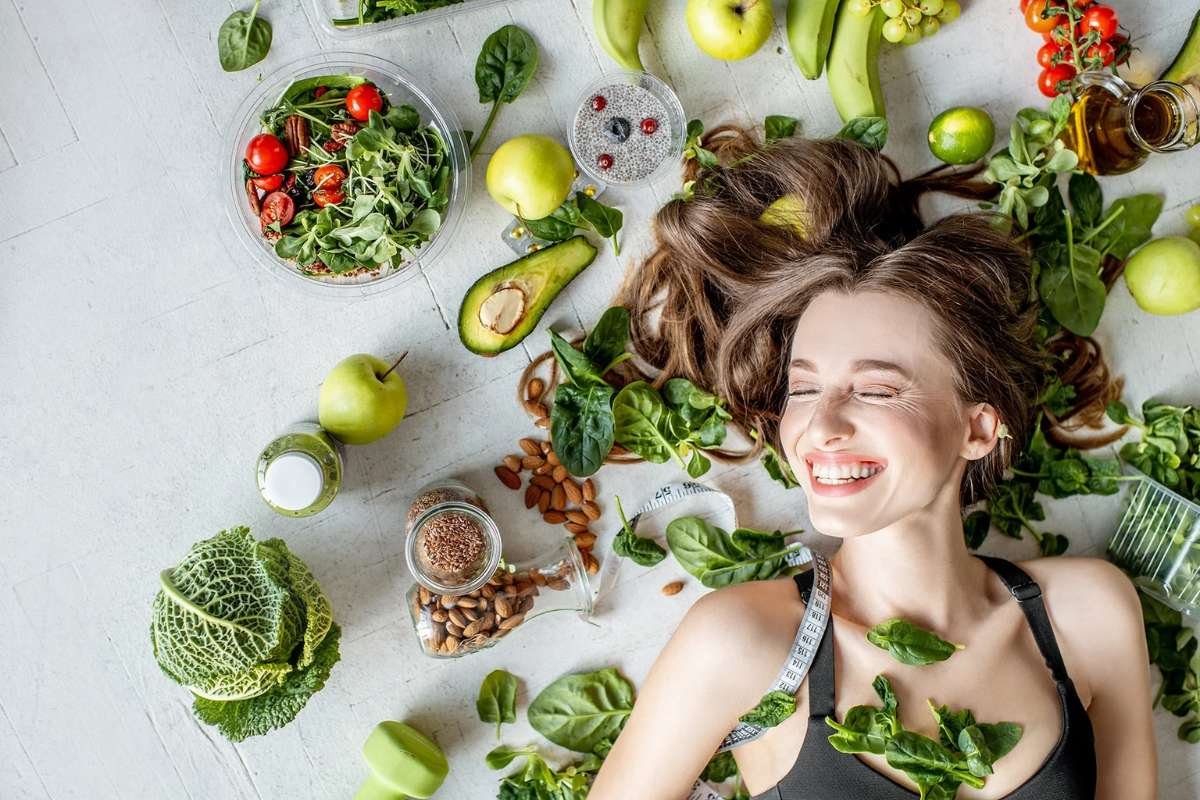
Protein plays a key role. Hair also needs several other nutrients.
- Iron: Iron supports oxygen supply to hair follicles. Low iron levels are linked to hair thinning.
- Biotin: Biotin supports keratin production.
- Zinc: Zinc helps repair hair tissue.
- Vitamin D: Vitamin D supports new hair follicle growth.
Balanced nutrition works better than focusing on one nutrient alone.
Simple Tips to Improve Protein Intake
Small habits make a big difference.
- Eat protein at every meal: Add eggs, yogurt, beans, or nuts.
- Choose whole foods: Whole foods provide vitamins along with protein.
- Avoid extreme crash diets: Low-calorie diets often reduce protein intake.
- Stay consistent: Hair improvement takes time.
People who maintain healthy protein intake often see better hair strength within 3-6 months. Understanding how much protein to prevent hair loss helps people build sustainable habits rather than quick fixes.
Read Next: How Stress Causes Hair Loss, and Why It Feels Like a Bad Breakup?
Conclusion
Hair has a simple message. Feed me well, and I will behave.
Ignore nutrition, and I will fall out faster than your weekend plans.
Fancy hair oils and miracle shampoos often steal the spotlight. Real hair strength starts inside the body. Protein gives hair the building blocks it needs to grow strong, thick, and healthy.
Understanding how much protein to prevent hair loss helps people take control of their hair health with simple daily choices.
Eggs, lentils, yogurt, nuts, and fish may not look glamorous on Instagram. They quietly do the hard work that hair products promise.
Good nutrition does not deliver overnight magic. Consistency wins. So next time you worry about hair fall, take a look at your plate first. Your hair might just be asking for more protein.