A phase 2 clinical trial led by researchers at the University of Gothenburg finds that the antiepileptic drug sultiame significantly reduces breathing interruptions and improves oxygen levels in patients with obstructive sleep apnea.
Clinical Trial Shows Drug Reduces Sleep Apnea Severity
Researchers report that the epilepsy medication sultiame may offer a new treatment option for obstructive sleep apnea, a disorder affecting more than one billion people worldwide.
The findings come from a multicenter, randomized, double-blind, placebo-controlled phase 2 clinical trial involving 298 adults with moderate to severe sleep apnea. The study was published in The Lancet.
Participants were randomly assigned to receive either 100 milligrams, 200 milligrams, or 300 milligrams of sultiame daily, or a placebo. Patients took the medication one hour before bedtime for 15 weeks.
Results show that patients taking sultiame experienced fewer breathing interruptions during sleep, improved nighttime oxygen levels, and reduced daytime sleepiness compared with those taking a placebo.
The most effective results were seen in patients taking higher doses of the drug. Researchers report that doses of 200 milligrams and 300 milligrams reduced the severity of sleep apnea by about 30 percent to 50 percent, significantly outperforming the placebo group.
Researchers Seek Alternatives to CPAP Therapy
Sleep apnea occurs when the upper airway becomes blocked during sleep, repeatedly stopping breathing and lowering oxygen levels in the blood. The condition is linked to several health problems, including cardiovascular disease, diabetes, and cognitive decline.
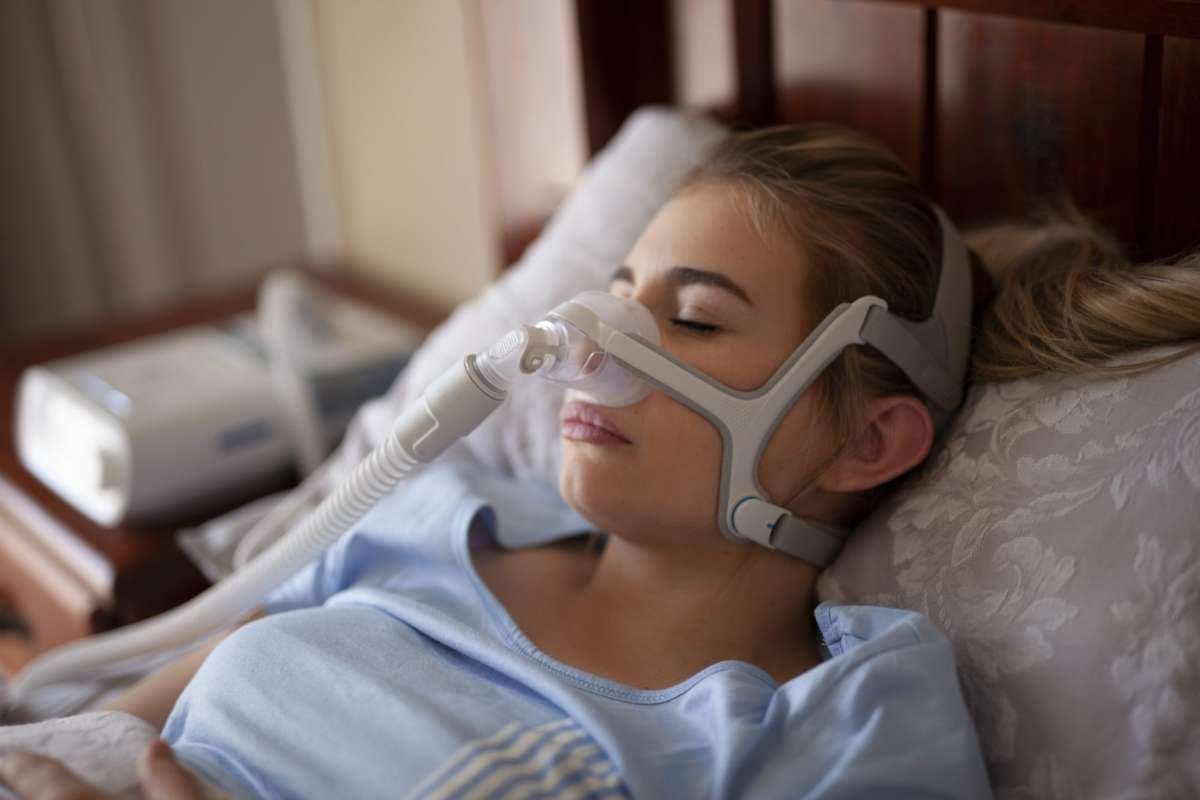
The most common treatment is continuous positive airway pressure, or CPAP, which requires patients to wear a mask that delivers pressurized air to keep the airway open.
However, CPAP therapy can be difficult for some patients to tolerate. Studies indicate that nearly half of users stop using the device within one year.
Because of these challenges, researchers have been searching for drug-based treatments that could offer a simpler alternative. In 2024, the drug tirzepatide, commonly used to treat type 2 diabetes and obesity, was approved for sleep apnea treatment after studies showed it reduced airway obstruction through weight loss.
Sultiame works differently. Previous research suggests the drug may improve muscle tone in the upper airway and stabilize the body’s breathing control during sleep.
Researchers Call Results a Breakthrough
Jan Hedner, senior professor of respiratory medicine at the University of Gothenburg and a lead investigator of the study, says the results could mark an important step in sleep apnea treatment.
“We have been working on this treatment strategy for many years,” Hedner said. “These results show that sleep apnea syndrome is pharmacologically affected.”
He described the findings as a potential breakthrough but cautioned that further research is needed.
“We would like to conduct larger and longer-term studies in the future to determine whether the effects are long-lasting and whether it is safe for a wide range of patient groups,” Hedner said.
Researchers report no major safety concerns during the trial, although side effects tended to increase with higher doses of the drug. Based on the results, investigators say 200 milligrams may offer the best balance between effectiveness and tolerability.
Sultiame is already approved in several European countries, as well as Israel, Japan, and Australia, for the treatment of epileptic seizures. If future studies confirm the new findings, the drug could potentially expand into a widely accessible therapy for sleep apnea patients who struggle with existing treatments.