Ants may seem harmless, but some species rank among the most poisonous ants In the world due to their powerful and scientifically studied venom. While over 12,000 ant species exist globally, only a small fraction possess toxins strong enough to cause intense pain, severe burning sensations, and, in rare cases, dangerous allergic reactions.
What makes these ants remarkable isn’t their size, it’s their chemistry. Through millions of years of evolution, certain species have developed complex venoms composed of alkaloids, peptides, and proteins designed to defend their colonies and immobilize threats instantly. Scientific pain scales and toxicology studies consistently highlight a few species as leaders among the most poisonous ants, based on venom potency and human impact.
Found in rainforests, deserts, and even suburban regions, these ants play an important ecological role. However, understanding their behavior and venom effects is crucial for safety, especially for travelers and outdoor enthusiasts. In this article, we’ll explore what makes an ant poisonous, identify the species with the strongest venom, examine scientific insights into their toxins, and discuss how humans can safely coexist with these tiny but formidable insects.
What Makes an Ant Poisonous?
Before identifying the most poisonous, it’s important to clarify a key scientific point: most dangerous ants are technically venomous, not poisonous. Poisonous organisms cause harm when touched or eaten, while venomous ants actively inject toxins through a sting or bite.
What truly sets apart the most poisonous ants in the world is the strength and composition of their venom. Ant venom is a complex chemical mixture designed for survival and colony defense.
Key Factors That Make an Ant Dangerous:
| Venom Delivery System | Many species use a stinger to inject venom directly; others bite and release chemicals like formic acid. |
| Chemical Composition | Venom often contains alkaloids, peptides, enzymes, and proteins that affect nerves and tissues. |
| Pain Intensity | Some ants rank at the top of the Schmidt Pain Index, indicating extreme and long-lasting pain. |
| Toxicity Level (LD50) | Scientific tests measure how potent the venom is in controlled studies. |
| Allergic Reaction Risk | In sensitive individuals, venom can trigger severe swelling, breathing difficulty, or anaphylaxis. |
Evolution has shaped these traits over millions of years. In competitive environments like rainforests and deserts, stronger venom increases survival by protecting the colony and deterring predators.
So when experts classify certain species among the most poisonous ants, they consider not just pain but measurable toxicity, biological impact, and real-world human consequences. In the next section, we’ll explore the specific species that top this list globally.
The Top 5 Most Poisonous Ants in the World
Now that we understand what makes venom potent, let’s examine the species widely recognized as one of the most poisonous ants. These ants are identified based on venom strength, pain intensity, laboratory toxicity measurements, and documented human impact.
1. Bullet Ant (Paraponera clavata)
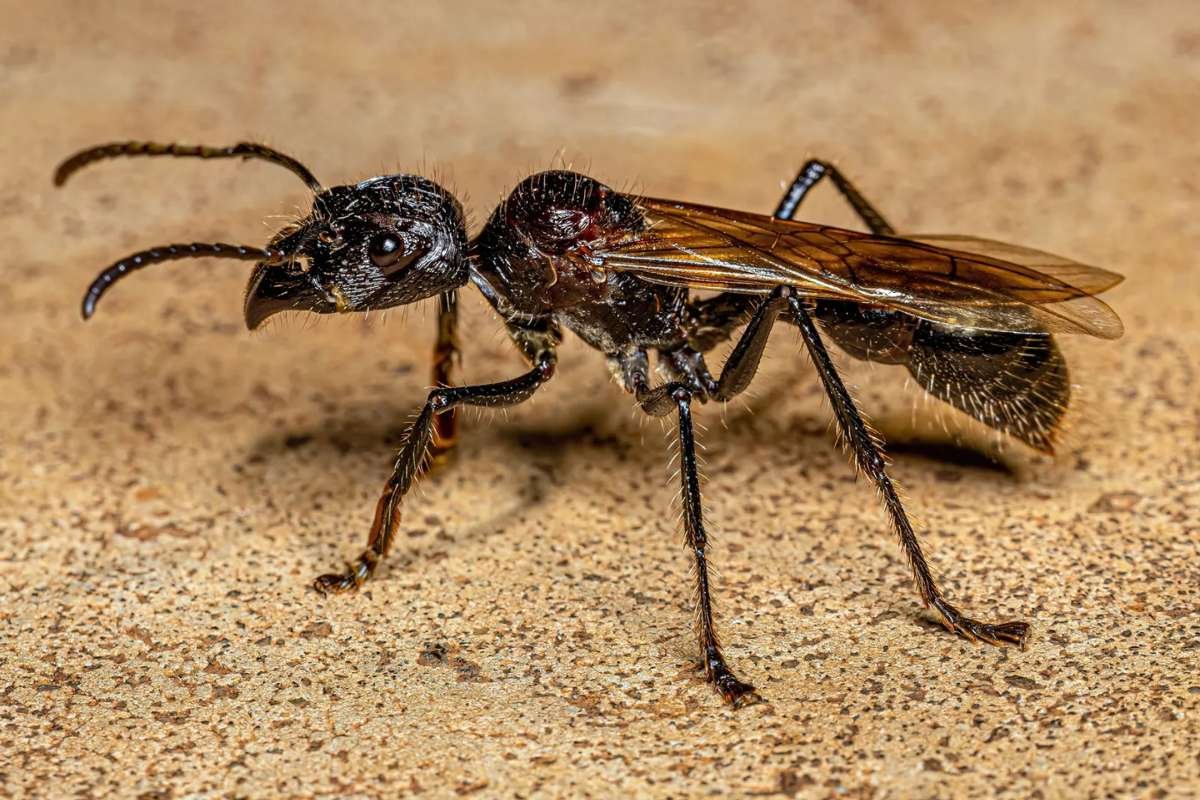
| Venom Potency | Top rank on the Schmidt Pain Index (Level 4). |
| Geographic Range | Central and South American rainforests. |
| Human Impact | Intense pain lasting up to 24 hours. |
The bullet ant is famous for delivering one of the most painful insect stings ever recorded. Its venom contains poneratoxin, a neurotoxic peptide that directly affects nerve cells and pain receptors. Victims often describe waves of burning, throbbing pain that can radiate through the entire limb. Temporary muscle tremors, swelling, and sweating have also been observed after stings. Despite its powerful defense, it typically attacks only when its nest is disturbed.
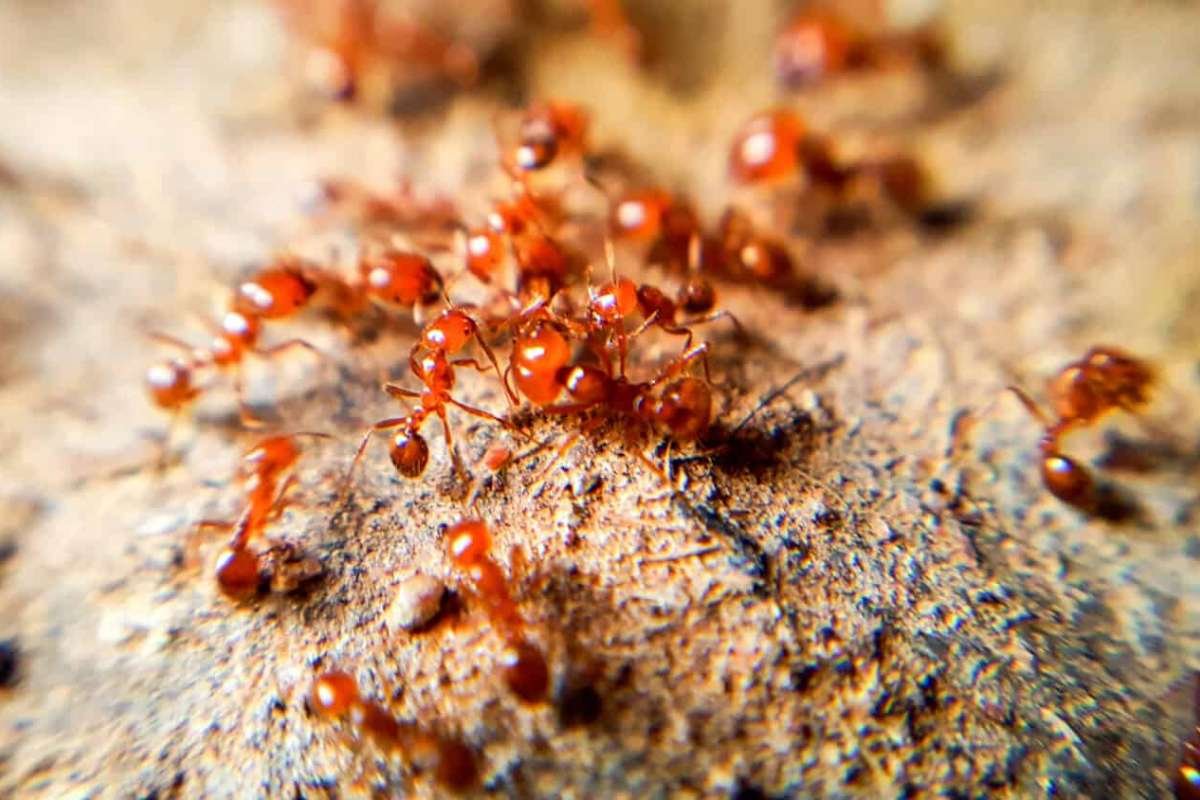
2. Red Imported Fire Ant (Solenopsis invicta)
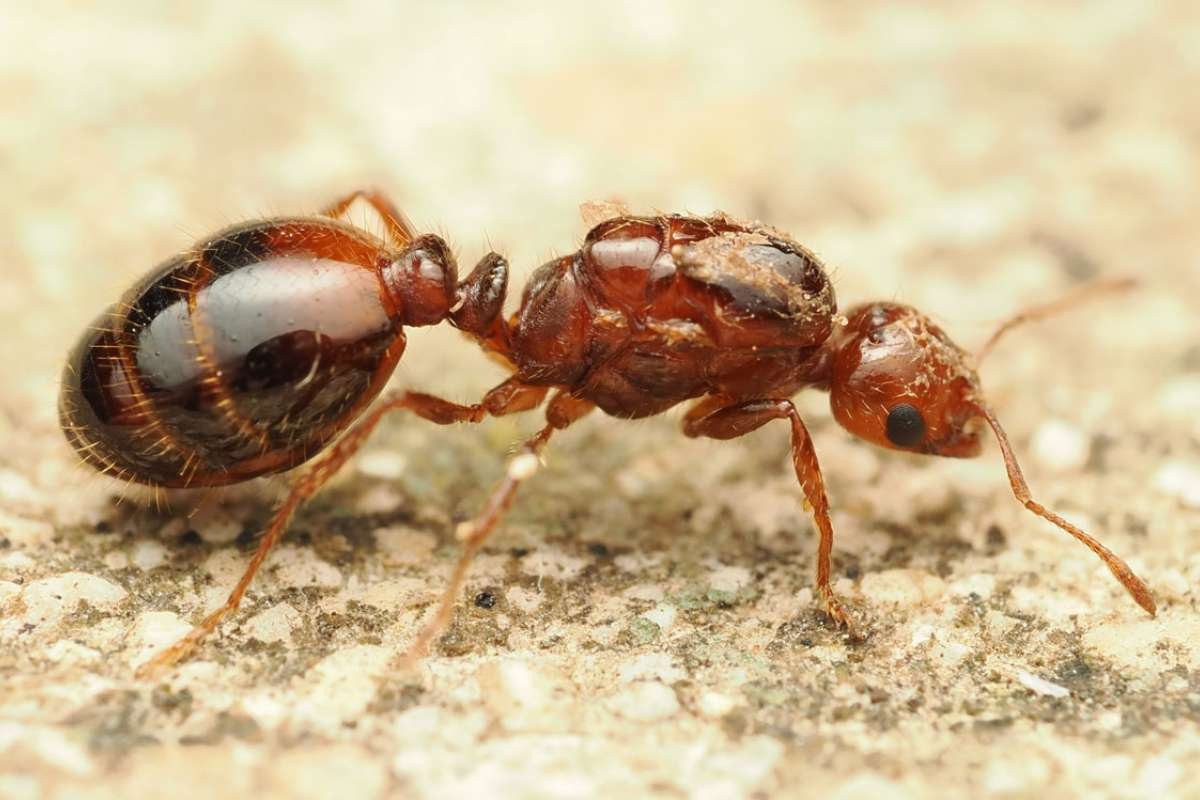
| Venom Potency | Alkaloid-rich venom causing burning pain. |
| Geographic Range | Native to South America; invasive globally. |
| Human Impact | Can cause allergic reactions and pustules. |
Among the most poisonous ants in the world, fire ants are especially known for their aggressive swarming behavior when their mound is disturbed. Their venom contains toxic alkaloids that create a sharp burning sensation, often followed by itchy, fluid-filled blisters. In heavily infested areas, people may suffer multiple stings at once, increasing the overall medical risk. Some individuals can also experience severe allergic reactions that require immediate treatment. Their rapid spread across continents has made them a growing public health concern.
3. Bulldog Ant (Myrmecia spp.)
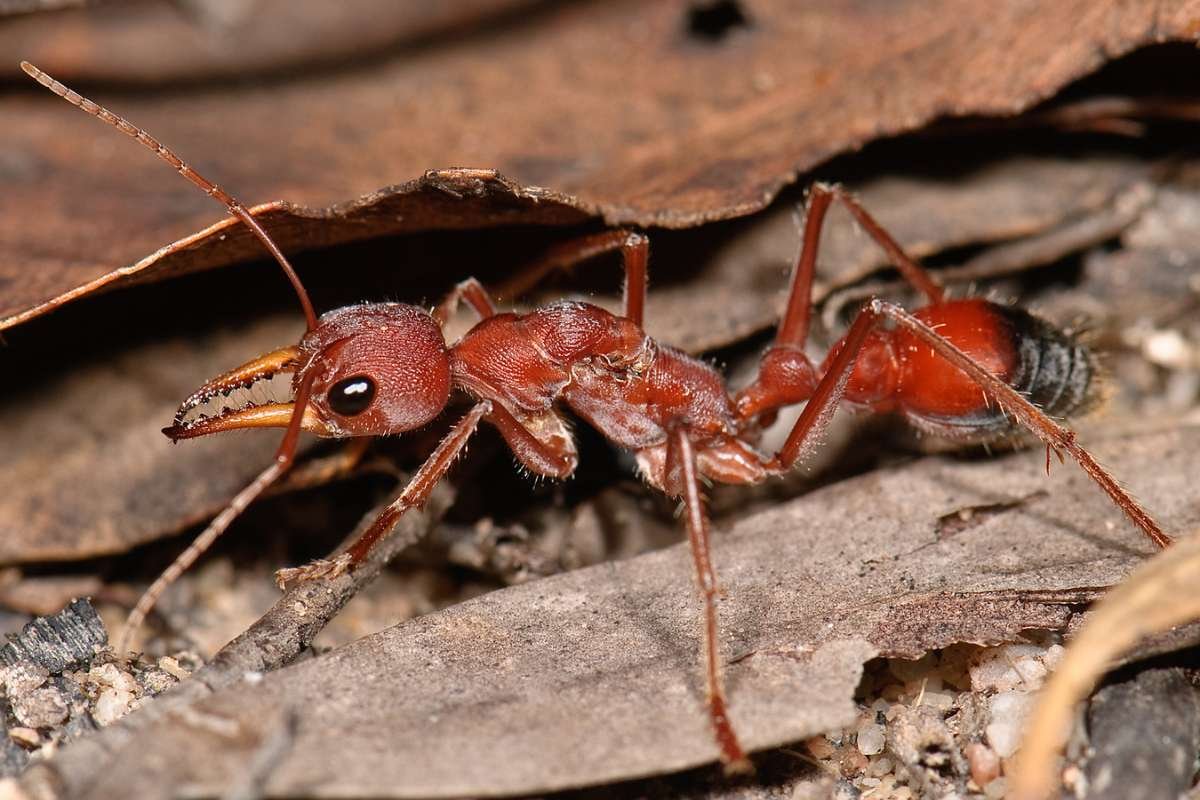
| Venom Potency | Highly toxic with severe allergic potential. |
| Geographic Range | Australia. |
| Human Impact | Documented cases of anaphylaxis. |
Bulldog ants are large, fast-moving, and visually striking insects native to Australia. They possess powerful mandibles and can both bite and sting simultaneously. Their venom contains peptides that can trigger strong immune responses in certain individuals. Several serious allergic incidents have been reported in rural areas. These ants are highly defensive and react quickly when threatened.
4. Jack Jumper Ant (Myrmecia pilosula)
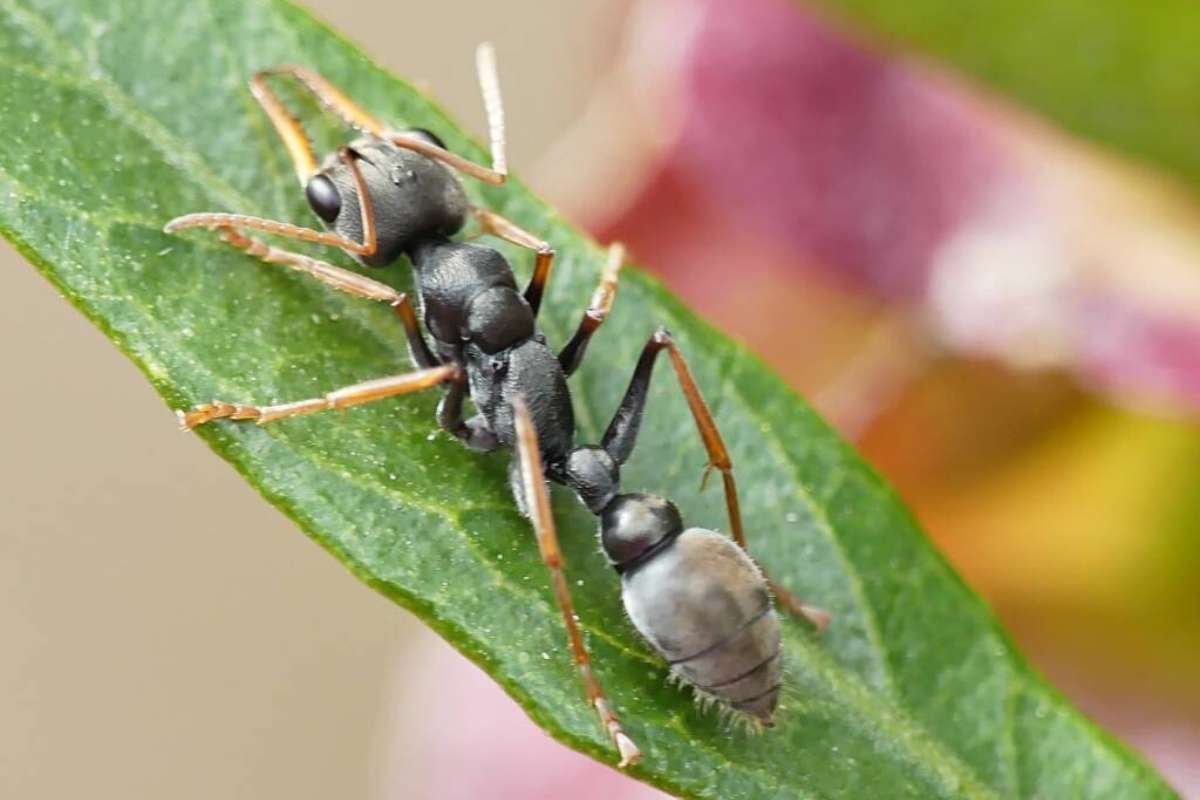
| Venom Potency | Strong allergenic venom. |
| Geographic Range | Tasmania and southeastern Australia. |
| Human Impact | Major cause of insect-related anaphylaxis locally. |
The jack jumper ant is named for its unpredictable jumping movements when disturbed. Its sting causes immediate sharp pain followed by redness and swelling. More concerning is its high likelihood of triggering severe allergic reactions in susceptible individuals. In Tasmania, it has been linked to multiple cases of insect-induced anaphylaxis each year. This medical significance is one reason it is recognized among the most poisonous ants in the world.
5. Maricopa Harvester Ant (Pogonomyrmex maricopa)
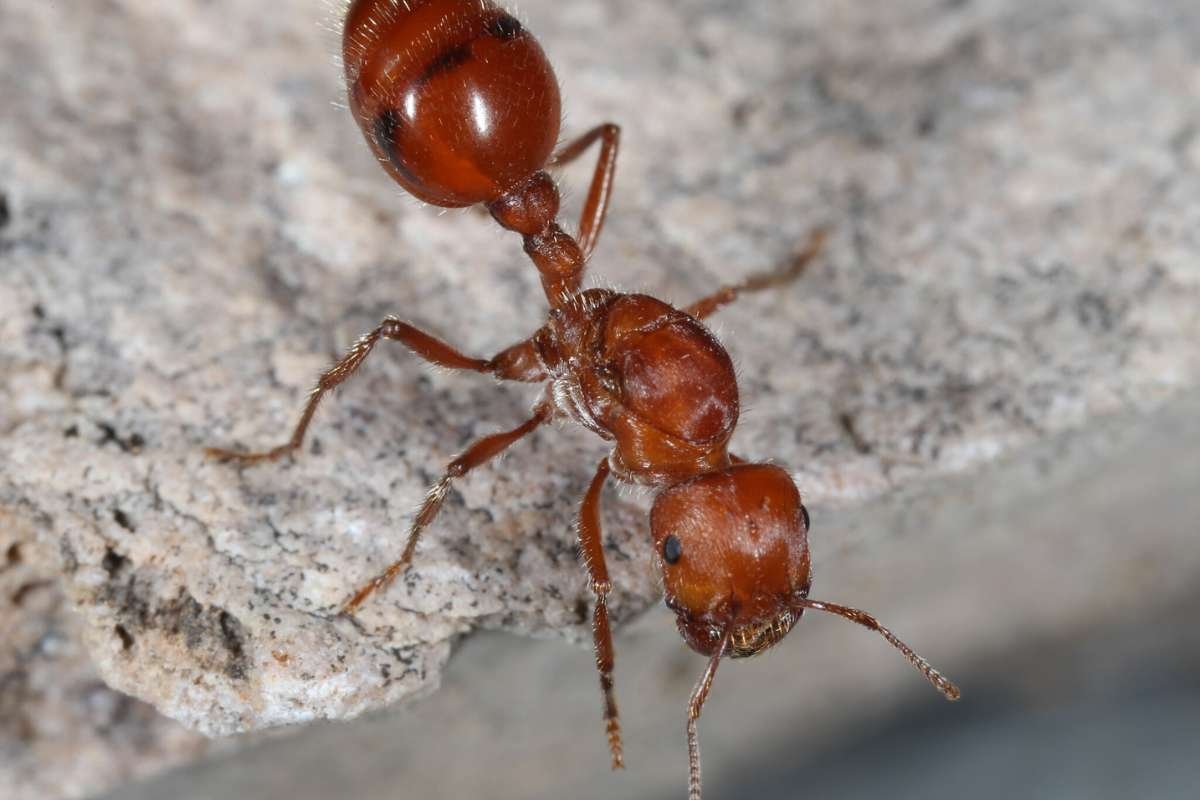
| Venom Potency | Extremely high toxicity measured by LD50. |
| Geographic Range | Southwestern United States deserts. |
| Human Impact | Intense localized pain. |
This desert-dwelling species has been studied extensively for its venom toxicity. Laboratory tests show that its venom is exceptionally potent relative to its size. A sting typically produces sharp, localized pain that can persist for hours. These ants are highly territorial and will defend their nest aggressively. They play an important ecological role in seed dispersal within desert ecosystems.
Scientific Insights into Ant Venom
The venom of the most poisonous ants In the world is not just painful, it is scientifically fascinating. Researchers study ant venom to understand its chemical structure, biological effects, and potential medical applications. Using advanced tools like mass spectrometry and molecular sequencing, scientists can isolate individual toxins and examine how they interact with nerve cells and immune systems.
At a biochemical level, ant venom typically contains:
| Neurotoxic peptides | Affect nerve signaling and trigger intense pain. |
| Alkaloids | Cause burning sensations and tissue irritation. |
| Enzymes and proteins | Stimulate inflammation and immune responses. |
| Allergenic compounds | Can provoke severe hypersensitivity reactions in some individuals. |
For example, certain venom peptides specifically target sodium channels in nerve cells, amplifying pain signals. This explains why some stings feel electric, sharp, and long-lasting rather than briefly irritating. In toxicology labs, researchers measure venom potency using LD50 testing, which helps quantify how much toxin is required to produce harmful effects.
Beyond understanding pain, scientists are exploring possible medical uses of ant venom compounds. Some peptides show promise in pain management research, as they interact directly with nerve receptors. Others are being studied for potential antimicrobial and anti-inflammatory properties. What evolved as a defensive weapon in nature may eventually contribute to pharmaceutical innovation.
Studying the most poisonous ants in the world, therefore, serves two purposes: improving human safety and advancing scientific discovery. By understanding how these toxins work at a molecular level, researchers gain insight into both insect evolution and potential breakthroughs in medicine.
Human Encounters and Safety
Encounters with the most poisonous ants in the world usually happen accidentally when someone steps on a hidden nest, leans against a tree, or disturbs soil while hiking or gardening. These ants are not actively hunting humans; their venom is a defensive tool designed to protect their colony. However, when threatened, many species react quickly and aggressively.
Where Encounters Commonly Occur:
| Tropical rainforests | Especially in Central and South America. |
| Dry desert regions | Southwestern United States and arid landscapes. |
| Rural and bushland areas | Particularly in Australia. |
| Urban lawns and agricultural fields | In regions with invasive fire ant populations. |
Common Symptoms After a Sting:
- Immediate, sharp, or burning pain
- Redness and swelling
- Itching or blister formation
- In severe cases: dizziness, breathing difficulty, or rapid swelling (signs of an allergic reaction)
For most healthy individuals, symptoms remain localized and subside within hours or days. However, people with insect venom allergies face a higher risk of anaphylaxis, a life-threatening reaction that requires immediate medical attention. Carrying an epinephrine auto-injector is often recommended for those with known severe allergies.
Safety Tips:
- Wear closed shoes and protective clothing when hiking in high-risk regions.
- Avoid disturbing ant mounds or placing hands on tree trunks in rainforest areas.
- Check picnic spots or campsites for visible nests before settling down.
- Seek medical help immediately if systemic symptoms appear after a sting.
Understanding the behavior and habitats of the most poisonous ants significantly reduces risk. Awareness, quick response, and basic preventive measures are usually enough to ensure safe coexistence with these small but highly defensive insects.
Conclusion:
The most poisonous ants in the world prove that size has little to do with strength. Though small and often overlooked, certain ant species possess venom powerful enough to cause intense pain, serious allergic reactions, and measurable biological effects studied in laboratories worldwide. Their potency is not accidental; it is the result of millions of years of evolution shaped by survival, defense, and competition.
From rainforests to deserts, these ants play essential ecological roles such as soil aeration, seed dispersal, and population control of other insects. At the same time, understanding their venom composition and behavior is critical for human safety, especially in regions where encounters are common. Scientific research continues to uncover how their toxins interact with the nervous system, opening doors to potential medical and pharmaceutical advancements.
Ultimately, awareness, not fear, is the key takeaway. By learning about the most poisonous ants in the world, recognizing high-risk environments, and taking simple precautions, humans can safely coexist with these remarkable insects. Even the smallest creatures in nature can carry extraordinary power, reminding us that respect for biodiversity is always essential.
FAQs
1. Which is considered the most dangerous ant in the world?
The bullet ant (Paraponera clavata) is often regarded as the most dangerous due to the extreme intensity of its sting, which ranks at the top of scientific pain scales. However, danger also depends on venom toxicity and allergic risk, as seen in species like bulldog ants and jack jumper ants.
2. Can ant venom be life-threatening to humans?
In most cases, ant stings cause localized pain and swelling. However, individuals with insect venom allergies may experience anaphylaxis, a severe and potentially life-threatening allergic reaction that requires immediate medical attention.
3. Where are the most venomous ants commonly found?
The most poisonous ants in the world are typically found in tropical rainforests (Central and South America), deserts (Southwestern United States), and parts of Australia. Some invasive species, like fire ants, are also present in urban and agricultural areas worldwide, increasing the chances of human encounters.
4. How is ant venom potency measured scientifically?
Scientists measure venom potency using tools like the Schmidt Pain Index (to rank sting pain intensity) and LD50 toxicity tests (to calculate how much venom is required to cause harm under laboratory conditions).
5. What should you do if stung by a highly venomous ant?
Clean the affected area, apply a cold compress to reduce swelling, and monitor symptoms. Seek immediate medical care if signs of a severe allergic reaction occur, such as difficulty breathing, dizziness, or rapid swelling.