Spanish researchers say a three-drug therapy eliminated the deadliest form of pancreatic cancer cure in mice, with no relapse after treatment, offering new hope against a disease long resistant to existing therapies.
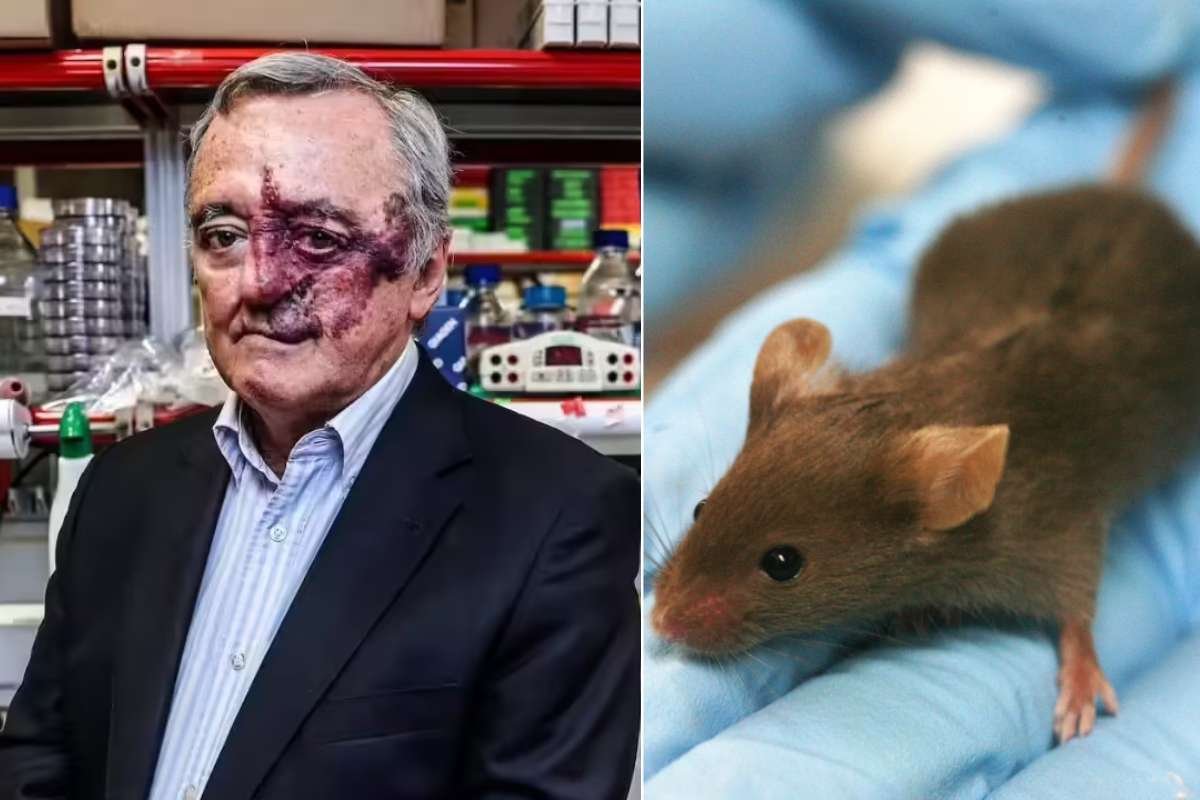
A Spanish research team has reported what it calls a breakthrough in the fight against pancreatic cancer, announcing that an experimental three-drug combination completely eradicated aggressive tumors in laboratory mice.
The findings, published this month in the Proceedings of the National Academy of Sciences, involve pancreatic ductal adenocarcinoma, the most common and lethal form of the disease. Scientists say the treatment not only removed tumors but also prevented the cancer from returning after therapy ended.
The study was led by Mariano Barbacid at the Spanish National Cancer Research Centre, known as CNIO, and reflects nearly six years of research. Pancreatic ductal adenocarcinoma is notoriously difficult to treat because it is often detected late and resists most conventional and targeted therapies.
Pancreatic Cancer’s Deadly Resistance
Pancreatic cancer remains one of the deadliest malignancies worldwide, largely because tumors are rarely detected early and are shielded by a dense structure that blocks many drugs.
Even when treatments initially work, the cancer often adapts. Tumor cells reroute biological pathways to survive, allowing the disease to return quickly and aggressively, researchers say.
Barbacid has long argued that this adaptability explains why decades of single-drug strategies have failed. In earlier research discussions, he said pancreatic cancer “cannot be defeated with a single-drug strategy” because of how flexibly the tumor rewires itself to escape treatment.
According to CNIO scientists, this biological resilience has made pancreatic cancer cure a graveyard for experimental therapies that succeed in other cancers but fail against this disease.
Three-Drug Strategy Blocks Cancer Escape Routes
Unlike standard approaches that target a single molecular mechanism, the CNIO therapy simultaneously shuts down multiple survival pathways used by cancer cells.
By combining three drugs, researchers aimed to prevent the tumor from adapting once one pathway was blocked. The strategy forces cancer cells into what scientists describe as a biological dead end, leaving them unable to recover or reorganize.
“This tumor is exceptionally flexible in how it survives treatment,” Barbacid has said in previous work. Researchers involved in the study said only a coordinated shutdown of several biological systems can stop the cancer from reprogramming itself and returning.
In controlled experiments, mice with advanced pancreatic cancer experienced complete tumor disappearance after receiving the combination therapy. Long-term monitoring showed no evidence of relapse after treatment ended, an outcome that experts say is extremely rare in pancreatic cancer cure models.
Peer Review, Credibility, and Cautious Optimism
Peer reviewers highlighted both the durability of the response and the unusually low toxicity observed in the animals, a critical factor for any potential future use in humans.
Independent experts, cited in the review process, noted that long-lasting, relapse-free outcomes are almost unheard of in pancreatic cancer cure research, even in animal studies.
Barbacid’s involvement has added weight to the findings. He is among Europe’s most influential cancer scientists and helped identify the first human oncogene in the early 1980s, a discovery that reshaped modern cancer biology.
His decades-long focus on KRAS-driven tumors is particularly relevant. KRAS mutations are present in about 90 percent of pancreatic cancers, making them a central target in the disease.
The research was conducted at CNIO, one of Europe’s leading cancer research centers, with funding from Fundación CRIS Contra el Cáncer. CNIO officials said the study followed established scientific protocols and underwent independent peer review, stressing that no safeguards were bypassed.
Researchers cautioned that the results are limited to animal models and that extensive testing would be required before any human trials. Still, they said the findings renew optimism around a cancer long considered nearly impossible to treat.