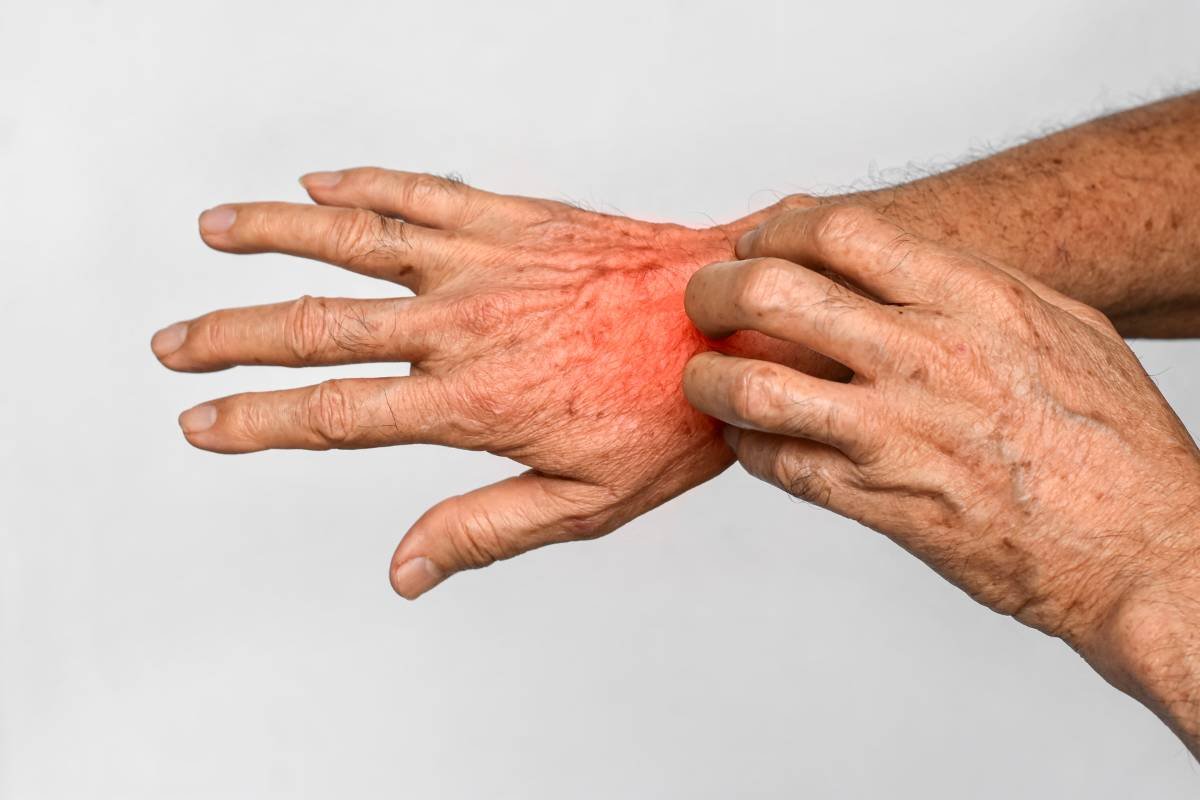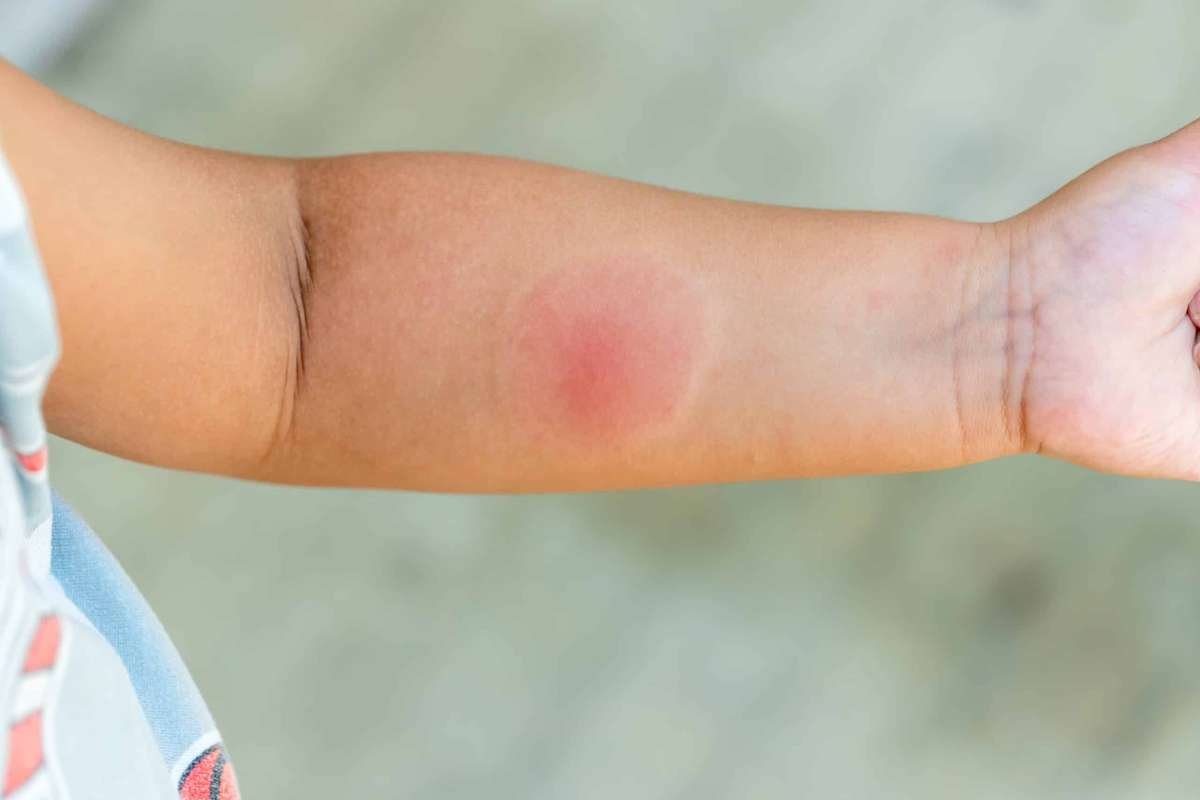
Most people think spider bites are rare, but the truth is far more startling. Each year, over 7,000 spider bite cases are reported in the U.S. alone, and while most are harmless, bites from species like the brown recluse or black widow can quickly escalate into serious medical issues. What makes them tricky is that many bites look deceptively similar to common skin irritations, making early identification crucial.
This guide dives deep into spider bite pictures and treatments, giving you the tools to recognize bites accurately, understand symptoms, and respond effectively. From the subtle redness of a minor bite to the tissue damage of a venomous encounter, seeing the signs clearly can mean the difference between a simple home remedy and a hospital visit.
Whether you’re exploring the outdoors, raising curious kids, or just want to be prepared, knowing how to identify and treat spider stings is essential for your safety and peace of mind.
Spider Bites: Causes, Common Symptoms, and Early Warning Signs
Before diving into pictures and treatments, it’s important to understand what a spider bite actually is. A spider bite occurs when a spider pierces the skin with its fangs, injecting venom in some cases. Most bites are mild and heal on their own, but bites from venomous spiders like the brown recluse or black widow can cause painful reactions, redness, swelling, and even tissue damage.
Interestingly, studies show that many suspected spider stings are misdiagnosed as skin lesions, such as bacterial infections or insect bites. This makes accurate spider bite treatments not just helpful but necessary for proper care.
In the next section, we’ll explore how to identify a spider bite visually, so you can spot the signs early and know when to act.
How to Identify a Spider Bite: Visual Signs?
Spotting a spider bite early can make a huge difference in treatment and recovery. While many skin irritations mimic bites, certain visual clues can help you identify a genuine spider bite. Here’s what to look for:
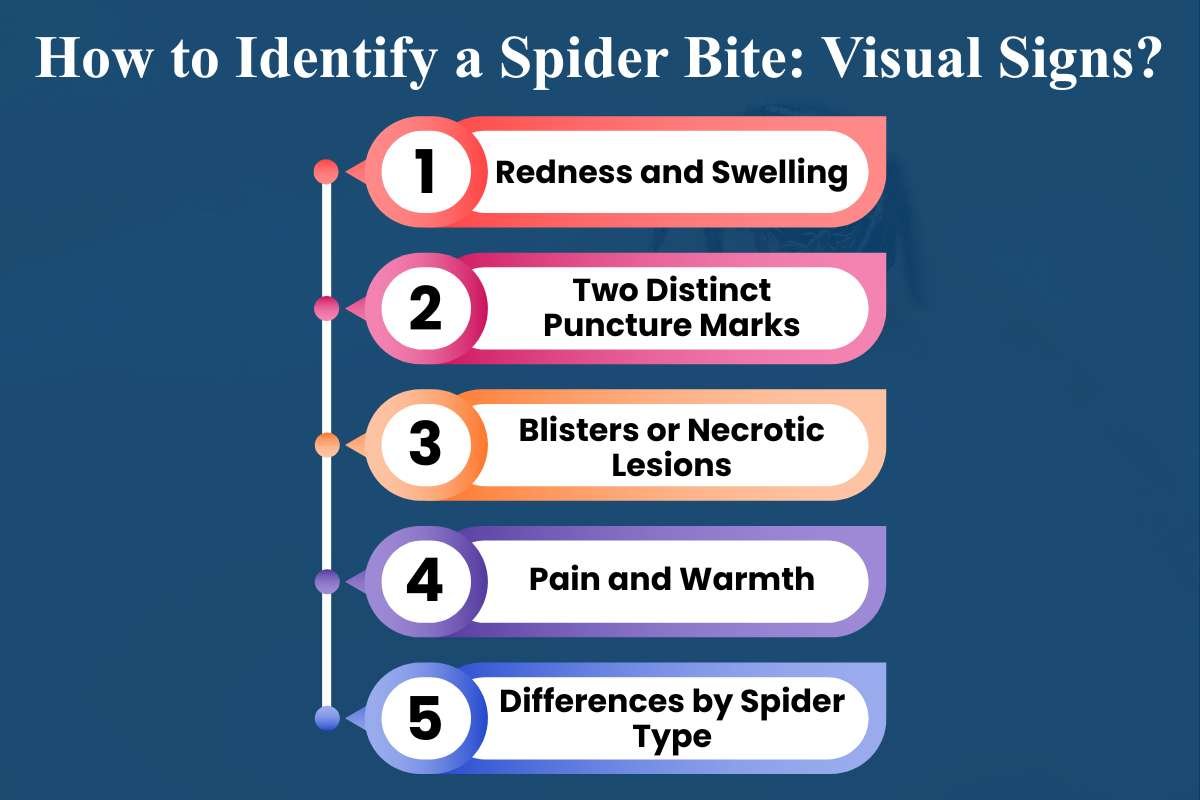
1. Redness and Swelling
The most common sign of a spider bite is localized redness and swelling around the bite area. Mild bites may appear as a small red bump, while bites from venomous spiders can expand rapidly, forming raised, inflamed areas. According to dermatology studies, up to 80% of brown recluse bites initially show mild redness before progressing.
2. Two Distinct Puncture Marks
A telltale sign of a real spider bite is the presence of two small puncture marks from the spider’s fangs. While these marks can be subtle, they often indicate venom injection, especially in brown recluse or black widow bites.
3. Blisters or Necrotic Lesions
Venomous bites can cause more severe reactions. For example, a brown recluse bite may develop a bull’s-eye pattern with blistering that turns necrotic over time. Images from medical sources show that tissue damage usually becomes apparent 24–72 hours after the bite, making early recognition critical.
4. Pain and Warmth
Mild bites often cause tenderness or slight itching. However, bites from more dangerous spiders can trigger intense pain, warmth, and spreading redness, sometimes accompanied by systemic symptoms like fever, nausea, or muscle cramps.
5. Differences by Spider Type
| Spider Type | Visual Signs | Additional Symptoms |
| Brown Recluse | Red, blistering, possible necrosis | Fever, chills, headache |
| Black Widow | Small red bite, slight swelling | Severe cramps, nausea, muscle spasms |
| Wolf & Harmless Spiders | Mild redness, irritation | Usually localized itching |
By understanding these visual cues, you can better interpret spider bite pictures and treatments to make informed decisions about home care or seeking medical attention.
Spider Bite Pictures by Type
Understanding the differences in spider bites is crucial because treatment varies depending on the species. Below, we break down the most common spider stings, what they look like, and what to expect from each.
1. Brown Recluse Spider Bites: Brown recluse bites are among the most concerning due to their potential for tissue necrosis.
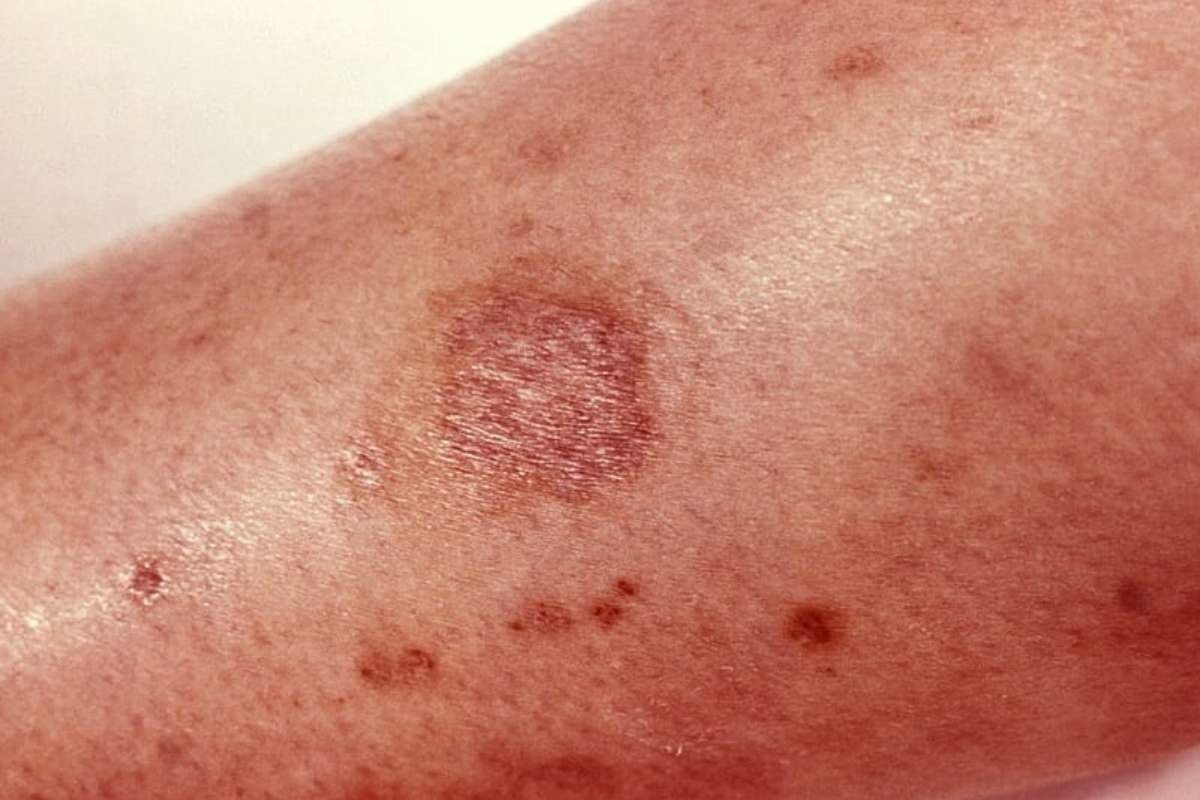
| Visual Signs | Initially, a small red bump may appear, sometimes with two faint puncture marks. Over 24–72 hours, the area may develop a bull’s-eye pattern, blisters, or even necrotic tissue. |
| Symptoms | Pain intensifies after a few hours, accompanied by swelling, fever, and sometimes nausea. |
| Treatment | Most mild bites heal at home with ice packs, cleaning, and antibiotic creams, but severe cases require medical attention. Early intervention reduces the risk of permanent tissue damage. |
| Why It Matters? | Accurate spider bite pictures and treatments help distinguish brown recluse bites from other skin conditions like infections or allergic reactions. |
Brown recluse spider stings often start with mild skin irritation but can worsen significantly within days. The venom may damage surrounding tissue, sometimes leading to open wounds or necrosis if untreated. Early identification and proper care are critical to prevent long-term skin complications.
2. Black Widow Spider Bites: Black widow bites are less common but medically significant due to neurotoxic venom.
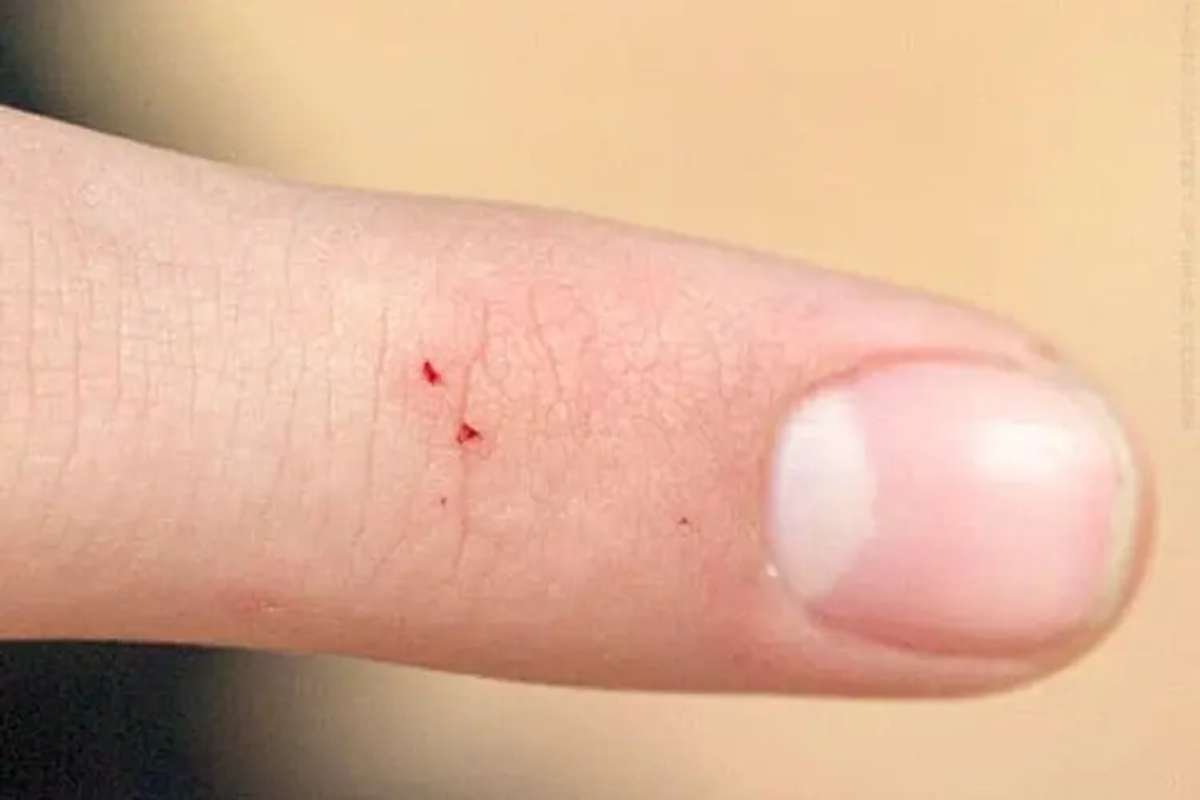
| Visual Signs | Typically, a small red bite mark with minimal swelling is seen, often going unnoticed at first. |
| Symptoms | Severe muscle cramps, abdominal pain, nausea, sweating, and dizziness may develop within hours. |
| Treatment | Medical care is strongly advised. Pain management, muscle relaxants, and in rare cases, antivenom are used. |
| Why It Matters? | Recognizing a black widow bite through visual cues and symptoms ensures timely and effective treatment, reducing complications. |
Black widow spider stings may show minimal skin changes but cause intense internal symptoms. The venom affects the nervous system, leading to severe muscle pain, cramps, and sweating. Prompt medical attention helps control symptoms and prevents serious complications.
3. Wolf and Harmless Spider Bites: Most spider stings fall into this category and are typically mild and self-limiting.
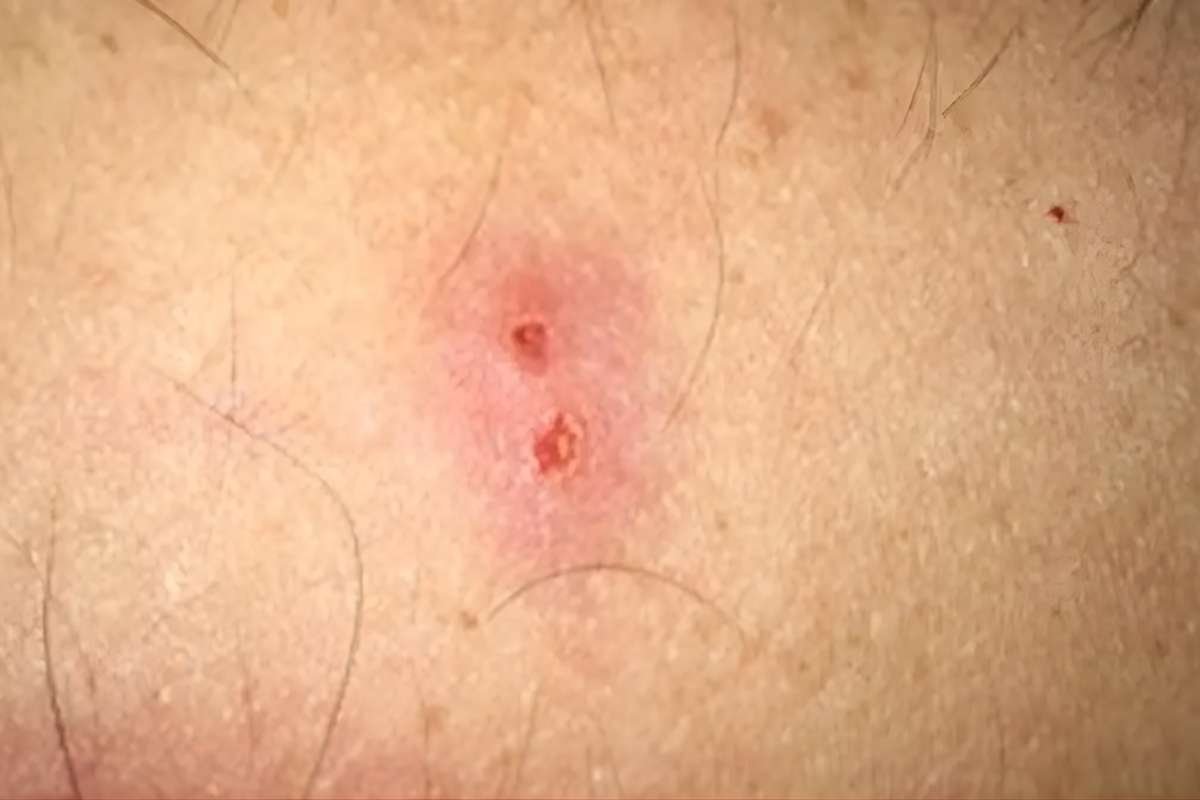
| Visual Signs | Small red bumps, slight swelling, or localized irritation. |
| Symptoms | Mild itching or tenderness, usually confined to the bite site. |
| Treatment | Home remedies like cleaning, ice packs, and over-the-counter antihistamines are generally sufficient. |
| Why It Matters? | Understanding that not all spider stings are dangerous helps prevent unnecessary panic and ensures appropriate spider bite treatments. |
By comparing these bites visually and symptomatically, readers can better understand what to expect and take the right steps for care. Accurate knowledge of spider bite pictures and treatments is essential, especially for bites that can worsen without timely intervention.
5 Most Dangerous Symptoms You Can’t Ignore
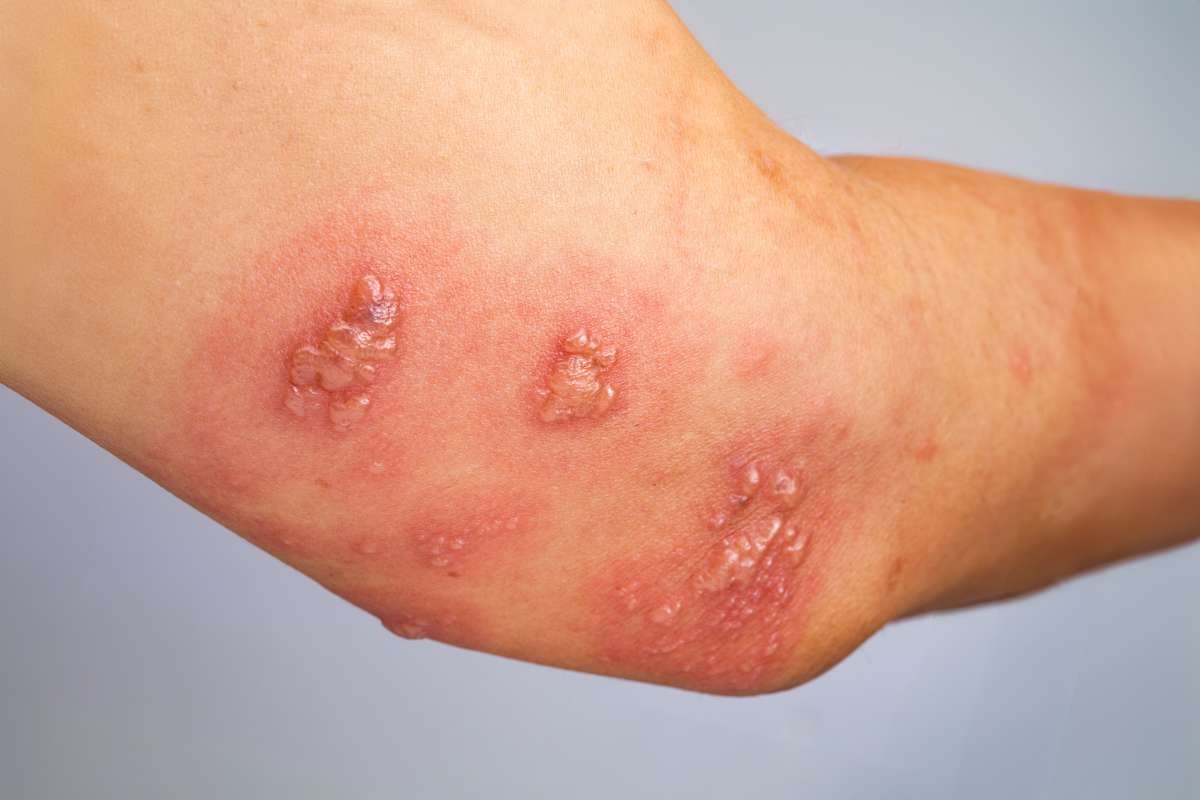
While many spider bites heal on their own, some symptoms signal that the bite may be medically significant. Recognizing these warning signs early, especially when comparing them with reliable spider bite pictures and treatments, can prevent serious complications.
1. Rapidly Spreading Redness or Swelling
If redness expands beyond the bite area within 24 to 48 hours, it may indicate venom activity or infection. Brown recluse bites, in particular, often worsen gradually rather than improve, which is why visual monitoring is crucial.
2. Severe or Worsening Pain
Mild spider stings usually cause discomfort that fades within a day. However, intensifying pain, burning sensations, or deep tissue soreness can be a red flag, especially in black widow bites, where pain may spread to the abdomen, chest, or back.
3. Blistering, Ulcers, or Skin Breakdown
One of the most alarming signs is blister formation or tissue damage. In some cases, the skin may darken or form an open sore days after the bite. This progression is clearly visible in advanced spider bite pictures and often requires professional treatment.
4. Systemic Symptoms
Seek immediate medical attention if any of the following occur:
- Fever or chills
- Nausea or vomiting
- Muscle cramps or stiffness
- Sweating, dizziness, or weakness
These symptoms suggest that venom is affecting the nervous or muscular system rather than remaining localized.
5. Signs of Infection
Pus, warmth, red streaks spreading from the bite, or swelling that doesn’t subside may indicate a bacterial infection. Many cases initially mistaken for spider stings turn out to be infections, which is why comparing symptoms with accurate spider bite pictures and treatments is essential.
Why This Matters?
Medical data shows that early intervention significantly reduces recovery time and complications, especially for venomous spider bites. Knowing when a bite crosses from “mild” to “serious” empowers you to act quickly and safely.
Read Next:
- How to Identify Common Bug Bites So You Don’t Panic Next Time?
- 15 Natural Remedies for Bug Bites That Work When Nothing Else Does
Immediate First Aid: What to Do Right After a Spider Bite?
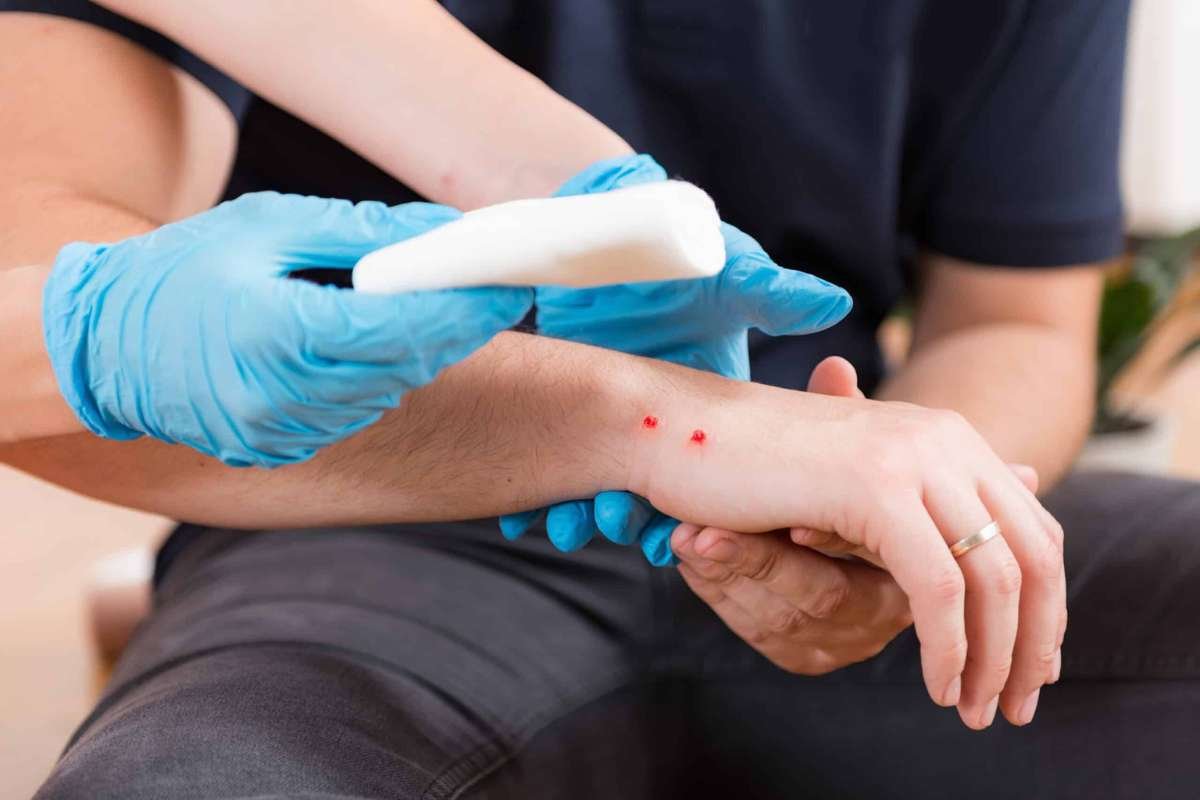
Quick action after a spider bite can significantly reduce pain, swelling, and the risk of complications. Whether the bite appears mild or concerning in spider bite pictures and treatments, following the right first-aid steps can make a measurable difference in recovery.
- Clean the Bite Area Immediately: Gently wash the bite with soap and clean water. This helps remove bacteria and lowers the risk of infection, especially since open or blistered bites are more vulnerable.
- Apply a Cold Compress: Place an ice pack or cold compress on the bite for 10–15 minutes at a time, several times a day. Studies show cold therapy helps reduce inflammation and slows venom spread in the early stages.
- Elevate the Affected Area: If the bite is on an arm or leg, keep it elevated. Elevation reduces swelling and improves blood flow, which supports healing.
- Use Over-the-Counter Relief
- Antihistamines can help control itching and redness
- Pain relievers like ibuprofen or acetaminophen reduce discomfort
- Topical antibiotic creams lower infection risk
These treatments are commonly recommended for mild bites seen in real-world spider bite pictures and treatments.
- Avoid Scratching or Breaking Blisters: Scratching increases the chance of infection and can worsen scarring. If a blister forms, allow it to heal naturally unless directed otherwise by a medical professional.
When First Aid Isn’t Enough?
First aid works well for most spider stings, but venomous bites or worsening symptoms require professional care. Delaying treatment can increase healing time and lead to tissue damage or systemic effects.
Some Medical Treatments for Serious Spider Bites That Need Attention
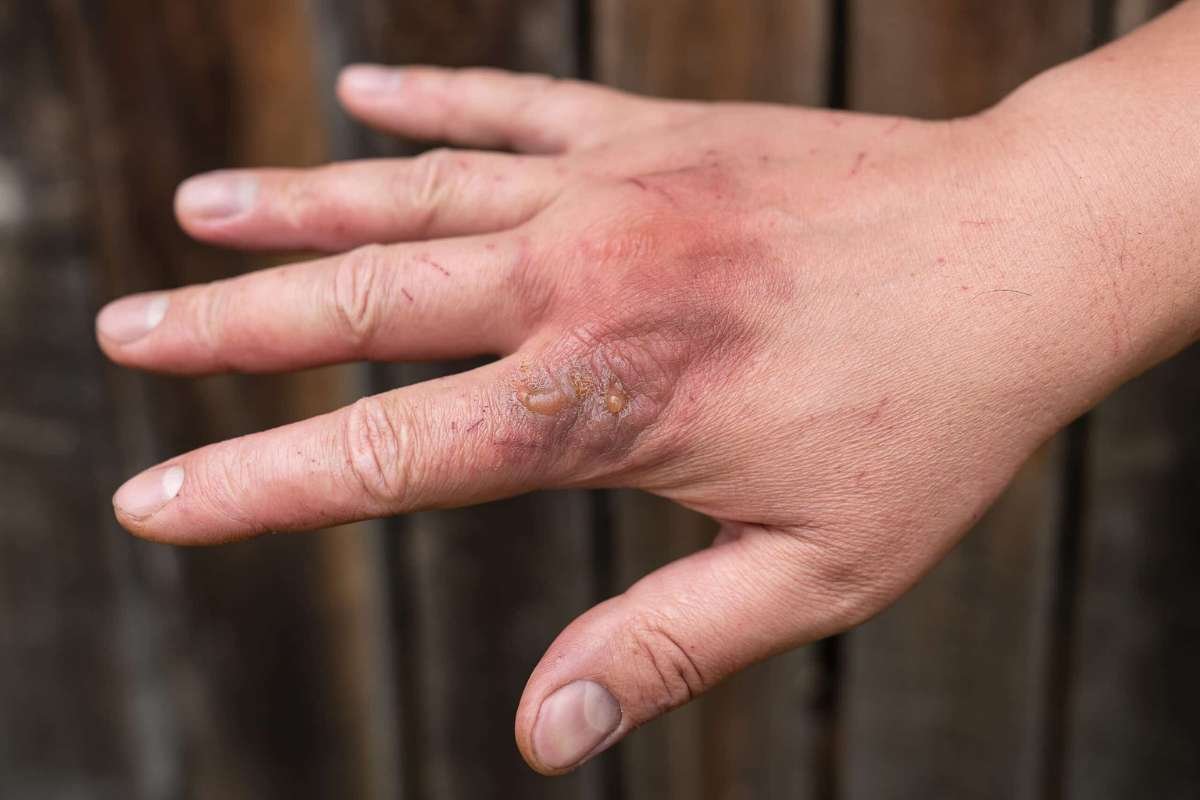
While most spider stings respond well to basic first aid, venomous or worsening bites require professional medical care. Doctors rely on both symptoms and spider bite pictures and treatments to determine severity and choose the right course of action.
1. Clinical Evaluation and Diagnosis
Healthcare providers first assess:
- The appearance and progression of the bite
- Pain level and spread of symptoms
- Systemic signs like fever, muscle cramps, or nausea
Because many skin infections resemble spider stings, doctors often rule out MRSA, allergic reactions, or abscesses before confirming a spider bite diagnosis.
2. Prescription Medications
Depending on severity, medical treatment may include:
- Stronger pain relievers for intense discomfort
- Muscle relaxants (commonly used for black widow bites)
- Antibiotics, only if a secondary bacterial infection is present
It’s important to note that antibiotics are not routinely used unless infection is confirmed, something many people misunderstand when comparing spider bite pictures online.
3. Antivenom (In Severe Cases Only)
Antivenom is rarely needed but may be used in severe black widow bites, particularly in:
- Older adults
- Children
- Individuals with underlying health conditions
When administered early, antivenom can rapidly reduce muscle cramps and systemic symptoms.
4. Wound Care and Monitoring
For bites that cause blisters or tissue damage, doctors may:
- Clean and dress the wound regularly
- Monitor for necrosis or ulcer formation
- Recommend follow-up visits to track healing
In rare brown recluse cases, tissue damage may take weeks to fully heal, even with proper care.
5. Hospitalization (Rare but Critical)
Hospital admission may be required if:
- Symptoms escalate rapidly
- The bite causes severe systemic reactions
- There’s extensive tissue breakdown
Medical data shows that early professional treatment significantly lowers complication rates, reinforcing why accurate spider bite pictures and treatments are so valuable.
Natural and Home Remedies: What Helps and What Doesn’t?
Many people turn to natural remedies after seeing mild cases in spider bite pictures and treatments, hoping to reduce pain and swelling at home. While some remedies can support healing, others may do more harm than good. Knowing the difference is essential.
Remedies That Can Help (For Mild Bites Only): These options are generally safe when the bite is small, improving, and not showing warning signs:
| Aloe Vera | Aloe vera has natural anti-inflammatory properties that may help soothe redness and irritation. It can be applied 2–3 times daily to calm the skin. |
| Baking Soda Paste | A simple paste of baking soda and water may help reduce itching in mild cases. Apply for 10–15 minutes, then rinse gently. |
| Tea Tree Oil (Diluted) | When diluted with a carrier oil, tea tree oil may help limit bacterial growth. Use sparingly and stop if irritation occurs. |
| Turmeric Paste | Turmeric contains curcumin, known for its anti-inflammatory effects. It may help calm minor swelling, but should only be used on unbroken skin. |
Remedies That Should Be Avoided: Some popular home “fixes” are unsupported by medical evidence and can worsen the bite:
- Cutting or squeezing the bite increases infection risk
- Applying heat early may intensify venom effects
- Undiluted essential oils can burn or irritate skin
- Unverified folk remedies delay proper treatment
Medical experts emphasize that no home remedy neutralizes spider venom, which is why comparing symptoms with accurate spider bite pictures and treatments is critical before relying on natural care.
Prevention Tips: How to Reduce the Risk of Spider Bites?
While understanding spider bite treatments is essential, prevention remains the best defense. Most spider stings occur indoors or around the home, often when spiders feel trapped or threatened. Simple precautions can dramatically lower your risk.
- Keep Living Spaces Clean and Clutter-Free: Spiders thrive in dark, undisturbed areas such as basements, closets, and storage rooms. Regular cleaning, vacuuming, and decluttering reduce hiding spots and nesting areas.
- Seal Entry Points: Small cracks in walls, windows, and doors can allow spiders inside. Sealing gaps with caulk and installing tight-fitting screens helps prevent entry, especially during colder months when spiders move indoors.
- Shake Out Clothing and Bedding: Many bites occur when spiders are trapped in clothes, shoes, or bedsheets. Shake out items that haven’t been used recently, particularly stored clothing, shoes, and blankets.
- Wear Protective Clothing Outdoors: When gardening, hiking, or working in garages and sheds, wear long sleeves, gloves, and closed shoes. This simple habit significantly reduces exposure to venomous spiders.
- Reduce Outdoor Spider Habitats: Trim vegetation near your home, remove woodpiles, and keep outdoor lighting away from doors and windows. Lights attract insects, which in turn attract spiders.
Top 5 Common Misconceptions About Spider Bites
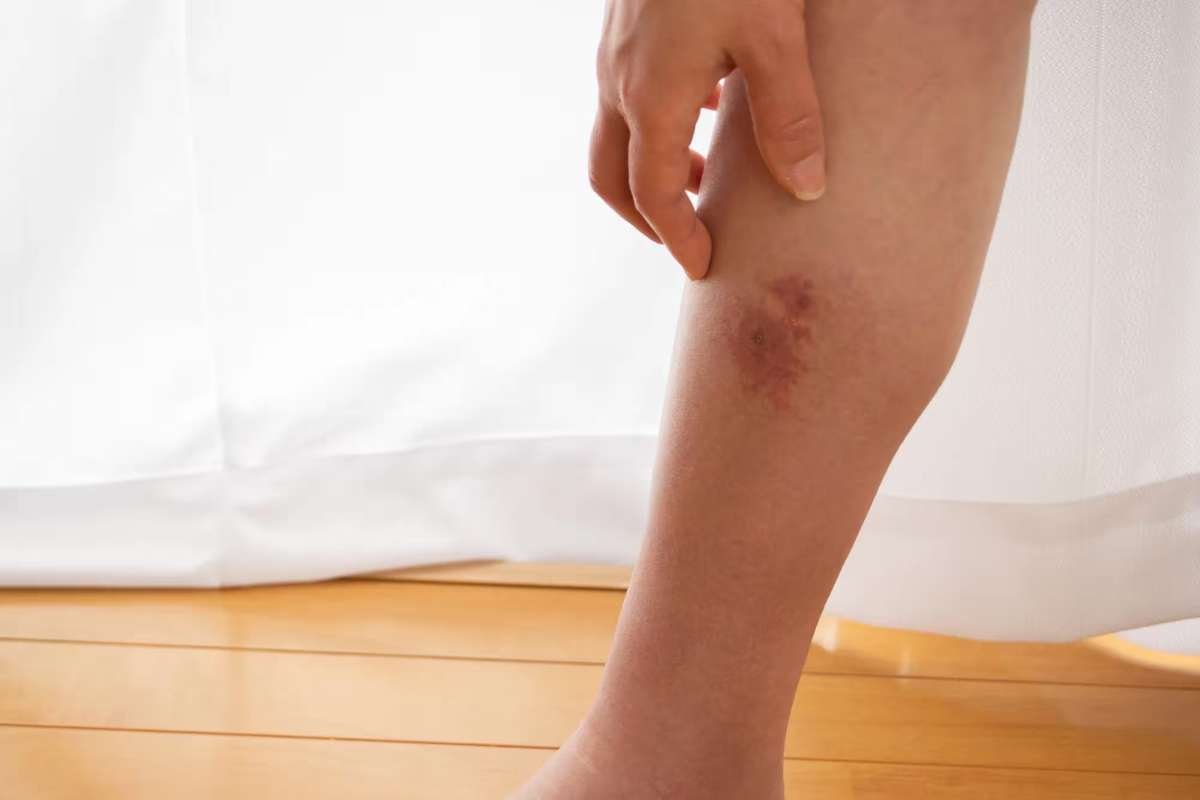
Spider bites are widely misunderstood, and misinformation often leads to unnecessary panic or delayed treatment. Clearing up these myths is just as important as reviewing accurate spider bite treatments.
Myth 1: Every Red Bump Is a Spider Bite
Reality: Medical studies show that most suspected spider bites are actually skin infections, allergic reactions, or insect bites. Conditions like MRSA are frequently mistaken for spider stings because they can look similar in early stages.
Myth 2: You’ll Always See the Spider
Reality: Most people never see the spider that bit them. A confirmed spider bite diagnosis usually requires either seeing the spider or matching symptoms with medically verified spider bite patterns.
Myth 3: Spider Bites Are Always Dangerous
Reality: The majority of spider bites are mild and non-venomous. Only a small number of species, such as brown recluse and black widow spiders, cause medically significant reactions.
Myth 4: Home Remedies Can Neutralize Venom
Reality: No home remedy can stop spider venom. While supportive care may help mild bites, worsening symptoms require medical treatment, something often overlooked when people rely only on images without context.
Myth 5: Antibiotics Are Always Needed
Reality: Antibiotics are not routinely prescribed unless a bacterial infection is present. Many people incorrectly assume antibiotics are a standard spider bite treatment.
Conclusion
Spider bites can be unsettling, especially when symptoms change or worsen over time. Understanding how to recognize real warning signs, compare reliable spider bite pictures and treatments, and respond quickly can prevent minor bites from turning into serious health concerns.
While most spider stings are harmless and heal with basic care, certain bites require medical attention. The key lies in accurate identification, close monitoring, and timely action. Relying on trusted medical visuals and evidence-based treatments helps cut through confusion and misinformation often found online.
Whether you’re dealing with a suspected bite or simply staying informed, awareness is your strongest defense. When in doubt, trust medical guidance over assumptions and seek professional care if symptoms escalate. Being informed today can protect your health tomorrow.