Waking up one day and realizing your plate could be your best doctor. Not a fancy pill, not a crash workout, just your plate. The rice diet may sound like something your grandma came up with while saving money, but here’s the twist: it works. It’s simple, low-cost, and backed by science.
Once upon a time, a doctor in the 1930s created this plan to treat people with kidney and heart issues. And instead of serving mystery shakes or green mush, he served rice. Real rice! The kind that makes your comfort bowl feel like a warm hug. Fast-forward to today, and the low-calorie diet is making a comeback among those who want clean eating without complicated calorie math.
So, grab your spoon, loosen your belt a bit (for now), and let’s walk through the tasty path of how something as simple as rice could be your biggest health game-changer.
What Is the Rice Diet?
The rice diet is a low-sodium, low-fat, and high-fiber meal plan built mainly around rice, fruits, vegetables, and lean proteins. It was designed to help improve blood pressure, reduce cholesterol, and support weight loss naturally. Unlike other diets that make you skip joy or flavor, this one keeps things simple and practical.
Think of it as the “reset button” for your body. Instead of fighting your food habits, it gently teaches your system to enjoy clean eating again.
How the Rice Diet Works?
The low-calorie diet focuses on balance and portion control. You don’t have to eat only rice all day; that’s a myth. The plan includes three stages:
- Detox Phase: This phase helps your body flush out excess salt and water. Meals are mostly rice, fruits, and vegetables.
- Maintenance Phase: You add lean proteins like fish or beans to your diet while keeping sodium and fat levels low.
- Stabilization Phase: Your metabolism adjusts, and your energy levels balance. The goal is to maintain your ideal weight while keeping your blood pressure and cholesterol healthy.
This diet doesn’t punish you; it trains your body to crave simple, nourishing food again.
Real Health Benefits of the Rice Diet
1. Supports Weight Loss
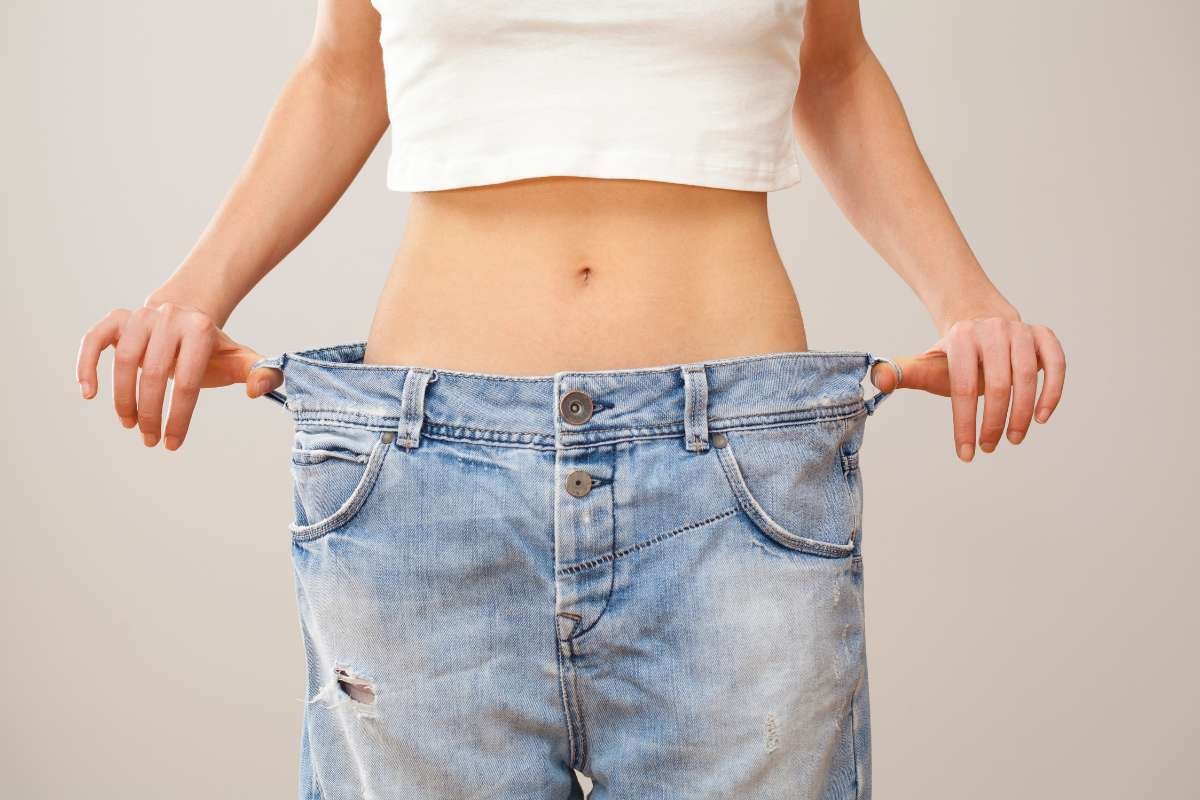
The rice diet reduces calorie intake naturally. Since you eat low-fat and fiber-rich meals, you feel full faster. Studies show people who follow low-sodium, high-fiber diets tend to lose weight and maintain it longer.
2. Lowers Blood Pressure
By cutting out salt-heavy foods, the low-calorie diet helps reduce fluid retention. This leads to lower blood pressure and a lighter workload for your heart.
3. Improves Digestion
Rice and fruits are easy on your stomach. They support gut health, improve bowel movement, and reduce bloating.
4. Boosts Energy
Eating clean carbs and fresh foods helps balance your blood sugar levels. You don’t feel tired or sluggish after meals, unlike heavy, greasy diets.
5. Reduces Cholesterol
The low-calorie diet is naturally low in fat and cholesterol. People who follow it for several weeks often see improvements in their lipid profile.
Also Read:
- Arsenic in Rice: What You Need to Know About This Hidden Health Risk
- Quinoa vs Rice: Which One Truly Deserves a Place on Your Plate?
- Is Basmati Rice Healthy? Food or Just a Flavorful Staple
Fascinating Facts About the Rice Diet
- It was first introduced in 1939 by Dr. Walter Kempner at Duke University. His patients with kidney and heart diseases showed remarkable recovery after following it.
- Rice contains over 15 essential nutrients, including folate, magnesium, and manganese.
- More than 3.5 billion people eat rice daily, making it one of the world’s most consumed foods.
- Studies show that diets rich in complex carbs like rice can reduce the risk of type 2 diabetes.
- Brown rice has higher fiber content than white rice, which helps in digestion and long-term energy release.
Myths vs. Truth About the Rice Diet
| Myth | Truth |
| You only eat rice all day | It includes fruits, veggies, and proteins too |
| It’s boring and tasteless | You can enjoy herbs, spices, and natural seasonings |
| It lacks nutrition | It’s balanced and nutrient-rich when done properly |
| It’s outdated | It’s backed by modern science and lifestyle benefits |
A Sample Rice Diet Meal Plan
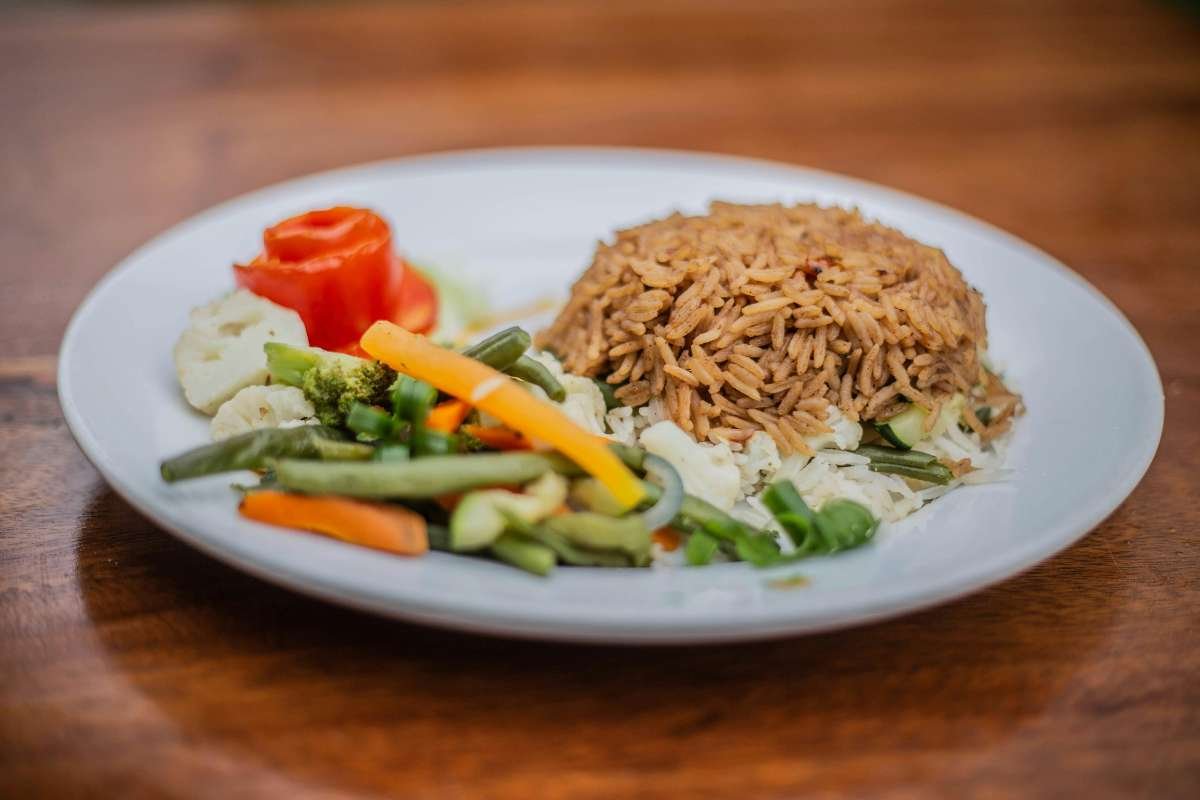
Here’s what a day on the low-calorie diet might look like:
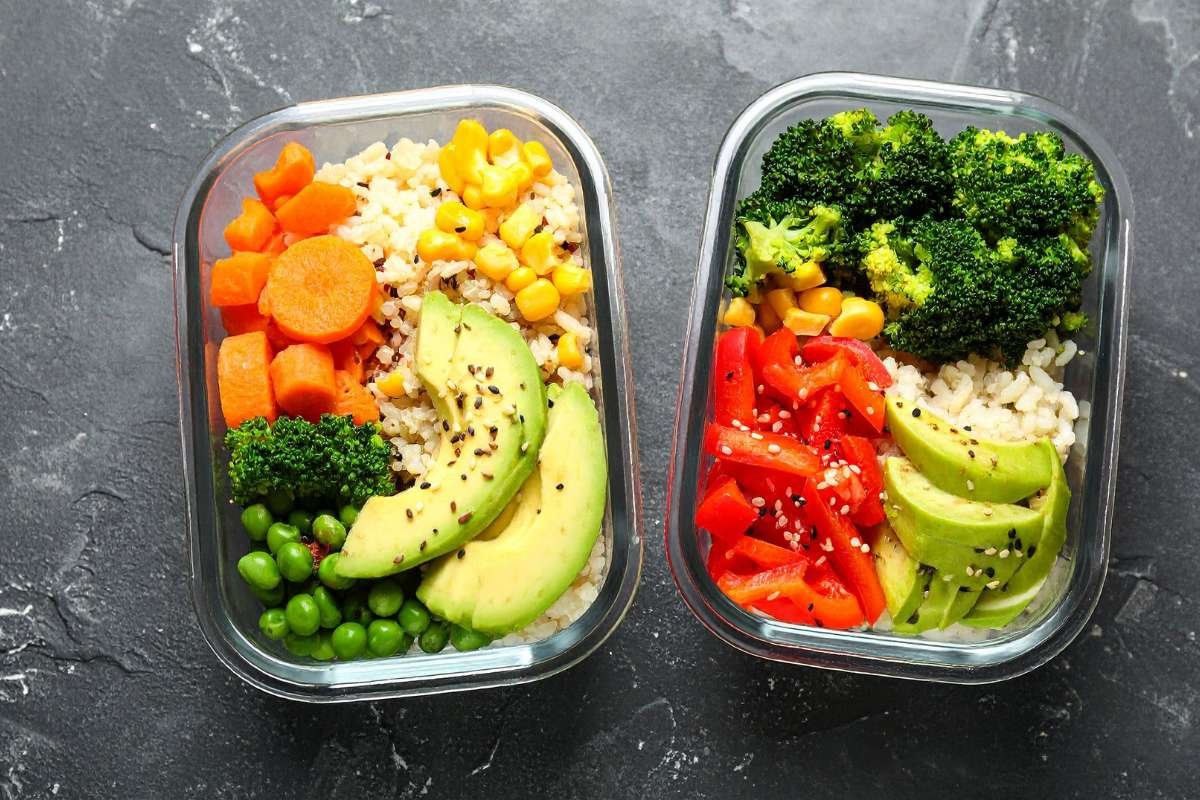
- Breakfast: A bowl of brown rice with banana slices and a sprinkle of cinnamon
- Lunch: Steamed rice with mixed vegetables and lentils
- Snack: Apple or a handful of grapes
- Dinner: White rice with grilled fish or tofu and sautéed greens
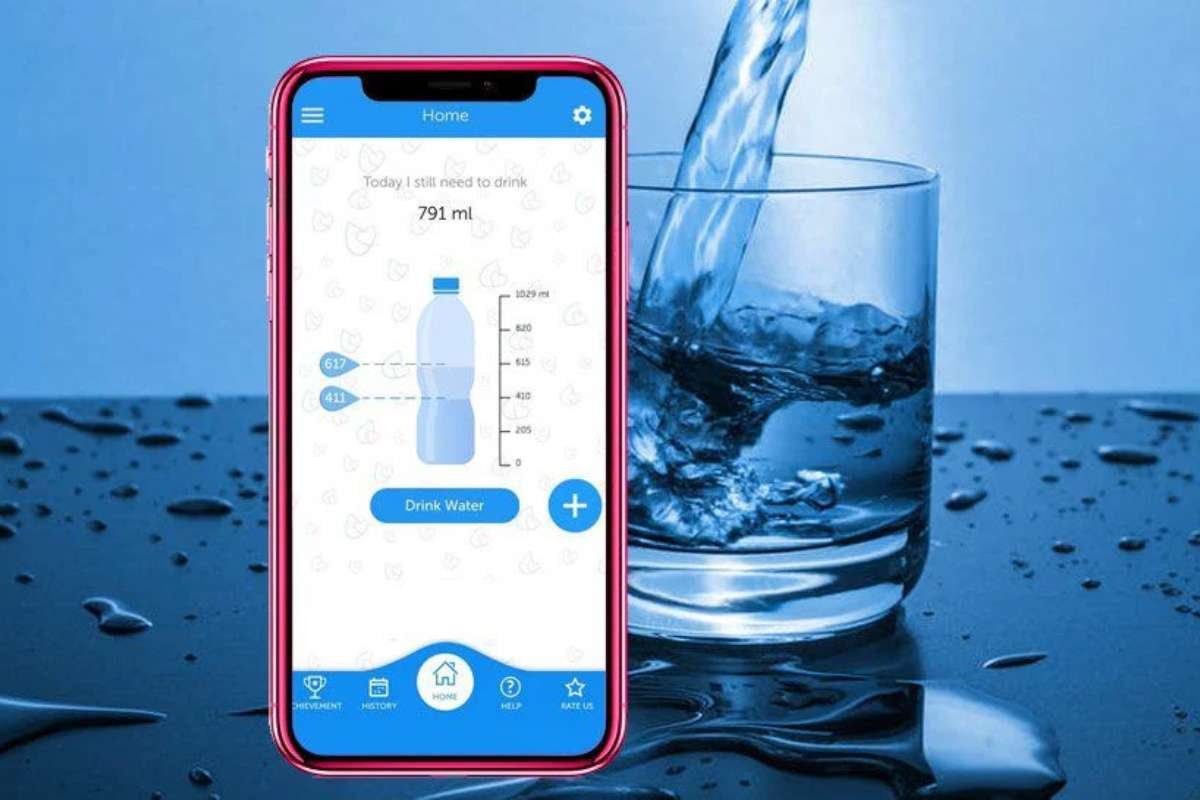
- Drink: Plenty of water, green tea, or lemon water
Simple, clean, and comforting. No exotic ingredients, no kitchen drama.
Is the Rice Diet for Everyone?
The low-calorie diet can benefit many people, especially those dealing with high blood pressure or cholesterol. However, it’s not suitable for those who need higher protein intake, such as athletes or growing teens. Always talk to your doctor before making big diet changes.
Tips to Get the Most Out of the Low-Calorie Diet
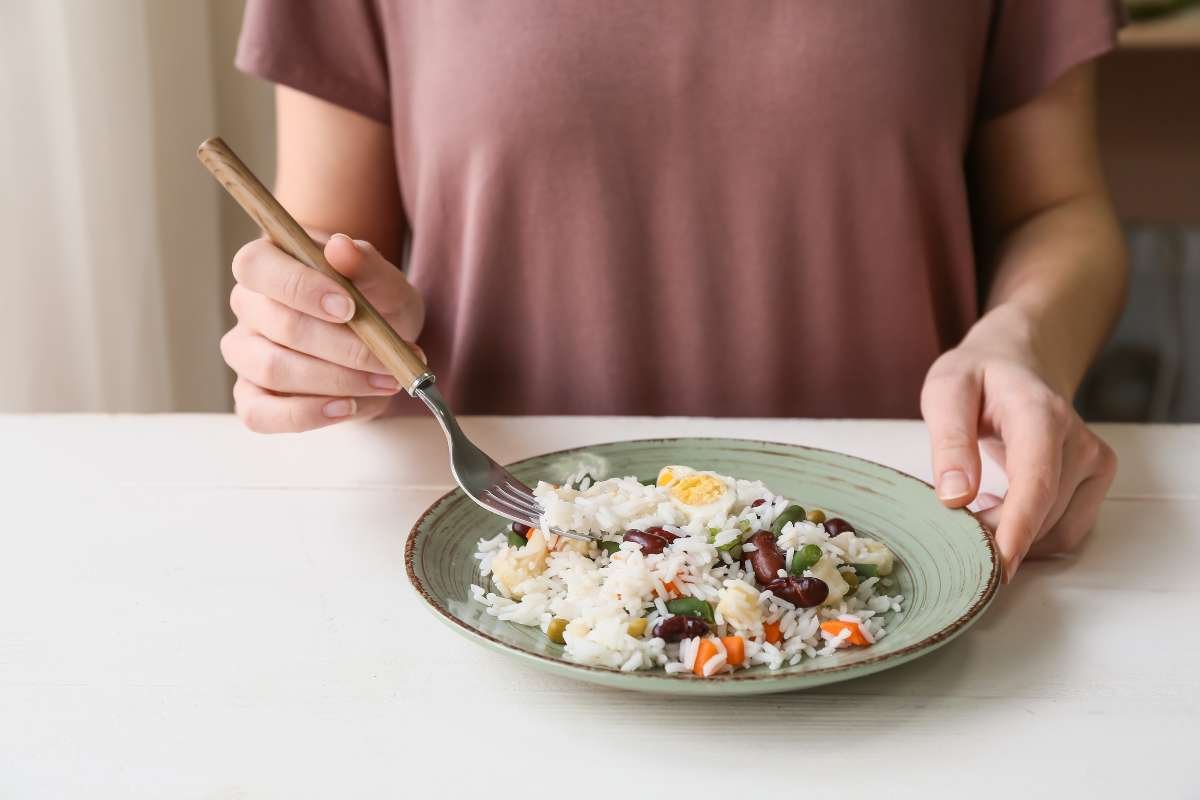
- Use brown rice instead of white rice for more fiber.
- Add fresh fruits and greens to keep meals colorful and nutrient-rich.
- Avoid processed sauces or instant mixes that add hidden sodium.
- Stay hydrated to help your body flush toxins.
- Keep a food journal to track energy levels and progress.
Why the Rice Diet Still Works in 2025?
Despite all the flashy diet trends out there, the low-calorie diet wins because it sticks to basics. It’s affordable, easy to follow, and doesn’t require supplements or strange powders. It focuses on real food, something most of us forget in our fast-paced world.
While many diets overcomplicate things, the rice diet reminds us that health doesn’t need a marketing plan; it just needs good food and consistency.
Also Read:
- White Rice: That Simple Food Changing Your Health Game
- Jasmine Rice vs White Rice: The Surprising Differences You Didn’t Know
- Is Eating Raw Rice Safe? Here’s What You Need to Know
Conclusion:
The rice diet proves that simplicity can be powerful. You don’t need a magic drink, a celebrity trainer, or a wallet-draining plan. Sometimes, the humble bowl of rice on your table can do more than any trendy health hack.
So, next time someone laughs at your plain rice plate, just smile and say, “It’s my wellness strategy.” Because real change doesn’t come from eating less, it comes from eating right. And if rice can help you feel lighter, happier, and healthier, then that’s a diet worth sticking to, one grain at a time.