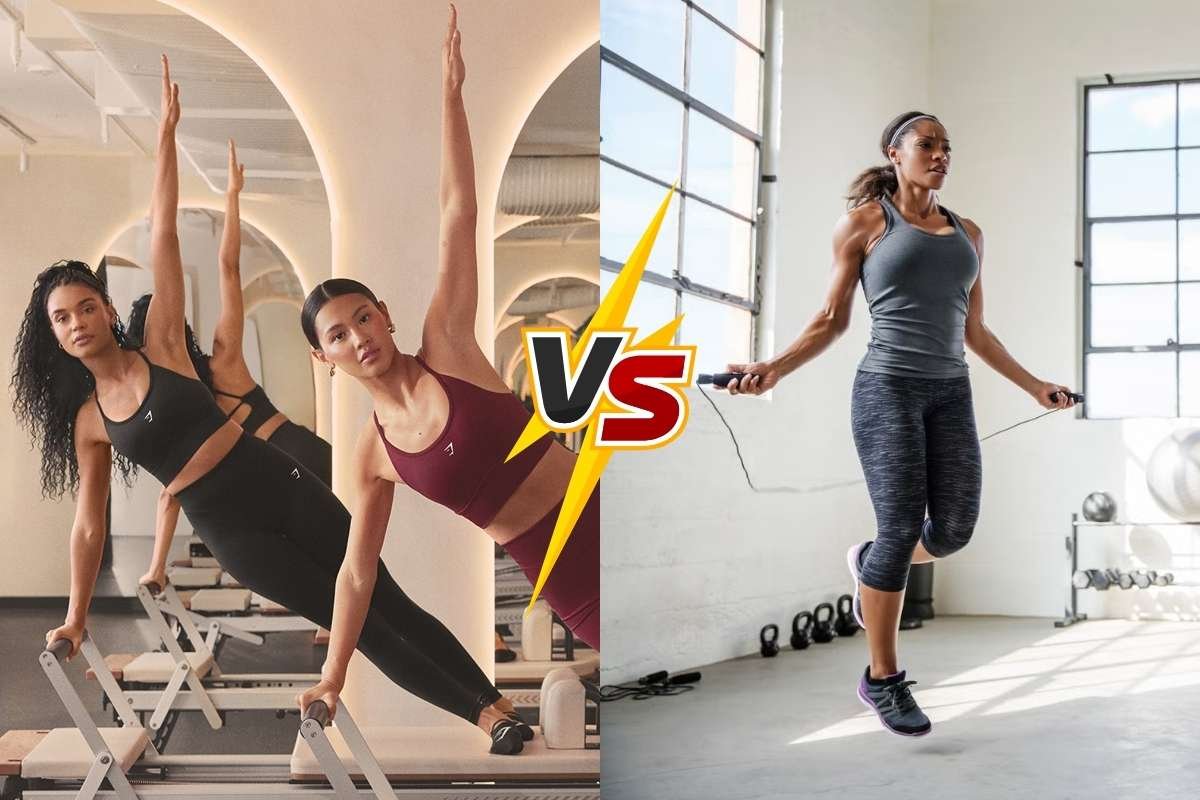
Pilates and strength training both improve fitness, but they focus on different goals. Pilates helps posture, flexibility, balance, and core control, while strength training builds muscle, power, and bone strength. Both can support fat loss and long-term health when done regularly. This guide compares their benefits, key differences, beginner suitability, and how combining both workouts may create better overall fitness results.
Many people compare Pilates vs Strength Training because both workouts can improve fitness, but they do it in different ways. Some people want to lose fat and build muscle. Others want better posture, more flexibility, or less body pain from sitting all day. That is why these two workout styles are often discussed together.
Pilates focuses more on controlled movement, balance, and core strength. Strength training focuses more on building muscle, power, and stronger bones. Both can support long-term health when done regularly.
This guide explains how each workout works, its biggest benefits, key differences, and how to choose the right one for your goals.
Understanding pilates vs. Strength training basics
When comparing Pilates vs Strength Training, it helps to first understand how each workout works. Pilates is a low-impact exercise method that focuses on core strength, posture, balance, and controlled movement. Some classes use a mat on the floor, while reformer Pilates uses a machine with springs for added resistance.
Strength training uses resistance to make muscles stronger over time. This can include dumbbells, barbells, resistance bands, gym machines, or bodyweight exercises like push-ups and squats.
Both workouts improve fitness, but in different ways. Pilates focuses more on movement and stability, while strength training focuses more on muscle and power.
Pilates benefits
- Improves posture
- Builds core strength
- Helps flexibility
Strength training benefits
- Builds muscle
- Supports bone health
- Increases body strength
Muscle growth differences in pilates vs strength training
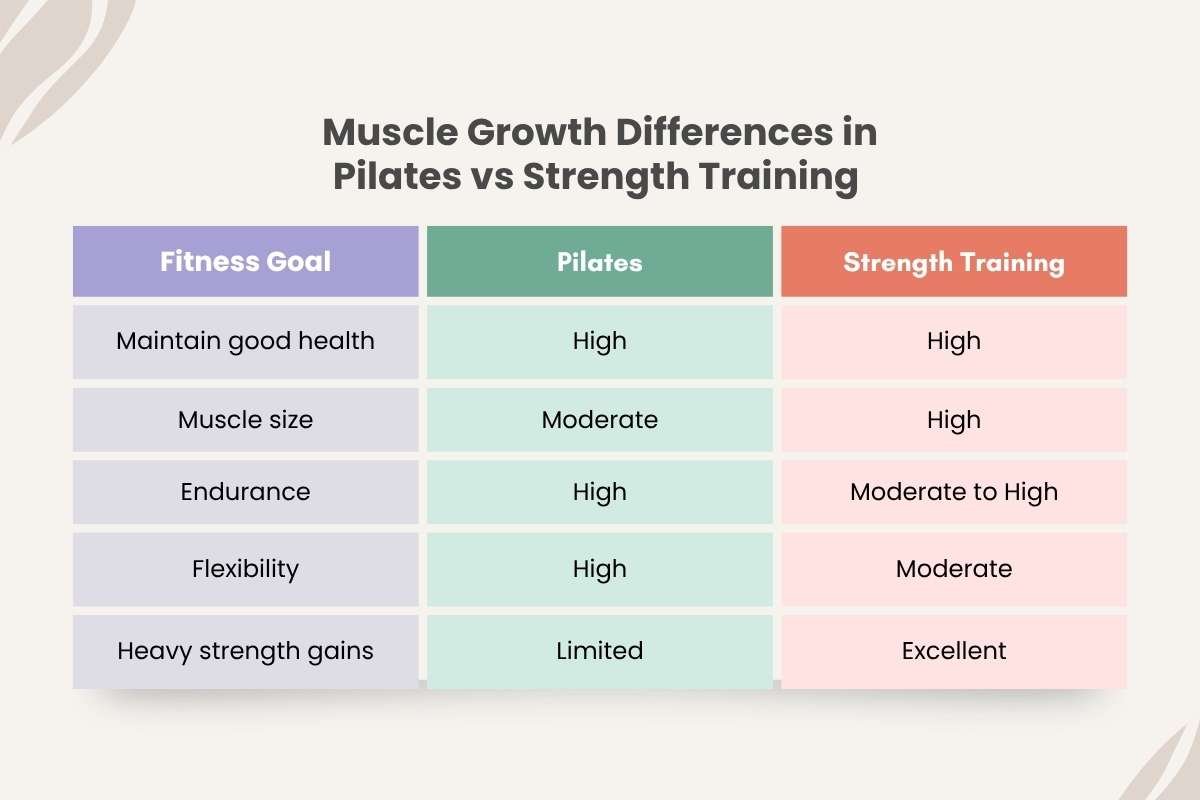
One of the biggest differences between Pilates vs Strength Training is how they build muscle. Muscle growth happens when muscles work hard and repair themselves after exercise. Over time, this makes the muscles stronger.
Strength training usually builds muscle faster because it uses progressive overload. This means slowly increasing the weight, resistance, or difficulty over time. Heavy resistance places more stress on muscles, which often leads to more visible muscle growth.
Pilates also strengthens muscles, but in a different way. It focuses more on controlled movement, muscle endurance, and core stability. Many people develop lean muscle and better muscle tone through regular Pilates workouts.
| Fitness Goal | Pilates | Strength Training |
| Core strength | High | High |
| Muscle size | Moderate | High |
| Endurance | High | Moderate to High |
| Flexibility | High | Moderate |
| Heavy strength gains | Limited | Excellent |
Fat loss results from pilates vs strength training workouts
Both workouts can help with fat loss when paired with healthy eating habits. Strength training often burns more calories over time because muscle tissue uses more energy, even while the body is resting. This may help support metabolism and body weight management.
When comparing calorie burn in Pilates vs Strength Training, strength workouts usually have a bigger effect on muscle growth, while Pilates may help people stay active more consistently because it is lower impact and easier on the joints.
Consistency matters more than fitness trends. A workout only helps if a person can follow it regularly for months, not just a few weeks.
Simple fat loss tips
- Eat enough protein
- Walk daily
- Sleep 7 to 9 hours
- Stay active during the day
- Avoid skipping meals often
Both workout styles can support healthy weight loss in different ways.
Flexibility and mobility benefits compared
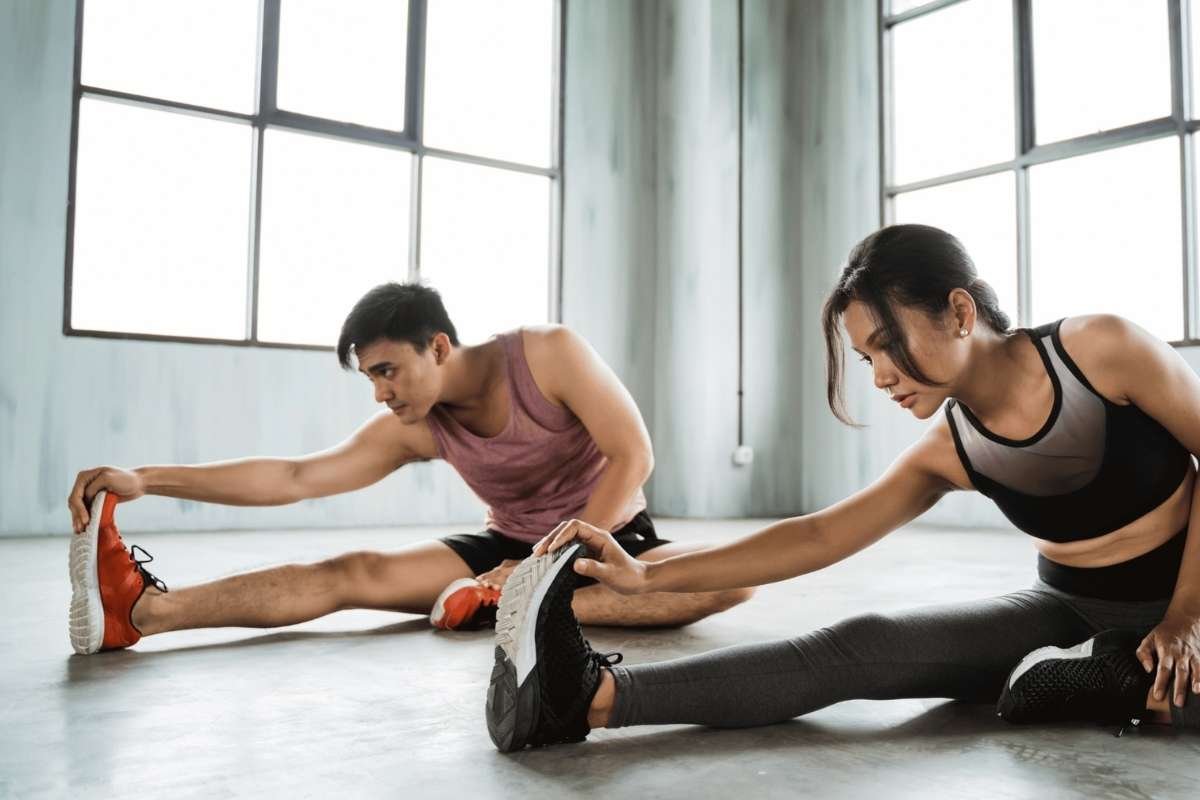
Flexibility means how easily muscles can stretch and move. Mobility means how well joints move without pain or stiffness. Both are important for daily movement and long-term health.
Pilates is known for improving posture, balance, and body control. Many exercises focus on slow movement and stretching, which may help reduce tight muscles from long hours of sitting.
Strength training can also improve movement when exercises are done with proper form and full range of motion. Deep squats, lunges, and overhead movements can help the body stay mobile and strong.
Many desk workers add stretching or Pilates classes to help with stiff hips, tight shoulders, and poor posture. This is one reason Pilates vs Strength Training is often discussed together in fitness plans.
Choosing between pilates vs strength training as a beginner
Both workouts can work well for beginners, but they feel very different at the start. Pilates uses slow, controlled, low impact movements that are often easier on the joints. Many beginners like Pilates because the exercises focus on balance, posture, and body control instead of heavy lifting.
Strength training may take more time to learn because beginners must understand exercise form, gym equipment, and resistance levels. Some people also feel nervous in a gym environment at first.
Still, both workout styles are generally safe when exercises are taught correctly and done with proper form. The better choice depends on personal goals, comfort level, and physical condition.
Pilates may suit:
- Older adults
- Injury recovery
- Joint pain
- Posture improvement
Strength training may suit:
- Muscle gain goals
- Athletes
- Bone health support
- Faster strength increases
Can you combine pilates and strength workouts?
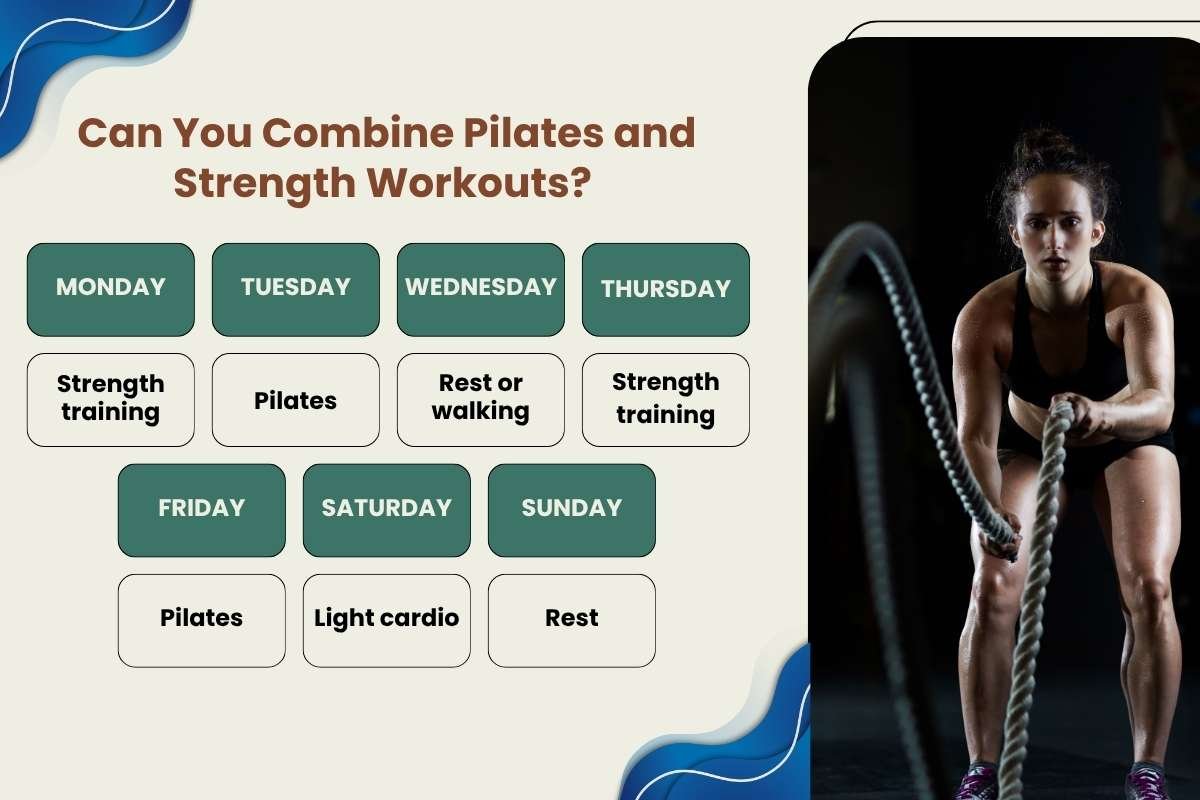
Yes. Many people now combine both workout styles during the same week. This type of hybrid routine can improve strength, flexibility, balance, and recovery at the same time.
Strength workouts help build muscle and physical power. Pilates helps improve posture, movement control, and mobility. Together, they can create a more balanced fitness plan and may help lower the risk of overuse injuries.
Many trainers recommend mixing both methods because the body benefits from different types of movement. Pilates days can also feel easier on the joints after heavy lifting sessions.
| Monday | Tuesday | Wednesday | Thursday | Friday | Saturday | Sunday |
| Strength training | Pilates | Rest or walking | Strength training | Pilates | Light cardio | Rest |
Common mistakes people make
Many people choose workouts based only on calorie burn. While calories matter, fitness also includes strength, movement, posture, and long term health. Another common mistake is ignoring recovery. Muscles need time to rest and repair after exercise.
Poor exercise form can also increase the risk of pain or injury, especially during heavy lifting or fast movements. Some people also follow fitness trends without thinking about their own goals or lifestyle.
The best workout plan is usually one that feels realistic, safe, and easy to follow consistently over time.
Final thoughts on pilates vs strength training
Both workouts can improve health, fitness, and daily movement, but they do it in different ways. Pilates focuses more on posture, flexibility, balance, and core control. Strength training focuses more on muscle growth, physical strength, and bone support.
There is no single winner because different people have different fitness goals. Some may want stronger muscles and faster body changes. Others may care more about flexibility, recovery, or lower-impact movement.
For many people, the best approach is a mix of both styles. Combining workouts can help create better balance, movement, and long term results. That is why Pilates vs Strength Training is not always about choosing one over the other.
Frequently asked questions
1. Is Pilates vs Strength Training enough to stay fit?
Yes, both workouts can support overall fitness by improving strength, posture, flexibility, and balance.
2. Can Pilates replace weight training?
Pilates can improve muscle tone, but weight training is usually better for major muscle and strength gains.
3. Which burns more calories?
Strength training often burns more calories over time because muscle increases energy use.
4. Is Pilates good for belly fat?
Pilates helps strengthen the core, but fat loss mainly depends on diet and overall activity.
5. Can older adults do Pilates vs Strength Training safely?
Yes, older adults can safely do both workouts with proper guidance, suitable exercises, and correct form.