Fragrances have long been linked to self-expression, beauty, and confidence. It’s generally accepted that a quick spritz before leaving is harmless. Even necessary for contemporary grooming. However, a lot of people are still ignorant of the fact that prolonged exposure to chemical fragrances can occasionally result in major health issues. One such danger is perfume poisoning, which happens when harmful components in fragrances enter the body through the skin, food, or air.
Despite being uncommon, this problem merits consideration because perfumes contain intricate chemical combinations that can cause reactions in sensitive people. You don’t have to give up your favorite scent just because you understand the risks. It just entails using products with greater awareness.
What Is Perfume Poisoning?
Perfume Poisoning refers to harmful physical reactions caused by exposure to fragrance chemicals. These reactions can range from mild irritation to severe toxicity, depending on the amount and method of exposure.
Perfumes typically include alcohol, essential oils, synthetic aroma compounds, stabilizers, and preservatives. While regulatory bodies monitor cosmetic safety, not every ingredient affects individuals the same way. Children, pets, older adults, and people with respiratory conditions tend to be more vulnerable.
Most cases occur accidentally, such as when a child drinks perfume due to its appealing bottle design or when someone inhales large amounts in a poorly ventilated area.
Common Ingredients That Can Cause Harm

Many fragrances are safe when used correctly, yet certain chemical components have the potential to cause adverse effects.
1. Ethanol
Alcohol forms the base of most perfumes. Ingestion can lead to symptoms similar to alcohol poisoning, including confusion, vomiting, and slowed breathing.
2. Phthalates
These chemicals help fragrances last longer. Some research suggests prolonged exposure may disrupt hormonal balance, although studies are ongoing.
3. Synthetic Musk Compounds
Used to create long-lasting scents, these compounds can accumulate in the body over time.
4. Essential Oils in High Concentrations
Natural does not always mean harmless. Highly concentrated oils can irritate the skin or trigger allergic reactions.
Awareness of ingredients empowers consumers to make safer choices without unnecessary fear.
Symptoms You Should Never Ignore
Recognizing early warning signs can prevent complications. Perfume Poisoning may present differently depending on the exposure type.
Respiratory Symptoms
- Difficulty breathing
- Wheezing
- Chest tightness
- Persistent coughing
Neurological Effects
- Headaches
- Dizziness
- Confusion
- Drowsiness
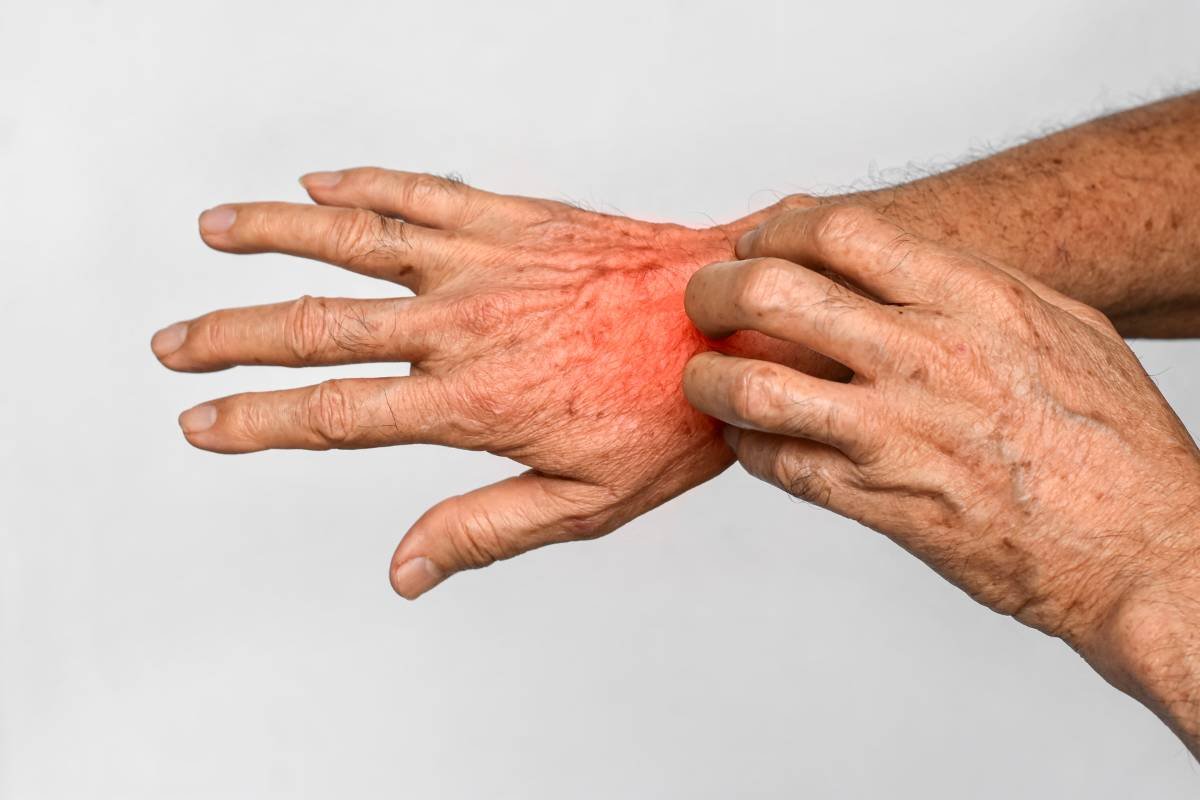
Skin Reactions
- Redness
- Burning sensation
- Itching
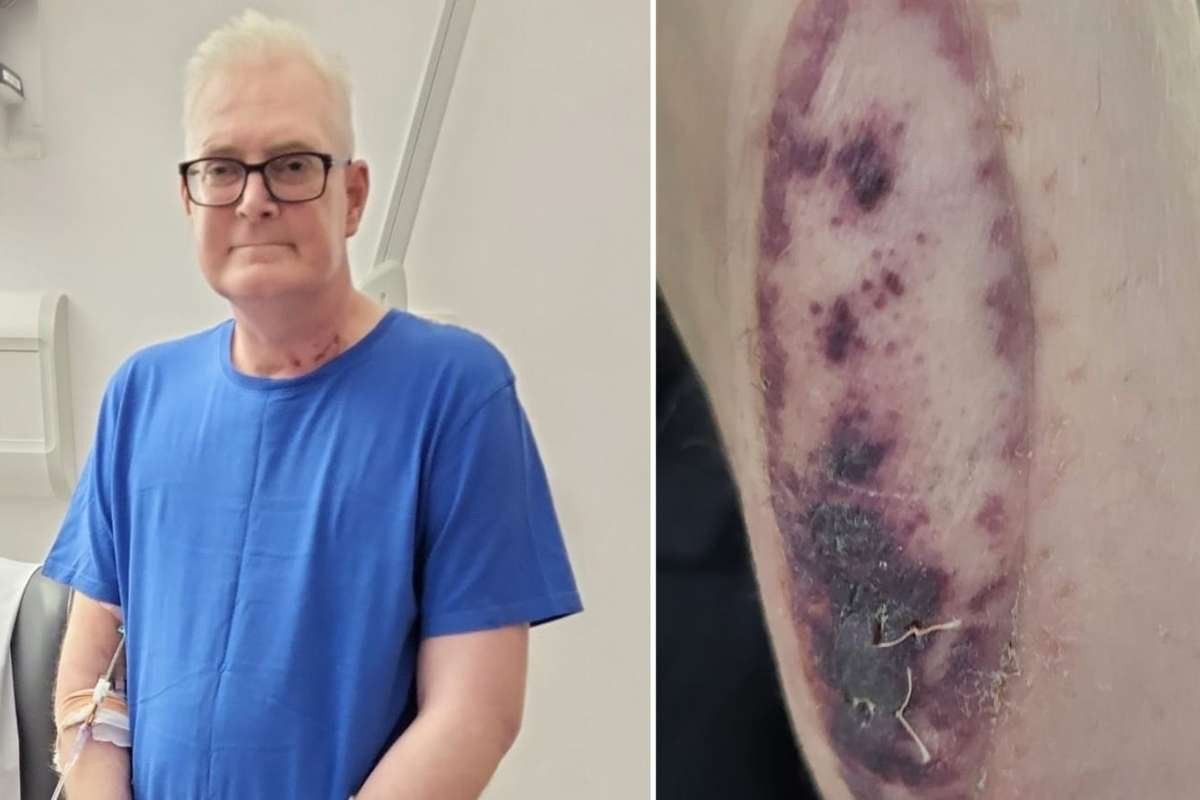
- Blistering in severe cases
Gastrointestinal Issues
- Nausea
- Vomiting
- Stomach pain
If symptoms escalate quickly or involve breathing difficulty, seeking medical attention immediately is critical.
Who Is Most at Risk?

While anyone can experience fragrance-related toxicity, some groups face higher susceptibility.
Children: Bright packaging and pleasant smells may encourage accidental swallowing.
Individuals with Asthma: Strong scents can act as respiratory triggers.
Pregnant Women: Hormonal changes often heighten sensitivity to odors.
Pets: Animals process chemicals differently, making them more prone to toxic reactions.
Households should treat perfumes with the same caution as other chemical products — stored safely and used responsibly.
How Exposure Happens
Many people assume danger only exists if perfume is swallowed, but exposure can occur in multiple ways.
Inhalation
Spraying excessive fragrance in enclosed spaces can concentrate airborne chemicals.
Skin Absorption
Repeated application to sensitive skin may allow compounds to enter the bloodstream.
Accidental Ingestion
This is the most serious route and often requires immediate medical evaluation.
Understanding these pathways helps reduce unnecessary risk without creating alarm.
What To Do If Exposure Occurs
If you suspect Perfume Poisoning, quick action can significantly reduce harm.
Move to Fresh Air: If symptoms follow heavy fragrance exposure, step outside or open windows.
Wash the Skin: Remove contaminated clothing and rinse the affected area with mild soap.
Do Not Induce Vomiting: If perfume is swallowed, avoid forcing vomiting unless instructed by a medical professional.
Call Poison Control or Seek Medical Help: Professionals can guide next steps based on the specific product and amount involved.
Timing matters — early intervention often prevents complications.
Smart Prevention Strategies
The best protection is thoughtful usage rather than complete avoidance.
Choose Safer Formulations
Look for fragrance products labeled phthalate-free or designed for sensitive skin.
Apply Moderately
More is not better. A small amount reduces chemical load while still delivering scent.
Improve Ventilation
Spray perfumes in open spaces whenever possible.
Store Securely
Keep bottles out of reach of children and pets.
Test Before Regular Use
Patch testing helps identify allergies before full application.
These habits allow you to enjoy fragrance while minimizing health concerns.
Natural vs. Synthetic: Is One Safer?
A growing number of consumers are turning toward natural perfumes, assuming they pose fewer risks. However, plant-based ingredients can still provoke allergic reactions or irritation.
Safety depends less on whether a fragrance is natural or synthetic and more on concentration, formulation quality, and individual sensitivity. Transparency from reputable brands often matters more than marketing claims.
Rather than chasing “perfectly safe” products, focus on informed selection and responsible application.
When To See a Doctor
Mild irritation may resolve on its own, but certain symptoms require professional care:
- Trouble breathing
- Severe vomiting
- Loss of consciousness
- Persistent rash
- Seizures
Medical providers may administer oxygen, IV fluids, or other supportive treatments depending on severity.
Remember — it is always better to err on the side of caution.
The Psychology of Fragrance Overuse

Interestingly, scent is closely tied to memory and emotional processing. People often apply more fragrance than necessary because they become “nose-blind,” meaning their brain stops detecting a familiar smell.
This sensory adaptation can lead to over-application without realizing it. Increasing the likelihood of Perfume Poisoning in confined environments such as offices, airplanes, or elevators.
Being mindful of this tendency encourages healthier habits for both the wearer and those nearby.
Creating a Safer Fragrance Culture
Public awareness around chemical exposure has grown significantly in recent years. Many workplaces and healthcare facilities now promote fragrance-free policies to protect individuals with sensitivities.
This shift is not about eliminating perfume. It is about balancing personal preference with shared environments.
Small changes in behavior can collectively reduce health risks while maintaining freedom of expression.
Conclusion
A beloved aspect of everyday life, perfume elevates mood and strengthens identity. However, it must be used responsibly, just like many other chemical-based products. Gaining an understanding of perfume poisoning gives you the ability to spot warning signs, react appropriately, and avoid needless exposure.
To stay safe, you don’t have to give up your scent. Smart storage, awareness, and moderation are key. You can keep enjoying your signature scent without endangering your health by treating perfume with the same consideration as other household chemicals.
In the end, wise decisions turn fragrance from a secret danger into a fun and safe custom.