Key Takeaway:
- Massachusetts is dropping oral rabies vaccine baits by helicopter to vaccinate wildlife.
- Officials report a mild rise in rabies cases, particularly on the South Shore.
- Residents should vaccinate pets, keep dogs leashed and seek prompt care after possible exposure.
Massachusetts wildlife officials are using helicopters to distribute 75,000 oral rabies vaccine baits across Cape Cod and southeastern Massachusetts to reduce rabies among raccoons, foxes and other wildlife, echoing broader global vaccination efforts to curb preventable disease.
Helicopters spread vaccines across wildlife areas
The Cape Cod and Southeast Massachusetts Rabies Task Force is coordinating the effort with the U.S. Department of Agriculture’s Wildlife Services and state health officials. The 2026 campaign is scheduled to distribute vaccine baits by helicopter, vehicle and bait station from mid-September through mid-October.
The USDA says the Cape Cod project covers parts of peninsular and mainland Massachusetts and includes 75,000 oral rabies vaccine baits. Helicopters are being used in areas where the baits can reach wildlife while avoiding locations frequented by people and domestic animals.
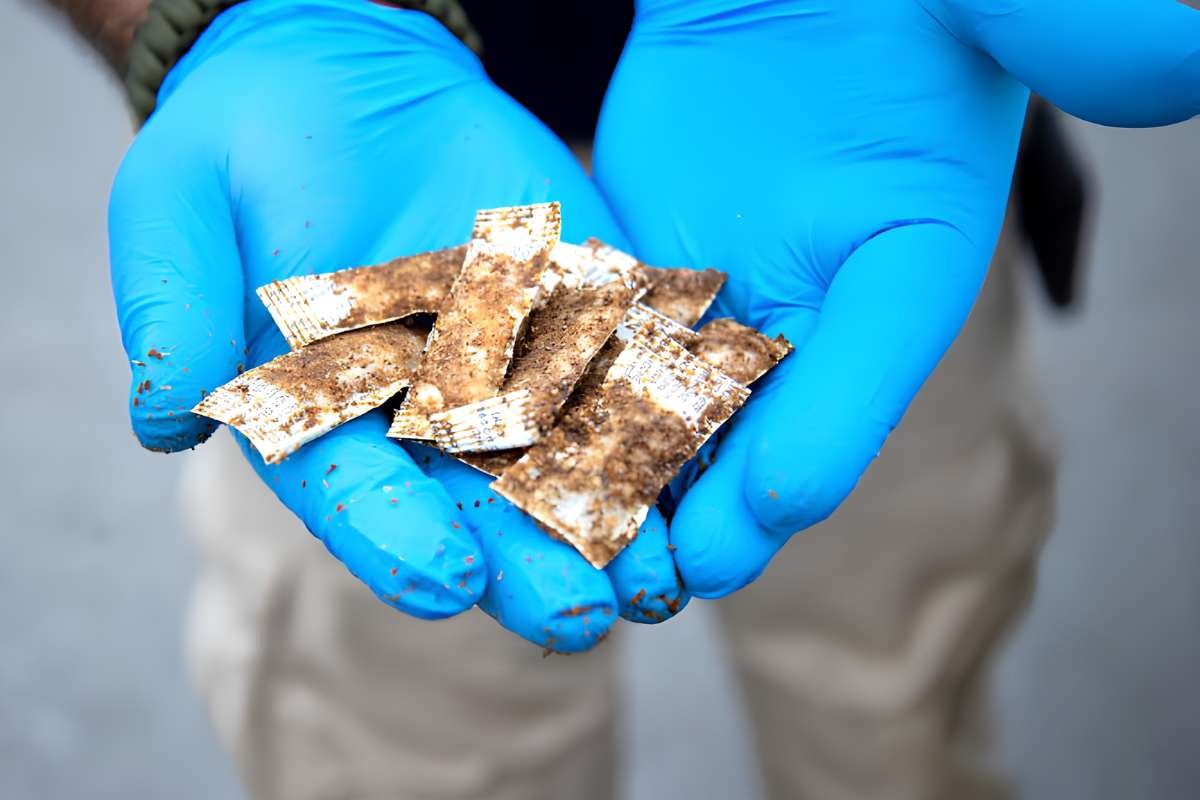
The vaccine is packaged in bait designed to attract animals that can carry rabies, particularly raccoons. The goal is to increase immunity among wildlife and reduce the spread of the virus.
“This year has been particularly busy,” said Zak Mertz, executive director of the Birdsey Cape Wildlife Centre and co-chair of the Cape Cod and Southeast Massachusetts Rabies Task Force.
Wildlife experts track rabies in Massachusetts
Mertz said the South Shore has experienced a mild increase in positive rabies cases compared with previous years. He attributed the trend in part to growing populations of animals that commonly carry the disease.
“The idea is to sort of work methodically starting with the Cape and push outward to work to eliminate the virus systematically,” Mertz said.
Rabies is primarily spread through bites or scratches from infected animals. The CDC says bats, skunks, raccoons and foxes are among the animals most frequently found with rabies in the United States. The disease is nearly always fatal after symptoms begin, but prompt medical treatment after exposure can prevent it.
Massachusetts communities have continued to report encounters involving potentially rabid wildlife. Recent cases include a confirmed rabid fox attack on a child in Worcester, and other reported fox encounters, highlighting the risk posed by infected animals behaving unusually.
Officials urge pet owners to stay alert
Health officials are encouraging residents to keep dogs leashed, make sure pets are vaccinated and contact a veterinarian promptly after a possible exposure. People who are bitten or scratched by a potentially rabid animal should seek medical attention immediately because post-exposure treatment must begin before symptoms develop.
The vaccine baits are not considered harmful to people or pets if encountered. Officials nevertheless ask residents to leave the packets for wildlife and keep pets from taking them.
Mertz said the effort is not a reason for residents to panic but should reinforce the need for caution around wildlife.
“It’s no reason to panic, but it’s a good reminder that rabies is out there,” Mertz said.
The oral vaccination program is part of a broader effort to contain terrestrial rabies in Cape Cod and southeastern Massachusetts, where state and local agencies have coordinated wildlife vaccination campaigns for years, following prevention guidance from the CDC.