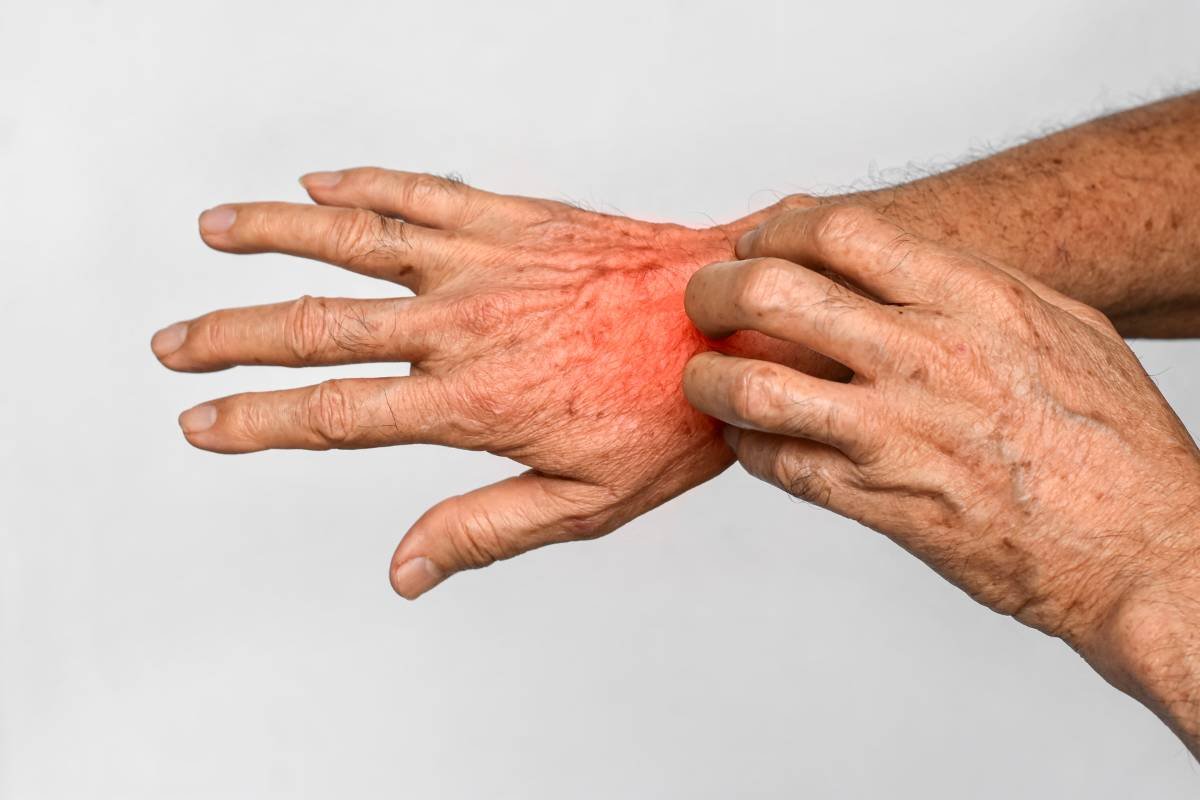
The pursuit of outdoor serenity often comes with a tiny, itchy price tag, leading many to search for natural remedies for bug bites. A bug bite is more than just a momentary sting; it is the body’s dramatic response to a microscopic invasion. Think of the mark as a small, localized skirmish where your immune system acts as the valiant general, responding to the saliva or venom left behind by an insect.
Whether you’ve been marked by a stealthy mosquito or surprised by a defensive spider, the result is the same: redness, swelling, and that persistent, maddening itch. This reaction is caused by irritants injected during the bite. They turn a simple patch of skin into a temporary battlefield. When the itching intensifies, you need effective, soothing solutions. That is where we turn our attention to the power of natural remedies for bug bites.
In this blog, we shall take a look at the best remedies for bug bites found in nature.
7 Types of Natural Remedies for Bug Bites and their purposes:
There are seven types of natural remedies you can use for bug bites. Each of them has a different application and use.
Here’s an overview:
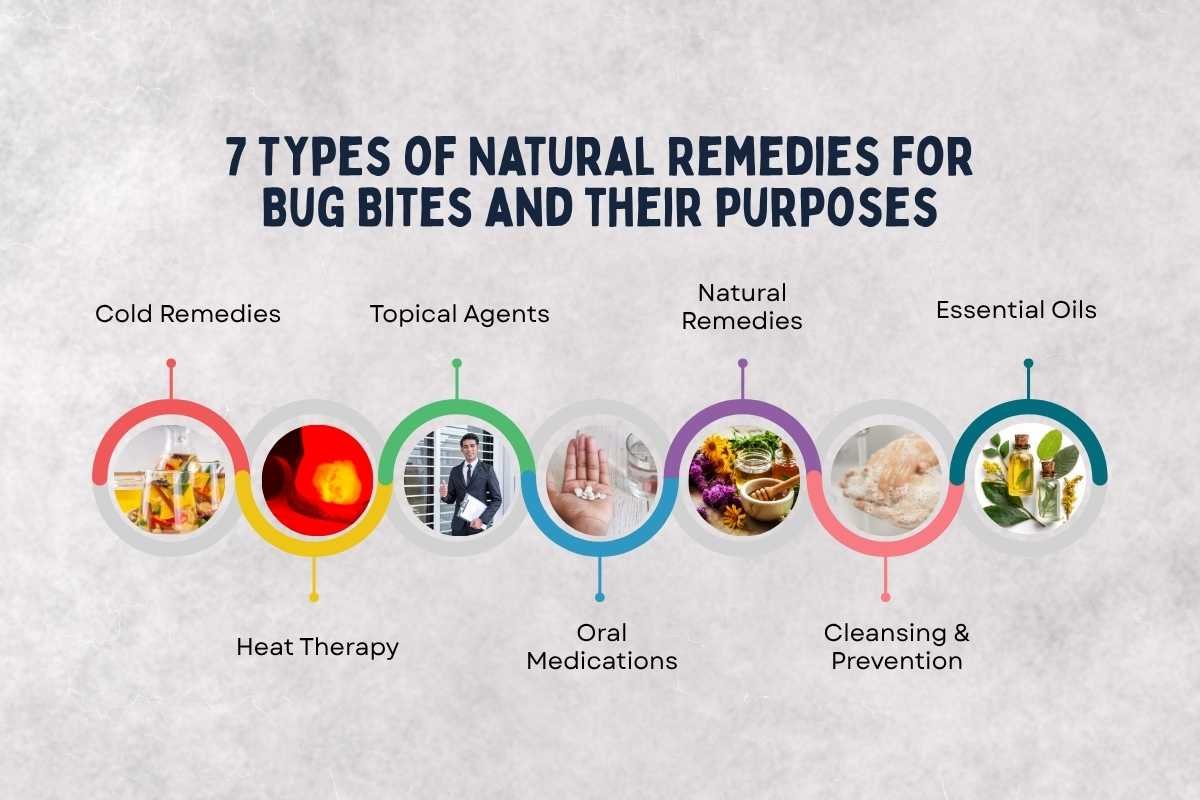
| Remedy Type | Examples | Main Benefit |
|---|---|---|
| Cold Remedies | Ice packs, cold compress | Reduces swelling, numbs pain |
| Topical Agents | Calamine, hydrocortisone, aloe vera | Soothes itch, eases inflammation |
| Natural Remedies | Oatmeal, honey, chamomile, basil | Anti-inflammatory, antibacterial |
| Essential Oils | Tea tree, peppermint (diluted) | Antiseptic, calming, repellent |
| Heat Therapy | Warm compress, heated spoon | Reduces itch by altering nerve signals |
| Oral Medications | Antihistamines | Controls allergy, swelling |
| Cleansing & Prevention | Soap, water, repellents | Prevents infection, future bites |
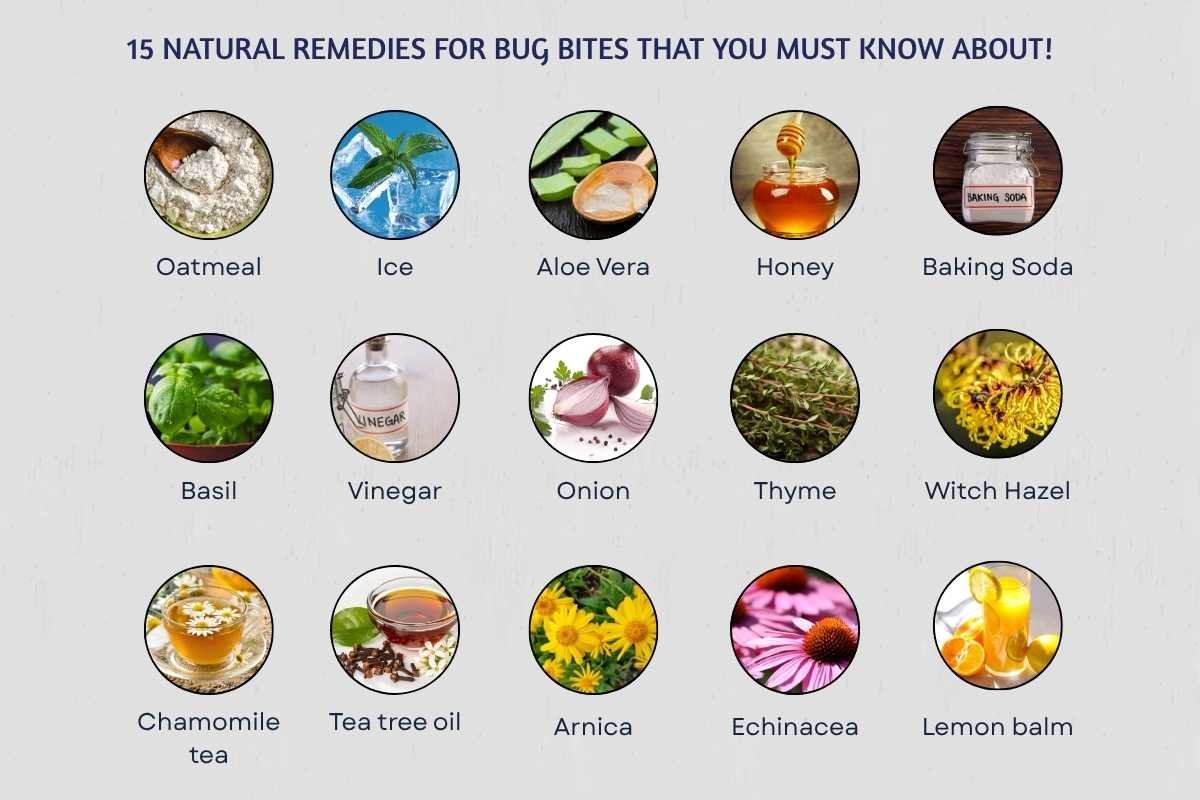
Now that you know the types of natural remedies for bug bites, let’s look at 15 natural remedies that are known to work for bug bites.
15 Natural Remedies for Bug Bites that you must know about!
Here are at-home remedies for bug bites. These are based on the review and research work of dermatologists and medical experts.
1. Oatmeal
According to a study, Oats contain avenanthramides and polyphenols. These compounds are known to have anti-inflammatory and anti-itch properties. This makes oatmeal a great natural remedy for bug bites.
If you feel an itchy and burning sensation from a bug bite, use oatmeal to get rid of the pain. It is simple, quick, and easily accessible.
How to apply:
- Prepare the Oatmeal: Take plain, unflavored rolled oats and grind them into a very fine powder (colloidal oatmeal) using a blender, food processor, or coffee grinder.
- Make the Paste: Mix approximately equal parts of the powdered oatmeal and warm water in a small bowl. Stir until you form a thick, sticky paste that holds its shape.
- Apply to the Bite: Dab a generous amount of the paste directly onto the bug bite, ensuring the entire area is covered.
- Compress and Wait: Hold the paste in place with a clean, cool, and damp washcloth.
- Rinse Off: Leave the compress on for about 10 to 15 minutes to allow the soothing compounds to work, then gently rinse the paste off with cool water and pat the skin dry.
2. Ice
This is the most obvious among the natural remedies for bug bites. Ice is good for controlling inflammation and offering some relief from your pain. Applying crushed ice or a cold compress reduces swelling and numbs the area for pain relief.
It is a quick, easily accessible pain relief for all types of insect bites and poisonings.
How to apply:
- Prepare the Compress: Wrap ice or a cold pack in a thin cloth (never apply ice directly to skin).
- Apply to the Area: Gently press the wrapped compress onto the bug bite.
- Hold and Elevate: Leave on for 10 to 20 minutes. Elevating the affected limb helps minimize swelling.
- Remove and Repeat: Take a break, then reapply every hour or as needed for continued relief.
3. Aloe Vera
A review on Pharmacological Update published in 2020 highlights that aloe vera and its active compounds (such as aloesin, aloin, and emodin) help protect the skin through antioxidant and anti-inflammatory mechanisms.
These compounds reduce inflammation by inhibiting inflammatory cytokines and promote skin healing by increasing cell proliferation and collagen production.
How to apply:
- Clean the Area: Wash the bite gently with soap and cool water, then pat dry.
- Obtain the Gel:
- Fresh Plant: Drain the yellow resin, slice the leaf, and scoop the clear gel.
- Bottled Gel: Use a small amount of pure gel (refrigerate for extra cooling).
- Apply the Gel: Gently rub a thin, even layer directly onto the swollen/itchy bite.
- Let it Dry: Allow the gel to air dry before covering.
4. Honey
A 2021 review supports honey as an effective bug bite remedy, promoting healing by maintaining a moist wound environment and reducing inflammation. Honey’s glucose oxidase enzyme produces hydrogen peroxide, enhancing its bacterial-fighting action. It makes medical-grade honey useful for infection control against antibiotic-resistant bacteria like MRSA.
How to apply:
- Clean the Area: Wash the bite with soap and water; remove any stinger first by scraping sideways (do not squeeze).
- Pat Dry: Gently pat the skin dry.
- Apply Honey: Dab a small amount of pure, raw, or Manuka honey directly onto the bite.
- Cover (Optional): Cover with a loose bandage to avoid stickiness or attracting insects.
- Leave and Reapply: Leave the honey on for up to an hour, and reapply as needed throughout the day.
5. Baking Soda
CDC advises mixing one tablespoon of baking soda with just enough water to form a paste. Apply this paste to the bug bite for about 10 minutes before washing it off. It can neutralize the acidic venom or irritants injected by the bite.
When mixed with water to create a paste and applied to the bite, baking soda can soothe irritated skin and alleviate discomfort.
How to apply:
- Prepare the Bite Area: Gently wash the area with soap and water, then pat dry.
- Make the Paste: Mix 1 tablespoon of baking soda with enough water (approx. 3:1 ratio) to create a thick paste.
- Apply the Paste: Dab generously onto the bug bite to cover it completely.
- Allow it to Work: Let the paste sit for about 10 minutes.
- Rinse Off: Rinse the paste off with cool water and pat dry.
6. Basil
Basil has antioxidants and anti-inflammatory properties. If you apply the leaves to the bug bites, you will feel instant relief from the burning sensation and a soothing coolness in the affected area.
The leaves also contain essential oils with compounds like eugenol. This compound is known to have anti-inflammatory and analgesic (pain-relieving) properties that can help soothe bug bites.
How to apply:
- Select and Clean Leaves: Pick and wash 2-4 fresh basil leaves.
- Prepare the Bite Area: Wash the bite gently with soap and water, and pat dry.
- Crush the Leaves: Crush or finely chop the leaves to release essential oils.
- Apply the Crushed Basil: Gently rub the resulting pulpy mass directly onto the bite.
- Allow it to sit: Leave it on for 10 to 15 minutes.
- Rinse Off: Remove the basil and rinse the area with cool water.
7. Vinegar (apple cider or white)
Vinegar is one of the most popular natural remedies for bug bites. Its acidic properties help neutralize the alkaline compounds found in insect saliva. This neutralization can reduce itching, stinging, and inflammation caused by the bite.
Apple cider vinegar contains acetic acid. This acts as a natural antiseptic that helps cleanse the skin and prevent infection, especially if scratching has compromised the skin barrier.
How to use:
- Clean the Area: Wash the bite with soap and water, then pat dry.
- Dilute the Vinegar: Mix equal parts Apple Cider Vinegar (ACV) or White Vinegar and cool water.
- Apply a Small Amount: Dab the solution onto the bite using a cotton ball.
- Hold as a Compress (Optional): Hold a soaked cotton pad on the bite for 5–10 minutes for intense itching.
8. Onion
If you can handle the smell, onion is one of the best natural remedies for bug bites found in your home.Onions contain compounds such as the flavonoid quercetin, which is known for its antimicrobial and anti-inflammatory effects.
The fresh juice from a cut onion bulb may help reduce the sting, irritation, and redness associated with insect bites. The compounds in onions can soothe the skin and prevent infection from scratching or secondary contamination.
How to apply:
- Clean the Area: Wash the bite with soap and cool water, then pat dry.
- Cut the Onion: Slice a fresh, thick piece of raw onion large enough to cover the bite.
- Apply Directly to the Bite: Press the freshly cut, fleshy side of the onion slice onto the bite and hold it.
- Allow the Juice to Work: Keep the onion on for 5 to 10 minutes until you feel relief.
- Rinse the Skin: Wash the area again with soap and water to remove odor and juice.
9. Thyme
Thyme is a well-documented herb with broad medicinal properties. Its essential oil contains compounds like thymol and carvacrol that offer strong antimicrobial activity. These components help reduce inflammation and itching by inhibiting inflammatory pathways in the skin.
Additionally, thyme has insecticidal properties, helping to repel pests. Applying thyme leaves or diluted oil to a bite can soothe the sting, reduce redness, and lower infection risk.
How to apply:
- Clean the Area: Wash the bite with mild soap and cool water, then pat dry.
- Crush the Leaves: Take a small bunch of fresh thyme and finely crush it into a moist paste.
- Apply the Paste: Rub the crushed thyme paste directly onto the insect bite.
- Let it Rest and Rinse: Leave it on for about 10 minutes, then rinse the area clean with water.
10. Witch Hazel
Witch hazel is a natural astringent derived from the bark and leaves of the Hamamelis virginiana shrub. It is widely used for its anti-inflammatory, antioxidant, and antimicrobial properties.
Scientifically, witch hazel contains bioactive compounds such as tannins, which help reduce swelling by constricting blood vessels. It also has flavonoids and gallic acid that contribute to its soothing effects on inflamed or irritated skin, like that caused by bug bites.
How to apply:
- Clean the Bite: Wash the area with mild soap and cool water, then pat dry.
- Saturate Applicator: Soak a clean cotton ball or pad with liquid witch hazel.
- Apply directly to the Bite: Gently dab the witch hazel onto the bug bite.
- Allow to Air Dry: Let the area air dry completely.
11. Chamomile tea
Chamomile tea is scientifically supported as an effective natural remedy for insect bites. It is known due to its anti-inflammatory, antioxidant, and skin-soothing properties. The active compounds in chamomile, including chamazulene, bisabolol, and apigenin, have been shown to reduce inflammation.
They inhibit pro-inflammatory cytokines such as interleukin-6 (IL-6) and tumor necrosis factor-alpha (TNF-α). These actions help to decrease swelling, redness, and itching caused by bug bites.
How to apply:
- Steep and Cool: Steep one chamomile tea bag in hot water for 20 minutes. Squeeze out excess liquid.
- Chill the Tea Bag: Refrigerate the wet tea bag until thoroughly chilled.
- Apply to the Bite: Press the chilled, damp tea bag directly onto the bug bite.
- Hold and Remove: Leave the tea bag on for approximately 10 minutes.
- Wipe the Area: Gently wipe the treated area clean. (Can be stored and reused.)
12. Tea tree oil
Tea tree oil, extracted from the Australian Melaleuca alternifolia tree, is a highly effective natural remedy for bug bites. It possesses well-documented antimicrobial, anti-inflammatory, and antiseptic properties.
Active compounds like terpinen-4-ol inhibit bacteria, fungi, and viruses that may infect bite wounds. These properties work to suppress inflammation, thus making it one of the most effective natural remedies for bug bites.
How to apply:
- Dilute the Oil: Mix 1–2 drops of tea tree oil with 1 teaspoon of carrier oil (e.g., coconut, olive oil).
- Clean the Area: Gently wash the bite with soap and water, then pat dry.
- Apply a Patch Test: Test a tiny amount on a small skin patch and wait 30 minutes for any reaction.
- Apply to the Bite: Dab the diluted mixture directly onto the bug bite using a cotton swab.
13. Arnica
Clinical research shows that topical arnica tincture promotes skin healing, reduces inflammatory lesions, and enhances tissue repair. A phase Ib/II clinical trial in patients with cutaneous leishmaniasis demonstrated complete lesion healing with arnica treatment and a favorable safety profile.
Arnica is often used topically in a cream, gel, or ointment to help with pain, swelling, and bruising, which can be beneficial for bug bites.
How to apply:
- Clean the Bite Area: Gently wash the bite with mild soap and cool water.
- Pat the Skin Dry: Lightly pat the affected area until dry.
- Apply Arnica Product: Squeeze a small, pea-sized amount of arnica cream, gel, or ointment onto your fingertip.
- Rub Gently onto the Bite: Smoothly massage the product into the skin around the bite until absorbed (avoid broken skin).
14. Echinacea
This plant was valued for its healing and immune-enhancing properties. Historically, Native American tribes used Echinacea plants as natural remedies for bug bites, snakebites, and wounds. While conclusive evidence for insect bites is still developing, its benefit is thought to stem from its immune modulation and anti-inflammatory effects.
Echinacea is known to help the body’s natural healing process. It is also known for reducing symptoms like swelling and discomfort.
How to apply:
- Clean and Prepare the Area: Gently wash the bite with soap and cool water, then pat dry.
- Select Your Product: Choose a topical Echinacea cream, ointment, or tincture.
- Apply a Small Amount: Dispense a fingertip-sized amount (cream/ointment) or a few drops (tincture) onto the bite.
- Cover and Absorb: Gently rub creams/ointments until absorbed; let tinctures air-dry.
15. Lemon balm
And the last in the natural remedies for bug bites is the lemon balm (Melissa officinalis). It is a medicinal herb known for its calming, anti-inflammatory, antioxidant, and antimicrobial properties. It contains bioactive compounds such as rosmarinic acid, flavonoids, and phenolic acids.
These acids reduce inflammation by inhibiting pro-inflammatory cytokines and enzymes like cyclooxygenase (COX) and lipoxygenase (LOX). This helps lower swelling, redness, and irritation, making it beneficial for soothing insect bites and related skin conditions.
How to apply:
- Clean the Bite: Gently wash the bite with soap and cool water, then pat dry.
- Gather Fresh Leaves: Pick 3–5 fresh lemon balm leaves.
- Prepare the Poultice: Finely crush or chew the leaves to create a moist, pulpy mass.
- Apply to the Area: Spread the crushed pulp directly and liberally over the bug bite.
- Secure and Reapply: Leave the poultice on for 10–20 minutes (or until symptoms are reduced). Reapply a fresh poultice as needed.
These are the 15 best natural remedies for bug bites. The best part about them is that you can find them at your home and the nearest grocery store.
Important note: While these natural remedies for insect bites work, it is advised to visit a skin doctor if you don’t see any results.
Also Read:
- How to Identify Common Bug Bites So You Don’t Panic Next Time?
- Demystifying Red Spots on Skin: Causes, Symptoms, and Treatment Options
- Understanding and Treating Gnat Bites: Tips for Relief and Prevention
How to prevent bug bites naturally? Alternatives to natural remedies for bug bites
Public health organizations, such as the CDC, recommend using products that contain one of the following EPA-registered active ingredients for topical application:
- DEET (N, N-diethyl-m-toluamide): Most effective and studied repellent. Concentrations of 10-30% offer long-lasting protection.
- Safety Note: Safe for children over two months; can damage certain plastics/fabrics.
- Picaridin (also known as Icaridin or KBR 3023): Effective alternative to DEET; comparable protection. Odorless, non-greasy, and does not damage synthetic materials.
- Safety Note: Safe for children over two months.
- IR3535 (3-[N-butyl-N-acetyl]-aminopropionic acid, ethyl ester): Synthetic repellent effective against mosquitoes, deer ticks, and biting flies.
- Oil of Lemon Eucalyptus (OLE) or Para-Menthane-Diol (PMD): Synthetic eucalyptus ingredient providing protection similar to low-concentration DEET.
- Important Note: Not for use on children under 3 years old.
- Permethrin (For Clothing and Gear Only: Insecticide/repellent to treat clothing and gear. Kills insects on contact and remains effective after washing.
These are all the alternatives of natural remedies for bug bites, but how to ensure you are safe from an insect bite and poisoning? Let’s take a look at some safety tips.
Safety Tips for bug bites
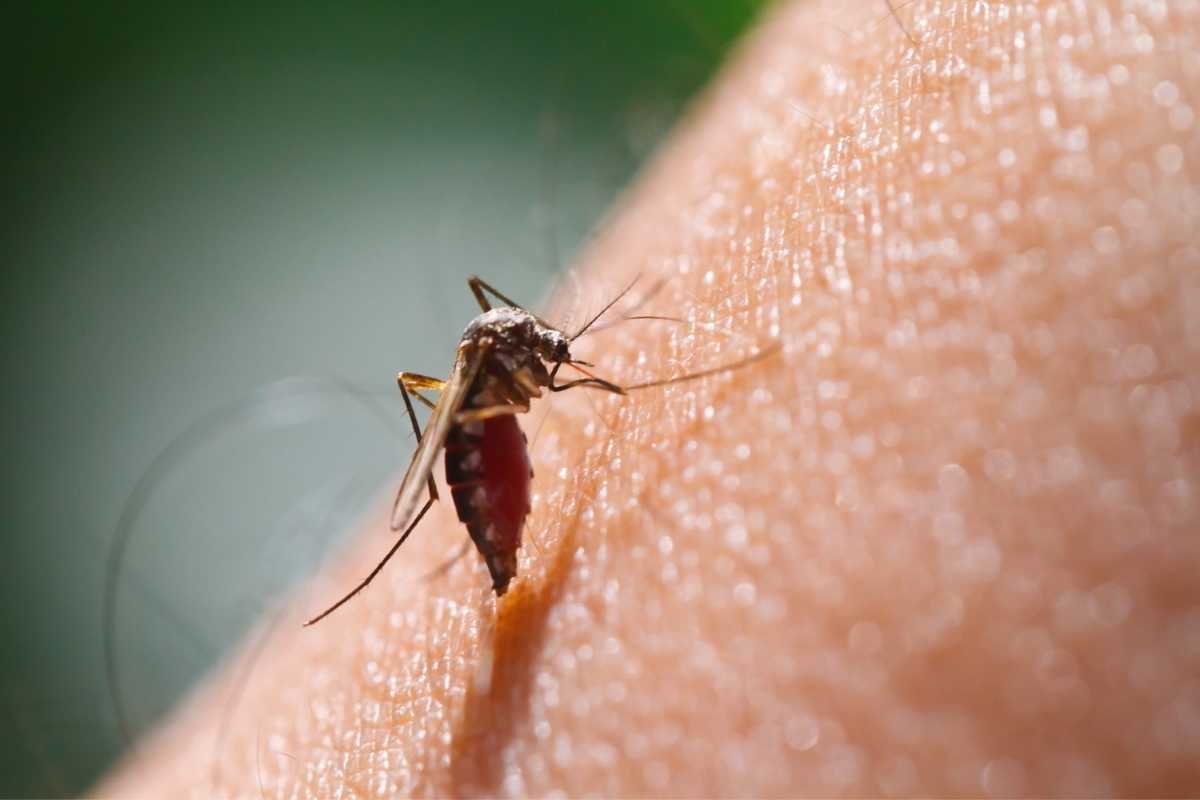
Here are a few safety tips for bug bites based on advice from Detroit Medical Centre and Mayo Clinic:
- Move away from the area to avoid further bites or stings.
- Gently wash the affected area with soap and water to remove dirt and bacteria.
- If the insect left a stinger (as with bees), scrape it out using a flat edge such as a credit card. Avoid tweezers to prevent squeezing more venom into the skin.
- Apply a cold compress or ice pack for 10–15 minutes to reduce swelling and pain.
Conclusion
Finding natural remedies for bug bites shows that effective relief often lies in your pantry or garden. Nature provides a varied toolkit for soothing the itch, reducing swelling, and preventing infection. While these home remedies are excellent first steps for minor irritation, it’s crucial to know the signs that warrant professional medical attention.
Managing bug bites involves a multi-pronged approach. You need to prevent them from using both physical barriers and commercial repellents. When bites occur, treat them promptly with reliable natural remedies for bug bites. By knowing about these simple, proven solutions, you can quickly turn a moment of discomfort into swift relief and get back to enjoying your outdoor life.
FAQs
1. How can I tell what insect bit me?
Distinct marks help: Bed bugs bite in a line, fleas cluster on ankles, and ticks may cause a bull’s-eye rash (Lyme).
2. What does an infected bite look like?
Look for spreading redness, warmth, pus, and red lines (lymphangitis), which indicate infection and need a doctor.
3. When should I go to the emergency room instead of using natural remedies for bug bites?
Seek immediate care for trouble breathing, swelling of the face/throat, dizziness, or fainting (anaphylaxis).