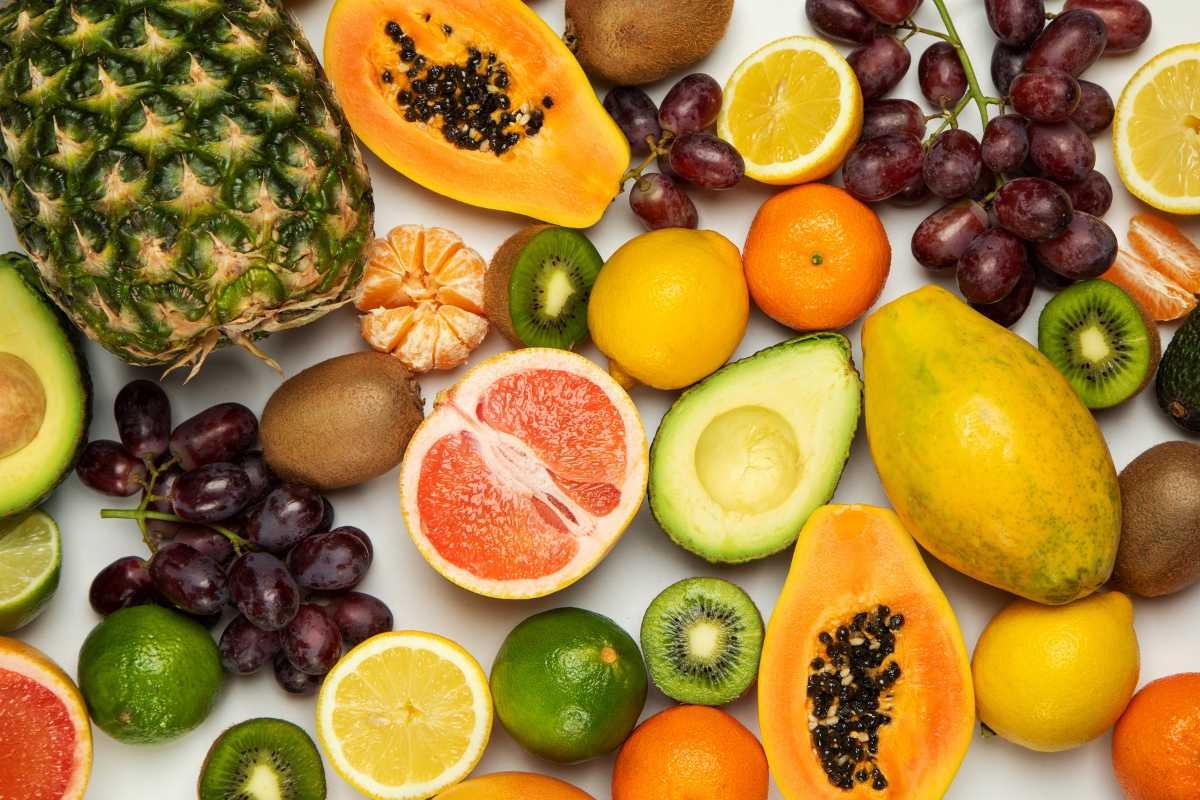
Humans have been eating fruits for at least 2 million years. Gathering fruits was one of the first occupations of the ‘Homo-species.’ We started cultivating fruits about 11,400 years ago. Fruits have been an integral part of human evolution. But that might make you wonder: which is the most popular fruit in the world?
To find out, we must look at their global production each year. It shows us the need for a fruit, hence giving us an idea of its popularity.
Remember the basic economic concept that supply is equal to demand? In this blog, we will apply it to find out the most popular fruit in the world.
How the 15 Most Popular Fruits in the World Earn Their Place:
Here is a list of the 15 most produced fruits in the world. This list will go through the approximate global production of each of these fruits and rank them accordingly.
So, without further ado, here are the most popular fruits in the world.

| Rank | Fruit | Approximate Global Production 2025 (Million Metric Tons) |
|---|---|---|
| 1 | Tomatoes | ~186 |
| 2 | Bananas (including plantains) | ~140 |
| 3 | Watermelons | ~104 |
| 4 | Apples | ~87 |
| 5 | Grapes | ~79 |
| 6 | Oranges | ~75 |
| 7 | Mangoes | ~56 |
| 8 | Tangerines, Mandarins | ~35 |
| 9 | Pineapples | ~30 |
| 10 | Melons (other than watermelon) | ~27 |
| 11 | Peaches and Nectarines | ~25 |
| 12 | Pears | ~24 |
| 13 | Lemons and Limes | ~20 |
| 14 | Papayas | ~14 |
| 15 | Plums and Sloes | ~12 |
1. Tomatoes
Is a tomato a fruit or a vegetable? This has been an ongoing debate for centuries. But here’s a thing, the word ‘tomato’ comes from the Aztec word, ‘tomatl,’ which literally translates to ‘plump fruit.’ And so, that rests the debate, making tomato the most popular fruit in the world.
According to Market Data Forecast, the global tomato market was valued at $181.21 billion in 2024. It is projected to grow from $192.83 billion to $316.98 billion between 2025 and 2033. Today, there are more than 10,000 known varieties of tomatoes globally.
Nutritional Profile (Per 100 g):
| Nutrient | Amount per 100g |
| Calories | 18 kcal |
| Water | 95% |
| Protein | 0.9 g |
| Fat | 0.2 g |
| Carbohydrates | 3.9 g |
| Sugars | 2.6 g |
| Fiber | 1.2 g |
| Vitamin C | 14 mg |
| Vitamin A | 833 IU |
| Vitamin K1 | 7.9 µg |
| Potassium | 237 mg |
| Folate (B9) | 15 µg |
| Lycopene | — |
2. Bananas (including plantains)
Bananas are one of the most eaten fruits in the world. It is high in potassium and carbohydrates, which are essential nutrients for energy, muscle function, and heart health. The fruit was domesticated 7000 years ago in the Indo-Malay region. Even today, India is the largest producer of bananas, with 36.6 million tonnes of bananas being produced in the country.
The reason bananas are so popular is due to their affordability and taste. It is liked by adults and kids alike. Plus, the added value of health benefits makes it more popular among all sections of society. Interestingly, bananas are cholesterol-free and low in fat content.
Nutritional Profile (Per 100 g):
| Nutrient | Amount (per 100g) |
| Calories | 89 kcal |
| Water | 75% |
| Protein | 1.1 g |
| Total Fat | 0.3 g |
| Carbohydrates | 23 g |
| Sugars | 12 g |
| Dietary Fiber | 2.6 g |
| Vitamin C | 8.7 mg |
| Potassium | 358 mg |
| Vitamin B6 | 0.37 mg |
| Magnesium | 27 mg |
| Folate (B9) | 20 µg |
| Other Nutrients (trace) | Vitamin A, Iron, Calcium, Vitamin K |
3. Watermelons
Around 5,000 years ago, in the isolated lands of Kalahari, humans came in contact with watermelons. Now, these watermelons weren’t what we are used to today. Instead of being red and juicy, they were white and watery. But they were rich in minerals and water, the two most important things for any desert-dwelling tribe.
Today, China is the largest producer. The country accounts for more than two-thirds of the total production, followed by Turkey, Iran, Brazil, and the United States. These fruits are good for hydration, which is why they are especially popular in dry regions.
Nutritional Profile (Per 100 g):
| Nutrient | Amount (per 100g) |
| Calories | 30 kcal |
| Water | 92% |
| Protein | 0.6 g |
| Fat | 0.2 g |
| Carbohydrates | 7.6 g |
| Sugars | 6.2 g |
| Fiber | 0.4 g |
| Vitamin C | 8.1 mg |
| Vitamin A | 569 IU |
| Potassium | 112 mg |
| Magnesium | 10 mg |
4. Apples
We, as a civilization, have been eating apples for four millennia. Apples are believed to have originated in Central Asia, specifically in the region of modern Kazakhstan. Even today, you can find the wild ancestor of modern apples—Malus sieversii—in the area.
Respected for its numerous health benefits and appealing taste, the apple has secured its place as the most popular fruit in the world. Its importance to well-being is cemented by the timeless proverb, ‘An apple a day keeps the doctor away,’ which emphasizes its valuable medical properties.
Nutritional Profile (Per 100 g):
| Nutrient | Amount (per 100g) |
| Calories | 52 kcal |
| Water | 86% |
| Protein | 0.3 g |
| Total Fat | 0.2 g |
| Carbohydrates | 14 g |
| Sugars | 10 g |
| Dietary Fiber | 2.4 g |
| Vitamin C | 4.6 mg |
| Potassium | 107 mg |
| Vitamin K | 2.2 µg |
5. Grapes
Did you know grapes are one of the oldest fruits humans ever cultivated? Archaeologists have found evidence of grape cultivation in the Near East region (modern-day Iran) dating back 6000 years. Ancient civilizations, such as the Greeks, Egyptians, and Romans, cultivated grapes, mostly for winemaking.
Today, grapes are cultivated globally both for fresh consumption and wine production. It adds them to the list of economically and culturally significant fruits. The leading producer is China. Other grape-producing countries include Italy, Spain, the United States, and Turkey.
Nutritional Profile (Per 100 g):
| Nutrient | Amount (per 100g) |
| Calories | 69 kcal |
| Water | 81% |
| Protein | 0.7 g |
| Total Fat | 0.2 g |
| Carbohydrates | 18 g |
| Sugars | 16 g |
| Dietary Fiber | 0.9 g |
| Vitamin C | 10.8 mg |
| Vitamin K | 14.6 µg |
| Potassium | 191 mg |
6. Oranges
Today, oranges are the most popular citrus fruit in the world. It is rich in nutrients, such as calcium and magnesium. Oranges are believed to have originated in Southeast Asia, particularly in regions that are now parts of China, India, and Vietnam.
Brazil is the world’s largest producer of oranges. The United States (particularly Florida) ranks second in the production of the citrus fruit. Other major exporters of oranges are China, India, and Mexico.
Nutritional Profile (Per 100 g):
| Nutrient | Amount (per 100g) |
| Calories | 47 kcal |
| Water | 86% |
| Protein | 0.9 g |
| Total Fat | 0.1 g |
| Carbohydrates | 12 g |
| Sugars | 9 g |
| Dietary Fiber | 2.4 g |
| Vitamin C | 53.2 mg |
| Folate (Vitamin B9) | 30 µg |
| Potassium | 181 mg |
| Thiamine (Vitamin B1) | 0.1 mg |
7. Mangoes

Let’s talk about the king of all fruits, Mangoes. India is the largest producer of mangoes. The country’s Alphonso variety is loved worldwide. It is rich in sweetness, nutrition, and taste. The fruit includes small amounts of vitamin E, B-complex vitamins, and antioxidants.
Mangoes are native to South Asia, specifically India, Myanmar, and Bangladesh. It is also the very region where they have been cultivated for over 4,000 years. This is the most popular fruit in the world as it holds cultural and religious importance in India and surrounding countries.
Nutritional Profile (Per 100 g):
| Nutrient | Amount (per 100g) |
| Calories | 60 kcal |
| Water | 83.5% |
| Protein | 0.8 g |
| Total Fat | 0.4 g |
| Carbohydrates | 15 g |
| Sugars | 14 g |
| Dietary Fiber | 1.6 g |
| Vitamin C | 36.4 mg |
| Vitamin A | 54 µg |
| Folate (B9) | 43 µg |
| Potassium | 168 mg |
8. Tangerines, Mandarins
Mandarins and tangerines are believed to have originated in Southeast Asia (China and the Philippines). They (tangerines) were introduced to Europe through the Moroccan market in Tangiers, which is where they get their name from.
While similar to oranges, mandarins and tangerines are rich in calcium, magnesium, and antioxidant flavonoids. They have a citrusy taste that makes them great for juices. They are used to give you an energy boost during dizziness.
Nutritional Profile (Per 100 g):
| Nutrient | Amount (per 100g) |
| Calories | 53 kcal |
| Water | 85% |
| Protein | 0.8 g |
| Total Fat | 0.3 g |
| Carbohydrates | 13 g |
| Sugars | 11.5 g |
| Dietary Fiber | 1.8 g |
| Vitamin C | 26.7 mg |
| Vitamin A | 681 IU |
| Potassium | 166 mg |
| Folate (B9) | 30 µg |
9. Pineapples
When we talk about tropical fruits, Pineapple is the most popular fruit in the world. They have been native to the South Americas, especially Brazil and Paraguay. According to historical accounts, Christopher Columbus encountered pineapples in the Caribbean in 1493 and introduced them to Europe.
Pineapples are widely used in Mexican and many South American cuisines. It is a great source of thiamine, riboflavin, copper, and folate. Pineapples also contain bromelain, an enzyme linked to digestive and anti-inflammatory benefits.
Nutritional Profile (Per 100 g):
| Nutrient | Amount |
| Calories | 50 kcal |
| Water | 86% |
| Protein | 0.5 g |
| Total Fat | 0.1 g |
| Carbohydrates | 13 g |
| Sugars | 10 g |
| Dietary Fiber | 1.4 g |
| Vitamin C | 47.8 mg |
| Manganese | 0.9 mg |
| Vitamin B6 | 0.1 mg |
Read Next:
- The World’s Top 20 Most Nutrient-Dense Foods You Should Eat Daily
- You Won’t Believe How Much These 10 Spices Cost! The Most Expensive Spices in the World Revealed
10. Melons (other than watermelon)
Melons are believed to have originated in Africa and Southwest Asia, with cultivation dating back over 4,000 years. Cantaloupes and muskmelons were cultivated in ancient Egypt and spread through the Mediterranean region. Honeydew melons were cultivated later and became popular in the Middle East and Europe.
European colonists introduced these melons to the Americas during the colonial period. Today, they are enjoyed for their sweetness and hydration qualities. Just like watermelon, other melons are also a good source of water for your body.
Nutritional Profile (Per 100 g):
| Nutrient | Amount (per 100g) |
| Calories | 34 kcal |
| Water | 90% |
| Protein | 0.8 g |
| Total Fat | 0.2 g |
| Carbohydrates | 8.2 g |
| Sugars | 7.9 g |
| Dietary Fiber | 0.9 g |
| Vitamin C | 36.7 mg |
| Vitamin A (as beta-carotene) | 169 µg |
| Potassium | 267 mg |
| Folate (B9) | 21 µg |
11. Peaches and Nectarines
Peaches are native to China, from where they spread westward into Central Asia and the Middle East. From there, it reached Europe. As for Nectarines, they are the smooth-skinned variety of peaches. They are believed to be a natural mutation of the fruit that appeared around 2000 years ago.
They are rich in vitamin E, vitamin K, and niacin. It also jas antioxidants such as chlorogenic acid. As of 2025, China is the largest producer of peaches and nectarines, along with Italy, Spain, the United States, and Greece.
Nutritional Profile (Per 100 g):
| Nutrient | Amount (per 100g) |
| Calories | 39 kcal |
| Water | 88% |
| Protein | 0.9 g |
| Total Fat | 0.3 g |
| Carbohydrates | 10 g |
| Sugars | 8 g |
| Dietary Fiber | 1.5 g |
| Vitamin C | 6.6 mg |
| Vitamin A | 326 IU |
| Potassium | 190 mg |
12. Pears
Pears originate from the continent of Europe. They were cultivated in ancient Greece and Rome and quickly spread throughout Europe. Various species of wild pears were domesticated in different parts of the world, including in the Far East.
The fruit has been prized for its sweet, juicy flesh and adaptability to diverse climates and soils. It is a perfect fruit crop for any farmer, regardless of their surrounding climate. Countries like China, the USA, Argentina, and Turkey mass-produce pears and export them worldwide.
Nutritional Profile (Per 100 g):
| Nutrient | Amount |
| Calories | 57 kcal |
| Water | 84% |
| Protein | 0.4 g |
| Total Fat | 0.1 g |
| Carbohydrates | 15 g |
| Sugars | 10 g |
| Dietary Fiber | 3.1 g |
| Vitamin C | 4.3 mg |
| Potassium | 116 mg |
| Vitamin K | 5.7 µg |
13. Lemons and Limes
Lemons are believed to have originated in Assam (a region in northeast India), northern Burma, and China. Limes likely originated in Southeast Asia and the Malay Archipelago. Both lemons and limes have been cultivated for centuries for culinary, medicinal, and preservation purposes.
The combined global production of lemons and limes in 2025 is estimated at around 20 million metric tons. Thanks to its citrusy taste, it is the most popular fruit in the world for culinary use.
Nutritional Profile (Per 100 g):
| Nutrient | Amount (per 100g) |
| Calories | 29 kcal |
| Water | 89% |
| Protein | 1.1 g |
| Total Fat | 0.3 g |
| Carbohydrates | 9.3 g |
| Sugars | 2.5 g |
| Dietary Fiber | 2.8 g |
| Vitamin C | 53 mg |
| Potassium | 138 mg |
| Folate (B9) | 11 µg |
14. Papayas
Papayas are fleshy fruits with thousands of seeds. It is rich in sweetness and flavor. Beyond its flavors, it is rich in calcium and magnesium. It also contains antioxidants such as carotenoids and flavonoids.
Columbus documented seeing papayas in the Caribbean in the 15th century. The indigenous people of Mexico and Central America cultivated them before the arrival of the explorers. Today, India, Indonesia, Nigeria, Brazil, and the Philippines are its largest exporters.
Nutritional Profile (Per 100 g):
| Nutrient | Amount |
| Calories | 43 kcal |
| Water | 88% |
| Protein | 0.5 g |
| Total Fat | 0.3 g |
| Carbohydrates | 11 g |
| Sugars | 7.8 g |
| Dietary Fiber | 1.7 g |
| Vitamin C | 61.8 mg |
| Vitamin A | 950 IU |
| Folate (B9) | 37 µg |
| Potassium | 182 mg |
15. Plums and Sloes

And last, the most popular fruits in the world are plums and sloes. The global production of plums and sloes in 2025 is approximately 12 million metric tons. They are grown worldwide for fresh consumption, drying (prunes), and use in beverages and preserves.
They are a good source of vitamin K and vitamin E. They contain antioxidants like phenols is another reason why they are the most popular fruit in the world. Plums have been around for thousands of years. They originated from East Asia and Europe.
Nutritional Profile (Per 100 g):
| Nutrient | Amount |
| Calories | 46 kcal |
| Water | 87% |
| Protein | 0.7 g |
| Total Fat | 0.3 g |
| Carbohydrates | 11.4 g |
| Sugars | 9.9 g |
| Dietary Fiber | 1.4 g |
| Vitamin C | 9.5 mg |
| Vitamin A | 17 µg |
| Potassium | 157 mg |
Read Next:
- Fruits That Are High in Magnesium: Improve Your Health Naturally
- Why Super Healthy Foods Are the Secret Weapon of Lifelong Energy?
Conclusion
The journey of fruits alongside humanity spans over two million years, making them central to our history and diet. We determined the most popular fruit in the world by looking at global production—a direct measure of global demand.
The winner, perhaps surprisingly in a culinary context, is the tomato, with approximately 186 million metric tons produced globally in 2025. This scientifically defined fruit is an essential component of cuisines worldwide. Following closely are bananas and watermelons.
The ranking of the most popular fruit in the world reveals a fascinating mix of sweet, savory, and hydrating produce that continues to fuel and enrich human life globally.
FAQs
1. Is a tomato really a fruit?
Yes, botanically it is a fruit. The tomato originated from the Aztec word for “plump fruit.”
2. Which country is the world’s overall top fruit producer?
China is the largest overall fruit-producing country in terms of tonnage. India is the second-largest global fruit producer.
3. What is the primary environmental concern with the production of the second-most popular fruit in the world, bananas?
High pesticide use and monoculture farming are major concerns. This leads to water pollution and loss of biodiversity.