
What if a single medicine could make more money in one year than some entire countries? It sounds unbelievable, but it’s happening right now. Some of the largest-selling pharmaceutical products generate over $20–30 billion in annual revenue, powering a global pharmaceutical industry worth more than $1.5 trillion.
These aren’t just expensive drugs they’re everyday lifelines for millions of people. From diabetes and cancer to heart disease and autoimmune disorders, these medicines quietly support longer, healthier lives. Today, more than 10 drugs worldwide cross the $10 billion sales mark every year, and advanced biologic treatments now account for nearly 55% of total global pharmaceutical revenue.
What makes them truly powerful is their real-life impact. Nearly every family has been touched by at least one of these treatments, sometimes without even realizing it. These drugs aren’t just products; they’re part of people’s survival stories.
In this blog, you’ll discover the stories behind the largest-selling pharmaceutical products, how they became global bestsellers, who makes them, and why they dominate the world of healthcare. You’ll also explore which future medicines could become the next billion-dollar breakthroughs.
Let’s uncover the medicines that quietly run the world of modern healthcare.
The 10 Largest Selling Pharmaceutical Products in the World:
This list highlights the 10 largest-selling pharmaceutical products globally, ranked from highest to lowest annual sales of the year 2025. These blockbuster drugs have not only generated billions in revenue but have also made a significant impact on patient care worldwide. From life-saving treatments to revolutionary therapies, each product on this list demonstrates the perfect blend of medical innovation and commercial success.
1. Keytruda (Pembrolizumab)
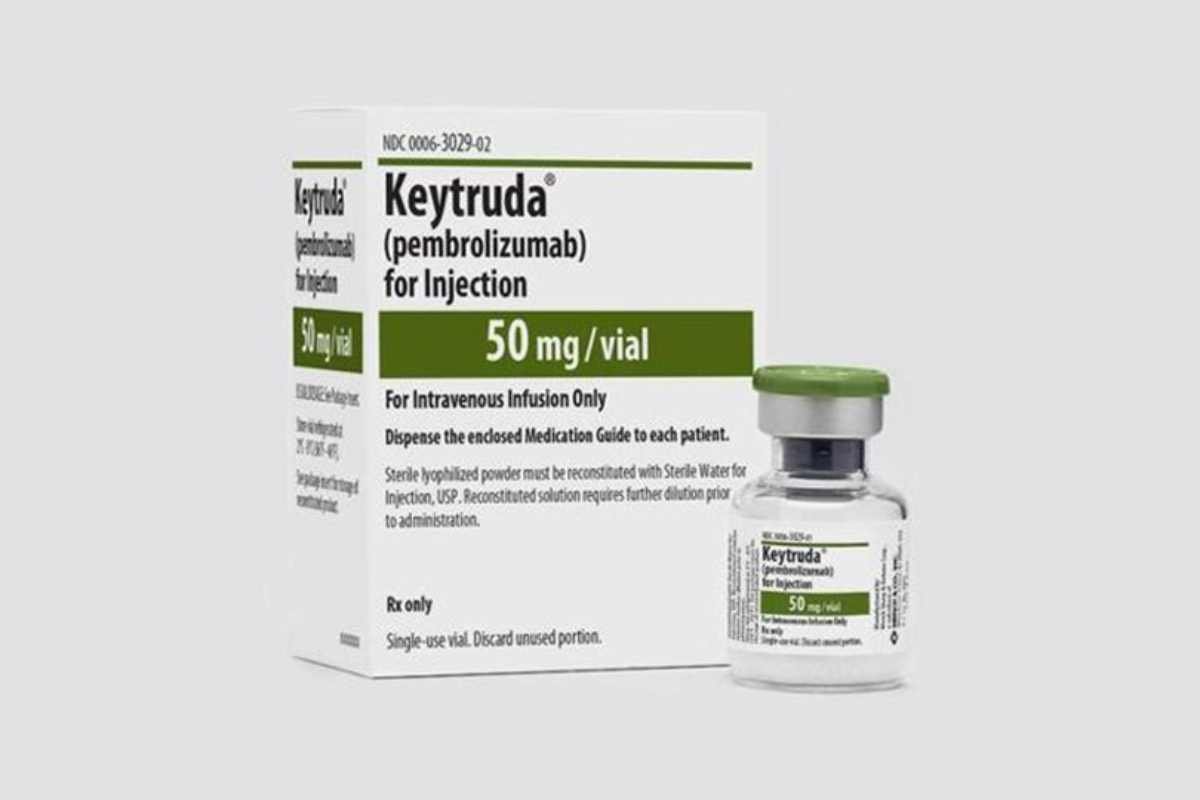
| Target Condition | Oncology (Lung cancer, Melanoma, Head & neck cancers) |
| Manufacturer | Merck & Co. |
| Sales (2025) | $31 Billion |
Keytruda is a revolutionary immunotherapy that enables the body’s immune system to target and destroy cancer cells. It has been approved for multiple cancer types, including lung cancer, melanoma, and head and neck cancers. The drug works by inhibiting the PD-1 pathway, which cancer cells use to evade immune detection. It has shown significant improvement in patient survival rates and is widely adopted in oncology treatment worldwide. Hospitals and cancer centers rely on Keytruda as a frontline therapy for advanced and high-risk cancers.
2. Ozempic (Semaglutide)
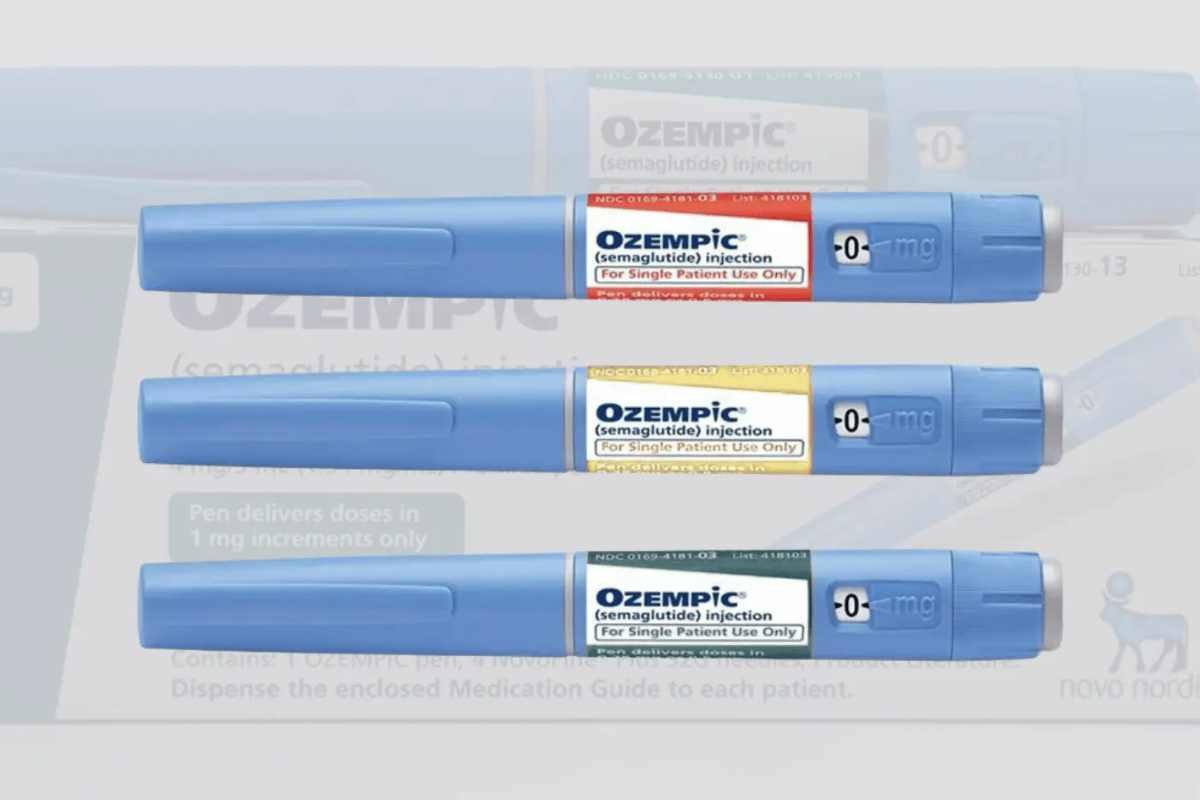
| Target Condition | Type 2 Diabetes, Obesity |
| Manufacturer | Novo Nordisk |
| Sales (2025) | $22 billion |
Ozempic is a GLP-1 receptor agonist that helps manage blood sugar levels in patients with type 2 diabetes while also promoting weight loss. Conveniently, once-weekly dosing improves patient adherence and treatment satisfaction. Clinical studies have shown significant reductions in HbA1c levels and body weight, making it a highly effective metabolic therapy. Ozempic is widely recognized of the largest-selling pharmaceutical Products due to its global popularity and strong market demand. Healthcare providers increasingly recommend it for both diabetes management and obesity-related complications.
3. Eliquis (Apixaban)
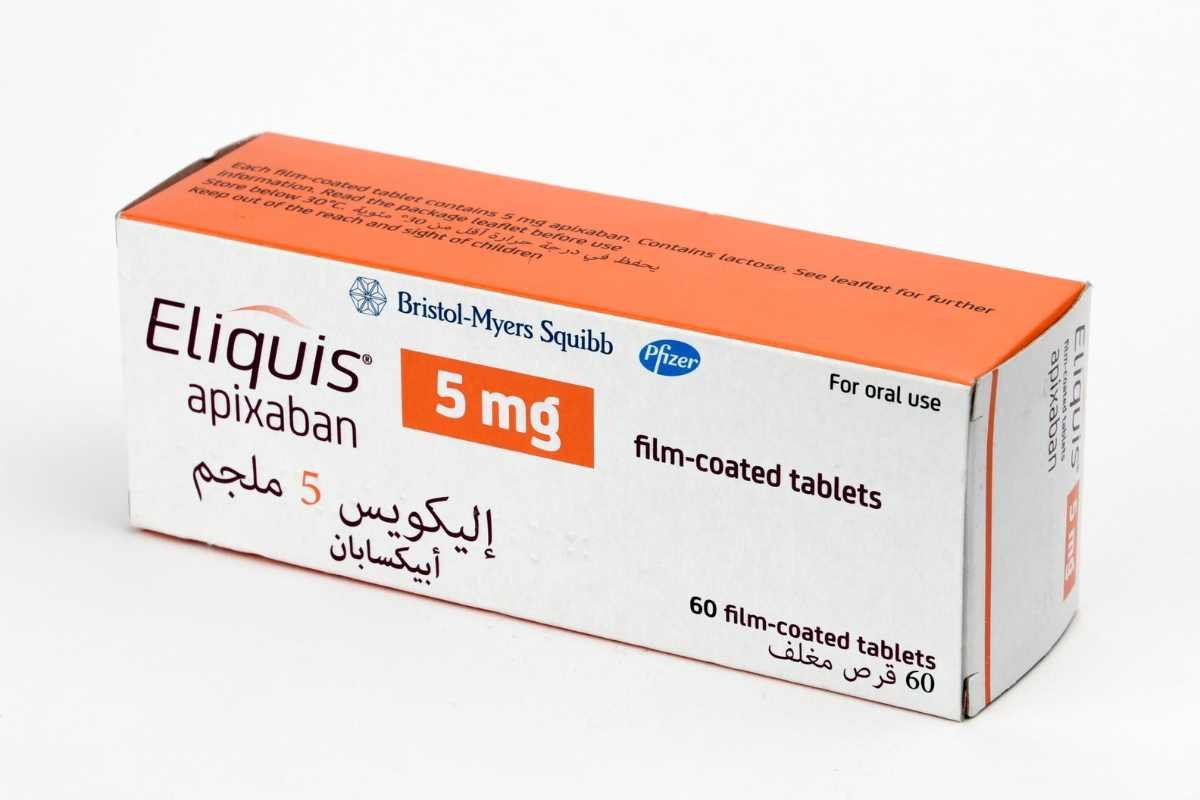
| Target Condition | Cardiovascular disorders (Stroke, Blood clots, Atrial fibrillation) |
| Manufacturer | Bristol Myers Squibb, Pfizer |
| Sales (2025) | $21.09 billion |
Eliquis is an oral anticoagulant used to prevent strokes and blood clots in patients with atrial fibrillation and other cardiovascular conditions. It is preferred for its predictable anticoagulation effect and lower bleeding risk compared to traditional therapies. The medication works by inhibiting Factor Xa, which plays a key role in blood clot formation. Eliquis has become a trusted therapy for both long-term prevention and acute cardiovascular risk management. Its widespread clinical adoption is supported by strong evidence from multiple large-scale trials.
4. Humira (Adalimumab)
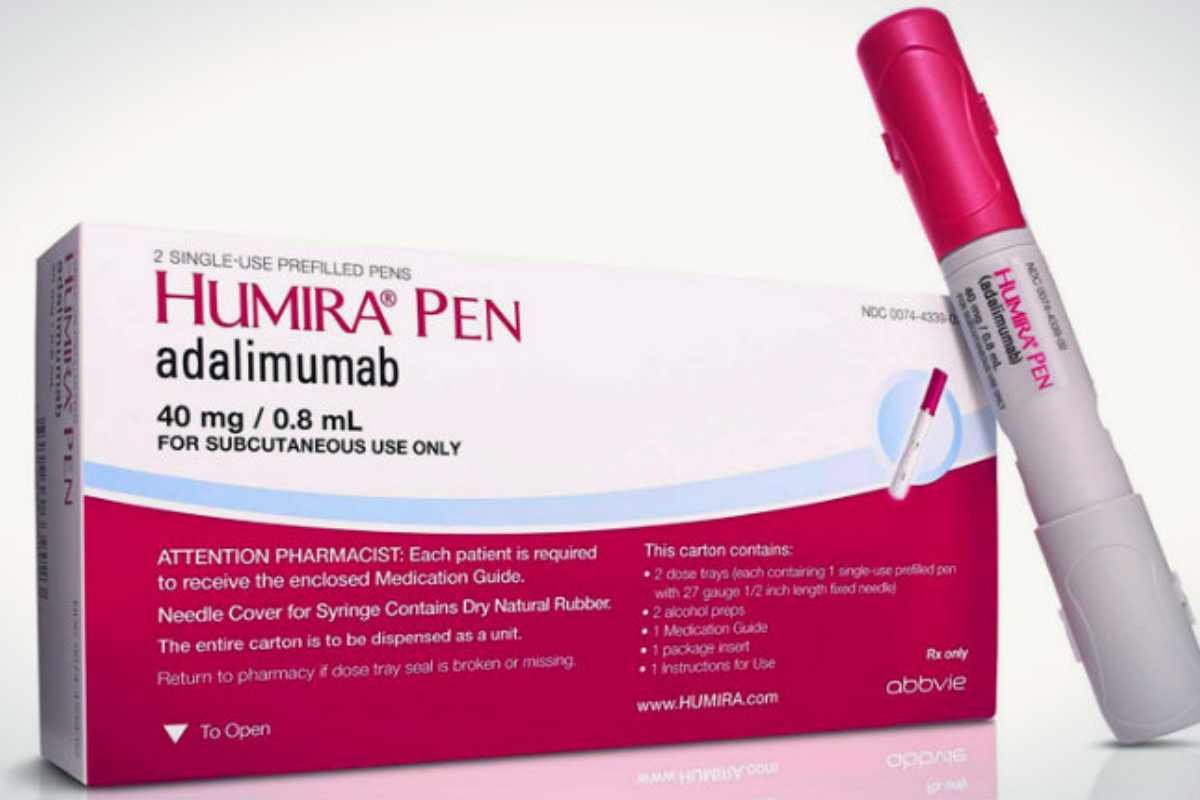
| Target Condition | Autoimmune diseases (Rheumatoid arthritis, Crohn’s disease, Psoriasis) |
| Manufacturer | AbbVie |
| Sales (2025) | $20 billion |
Humira is a leading biologic therapy that targets autoimmune disorders by inhibiting tumor necrosis factor-alpha (TNF-alpha). It is widely used to treat rheumatoid arthritis, Crohn’s disease, and psoriasis, among other chronic conditions. Patients benefit from improved symptom control, reduced inflammation, and enhanced quality of life. Humira is recognized among the largest-selling pharmaceutical Products for its long-standing market leadership and widespread physician trust. Its consistent efficacy and global reach have made it a cornerstone in immune-mediated disease treatment.
5. Dupixent (Dupilumab)
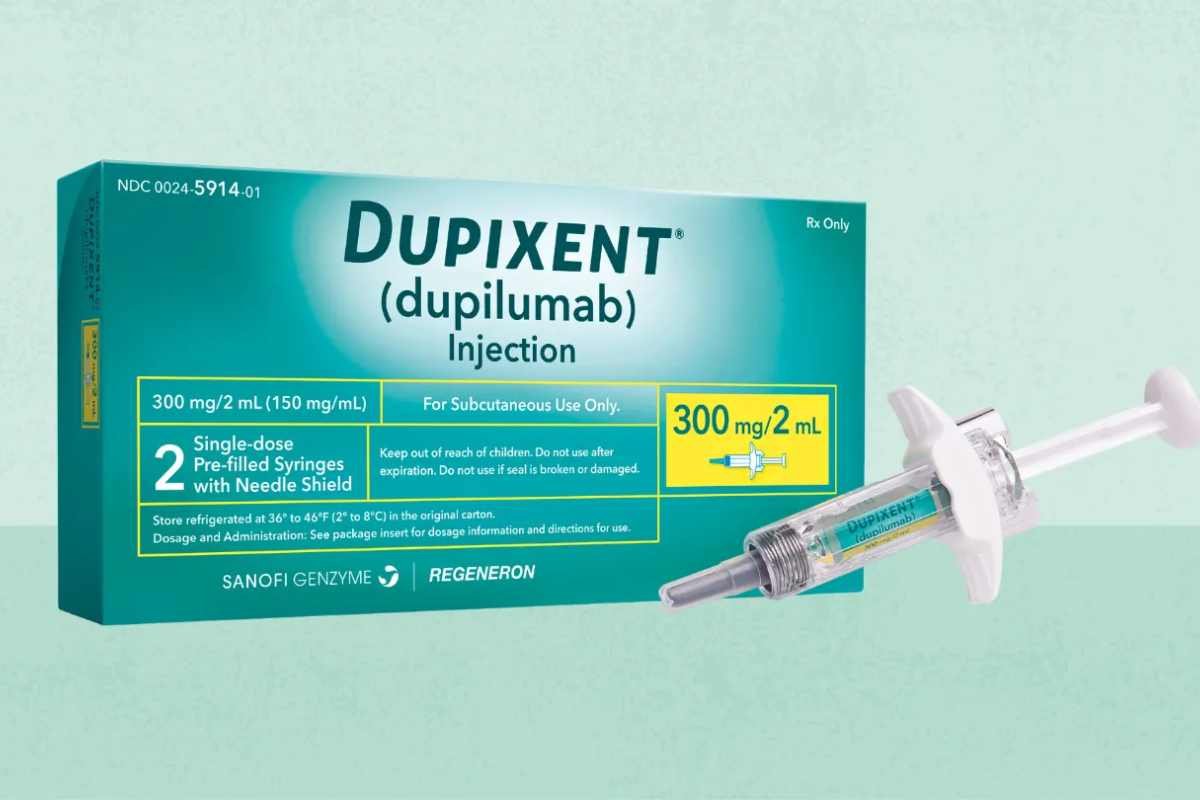
| Target Condition | Asthma, Atopic dermatitis, Chronic rhinosinusitis |
| Manufacturer | Sanofi, Regeneron |
| Sales (2025) | $12–14 billion |
Dupixent is a monoclonal antibody therapy that blocks key inflammatory pathways in chronic allergic and respiratory conditions. It is approved for moderate-to-severe atopic dermatitis, asthma, and chronic sinusitis with nasal polyps. Patients experience reduced flare-ups, improved lung function, and significant relief from skin symptoms. Dupixent’s targeted action allows for precision therapy, improving overall treatment outcomes. Its adoption has grown rapidly due to favorable clinical trial results and strong long-term patient responses.
6. Biktarvy
| Target Condition | HIV/AIDS |
| Manufacturer | Gilead Sciences |
| Sales (2025) | $11–13 billion |
Biktarvy is a once-daily combination therapy for HIV that simplifies treatment and improves adherence. It combines three antiretroviral agents to provide potent viral suppression and reduce the risk of drug resistance. Patients benefit from a convenient regimen with minimal side effects. Biktarvy is included among the largest-selling pharmaceutical Products due to its widespread use and strong global adoption. It has become a preferred option for first-line HIV treatment across developed and emerging markets.
7. Stelara (Ustekinumab)
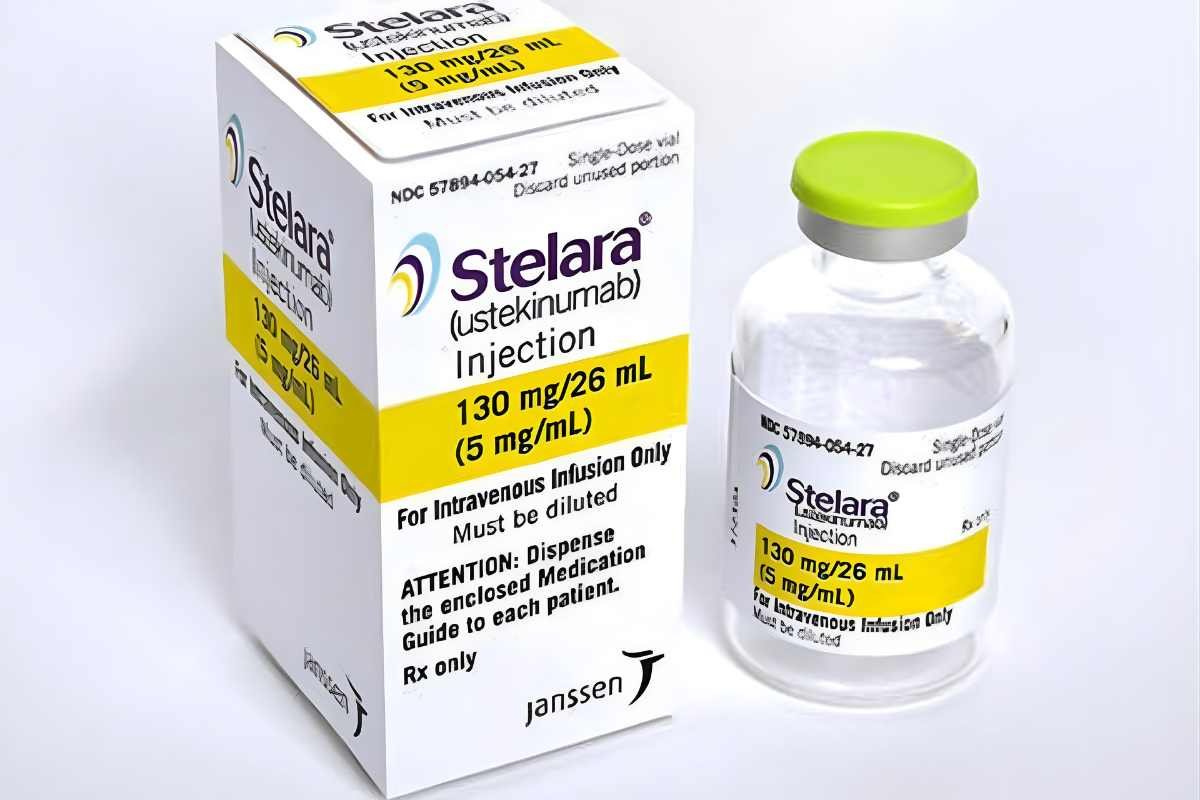
| Target Condition | Psoriasis, Crohn’s disease, Ulcerative colitis |
| Manufacturer | Johnson & Johnson |
| Sales (2025) | $9.5 billion |
Stelara is a biologic therapy that targets interleukin-12 and interleukin-23 to reduce inflammation in autoimmune diseases. It is used for chronic plaque psoriasis, Crohn’s disease, and ulcerative colitis. Patients experience long-term improvement in skin and gastrointestinal symptoms, with durable treatment responses. Stelara has become a trusted therapy due to its strong safety profile and consistent effectiveness. Its clinical adoption continues to expand across dermatology and gastroenterology specialties worldwide.
8. Revlimid (Lenalidomide)
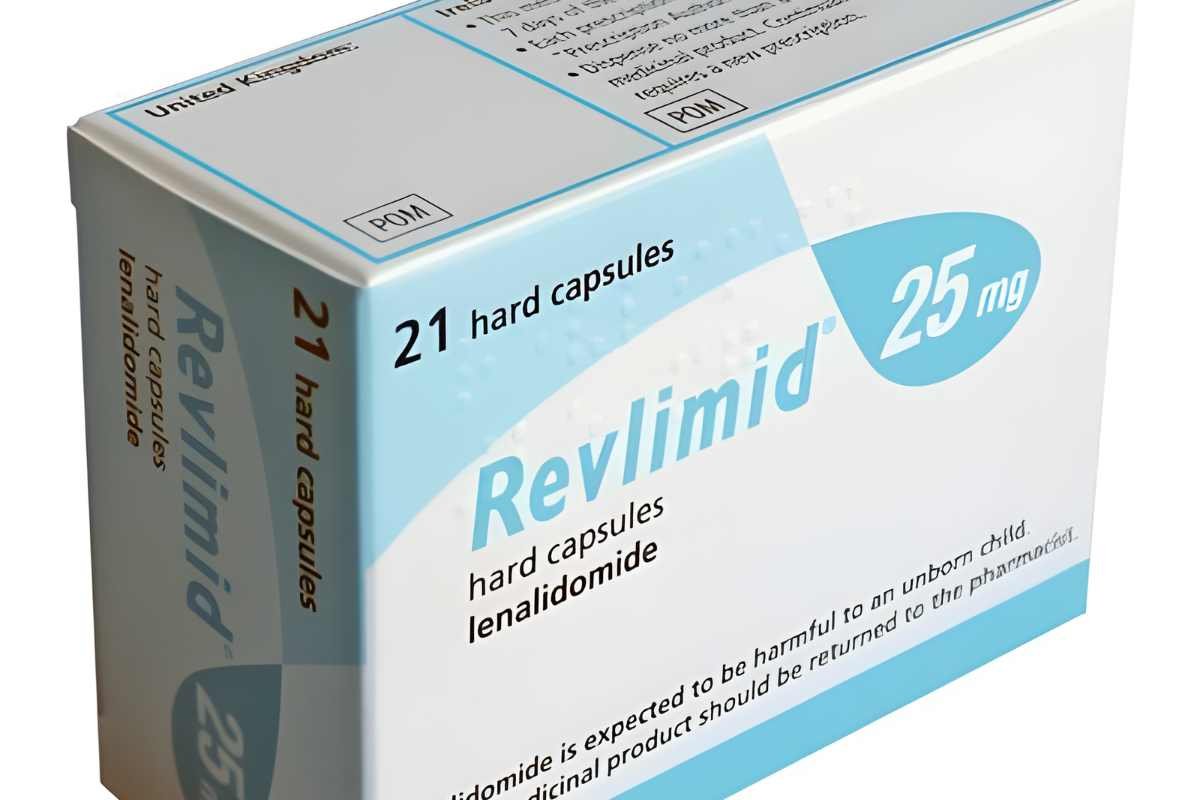
| Target Condition | Multiple myeloma, Blood cancers |
| Manufacturer | Bristol Myers Squibb |
| Sales (2025) | $9–11 billion |
Revlimid is a leading therapy for multiple myeloma and other hematologic malignancies, often used in combination with other agents. It helps inhibit tumor growth and modulate the immune system to enhance cancer control. Patients show improved survival rates and better disease management with Revlimid therapy. It is considered one of the largest-selling pharmaceutical Products in oncology because of its longstanding clinical impact and widespread adoption. Its consistent use in treatment protocols has made it a staple in cancer care.
9. Opdivo (Nivolumab)
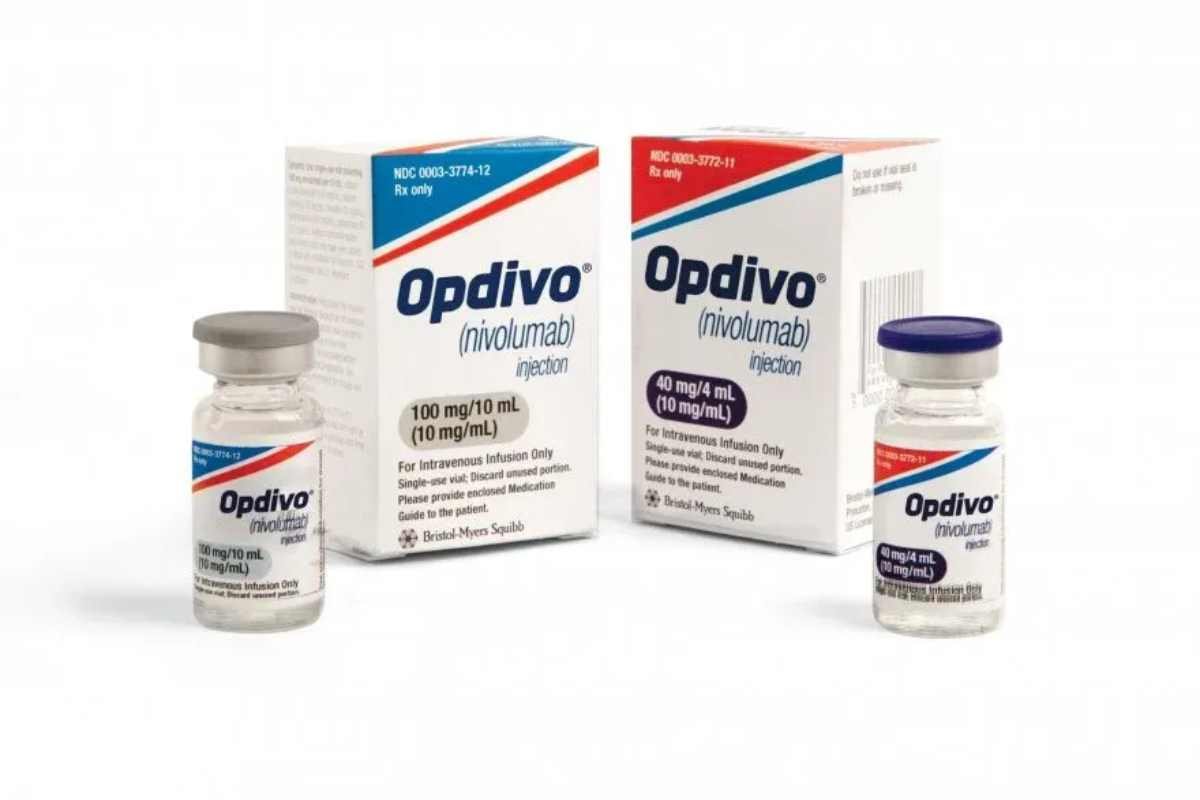
| Target Condition | Oncology (Lung, kidney, bladder cancers) |
| Manufacturer | Bristol Myers Squibb |
| Sales (2025) | $9–11 billion |
Opdivo is an immune checkpoint inhibitor that helps activate the immune system against cancer cells. It is used to treat several advanced cancers, including lung, kidney, and bladder cancers. Opdivo enhances the body’s natural immune response, improving survival in patients with difficult-to-treat tumors. The therapy is backed by strong clinical data and extensive real-world usage. It has become a key option in modern oncology due to its effectiveness in multiple tumor types.
10. Xarelto (Rivaroxaban)
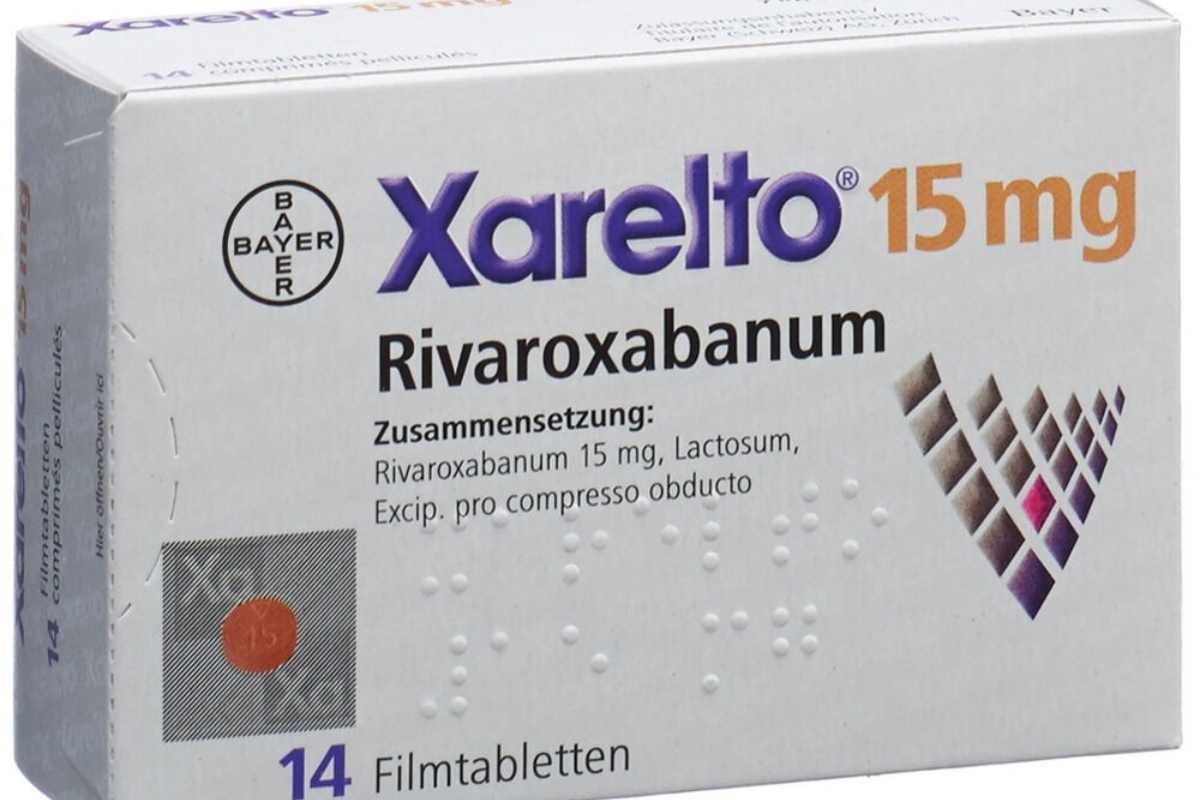
| Target Condition | Blood clots, Stroke prevention, Cardiovascular risk management |
| Manufacturer | Bayer, Janssen (Johnson & Johnson) |
| Sales (2025) | $3.78 billion |
Xarelto is a widely prescribed oral anticoagulant that helps prevent strokes and manage blood clot risk. It inhibits Factor Xa, reducing the likelihood of abnormal clot formation. Patients benefit from predictable anticoagulation with a simple daily regimen, making adherence easier. Xarelto is recognized among the largest-selling pharmaceutical Products due to its widespread use and strong evidence of clinical effectiveness. Its established role in cardiovascular disease management ensures continued global adoption.
Read Next:
- Top Nutraceutical Companies in 2025: Leaders in Health and Wellness Innovation
- 20 Pharmaceutical Industry Books That Cover Everything You Need to Know
How These Drugs Changed Real Lives?
Beyond big revenue numbers, many of the largest-selling pharmaceutical Products have genuinely reshaped lives in ways that go far beyond statistics.
1. Lives Extended — Real Gains in Survival
- Consider Keytruda (pembrolizumab), a cancer immunotherapy that has become the world’s top‑selling drug. Its broad use across many cancer types — lung, melanoma, cervical, and more has significantly improved life expectancy for many patients.
- In lung cancer, for instance, when immunotherapy like Keytruda is used, the risk of disease recurrence within two years drops, improving long‑term survival compared to older therapies.
2. Better Quality of Life — Everyday Freedoms Restored
- Treatments for autoimmune and inflammatory conditions, for example, Humira (adalimumab), helped millions suffering from arthritis, psoriasis, and other diseases regain mobility, reduce pain, and live without constant discomfort. Before such medicines, many faced severe disability or a lifetime of pain.
- Diseases that once forced frequent hospital stays or debilitated patients long-term are now often manageable at home, with patients able to work, travel, and enjoy normal routines.
3. Global Reach — Not Just for the Wealthy
- Many of these blockbuster medicines, whether for cancer, diabetes, or chronic inflammatory conditions, are recognized by global health authorities as essential treatments, helping shape care standards even in developing countries.
- Through generics, biosimilars, and global aid programs, treatments once confined to wealthy nations are slowly gaining wider reach, offering hope and treatment access to populations in low‑ and middle-income countries.
4. When a Drug Means Hope, Not Just a Prescription
- For someone diagnosed with aggressive cancer, a medicine like Keytruda often represents more than treatment; it’s a second chance at life, sometimes adding years that would otherwise be lost.
- For a diabetic patient, insulin isn’t just a prescription; it’s the difference between premature death and decades of healthy living.
- For a chronic autoimmune patient, drugs like Humira can mean the difference between daily suffering and regained independence.
The Rise of the New-Age Blockbusters
As traditional blockbuster drugs begin to lose patent protection, a new generation of treatments is changing the game.
The largest-selling pharmaceutical products of the past were built around chemical formulas. The future belongs to biology, data, and precision medicine.
1. Biologics Are Taking Over
Modern blockbusters are no longer simple pills. They are:
- Lab-engineered antibodies
- Cell and gene therapies
- Personalized immune system boosters
These advanced therapies target diseases with precision, making treatments more effective and far more valuable.
2. AI is Rewriting Drug Discovery
Artificial Intelligence is cutting drug development time from years to months. Algorithms now identify compounds, predict side effects, and speed up clinical trials. This tech advantage is helping companies build the next wave of selling pharmaceutical products faster than ever before.
3. Personalized Medicine: One Drug, One Patient
Instead of “one-size-fits-all,” companies now design medicine based on genetics, lifestyle, and risk factors. This is pushing healthcare toward hyper-targeted treatment and setting the stage for future billion-dollar drugs.
The blockbuster model is evolving, and the companies adapting fastest will dominate the next generation of the largest-selling pharmaceutical products list.
Risks, Controversies & Ethical Debates
With great profits comes even greater controversy.
The most successful drugs often sit at the center of global debates.
1. The Drug Pricing Storm
Many of the largest-selling pharmaceutical products are priced out of reach for average patients. High development costs are used to justify pricing, but critics argue that profits are prioritized over people.
2. Access vs Affordability
Life-saving medicines aren’t always available where they’re needed most. Developing countries often struggle with supply, cost, and weak healthcare infrastructure, creating ethical questions around global healthcare equity.
3. Safety Recalls & Legal Battles
Even blockbuster drugs can fail.
Some have faced late-stage safety issues, forced recalls, and billion-dollar lawsuits. One side effect, one study, or one whistleblower can shake multi-billion-dollar brands overnight.
The Future of the Largest Selling Pharmaceutical Products
The race for the next generation of blockbusters has already begun, and the future looks sharper, faster, and far more personalized.
1. What’s Powering the Next Wave?
The next largest selling pharmaceutical products won’t just treat symptoms, they’ll prevent diseases before they start. Key growth areas include:
- Cancer immunotherapy
- Obesity and metabolic disorder treatments
- Alzheimer’s and neurodegenerative drugs
- Rare disease therapies
2. Late-Stage Drugs to Watch
Pharma pipelines are packed with late-stage clinical drugs that could become the next billion-dollar hits. The focus has shifted from mass-market pills to high-impact, high-value precision treatments.
3. Global Trends Shaping Tomorrow’s Blockbusters
- Aging populations are driving chronic disease demand
- Lifestyle diseases are increasing worldwide
- AI is reducing drug development timelines
- Governments are pushing for faster approvals
The future of the largest-selling pharmaceutical products will be defined by speed, innovation, and global reach.
Read Next:
- 20 Best Pharmaceutical Manufacturing Software
- Nutraceutical Product Development: A Guide to the Future of Health and Wellness
Conclusion
What looks like a simple tablet or injection is actually a billion-dollar battle of science, strategy, and survival. The largest-selling pharmaceutical products aren’t just commercial successes, as they are proof of how far medicine has come, and how much further it can go.
As diseases evolve and technology accelerates, these blockbuster drugs will continue shaping global healthcare, saving millions of lives, and redefining what’s possible in modern medicine.