When you need specialized care, the size of a hospital truly matters. These massive centers form the backbone of our healthcare system. They handle the most critical, complex cases every day. These are the largest hospitals in the US that influence medical standards nationwide. They lead in teaching and advanced research.
Deciding where to get treatment is a big choice. You deserve to know which institutions are best. The upcoming 2026 rankings will show how these giants stack up. We look beyond bed counts to see true quality. Find out which of the largest hospitals in the US are setting new benchmarks for patient success.
Ranking the 12 Largest Hospitals in the United States by Size:
In this blog, we will take a look at the largest hospitals in the United States based on their capacity. This capacity is based on the number of beds available in the hospital. And here are the 12 largest hospitals in the US based on bed numbers:
| Rank | Hospital | Number of Beds | Opening Year |
|---|---|---|---|
| 1 | Jackson Memorial Hospital | 1,550 | 1918 |
| 2 | Yale New Haven Hospital | 1,541 | 1826 |
| 3 | Cleveland Clinic Main Campus | 1,400 | 1921 |
| 4 | AdventHealth Orlando (Florida Hospital Orlando) | 1,300 | 1908 |
| 5 | UAB Hospital, Birmingham, AL | 1,207 | 1965 |
| 6 | Mayo Clinic | 1,200 | 1889 |
| 7 | John Hopkins Hospital | 1,100 | 1889 |
| 8 | New York-Presbyterian Weill Cornell Medical Center | 862 | 1791 |
| 9 | Orlando Health Orlando Regional Medical Center (ORMC) | 808 | 1918 |
| 10 | Montefiore Hospital – Moses Campus | 720 | 1884 |
| 11 | Norton Hospital | 605 | 1886 |
| 12 | Memorial Hermann Southwest Hospital | 541 | 1977 |
1. Jackson Memorial Hospital

- Number of Beds: 1,550
- Opening Year: 1918
Jackson Memorial Hospital is a cornerstone of public healthcare in Miami-Dade County. It is the flagship of the Jackson Health System. As a major teaching hospital and Level I trauma center, it handles some of the most critical cases.
With over 1,550 beds across the system, it provides extensive care to all. It’s deeply committed to serving the diverse community. The hospital prioritizes high-level, accessible care.
2. Yale New Haven Hospital
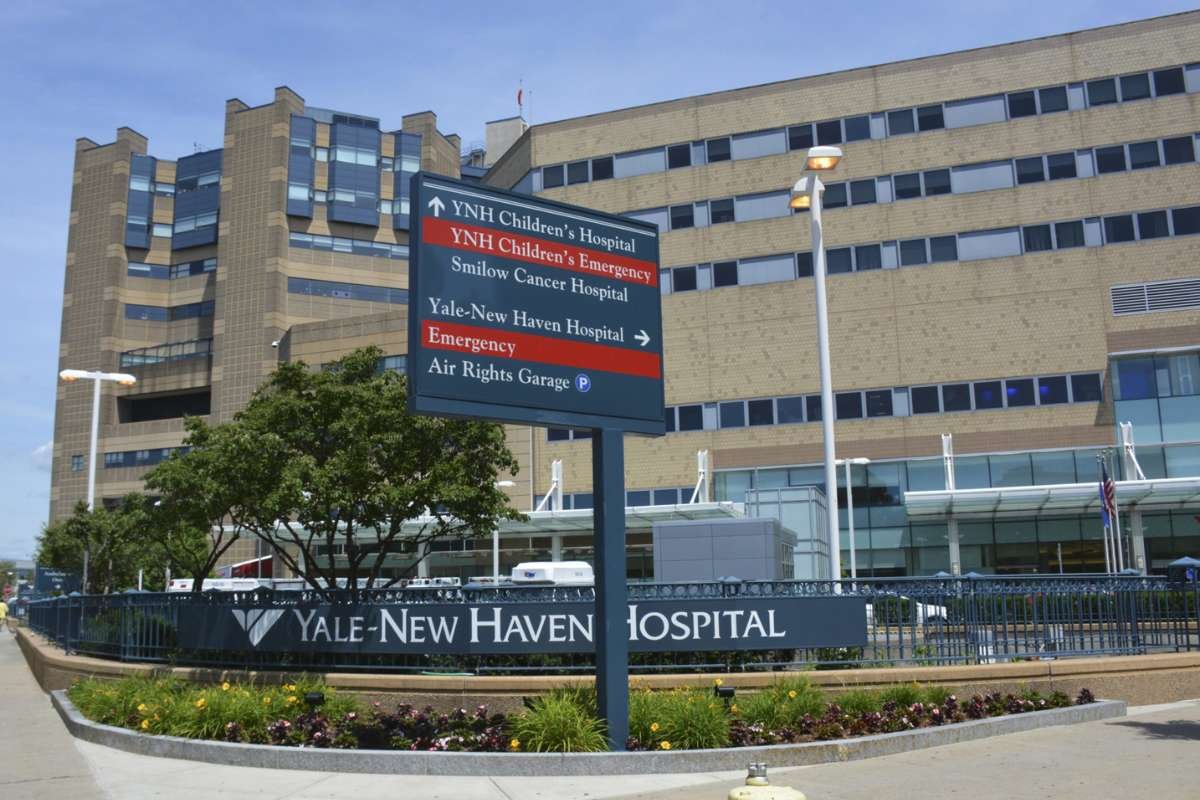
- Number of Beds: 1541
- Opening Year: 1826
Yale New Haven Hospital is the primary teaching hospital for the Yale School of Medicine. It is a key healthcare provider for Connecticut and the Northeast. The hospital operates with over 1,541 licensed beds across its campuses.
It handles a massive volume of complex cases annually. It was ranked the number 1 children’s hospital in Connecticut by US News and World Report. This academic center drives advanced research alongside exceptional patient care.
3. Cleveland Clinic Main Campus

- Number of Beds: 1400
- Opening Year: 1921
The Cleveland Clinic Main Campus is a world-renowned academic medical center. The facility has over 1,400 licensed beds to handle a massive patient load from around the globe. It is famous for its patient-centered, specialized model of care.
The hospital consistently ranks among the largest hospitals in the US for cardiology and heart surgery. It remains a leading hub for research, with the institutions’ funding exceeding $5.2 billion.
4. Advent Health Orlando (AKA Florida Hospital Orlando)

- Number of Beds: 1300
- Opening Year: 1908
AdventHealth Orlando, formerly Florida Hospital Orlando, is a massive care hub. It serves as a major referral center for the Southeast, Caribbean, and Latin America. The campus has over 1,300 licensed beds. It helps manage large patient volumes annually.
It is known for its nationally ranked programs in specialties like cardiology, cancer, and neurosciences. This large teaching hospital provides complex, whole-person care for the region.
5. UAB Hospital, Birmingham, AL
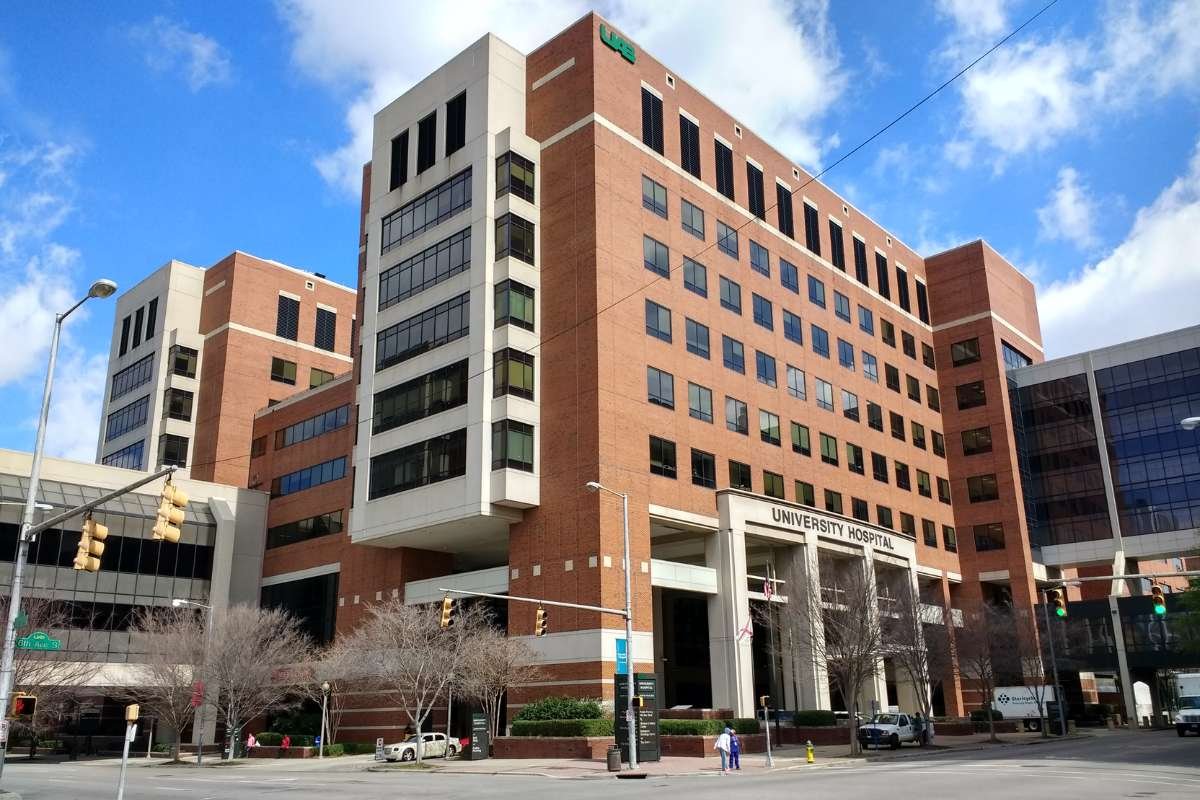
- Number of Beds: 1207
- Opening Year: 1965
UAB Hospital in Birmingham, Alabama, is a key center for specialized care. It serves as the state’s largest hospital, with over 1,200 licensed beds. It handles a massive number of complex cases annually. It is home to the only Level I trauma center in Alabama.
UAB consistently achieves national recognition in many adult specialties. This academic powerhouse provides both expert care and cutting-edge medical research for the region.
6. Mayo Clinic

- Number of Beds: 1200
- Opening Year: 1889
Mayo Clinic is a global leader in complex, integrated patient care. Its Rochester, Minnesota, hospital campus alone features over 1200 licensed beds. The Clinic sees over 1.3 million unique patients annually from all over the world.
The hospital is the largest integrated non-profit healthcare provider in the world. This renowned center excels in research, education, and providing highly specialized, coordinated care.
7. John Hopkins Hospital

- Number of Beds: 1100
- Opening Year: 1889
Johns Hopkins Hospital is a top-tier academic medical center in Baltimore. It is recognized worldwide for its revolutionary patient care and research. The hospital features over 1,100 licensed beds, including a dedicated children’s center.
It has consistently ranked at the very top of national honor rolls for decades. As a Level I Trauma Center, it handles the most critical injuries. This large institution continually drives medical innovation and trains future leaders.
8. New York-Presbyterian Weill Cornell Medical Center
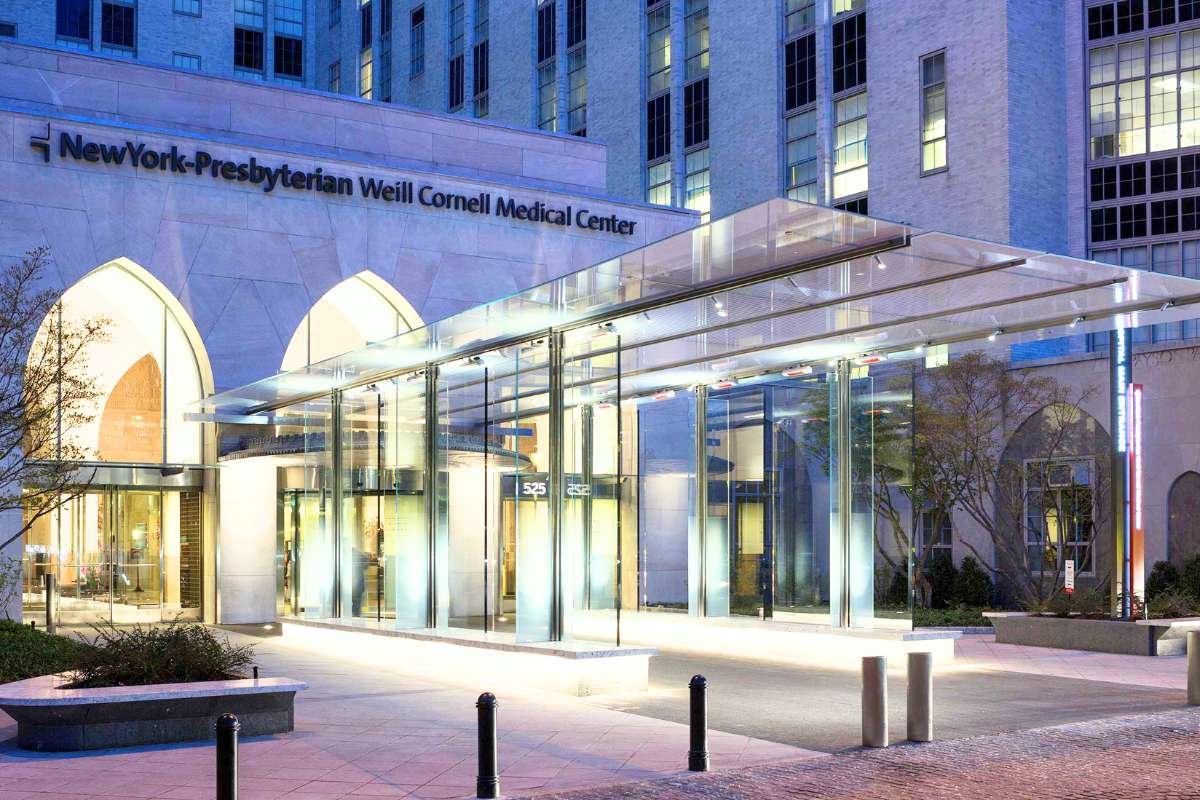
- Number of Beds: 862
- Opening Year: 1791
New York-Presbyterian Weill Cornell Medical Center is a major academic hospital in New York City. It is known for high-quality, comprehensive care across many specialties. The center handles thousands of patients annually, which is why it is part of the largest hospitals in the US.
It operates with 862 licensed beds, ensuring capacity for complex cases. As a top teaching hospital, it combines large-scale medical service with cutting-edge research. It is a vital resource for the entire region.
9. Orlando Health Orlando Regional Medical Center
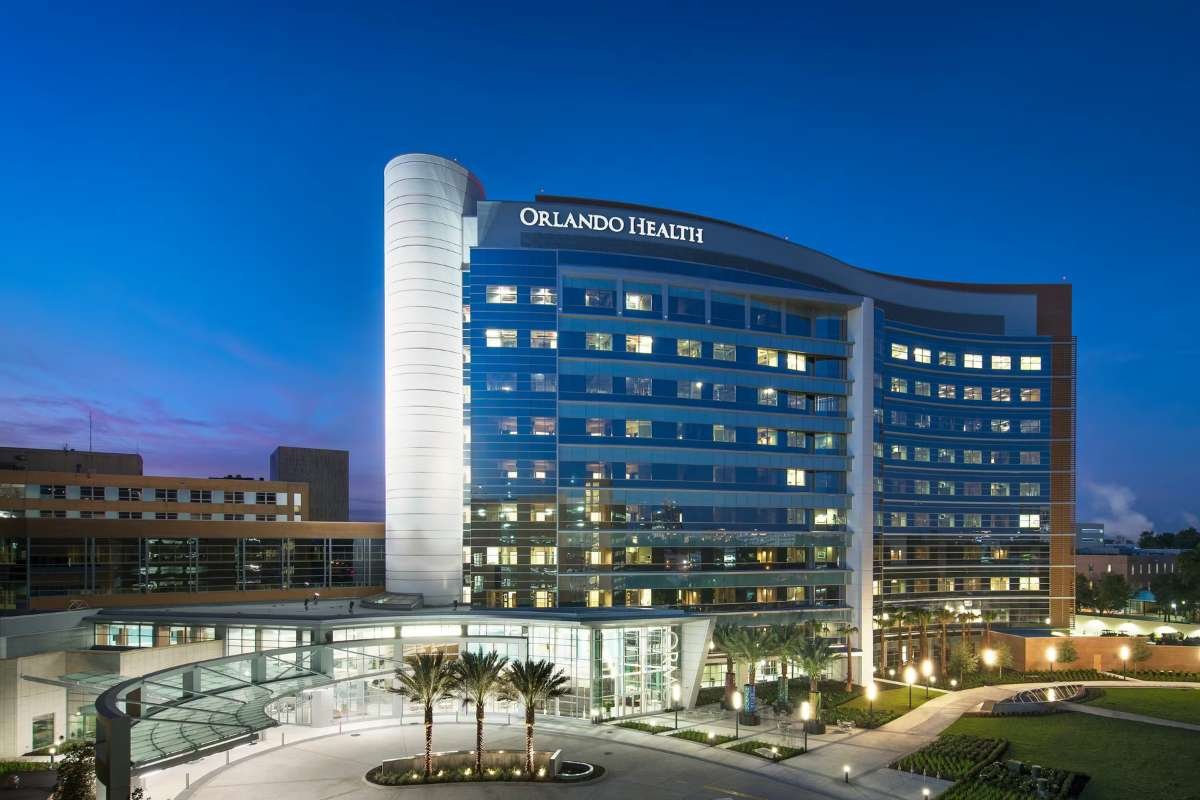
- Number of Beds: 808
- Opening Year: 1918
Orlando Health Orlando Regional Medical Center (ORMC) is the flagship hospital of its health system. It operates with 808 beds as one of Central Florida’s largest tertiary care centers. ORMC is the only Level I Trauma Center in the region.
The trauma center and bed numbers mean it provides the highest level of care for the most severely injured. The US News & World Report ranked the hospital as high-performing for specialty programs.
10. Montefiore Hospital – Moses Campus

- Number of Beds: 720
- Opening Year: 1884
Montefiore Hospital, specifically the Moses Campus, is a massive academic medical center in the Bronx. It is the flagship facility of Montefiore Health System. Founded in 1884 by a Jewish philanthropist, it is dedicated to serving the community.
With about 720 beds, it is among the largest hospitals in the US by bed numbers. It manages an extremely high volume of complex patient cases. The campus is also a teaching and research hub, dedicated to providing advanced care to its diverse urban community.
11. Norton Hospital
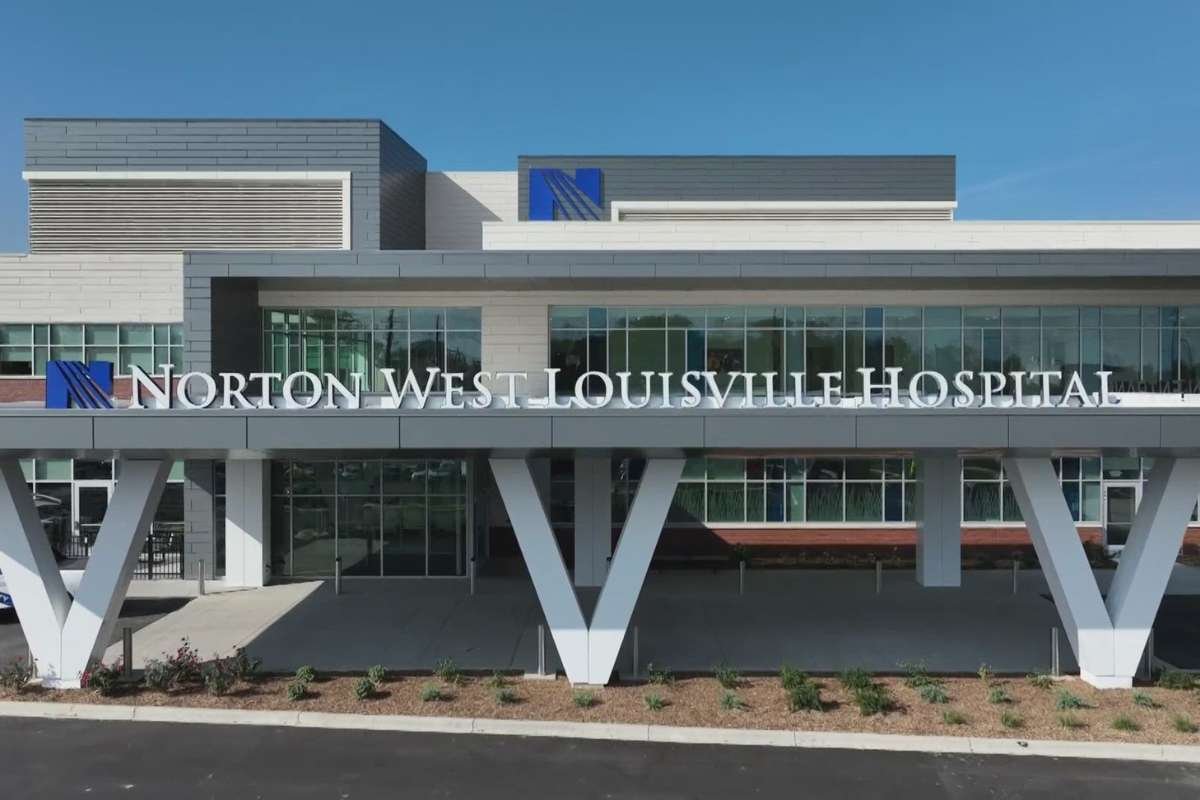
- Number of Beds: 605
- Opening Year: 1886
Norton Hospital, located in Louisville, Kentucky, is a key part of Norton Healthcare. It is a large, urban hospital serving a big patient base. The facility maintains 605 licensed beds. It offers extensive acute care services.
It is known for high standards in areas such as stroke and cardiac care. As a major provider, Norton Hospital delivers high-quality, comprehensive medical care to the Kentucky community.
12. Memorial Hermann Southwest Hospital
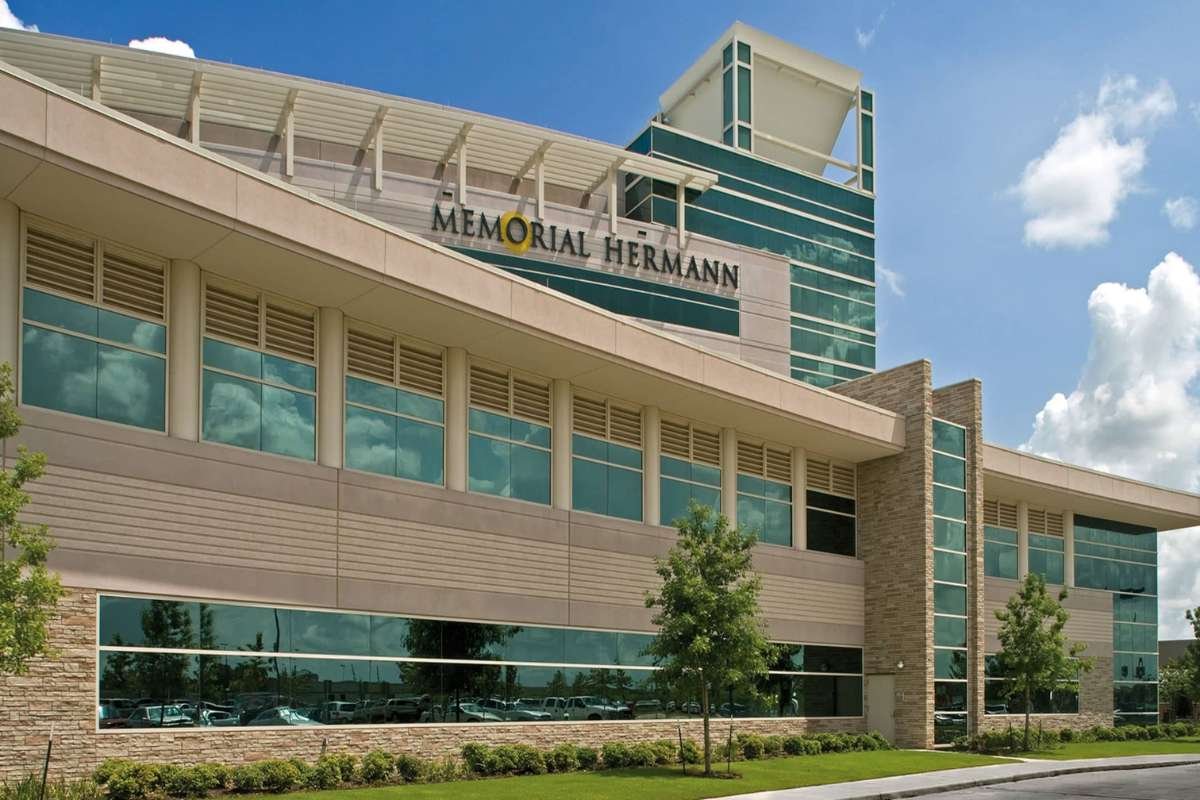
- Number of Beds: 541
- Opening Year: 1977
Memorial Hermann Southwest Hospital is a significant healthcare provider in Houston, Texas. It is a large facility with around 540 licensed beds. The hospital handles a high volume of local patients. It is known as a Comprehensive Stroke Center and a Level IV Trauma Center.
Their achievements include the prestigious Magnet Recognition for nursing excellence. This community-focused hospital offers comprehensive specialty care, including heart and neuroscience services.
Read Next:
- 17 Largest Hospitals in the World: Examining Scale, Capacity, and Global Healthcare Impact
- 30 Top Life Science Companies That Are Leading Us Close to Curing the Incurable
Why America’s Largest Hospitals are Essential to Healthcare?
The largest hospitals in the US play a crucial role in the country’s health infrastructure. They offer extensive medical services that smaller clinics can’t match. Millions rely on them for complex, life-saving care, like trauma and transplant surgery. These massive centers also act as vital hubs for medical teaching and new research. They bring high-value care to huge populations.
They also create thousands of local jobs. Ultimately, these largest hospitals in the US ensure everyone can access specialized care and push medical boundaries forward. They truly shape how we get healthy.
Conclusion
The hospitals we’ve reviewed are more than just large buildings. They are critical centers of hope and healing. Knowing the capacity and focus of the largest hospitals in the US helps you make informed health choices. These institutions manage massive demands while pushing the limits of medical science. Size here truly enables the scope and depth of care.
We will continue to watch the 2026 rankings closely. High bed counts and large patient volumes prove their vital role. But what truly matters is the quality of care they deliver. When you seek complex treatment, these largest hospitals in the US are the places setting the standard for the entire industry. Stay tuned for the final ranking results.
FAQs
1. Do larger hospitals always mean higher costs?
Not necessarily. Costs depend on your insurance network. It also matters if the hospital is non-profit. The price relates to the complexity of the procedure. Large hospitals may offer more charity care.
2. What is a Level I Trauma Center?
A Level I Trauma Center is the highest designation. It provides the most comprehensive care for the most severely injured. Specialists and operating rooms are available 24/7. This saves critical time for accident victims.
3. What is an “Academic Medical Center”?
An Academic Medical Center (AMC) is linked to a medical school. They focus on patient care, education, and research. They often lead the way in new medical discoveries. This is where future doctors are trained.