Key Takeaway:
- Keto cut liver fat by about 67% in a small trial of adults with obesity and prediabetes.
- 50% of the keto group no longer met prediabetes criteria, versus 29% on Mediterranean and 7% on low-fat diets.
- Researchers caution that the study was small and short-term, so larger, longer studies are needed.
A Keto Diet cut liver fat by about 67% and helped half of adults with obesity and prediabetes no longer meet prediabetes criteria in a small randomized trial, researchers found.
Keto diet shows greater liver benefits
The study, published in Cell Metabolism, followed 42 adults with obesity, prediabetes and excess liver fat. Participants followed one of three weight-loss diets: a low-carbohydrate ketogenic diet, a Mediterranean diet or a low-fat, mostly plant-based diet.
The ketogenic diet provided about 4% of calories from carbohydrates and 73% from fat. The Mediterranean diet supplied about 50% of calories from carbohydrates and 35% from fat, while the low-fat diet provided about 70% of calories from carbohydrates and 15% from fat.
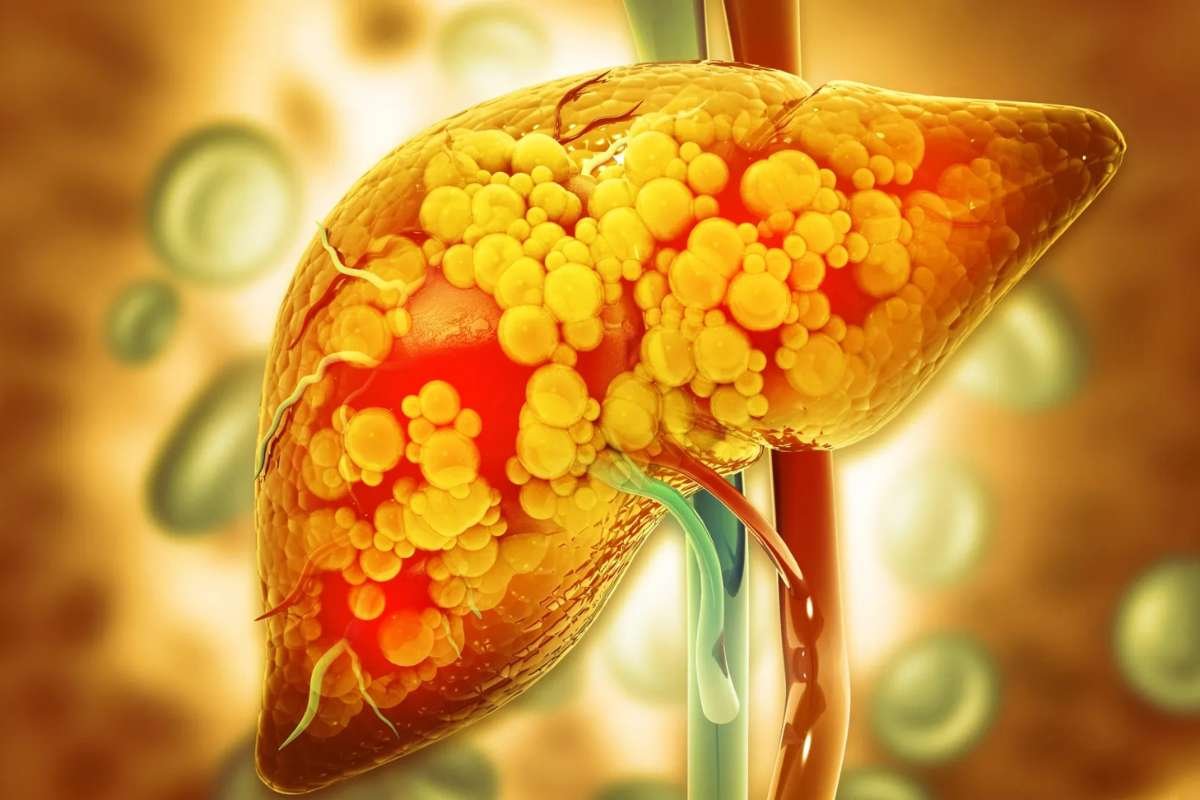
Liver fat fell by roughly 67% among participants following the ketogenic diet, compared with about 45% in each of the other groups. Researchers linked the greater reduction to lower production of new fat by the liver.
Liver insulin sensitivity also improved two to three times more in the ketogenic group than in the other groups. Insulin sensitivity measures how effectively the body responds to insulin and manages blood sugar.
Prediabetes measures improve across groups
About 50% of participants assigned to the Keto Diet no longer met the criteria for prediabetes at the end of the trial. That compared with 29% in the Mediterranean group and 7% in the low-fat group.
Muscle insulin sensitivity improved by about 50% across all three groups, suggesting that participants became better able to move blood sugar into muscle cells.
Glucose and insulin measures also generally improved more in the ketogenic group. The findings suggest that the makeup of a weight-loss diet may affect metabolic health beyond the effects of weight loss itself.
Registered dietitian nutritionist Ilana Muhlstein said the findings reinforce the importance of considering the types of calories people consume, not only their total calorie intake.
“I love more and more validation and recognition that calories are not equal,” said Muhlstein, a California-based nutrition expert.
Muhlstein said the similar weight loss across the groups but different metabolic outcomes showed that macronutrient composition may influence changes in health markers.
Experts urge caution with long-term keto
Muhlstein said lower carbohydrate intake may help some people with fatty liver disease by encouraging the body to use stored fat for energy. She said the study is particularly relevant to people with prediabetes or blood sugar irregularities.
The ketogenic group did not show higher cholesterol or blood-fat measurements during the short trial, according to the study. Muhlstein said the finding is encouraging, but warrants caution for people with a family history of heart disease or a high risk of cardiovascular disease.
“Keto is not something I recommend for anyone long-term because of the high saturated fat, and usually it translates into a lower-fiber diet, which is not good for heart health,” Muhlstein said.
She suggested that some people could consider a Keto Diet as a short-term approach before transitioning to a Mediterranean diet, which she said may offer broader benefits for heart and brain health.
Researchers cautioned that the trial was small and short, with about 14 participants in each diet group. The limitations mean the findings cannot necessarily be applied to the general population.