Key Points:
- A gout genetics study finds inherited factors, not diet or alcohol, are the main cause of gout.
- Misconceptions create stigma, delaying diagnosis and treatment.
- New genetic insights offer pathways for better and repurposed treatments.
An international gout genetics study analyzing genetic data from more than 2.6 million people reported that gout is driven largely by inherited factors, overturning long-standing assumptions that diet and alcohol are the primary causes.
Scientists Identify Hundreds of Genetic Regions Tied to Gout
The gout genetics study, published in Nature Genetics, compared DNA from people with and without gout and found 377 regions linked to the disease, including 149 never reported before. The work used 13 global datasets and included more than 120,000 people with gout.
Researchers said the findings show genetics influences every stage of the condition, from uric acid transport to how the immune system responds to crystal buildup in joints. “Gout is a chronic disease with a genetic basis and is not the fault of the sufferer,” said Tony Merriman, an epidemiologist at the University of Otago. “The myth that gout is caused by lifestyle or diet needs to be busted.”
Experts noted that lifestyle factors still contribute to risk, but the new data highlight the dominant role of genetic variation. The team believes additional genetic links are likely to be discovered as more diverse datasets become available.
Misconceptions Fuel Delayed Diagnosis and Untreated Pain
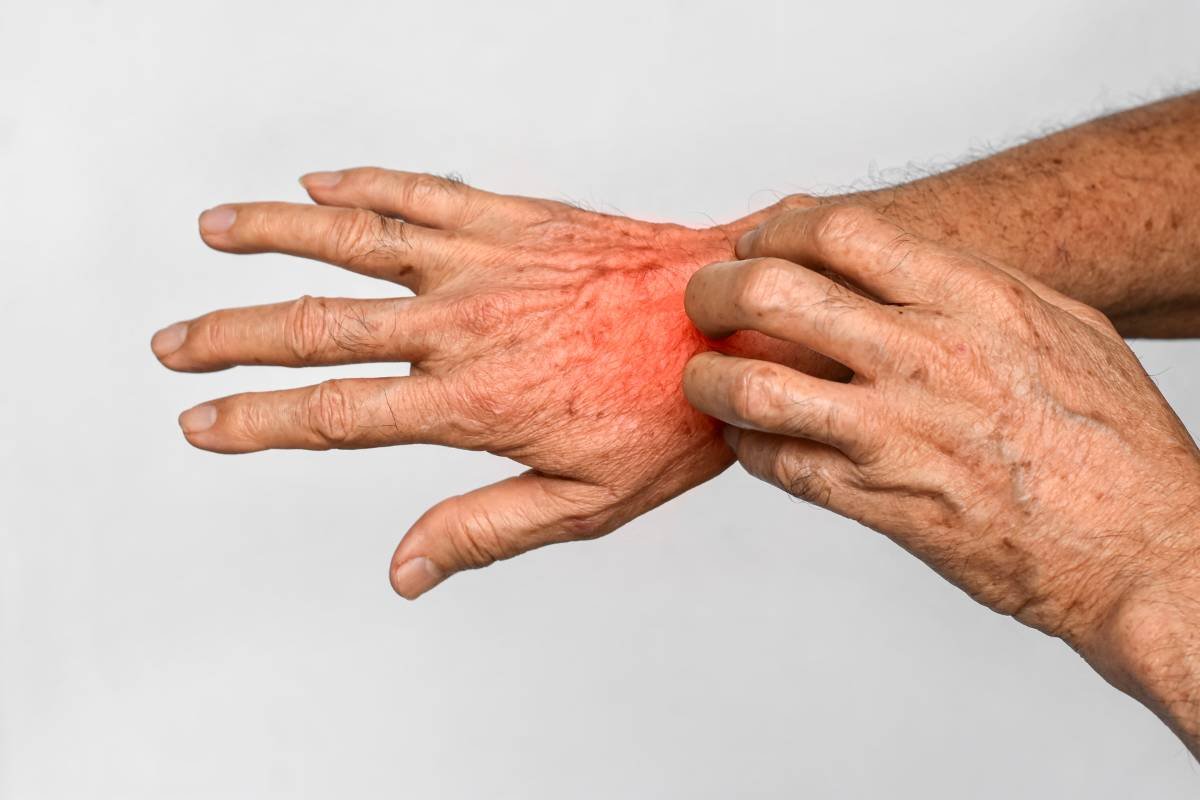
Gout occurs when high uric acid levels form sharp crystals that trigger painful immune reactions. Cases are rising worldwide, but researchers said stigma often stops patients from seeking help.
“This widespread myth causes shame in people with gout,” Merriman said. “Some people suffer in silence and do not see a doctor for preventive drugs that lower urate in the blood and prevent pain.”
Clinicians said the gout genetics study underscores the need to shift public messaging toward early diagnosis and long-term management. “These findings can change how we talk to patients,” said Dr. Kavita Rao, a rheumatologist at Mumbai’s Jaslok Hospital. “When people know it’s not a personal failure, they are more likely to start treatment and stick with it.”
Findings Open Doors for New and Repurposed Treatments
Beyond clarifying causes, the gout genetics study provides new pathways for treatment development. Researchers said some existing drugs could be tested for their ability to regulate immune responses tied to uric acid buildup.
However, the study had limits. Most participants were of European ancestry, and some data relied on self-reported cases rather than clinical diagnoses. Even so, experts said it marks one of the most comprehensive analyses of the condition to date.
“We hope that better and more accessible treatments will become available with the new targets we identified,” Merriman said. “Gout deserves more health-spend resources and greater prioritization in the health system.”