During my hostel days, cooking was a survival skill. Between lectures, deadlines, and exams that felt designed to humble you, food had one job, be fast, cheap, and impossible to mess up. That’s where eggs entered my life and never really left.
One pan. Two minutes. No instructions. No planning.
If you could boil water, you could feed yourself.
Over time, the egg stopped being food and started becoming a default setting. Breakfast? Eggs. Late dinner? Eggs. “I have nothing in the fridge” dinner? Somehow, still eggs. And when nutrition entered the conversation, the egg was still at the top of the list; six grams of protein, complete amino acids, problem solved.
Except it wasn’t.
As life moved beyond hostels and into longer workdays, real hunger, and real nutritional needs, that six-gram comfort blanket started to feel… thin. Eating enough protein through eggs alone meant repetition, boredom, and an impressive ability to tolerate the smell of sulphur at odd hours.
That’s when I started paying attention to foods with more protein than an egg; not out of rebellion, but out of practicality. Because once cooking shifts from necessity to intention, you realize how many better, smarter, and more satisfying options were sitting there the whole time.
The “Gold Standard” Benchmark
Before we dive into the list, let’s establish our baseline using data from the USDA FoodData Central:
- The Contender: 1 Large Egg (Boiled)
- The Stat to Beat: 6 grams of protein
- The Goal: Identify foods that exceed this number in a standard, realistic serving size.
Here are the Top 25 Foods with More Protein than an Egg:
The Heavy Hitters: Meat & Poultry:
When strictly discussing efficiency, lean meats offer the highest protein-to-calorie ratio.
1. Chicken Breast
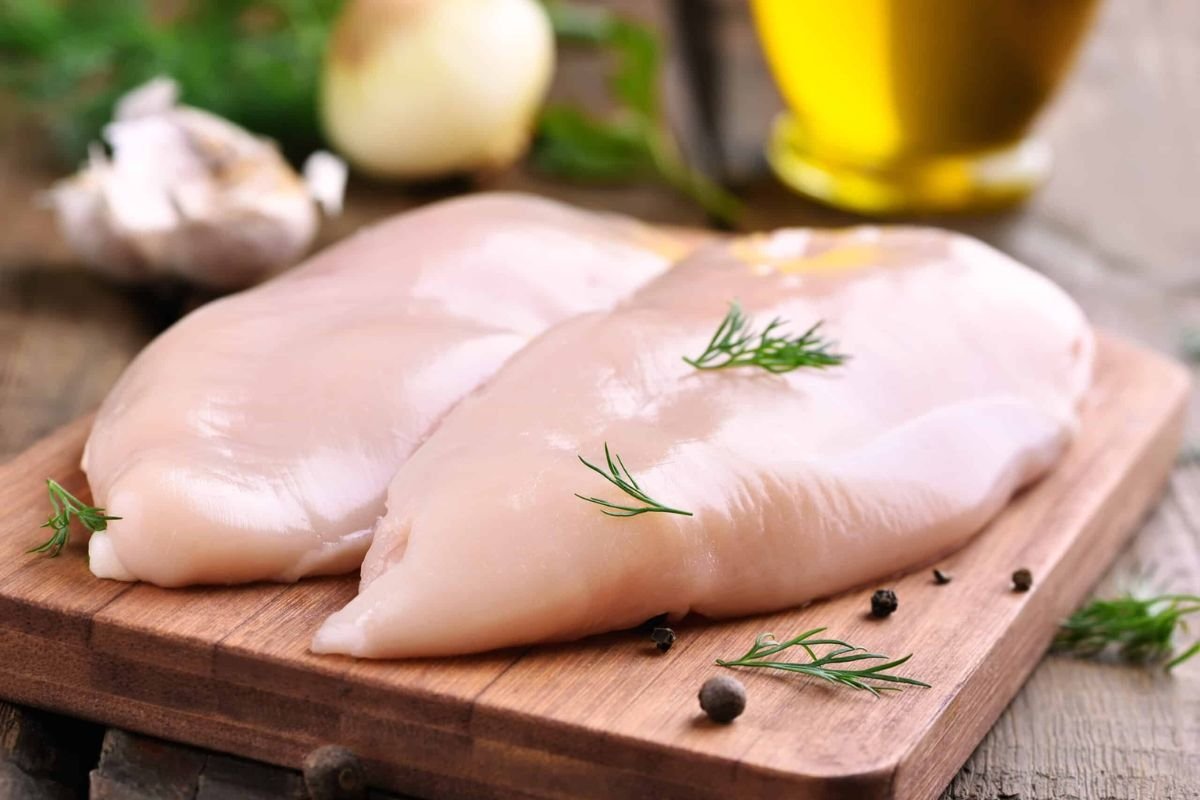
Few ingredients command the nutritional respect of the humble chicken breast. A standard 3-ounce serving delivers nearly four times the protein of our baseline. It serves as the ultimate blank canvas for culinary creativity.
- Nutritional Breakdown (3 oz cooked): 26g Protein | 140 Calories | 1.5g Leucine
- Expert Spotlight: Dr. Donald Layman, Professor Emeritus at the University of Illinois, highlights poultry as a primary source of leucine. Research shows you need roughly 2.5g of leucine to trigger muscle protein synthesis (MPS). While you would need to eat 4 eggs to hit this threshold, a single chicken breast does the job efficiently.
2. Turkey Breast
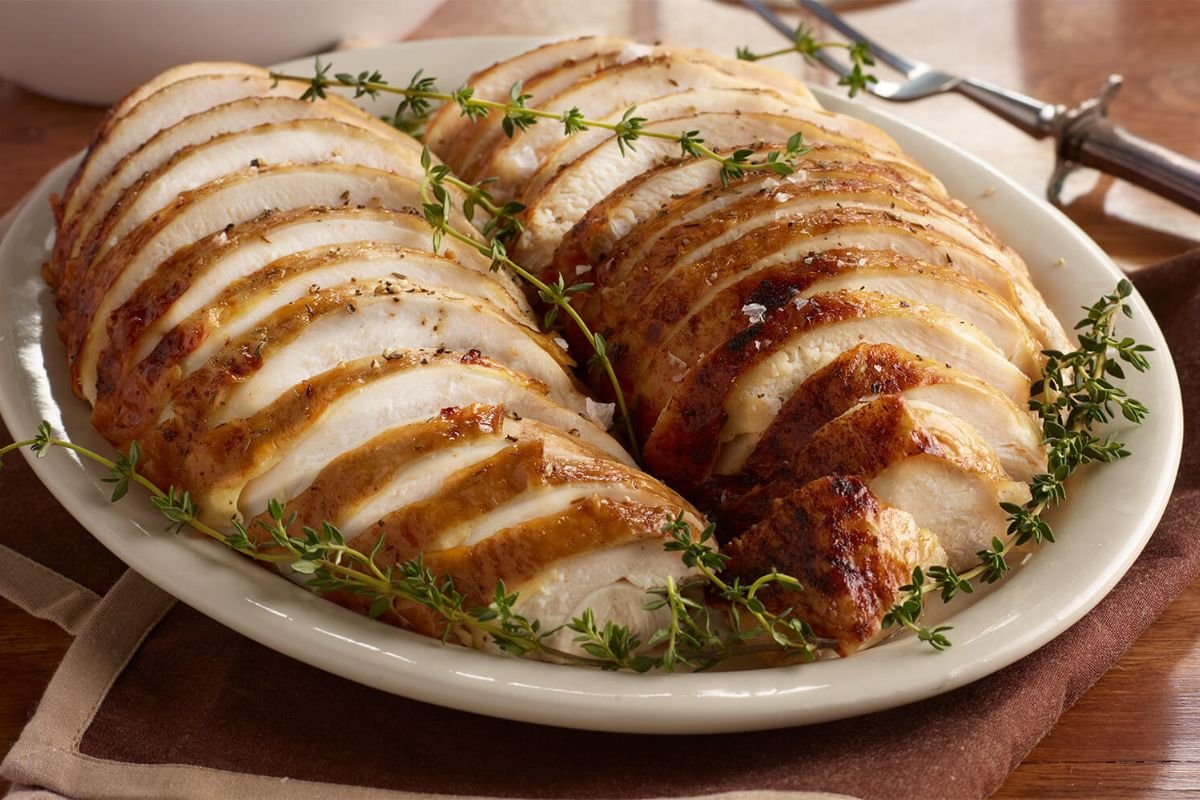
Turkey suffers from “holiday syndrome,” yet it deserves a spot in your weekly rotation. It is leaner than chicken and packs a massive punch. A simple turkey sandwich on whole-grain bread easily provides one of the most accessible foods with more protein than an egg.
- Nutritional Breakdown (3 oz cooked): 25g Protein | 125 Calories | 24mg Selenium
- Key Insight: Turkey is notoriously high in selenium, a trace mineral essential for thyroid metabolism and DNA synthesis. One serving provides nearly 47% of your Daily Value (DV).
3. Lean Beef (Sirloin or 93% Lean Ground)
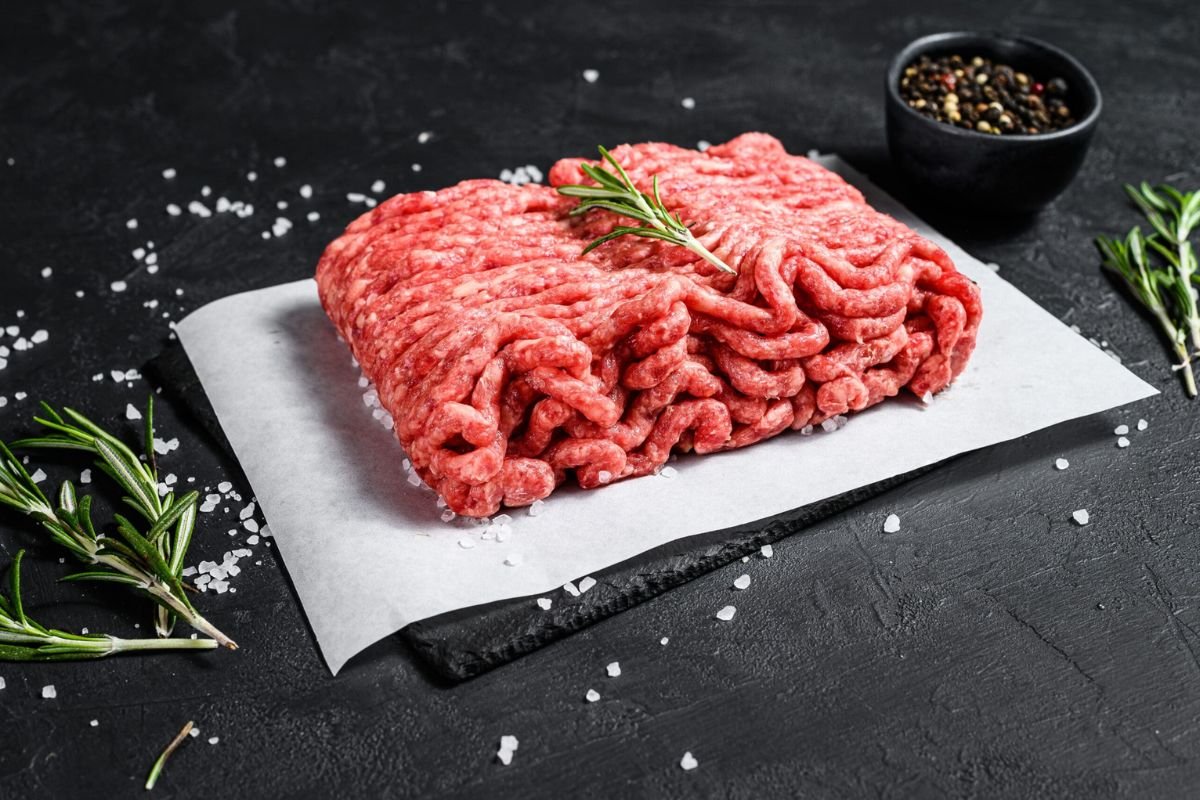
Red meat often gets a bad rap, but lean cuts provide highly bioavailable protein along with iron and zinc. The key is selecting cuts like sirloin or flank steak.
- Nutritional Breakdown (3 oz cooked): 22g Protein | 150 Calories | 2.5mg Iron (Heme)
- Case Study: The BOLD (Beef in an Optimal Lean Diet) Study, published in the American Journal of Clinical Nutrition, demonstrated that including lean beef in a low-saturated-fat diet helped participants maintain healthy cholesterol levels while preserving muscle mass.
4. Pork Loin
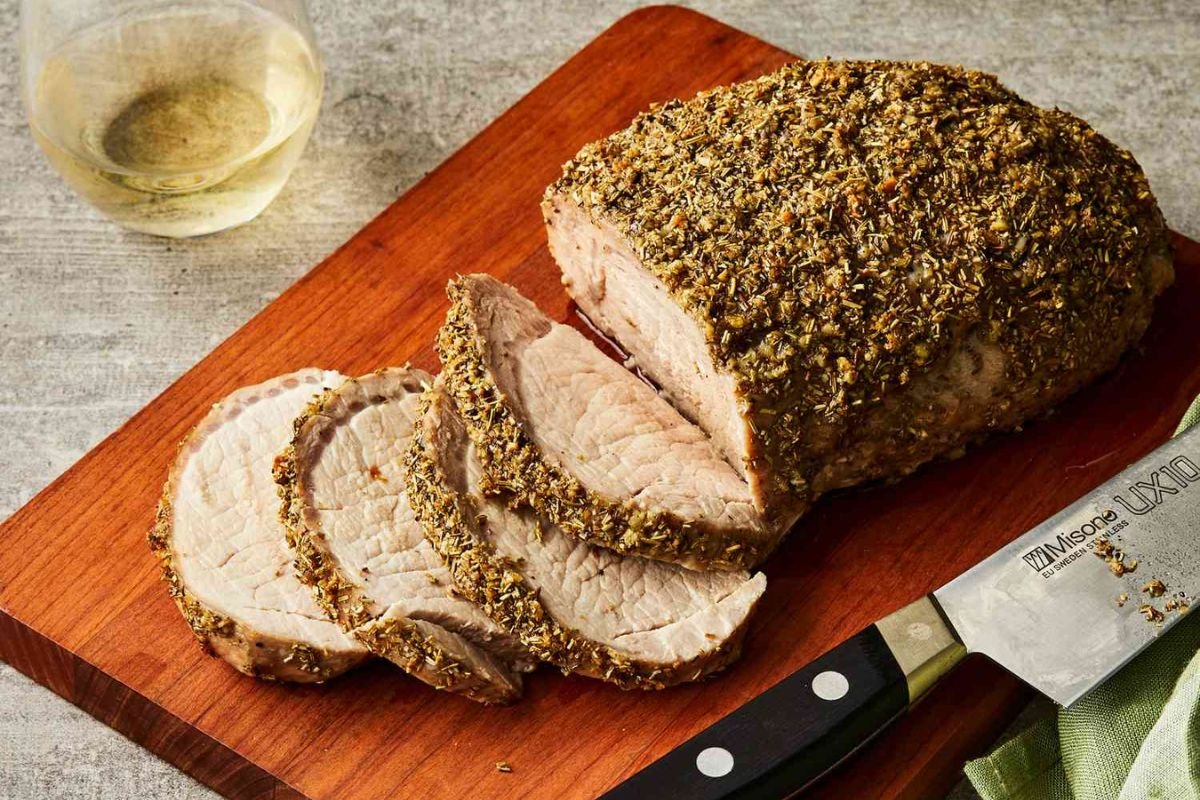
Marketing campaigns once dubbed this “the other white meat,” and nutritionally, it holds up. Pork chops or roasted loin offer complete proteins that keep satiety levels high for hours.
- Nutritional Breakdown (3 oz cooked): 23g Protein | 145 Calories | 1.2mg Thiamin
- Research Note: Pork is the premier natural source of Thiamin (Vitamin B1), containing significantly more than beef or chicken. Thiamin is critical for glucose metabolism, helping your body turn carbs into energy.
5. Bison

For those seeking a gamey, rich flavor with less fat than traditional beef, bison is the answer. It is typically grass-fed, resulting in a superior Omega-3 profile compared to grain-fed cattle.
- Nutritional Breakdown (3 oz cooked): 24g Protein | 121 Calories | 3mg Iron
- Why It Wins: Bison contains higher levels of CLA (Conjugated Linoleic Acid) than grain-fed cattle, a fatty acid linked to improved metabolic health and reduced body fat in some clinical trials.
The Ocean’s Bounty: Fish & Seafood
Seafood offers a “two-for-one” deal: massive protein counts paired with heart-healthy fats.
6. Yellowfin Tuna
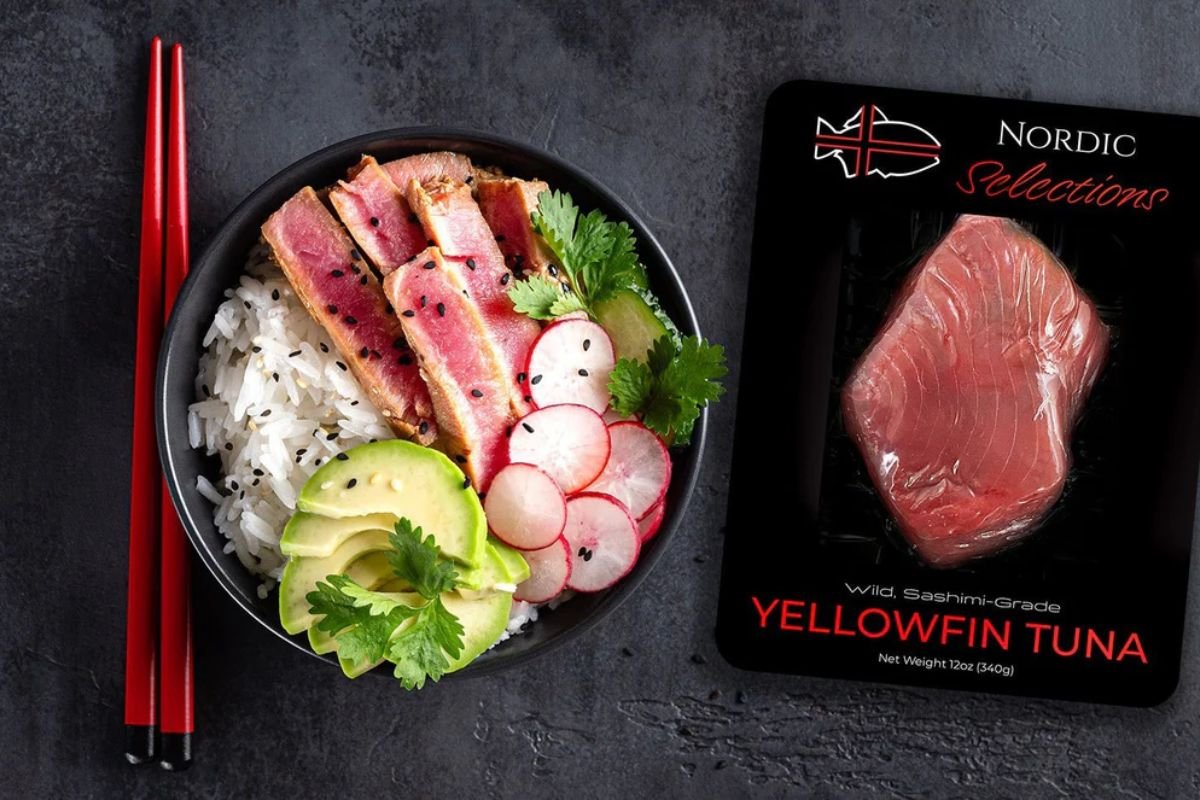
Whether you choose a fresh steak or a high-quality canned variety, tuna is pure efficiency. It is nearly 100% protein calories.
- Nutritional Breakdown (3 oz cooked): 25g Protein | 110 Calories | 0g Carbs
- Safety Check: Due to mercury content, the FDA recommends limiting Albacore or Yellowfin intake to once or twice a week. “Light” tuna generally has lower mercury levels than white (Albacore) tuna.
7. Wild Salmon
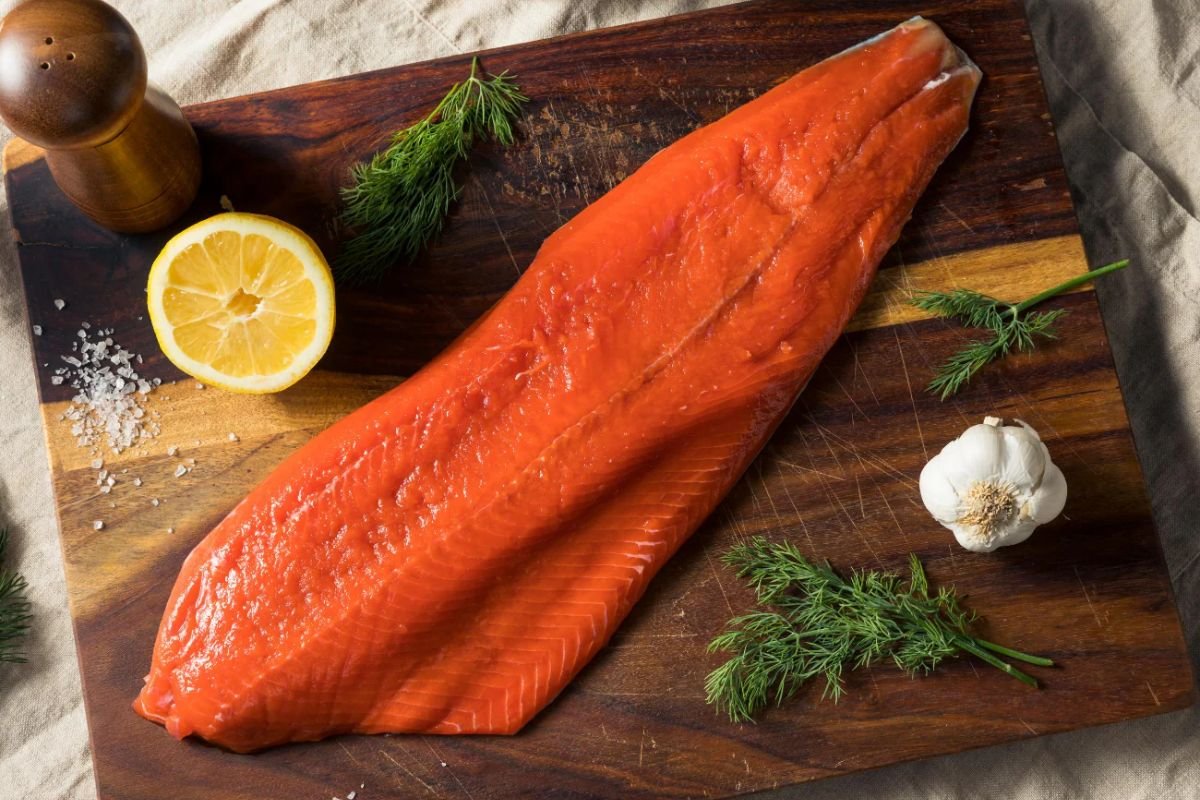
Salmon brings heavy nutritional artillery. While you get three times the protein of an egg, you also receive a potent dose of Omega-3 fatty acids (EPA and DHA), which support brain health and reduce inflammation.
- Nutritional Breakdown (3 oz cooked): 20g Protein | 155 Calories | 1500mg Omega-3s
- Nutrient Spotlight: Wild salmon is rich in Astaxanthin, the antioxidant responsible for its pink hue. Studies suggest astaxanthin supports skin elasticity and reduces oxidative stress in athletes.
8. Shrimp
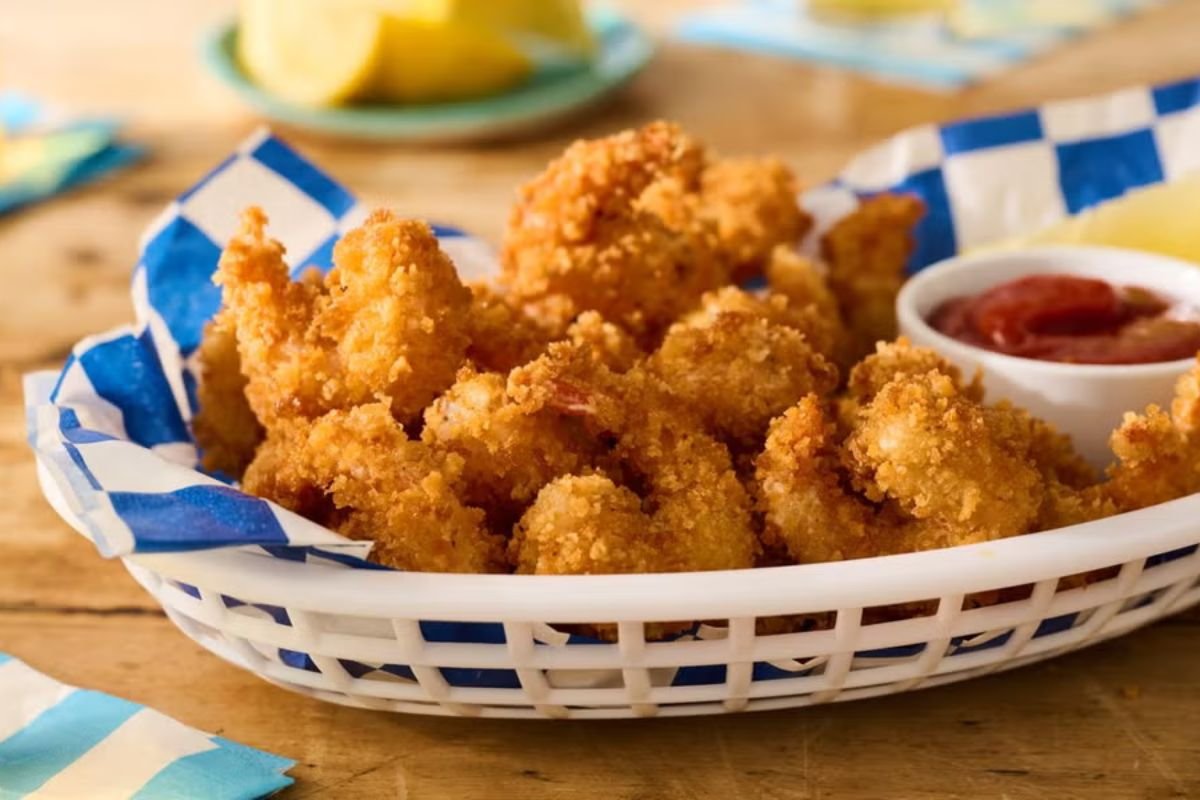
Shrimp are the “popcorn” of the protein world. You can eat a significant volume for very few calories. Twelve large shrimp provide a massive protein boost without the heavy feeling of red meat.
- Nutritional Breakdown (3 oz cooked): 18g Protein | 84 Calories | 48mg Cholesterol
- Myth Buster: While shrimp is high in dietary cholesterol, extensive research from the American Heart Association clarifies that saturated fat, not dietary cholesterol, is the primary driver of blood cholesterol levels for most people.
9. Sardines
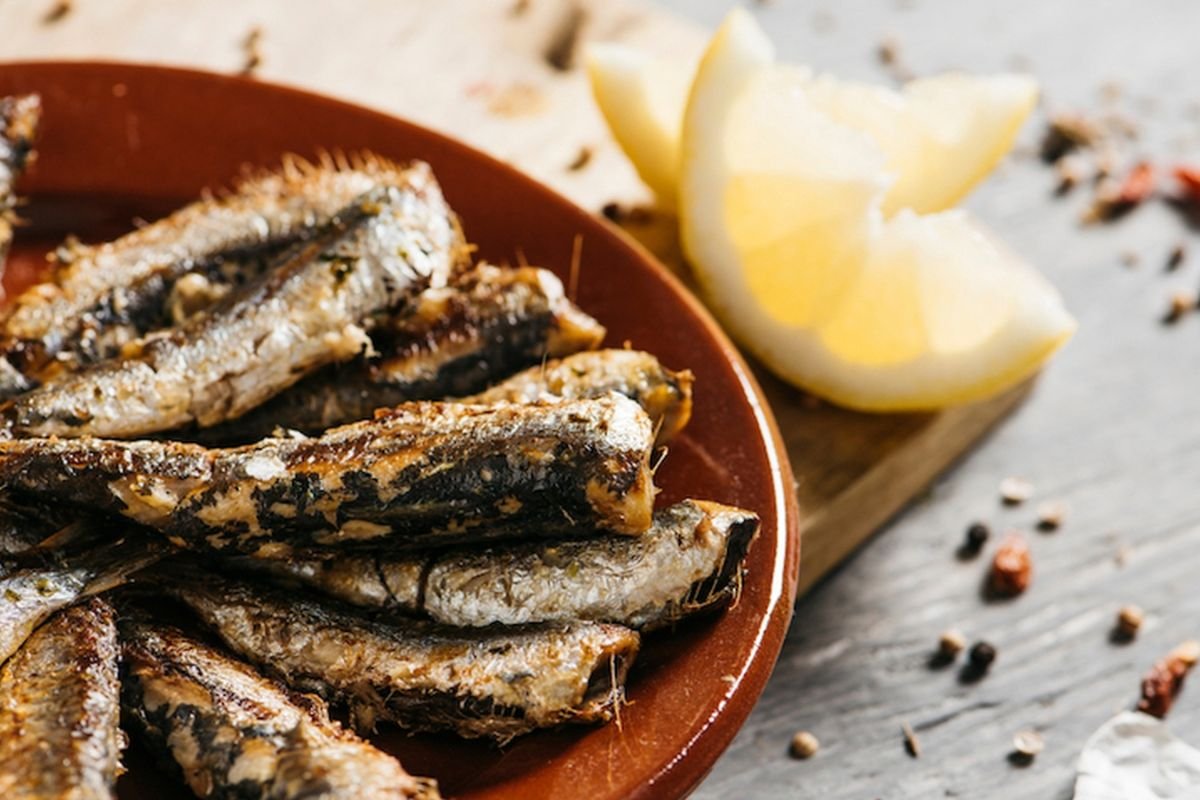
Do not turn your nose up at these nutritional powerhouses. Sardines are arguably the healthiest food on this list. They are low in mercury, high in calcium (thanks to edible bones), and undoubtedly one of the best foods with more protein than an egg.
- Nutritional Breakdown (1 can, 3.75 oz): 23g Protein | 351mg Calcium | 300 IU Vitamin D
- Bone Health: One can of sardines contains more calcium than a glass of milk, making it a critical protein source for those who avoid dairy.
10. Scallops
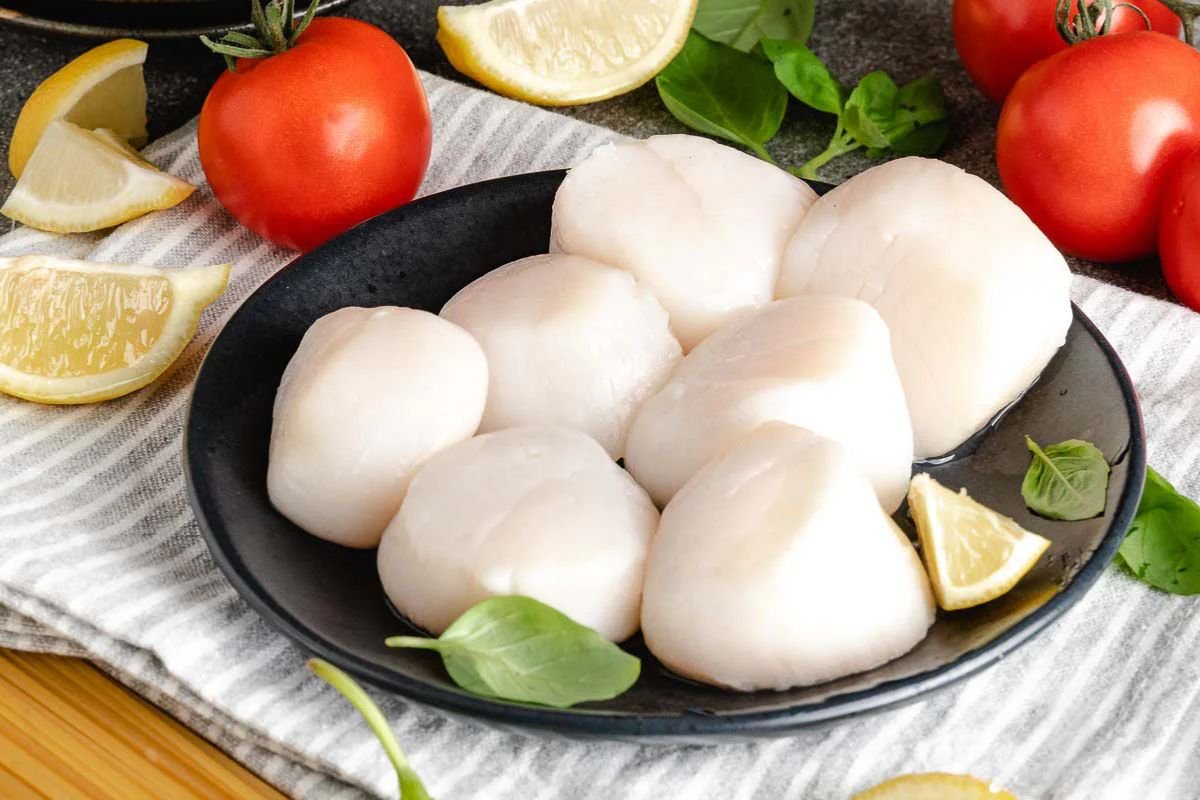
Scallops consist of 80% protein calories. They taste indulgent and buttery but remain incredibly lean. They cook in minutes, making them a perfect fast-food alternative for the health-conscious.
- Nutritional Breakdown (3 oz cooked): 17g Protein | 95 Calories | 275mg Potassium
- Mineral Bonus: Scallops are an excellent source of Magnesium, which aids in muscle relaxation and sleep quality.
Read More:
The Dairy Defenders
Dairy products contain casein and whey, two proteins heavily researched for their ability to aid muscle recovery.
11. Greek Yogurt
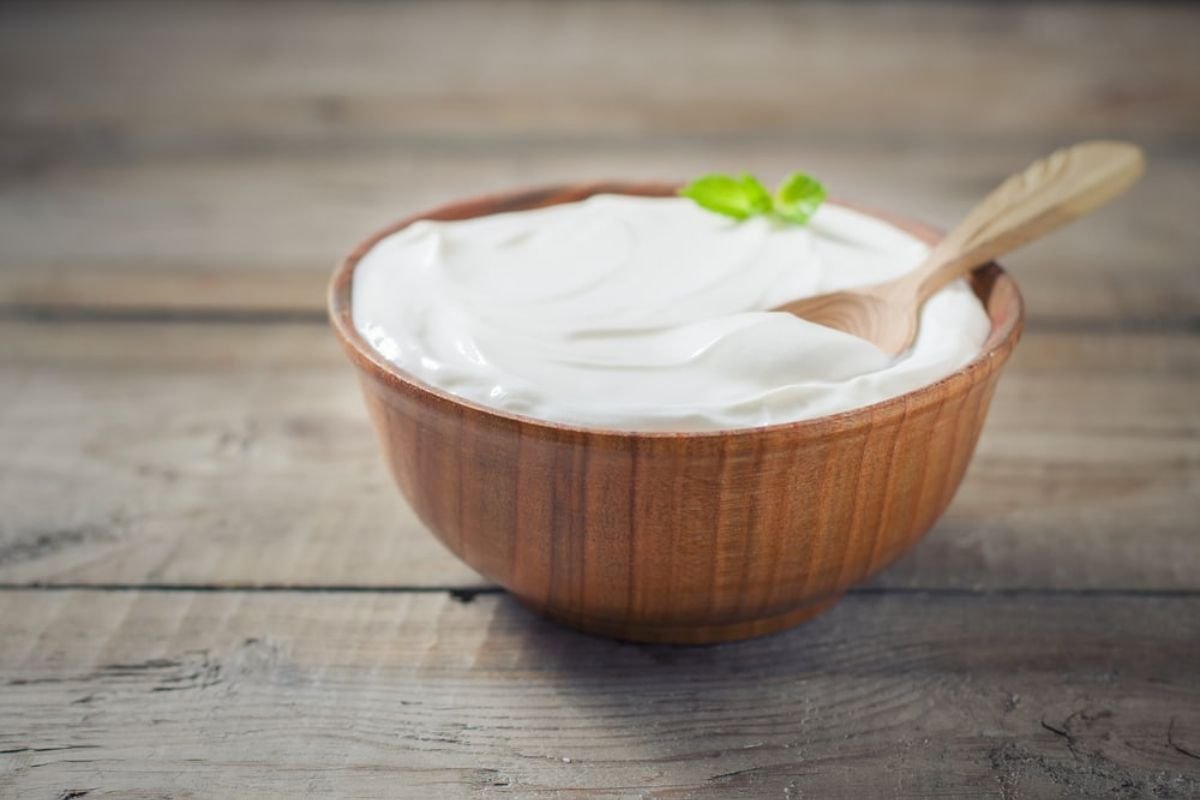
The straining process removes liquid whey, resulting in a thicker, protein-dense yogurt. Opt for plain, non-fat versions to control sugar intake. It serves as an excellent breakfast swap that keeps blood sugar stable.
- Nutritional Breakdown (6 oz container): 18g Protein | 100 Calories | Probiotics
- Gut Health: Look for labels that explicitly state “Live and Active Cultures.” Strains like Lactobacillus acidophilus aid digestion, making the protein easier for your body to utilize.
12. Cottage Cheese
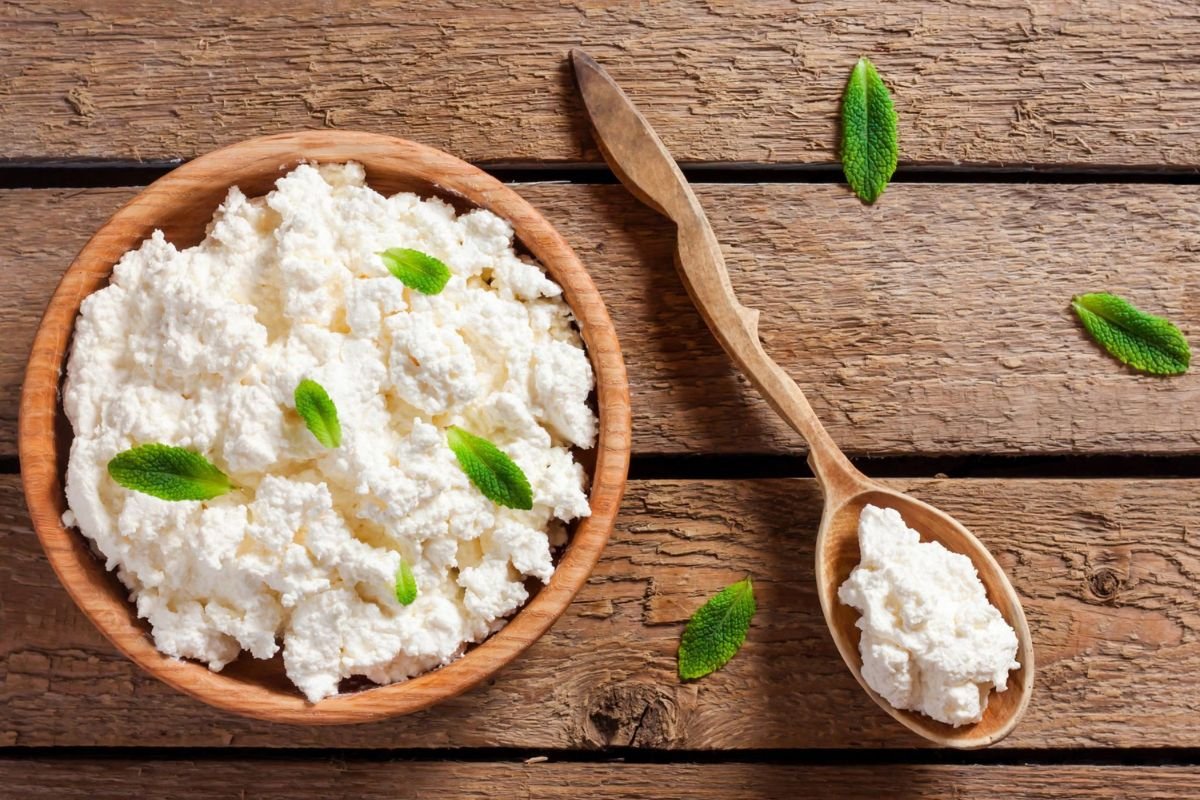
Cottage cheese is experiencing a cultural renaissance. Packed with casein protein (which digests slowly), it is the perfect bedtime snack to fuel muscle repair while you sleep.
- Nutritional Breakdown (1 cup): 28g Protein | 180 Calories | Slow-digesting Casein
- Review: Registered Dietitians at McDaniel Nutrition favor brands like Good Culture for avoiding gums (like carrageenan) and using active cultures, which improve texture and digestibility compared to budget brands.
13. Swiss Cheese
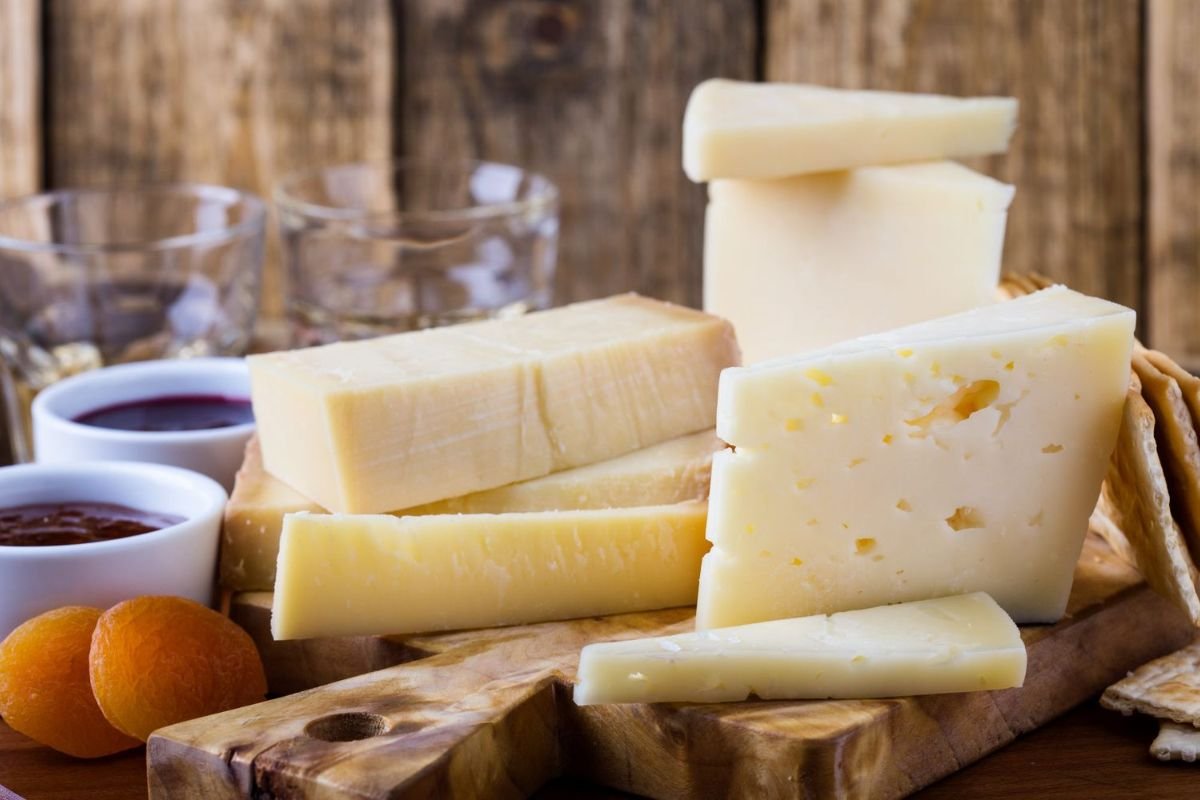
While most cheeses are high in fat, Swiss cheese is surprisingly protein-forward. A single slice of your sandwich contributes more protein than a hard-boiled egg.
- Nutritional Breakdown (1 oz slice): 8g Protein | 110 Calories | Low Sodium
- The “Holes” Factor: The bacteria used to make Swiss cheese (Propionibacterium) consume the lactose and produce carbon dioxide (creating the holes), making Swiss naturally lower in lactose than many other cheeses.
14. Milk (Ultra-Filtered)
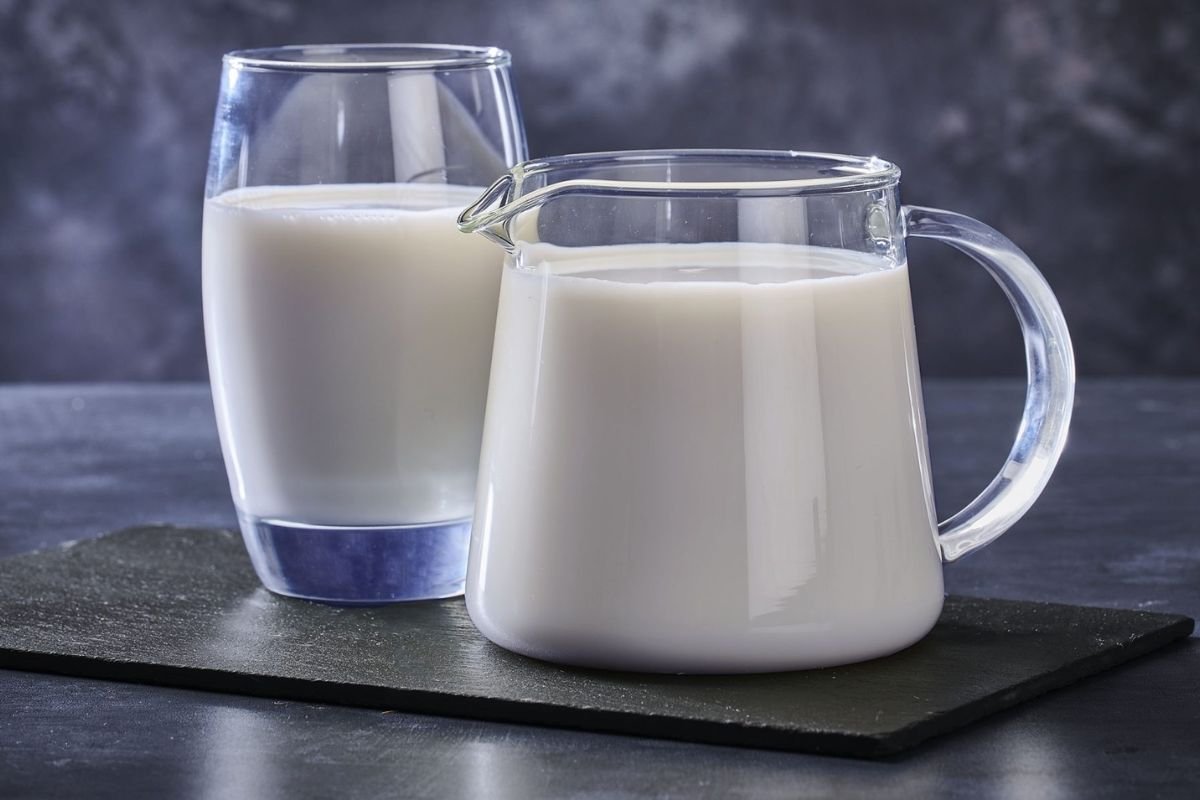
Standard milk has about 8g of protein, but ultra-filtered milks (like Fairlife) concentrate the protein and reduce the sugar. A glass of this represents one of the easiest liquid foods with more protein than an egg.
- Nutritional Breakdown (1 cup): 13g Protein | 6g Sugar | 380mg Calcium
- How It Works: The milk is passed through fine filters to separate lactose and water from the protein and calcium, resulting in a nutrient-dense beverage without added powders.
Plant-Based Powerhouses
The myth that plants lack protein ends here. These items provide fiber alongside amino acids.
15. Tempeh
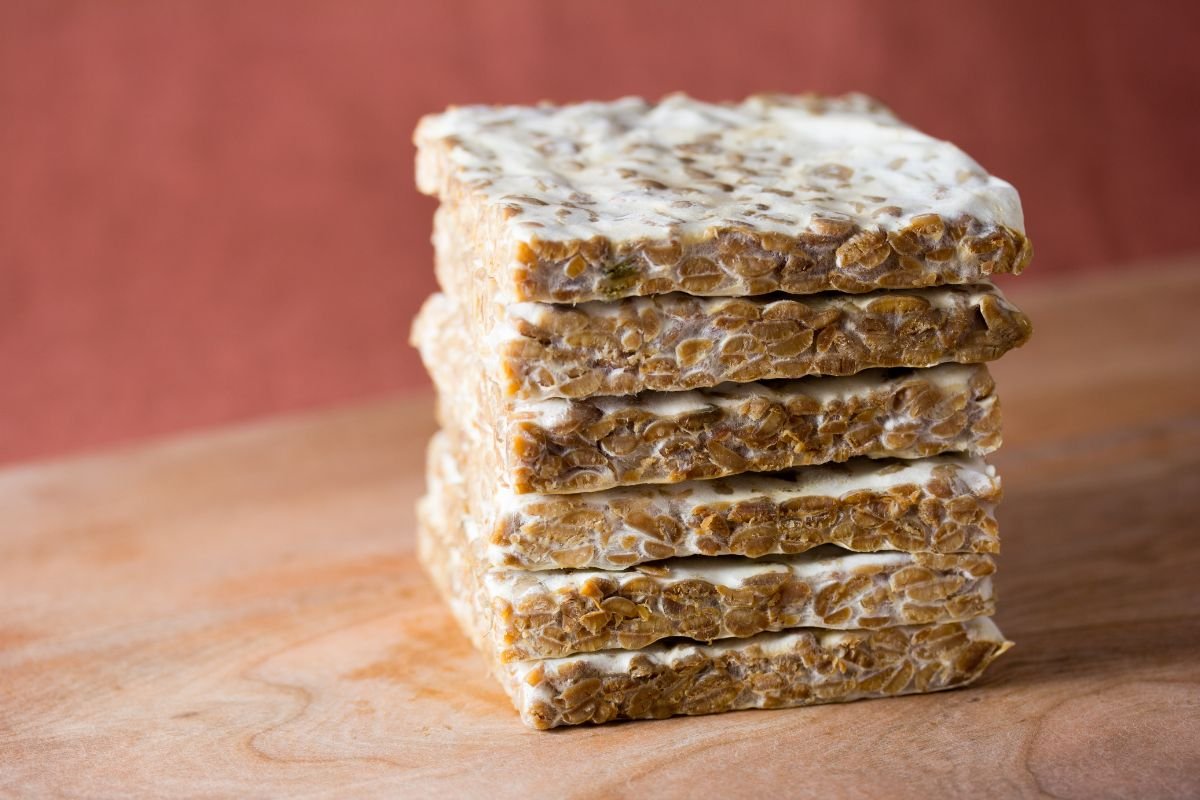
Tempeh crushes the competition. Made from fermented soybeans, it offers a firm texture and a nutty flavor profile. It contains nearly five times the protein of an egg in a single cup serving. It is a gut-health champion due to the fermentation process.
- Nutritional Breakdown (1 cup): 31g Protein | 320 Calories | Prebiotics
- Bioavailability: The fermentation process reduces the “anti-nutrients” (phytates) found in raw soy, making the zinc and iron in tempeh easier for your body to absorb.
16. Seitan (Wheat Gluten)
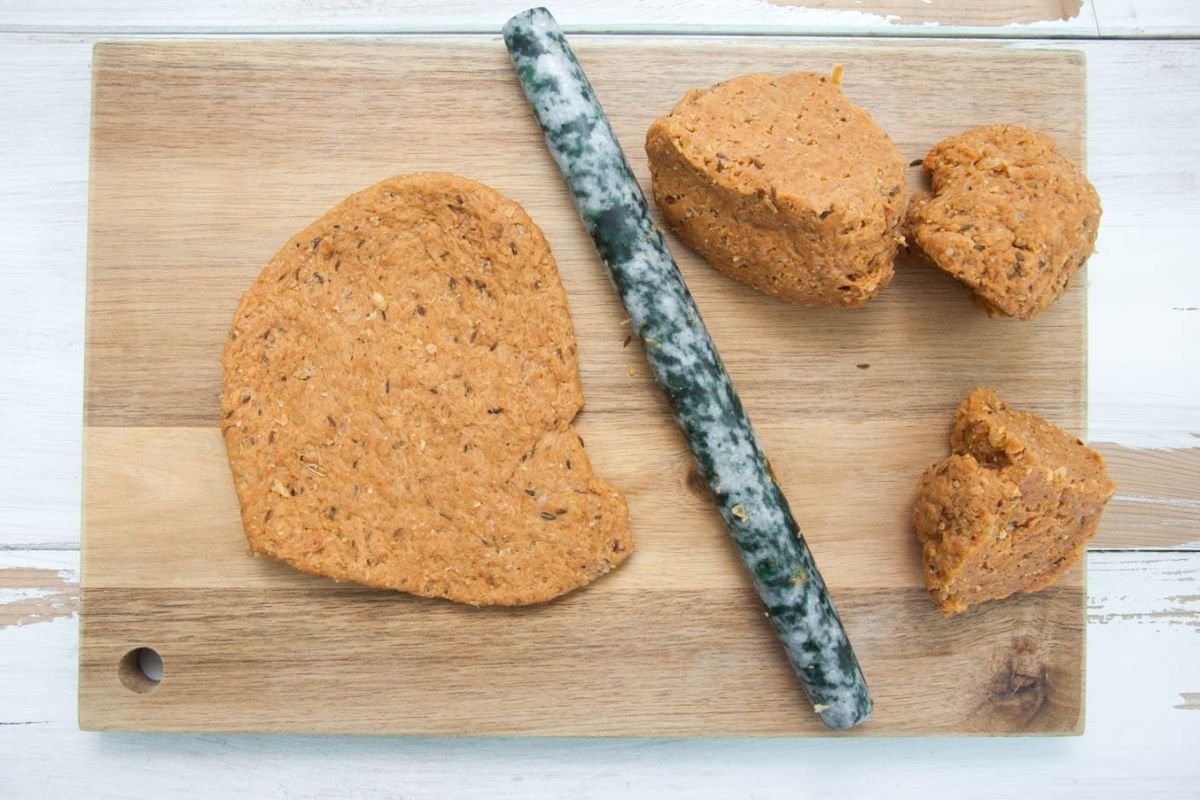
Known as “wheat meat,” seitan mimics the texture of chicken or beef with uncanny accuracy. It is the densest plant protein available, though it is not suitable for those with celiac disease.
- Nutritional Breakdown (3.5 oz): 25g Protein | 120 Calories | Low Lysine
- Expert Tip: Seitan has a low PDCAAS (Protein Digestibility Corrected Amino Acid Score) because it lacks the amino acid Lysine. To make it a complete protein meal, simply pair it with lysine-rich foods like white beans or soy sauce.
17. Lentils
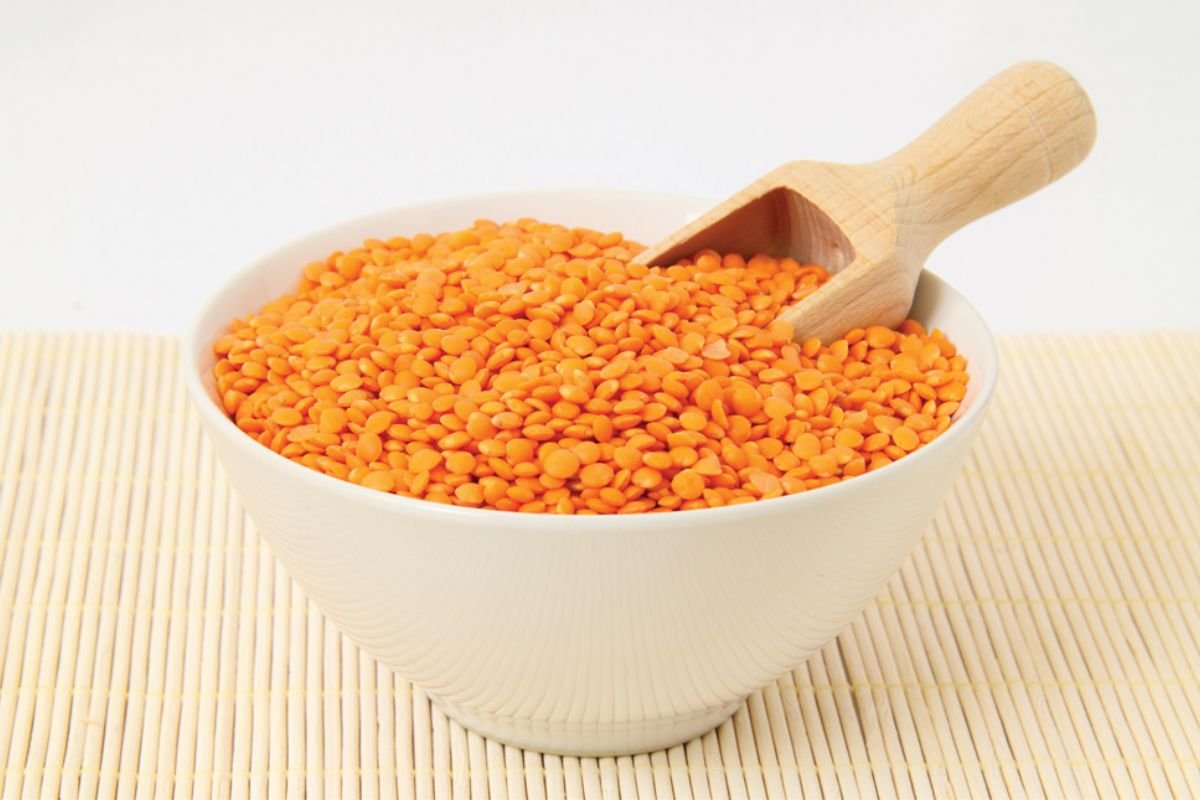
Lentils are the unsung hero of the pantry. They are cheap, shelf-stable, and packed with polyphenols. Combining lentils with rice creates a complete protein profile, though lentils alone easily surpass the 6g threshold.
- Nutritional Breakdown (1 cup cooked): 18g Protein | 16g Fiber | 90% DV Folate
- Research: A study in the Journal of Nutrition highlights lentils as having the highest total phenolic content among common legumes, offering potent antioxidant protection against chronic disease.
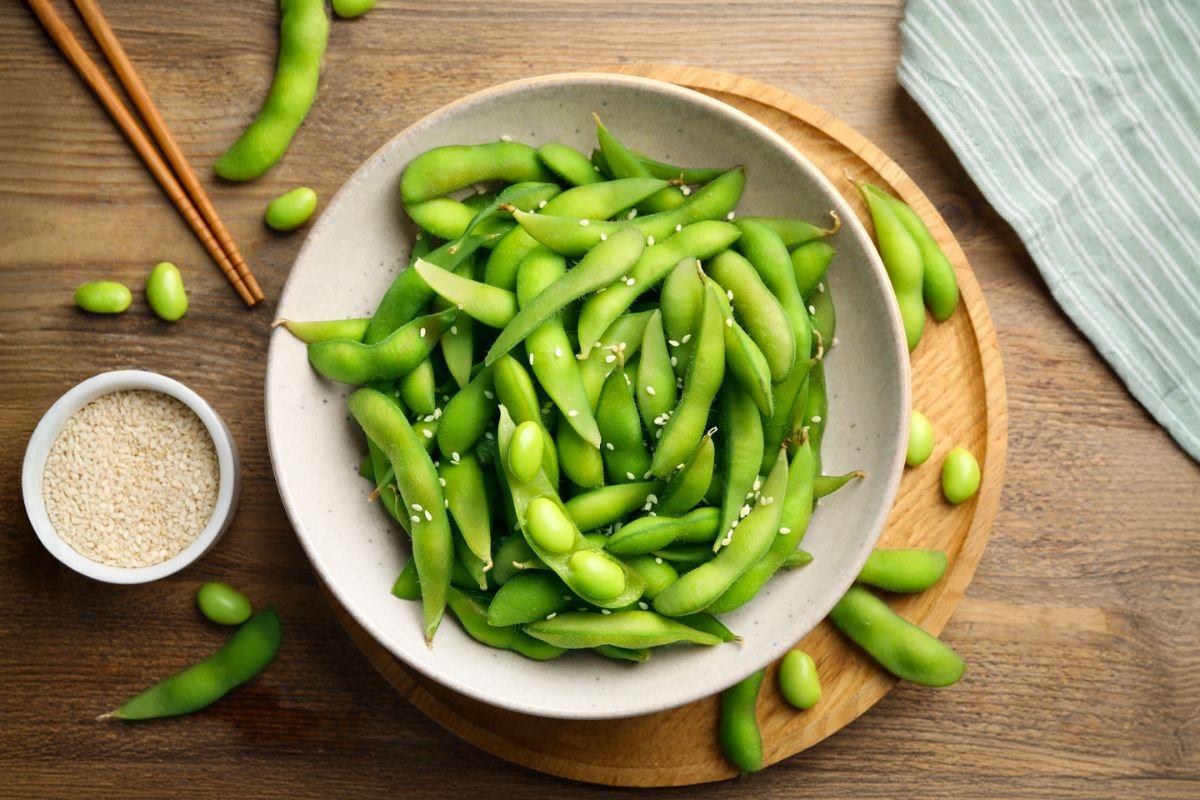
18. Edamame
The Verdict:
These immature soybeans are the only vegetable that provides a complete protein profile on its own. They make for an excellent snack that beats processed protein bars.
- Nutritional Breakdown (1 cup cooked): 17g Protein | 8g Fiber | Complete Protein
- Soy Benefit: Edamame is rich in isoflavones, plant compounds that research suggests may help lower LDL cholesterol and reduce bone loss in post-menopausal women.
19. Tofu (Extra Firm)
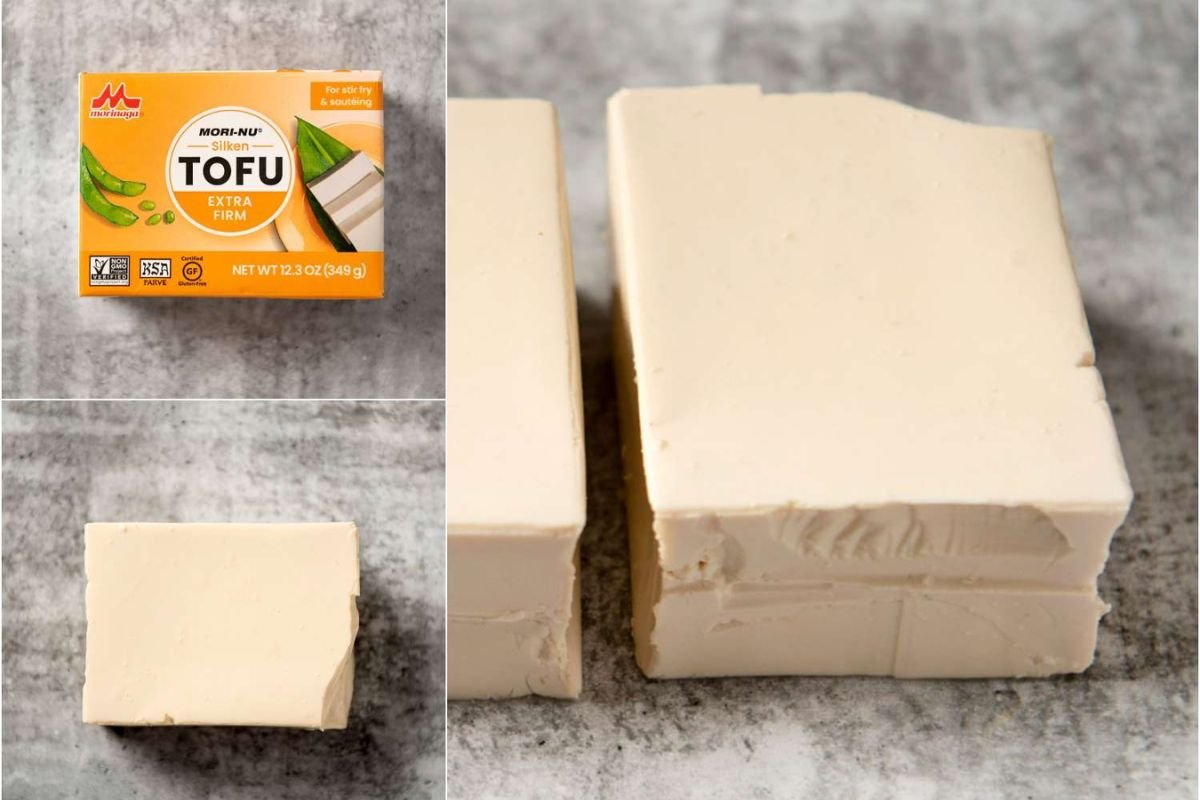
Tofu absorbs flavors like a sponge. By choosing “extra firm” or “super firm” varieties, you get a dense soy product that works in stir-fries or scrambles.
- Nutritional Breakdown (3.5 oz): 10–12g Protein | Calcium-set
- Bone Health: Look for tofu processed with Calcium Sulfate. This traditional coagulant boosts the calcium content significantly, often providing more calcium per serving than dairy milk.
20. Chickpeas (Garbanzo Beans)
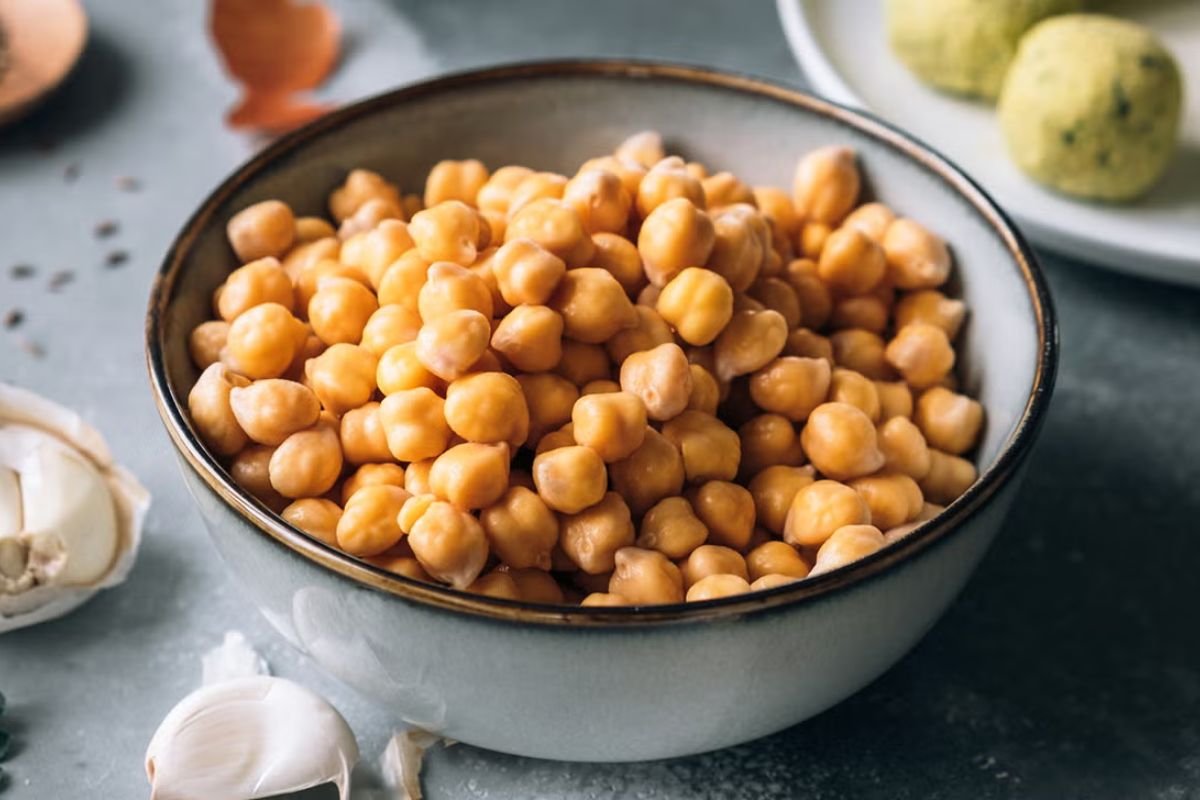
Whether blended into hummus or roasted as a crunchy topper, chickpeas are versatile. They offer a massive fiber hit (12g per cup), which aids in digestion and satiety.
- Nutritional Breakdown (1 cup cooked): 14.5g Protein | 270 Calories | Low Glycemic Index
- Blood Sugar: Despite being a carb source, chickpeas have a very low Glycemic Index (GI). Their amylose starch digests slowly, preventing the insulin spikes associated with other grains.
21. Black Beans
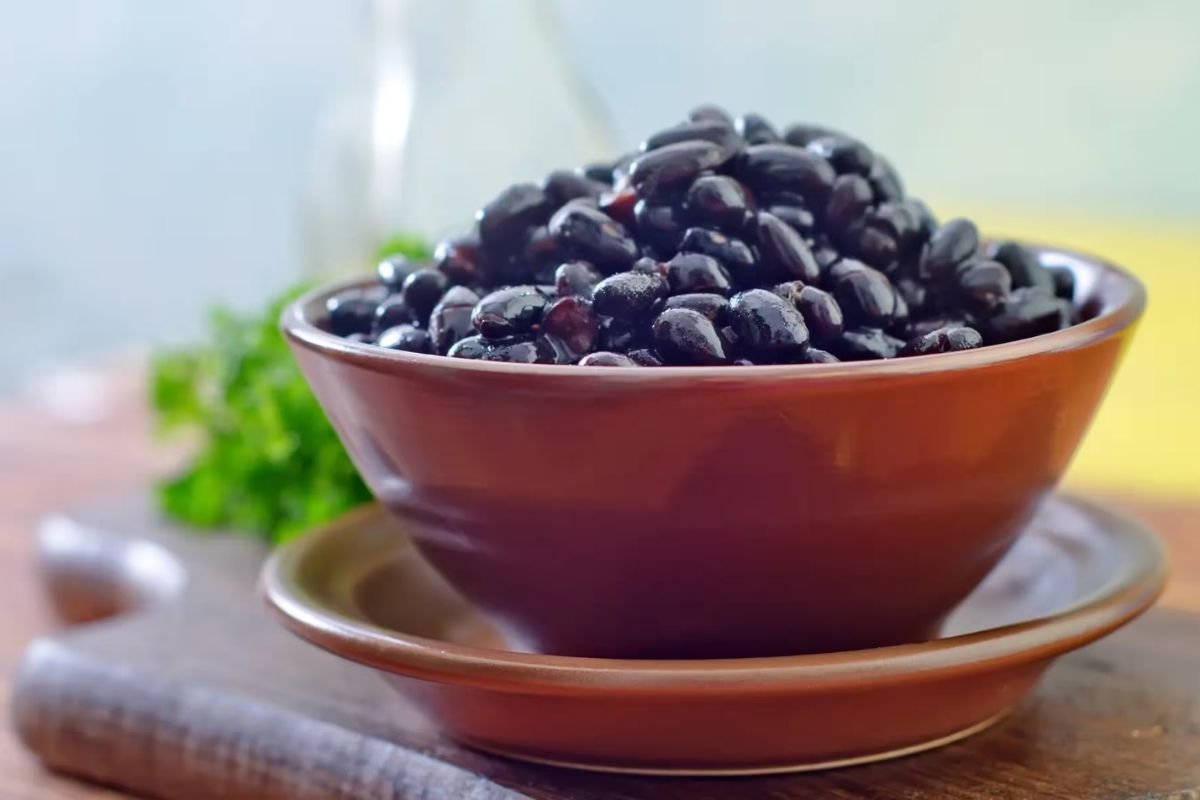
A staple in Latin American cuisine, black beans act as a dual-threat: they provide complex carbohydrates for energy and enough protein to facilitate recovery.
- Nutritional Breakdown (1 cup cooked): 15g Protein | 15g Fiber | Anthocyanins
- Color Power: The dark skin of black beans is rich in anthocyanins, the same powerful antioxidants found in blueberries, which fight oxidative stress.
Seeds, Grains, and Niche Finds
Small packages, big results.
22. Pumpkin Seeds (Pepitas)
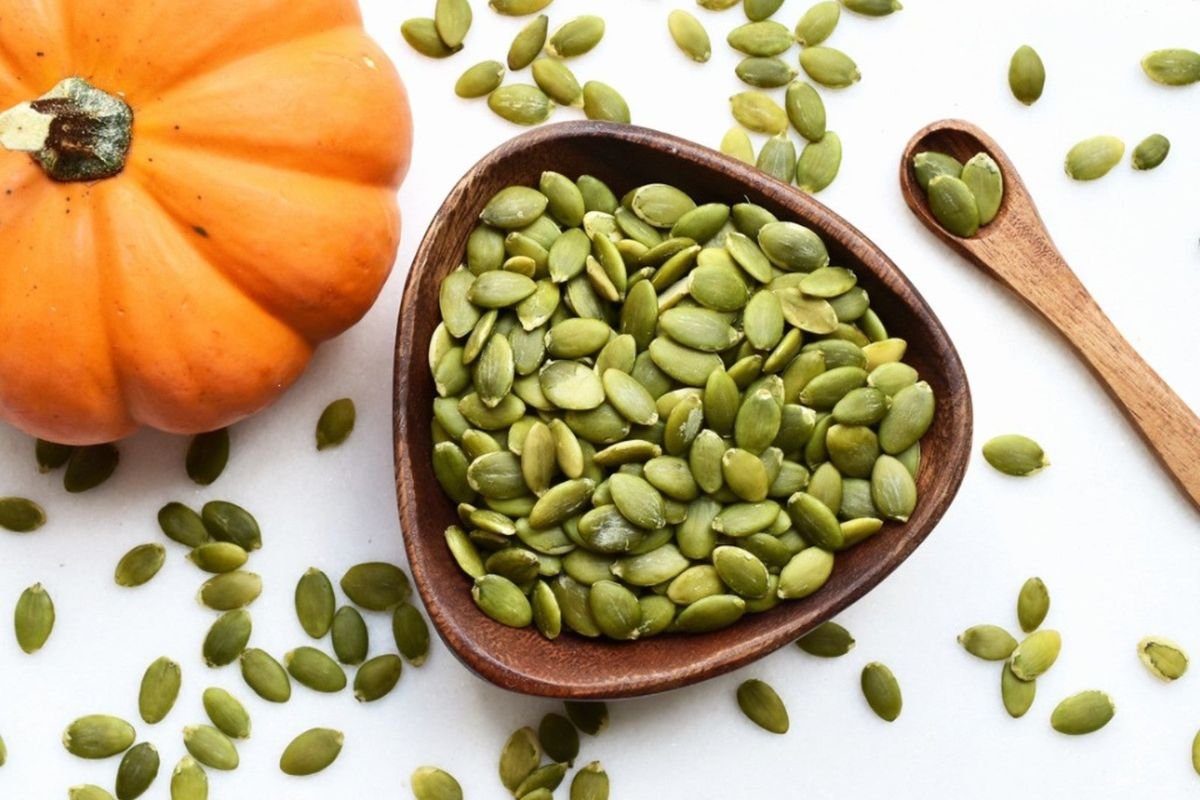
You don’t need to eat a steak to beat the egg. A mere handful of pumpkin seeds provides 50% more protein than an egg. They are also rich in magnesium, a mineral most Americans are deficient in.
- Nutritional Breakdown (1 oz): 9g Protein | 160 Calories | 156mg Magnesium
- Men’s Health: Pumpkin seeds are one of the richest natural sources of Zinc, which is vital for maintaining healthy testosterone levels and prostate health.
23. Hemp Seeds
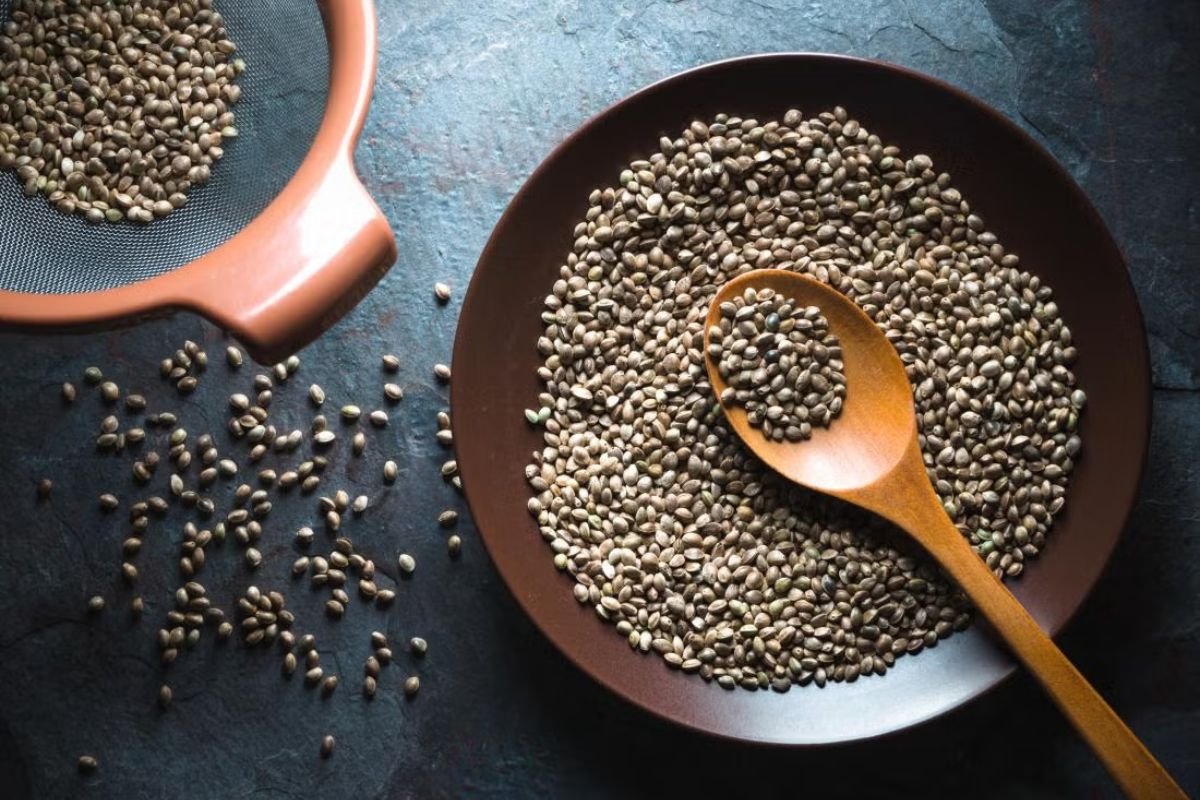
Sprinkling hemp seeds (hemp hearts) over oatmeal or salads is the easiest “diet hack” for boosting intake. They contain a perfect ratio of Omega-6 to Omega-3 fatty acids.
- Nutritional Breakdown (3 tbsp): 10g Protein | 170 Calories | GLA
- Anti-Inflammatory: Hemp seeds contain Gamma-linolenic acid (GLA), a fatty acid that has been shown to reduce inflammation markers like C-reactive protein.
24. Peanut Butter
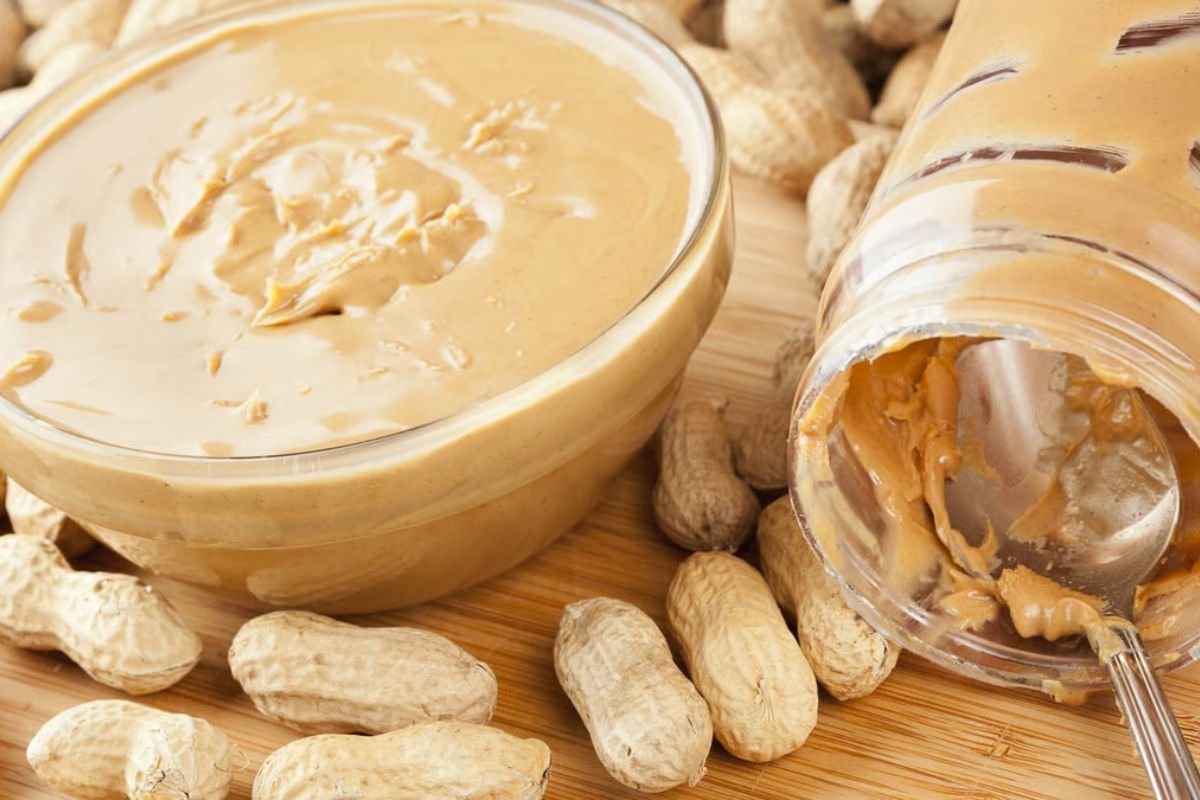
While high in fat, a standard serving of peanut butter does technically qualify as one of the tasty foods with more protein than an egg. Look for natural varieties that contain only peanuts and salt.
- Nutritional Breakdown (2 tbsp): 8g Protein | 190 Calories | Vitamin E
- Satiety: The combination of protein, fiber, and monounsaturated fats makes peanut butter highly satiating. A study from Purdue University found that peanut consumption helps moderate glucose levels and appetite.
25. Quinoa
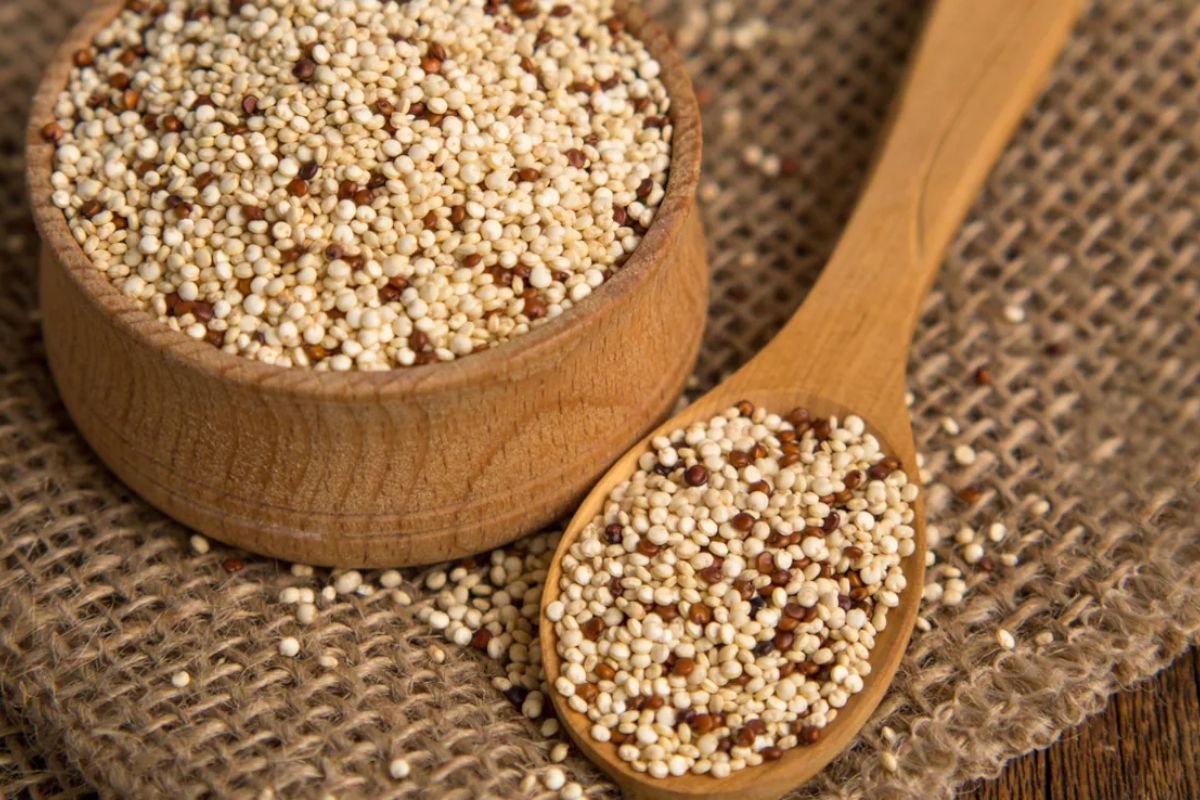
Botanically a seed but eaten like a grain, quinoa is a complete protein. Replacing white rice with quinoa instantly upgrades the nutritional profile of any meal.
- Nutritional Breakdown (1 cup cooked): 8g Protein | 5g Fiber | Complete Protein
- Amino Profile: Unlike wheat or rice, quinoa contains all nine essential amino acids in adequate amounts, making it one of the rare plant sources that can stand alone as a primary protein.
Read More:
Master List: 25 Foods with More Protein than an Egg
A quick-reference comparison of every food mentioned.
| Category | Food Item | Serving Size | Protein (g) | Key Nutrient |
|---|---|---|---|---|
| Benchmark | Large Egg (Boiled) | 1 large | 6g | Choline |
| Meat & Poultry | Chicken Breast | 3 oz | 26g | Leucine |
| Turkey Breast | 3 oz | 25g | Selenium | |
| Lean Beef (Sirloin) | 3 oz | 22g | Iron (Heme) | |
| Pork Loin | 3 oz | 23g | Thiamin | |
| Bison | 3 oz | 24g | CLA | |
| Seafood | Yellowfin Tuna | 3 oz | 25g | Vitamin B12 |
| Wild Salmon | 3 oz | 20g | Omega-3s | |
| Shrimp | 3 oz | 18g | Iodine | |
| Sardines | 1 can | 23g | Calcium | |
| Scallops | 3 oz | 17g | Magnesium | |
| Dairy | Greek Yogurt | 6 oz | 18g | Probiotics |
| Cottage Cheese | 1 cup | 28g | Casein | |
| Swiss Cheese | 1 oz | 8g | Calcium | |
| Milk (Ultra-Filtered) | 1 cup | 13g | Calcium | |
| Plant-Based | Tempeh | 1 cup | 31g | Prebiotics |
| Seitan | 3.5 oz | 25g | Iron | |
| Lentils | 1 cup | 18g | Folate | |
| Edamame | 1 cup | 17g | Isoflavones | |
| Chickpeas | 1 cup | 14.5g | Fiber | |
| Black Beans | 1 cup | 15g | Anthocyanins | |
| Tofu (Extra Firm) | 3.5 oz | 10g | Calcium | |
| Seeds & Grains | Hemp Seeds | 3 tbsp | 10g | GLA |
| Pumpkin Seeds | 1 oz | 9g | Zinc | |
| Peanut Butter | 2 tbsp | 8g | Vitamin E | |
| Quinoa | 1 cup | 8g | Complete Amino Profile |
Why Protein Density Matters? The Expert View
Why do we care about sourcing foods with more protein than an egg? It comes down to metabolic efficiency and satiety.
1. The Thermic Effect of Food (TEF)
Protein requires more energy to digest than carbohydrates or fats. Nutritional science confirms that the Thermic Effect of Food (TEF) for protein is approximately 20-30%. This means for every 100 calories of protein you eat, your body burns 20-30 calories just processing it; a significant metabolic advantage over fats (0-3% TEF).
2. Satiety and Calorie Reduction
In a study led by Dr. David Weigle and published in the American Journal of Clinical Nutrition, researchers found that increasing protein intake from 15% to 30% of total calories led participants to spontaneously reduce their intake by 441 calories per day. Foods higher in protein than an egg keep you fuller, longer, reducing the urge to snack.
3. The Leucine Threshold
To trigger muscle growth, research indicates you need approximately 2.5 to 2.8 grams of leucine per meal. While eggs are rich in leucine, you need to eat three or four of them to hit this threshold. A single 4-ounce steak or cup of tempeh hits this target largely on its own, making it a more efficient vehicle for muscle repair.
The “Protein Diversity” 7-Day Meal Plan
A structured plan to ensure you hit your protein goals using all 25 ingredients.
| Day | Breakfast | Lunch | Dinner | Snack |
|---|---|---|---|---|
| Day 1 | Greek Yogurt w/ Hemp Seeds | Turkey Breast sandwich w/ Swiss Cheese | Grilled Chicken Breast w/ Quinoa | Pumpkin Seeds |
| Day 2 | Cottage Cheese w/ pineapple | Shrimp stir-fry w/ Edamame | Seared Yellowfin Tuna steak | Ultra-Filtered Milk |
| Day 3 | Tofu scramble w/ spinach | Lentil soup | Tempeh tacos | Peanut Butter on celery |
| Day 4 | Oatmeal w/ Peanut Butter & Hemp Seeds | Lean Beef burger (lettuce wrap) | Pork Loin Chops | Roasted Chickpeas |
| Day 5 | Quinoa breakfast bowl | Sardines on toast | Wild Salmon w/ Black Bean salad | Edamame pods |
| Day 6 | Greek Yogurt smoothie | Bison chili | Pan-seared Scallops | Swiss Cheese w/ grapes |
| Day 7 | Cottage Cheese pancakes | Seitan stir-fry | Mediterranean Bowl: Chickpeas, Lentils & Pumpkin Seeds | Ultra-Filtered Milk latte |
Conclusion
I still cook eggs. Old habits die hard. They remind me of a time when food was about getting through the day, not optimizing it.
But I no longer expect them to do all the heavy lifting.
What this list made clear is simple: eggs work best as part of a system, not as the system. Sardines bring minerals; eggs don’t. Greek yogurt feeds recovery and digestion. Lentils stretch meals without stretching effort. Salmon and tempeh solve problems eggs never could.
That’s the real value of understanding foods with more protein than an egg. It’s not about rejecting the basics; it’s about outgrowing them.
Engineering taught me efficiency. Nutrition taught me range.
Somewhere between the two, I learned that survival food and smart food don’t have to be the same thing anymore.