Exercise Bone Protein Discovery highlights new research from the University of Hong Kong report discovering a protein that senses exercise-induced mechanical forces and triggers bone growth, a finding that could guide future treatments for osteoporosis, though the work remains limited to mouse studies.
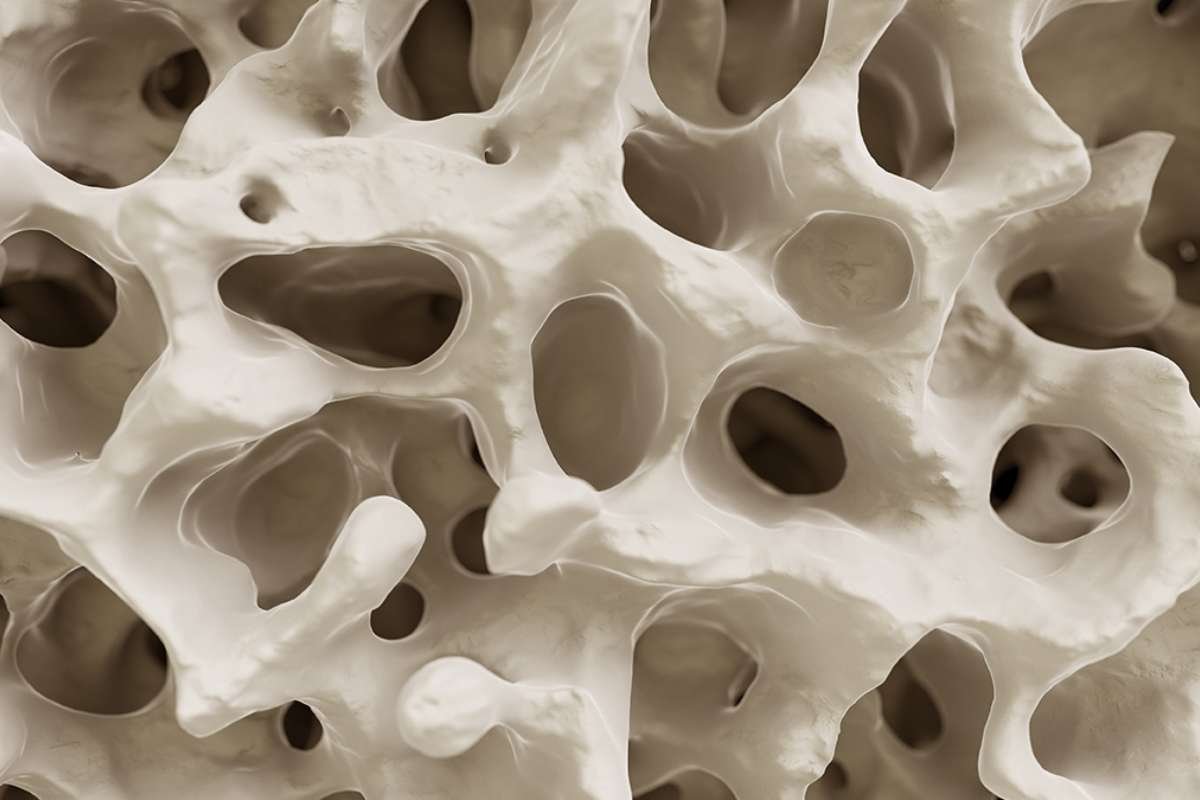
Osteoporosis, a condition that weakens bones and raises fracture risk, affects tens of millions worldwide. Scientists say the newly identified mechanism may eventually help develop therapies that replicate the benefits of physical activity for people unable to exercise.
Researchers Identify Piezo1 as Bone’s Exercise Sensor
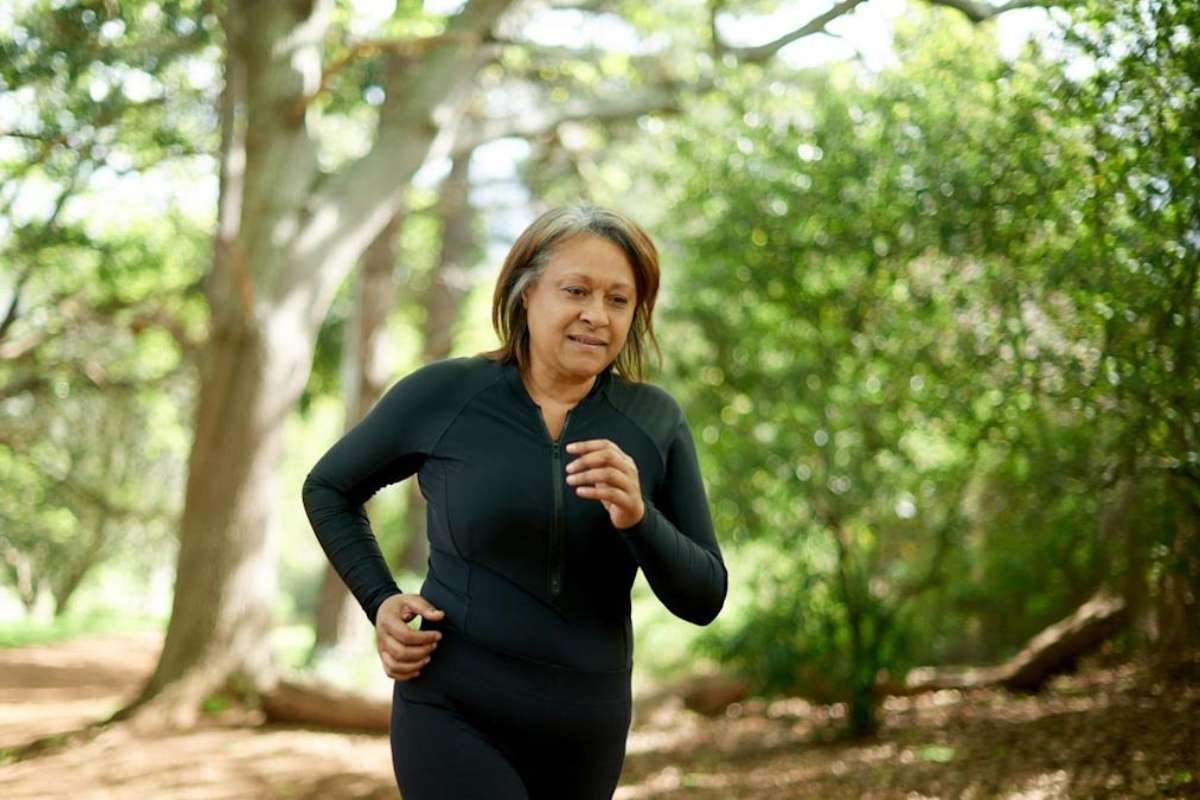
The research team, led by biomedical scientist Xu Aimin, found that a protein called Piezo1 acts as an “exercise sensor” in bones. When activated by physical forces such as movement or strain, the protein promotes bone formation while limiting fat accumulation in bone marrow.
“We need to understand how our bones get stronger when we move or exercise before we can find a way to replicate the benefits of exercise at the molecular level,” Aimin said. “This study is a critical step toward that goal.”
The scientists focused on bone marrow mesenchymal stem cells, which can develop into either bone-forming osteoblasts or fat cells known as adipocytes. Their direction depends on several factors, including hormones, inflammation, and mechanical stress produced during exercise— a mechanism central to the recent Exercise Bone Protein Discovery.
Previous lab experiments suggested that physical pressure encourages bone growth, but the biological explanation remained unclear. The new study links that process directly to Piezo1 signaling.
Mouse Tests Show Protein Drives Bone Growth
To test the theory, researchers removed Piezo1 from cells in mice. The animals showed lower bone density, reduced bone formation, and increased fat in their bone marrow.
Further experiments revealed that mice lacking the protein did not experience the usual bone-strengthening effects of exercise, reinforcing the importance of the pathway identified in the Exercise Bone Protein Discovery. Investigators also mapped the signaling pathways controlled by Piezo1, showing that its absence triggered inflammation and fat growth.
Importantly, those changes reversed when Piezo1 activity or its downstream signals were restored. Scientists say this suggests future drugs could potentially target the pathway to imitate exercise’s biological effects.
“We have essentially decoded how the body converts movement into stronger bones,” Aimin said. “By activating the Piezo1 pathway, we can mimic the benefits of exercise, effectively tricking the body into thinking it is exercising.”
Experts Urge Caution but See Therapeutic Promise
Despite the breakthrough, researchers stress that practical treatments remain years away. The study was conducted only in mice, and Piezo1 plays multiple roles throughout the body, meaning attempts to manipulate it could carry risks.
Still, experts say the discovery deepens scientific understanding of bone health at a time when aging populations are increasing demand for osteoporosis therapies.
“This offers a promising strategy beyond traditional physical therapy,” said mechanobiologist Eric Honoré of the Institute of Molecular and Cellular Pharmacology, a senior author of the study. “In the future, we could potentially provide the biological benefits of exercise through targeted treatments.”
Such therapies could be especially valuable for older adults, bedridden patients, and others with limited mobility who struggle to maintain regular physical activity. The recent Exercise Bone Protein Discovery may ultimately open the door to treatments that replicate the benefits of movement at a molecular level.
Researchers say additional studies, including human trials, are necessary before any drug development begins. Even so, the findings mark a significant step toward understanding how bones respond to movement and how that process might be harnessed medically.
With osteoporosis risk rising alongside global life expectancy, scientists emphasize the urgency of discovering new ways to preserve bone strength and prevent fractures.