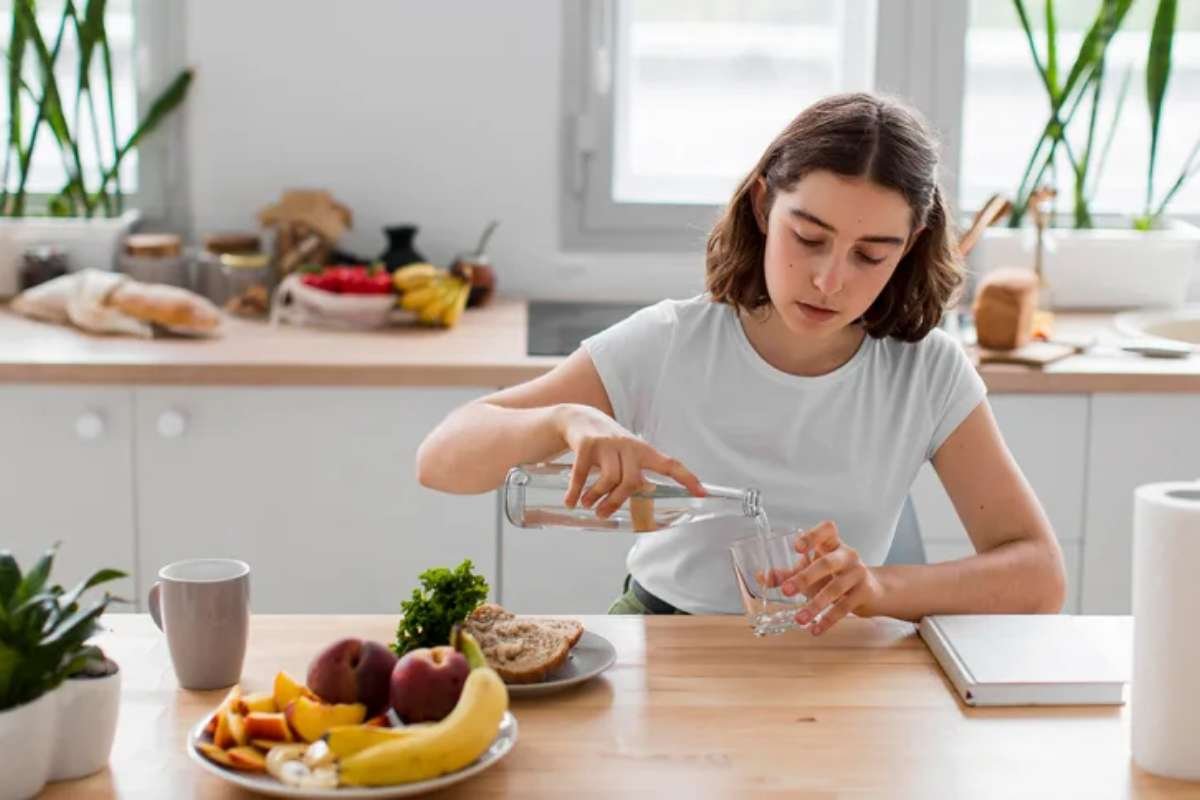
Food feels incomplete without a drink. A glass of water, a sip of juice, or maybe buttermilk on the side. It just feels right. But then comes that one person who says, “Don’t drink water with food. It ruins digestion.”
Now you sit there, confused, holding your glass mid-air like it just betrayed you.
Here’s the truth. Your body is smarter than that. It knows how to handle both food and fluids together. You just need to understand balance.
Drinking liquids with meals is not wrong. In fact, it can help you in many ways when done properly. The key is not “if,” but “how much” and “what kind.”
Let’s break it down in the simplest way possible so your next meal feels good, not confusing.
Is Drinking Liquids with Meals Good or Bad?
Many people believe that liquids dilute digestive juices. This idea sounds logical, but the body does not work that way.
Your stomach adjusts its acid levels based on what you eat and drink. So, drinking liquids with meals does not shut down digestion. It may even help soften food and make swallowing easier.
Still, too much liquid can make you feel bloated. That’s where balance matters.
Top 15 Drinks for Drinking Liquids with Meals
Here are the best options you can include with your meals. Each one supports digestion and hydration.
1. Water
Water is the most basic and reliable choice.
It helps soften the food you eat, which makes it easier for your stomach to process it. It also keeps your body hydrated and supports every system, from digestion to circulation.
Take small sips while eating instead of drinking a full glass at once. This keeps your stomach comfortable and avoids that heavy, bloated feeling after meals.
2. Buttermilk
Buttermilk is light, cooling, and very easy on the stomach.
It contains good bacteria that support gut health. These bacteria help break down food and improve digestion. Buttermilk also reduces bloating and acidity, which makes it perfect for spicy or heavy meals.
Adding a pinch of roasted cumin powder or salt can make it even more helpful and tasty.
3. Lemon Water
Lemon water brings a fresh and slightly tangy taste to your meal.
It supports digestion by stimulating digestive juices in the stomach. It also provides vitamin C, which helps your body stay active and supports immunity.
Keep it mild. Too much lemon can irritate the stomach, especially if you already have acidity. A few drops in a glass of water are enough.
4. Coconut Water
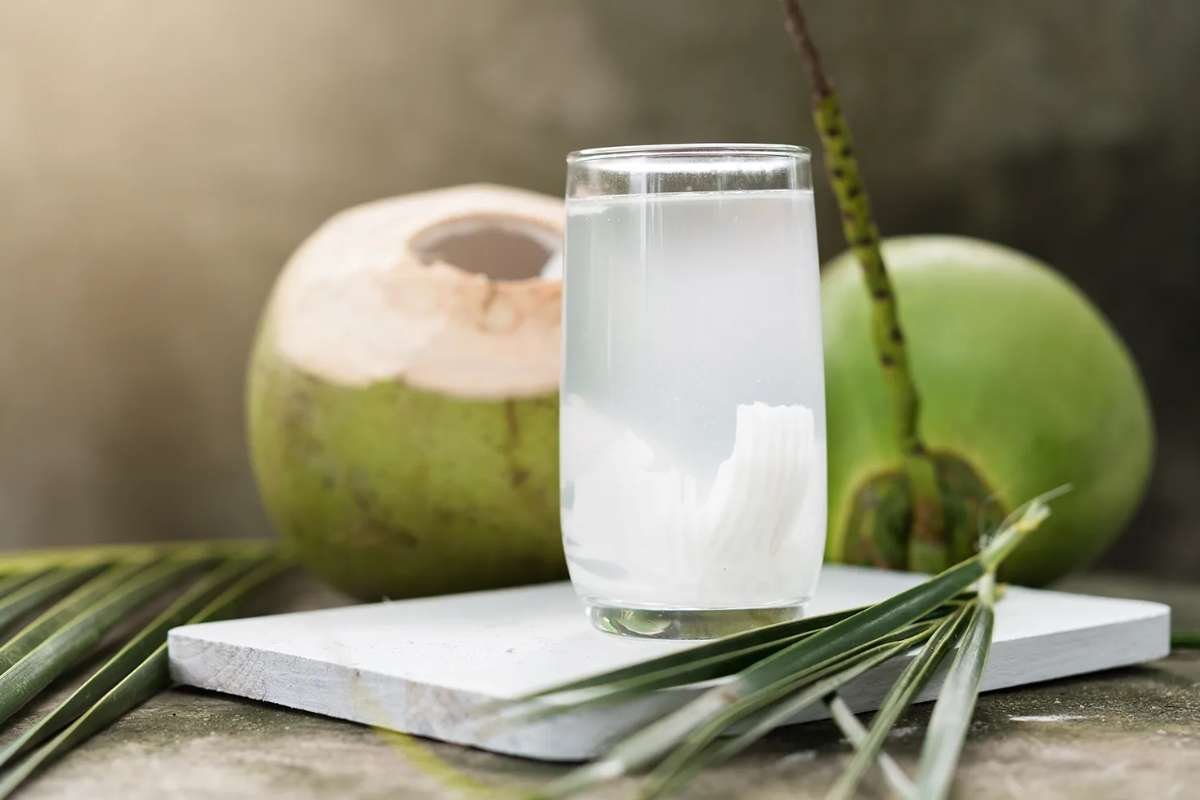
Coconut water is a natural hydrator.
It contains electrolytes like potassium, which help maintain fluid balance in the body. This makes it a great option, especially in hot weather or after a long day.
It feels light and does not overload your stomach. Drinking a small glass with meals can help you stay refreshed and energised.
5. Fresh Fruit Juice
Fresh fruit juice adds natural sweetness and nutrients to your meal.
It provides vitamins and quick energy, which can be helpful if you feel tired or low. Juices like orange, pomegranate, or sweet lime work well.
Always choose fresh juice instead of packaged ones. Packaged juices often contain added sugar and preservatives. Also, keep the quantity small so your body does not get too much sugar at once.
6. Herbal Tea
Herbal teas like ginger, mint, or chamomile are gentle on the stomach.
They help reduce gas, bloating, and discomfort after meals. Ginger tea, for example, supports digestion, while mint tea gives a cooling effect.
You can sip it warm during or after your meal for better comfort.
7. Warm Water
Warm water is simple but very effective.
It helps break down oily or heavy food and supports smooth digestion. It also feels soothing, especially if your stomach feels sensitive.
A few sips during meals can make a big difference.
8. Milk
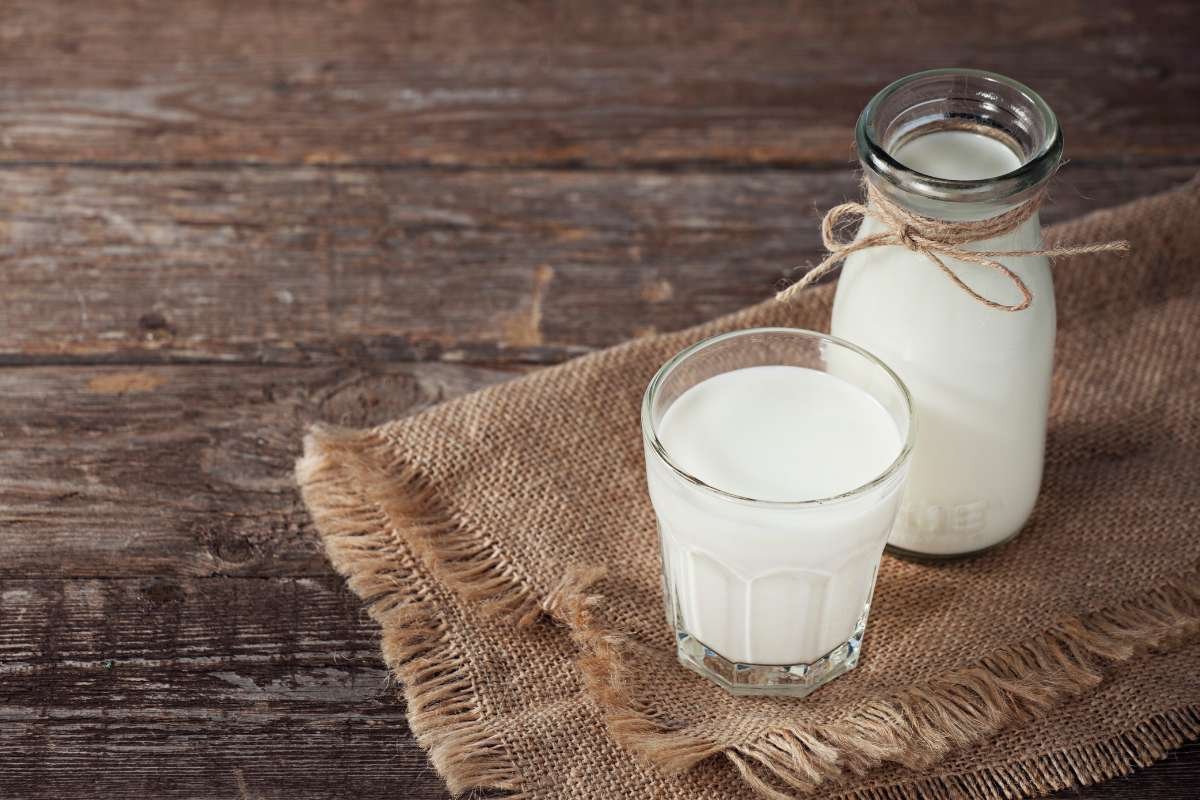
Milk provides protein, calcium, and essential nutrients.
It can make your meal more filling and balanced. However, some people may feel heavy or bloated after drinking milk with meals.
If it suits your body, you can include it in small amounts.
9. Vegetable Juice
Vegetable juices are light, nutritious, and low in sugar.
They provide vitamins and minerals without making you feel too full. Options like carrot, beetroot, or tomato juice work well.
They support digestion and add extra nutrients to your meal.
10. Lassi
Lassi is a traditional and refreshing drink.
It cools your body and supports digestion. Sweet or salted, both versions work well depending on your taste.
It pairs well with spicy or heavy meals and helps reduce acidity.
11. Soups
Soups act as both food and liquid.
They are easy to digest and help your body absorb nutrients better. Warm soups also make meals feel comforting and complete.
Vegetable or clear soups are the best options.
12. Green Tea
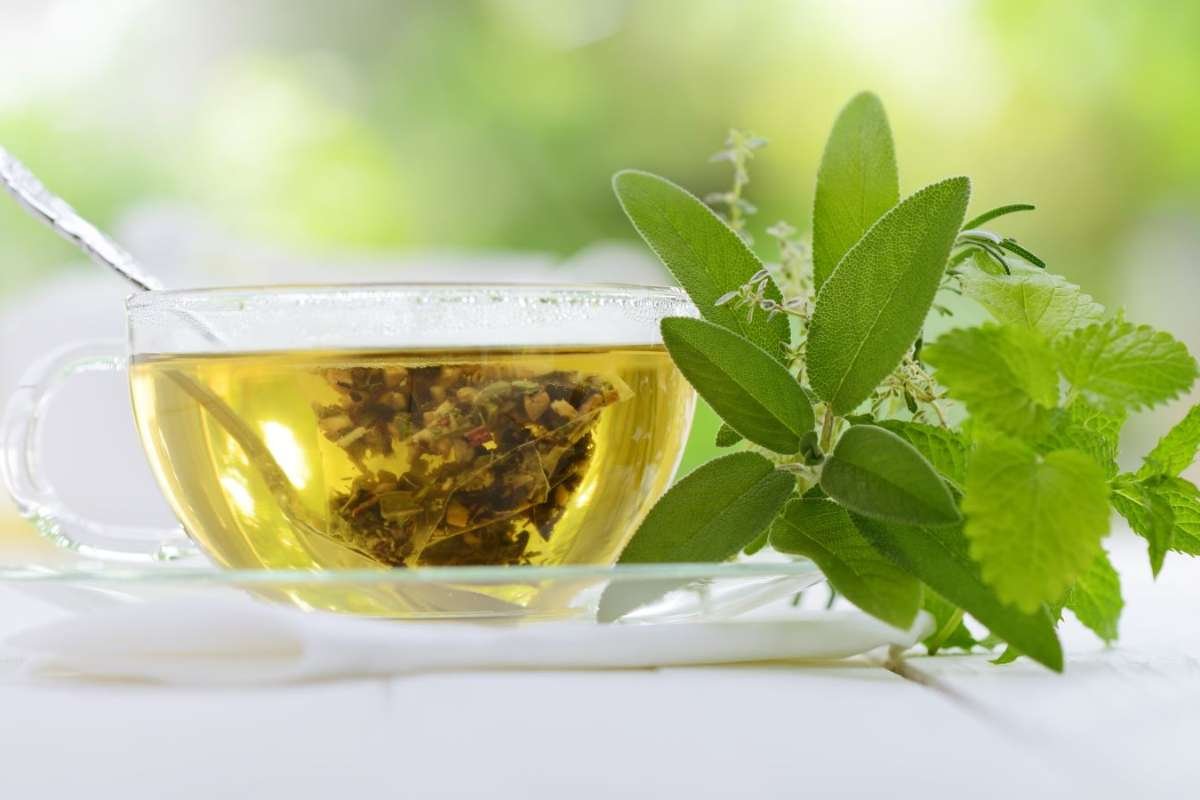
Green tea contains antioxidants that support overall health.
It is light and does not feel heavy on the stomach. Drinking it in small amounts during or after meals can help digestion.
Avoid strong or very hot tea while eating.
13. Infused Water
Infused water adds flavour without extra calories.
You can add cucumber, mint, or lemon to plain water. This makes it more enjoyable to drink and encourages better hydration.
It is a simple way to stay refreshed during meals.
14. Jeera Water
Jeera (cumin) water is known for its digestive benefits.
It helps reduce gas, bloating, and heaviness after meals. It also supports better nutrient absorption.
Drink it warm in small amounts for the best results.
15. Rice Water
Rice water is light and gentle on the stomach.
It helps soothe digestion and is often used when someone feels weak or has stomach issues. It provides mild energy and keeps the body hydrated without causing discomfort.
How Much Liquid Should You Drink with Meals?
Moderation is the key. Small sips during meals work best. Large amounts can stretch your stomach and cause discomfort.
A good rule is to drink one small glass during meals and more before or after.
This approach makes drinking liquids with meals comfortable and helpful.
Benefits of Drinking Liquids with Meals
- Helps in swallowing food easily
- Supports digestion
- Prevents overeating
- Keeps you hydrated
- Reduces dryness in the mouth
When done right, drinking liquids with meals can improve your eating experience.
Common Mistakes to Avoid
- Drinking too much water at once
- Choosing sugary or fizzy drinks
- Drinking very cold liquids with hot meals
- Ignoring how your body reacts
Avoid these mistakes to make drinking liquids with meals more effective.
Conclusion
Remember that moment in the beginning when you paused mid-sip, unsure if you were doing the right thing? You can relax now.
Your body is not that fragile. It knows how to handle food and fluids together. You just need to treat it with care.
Drinking liquids with meals is not your enemy. It can be your helper when done in the right way. Choose the right drinks, keep it balanced, and listen to your body.
Eat well. Drink smart. And next time, hold that glass with confidence, not confusion.
FAQs
1. Is it bad to drink water during meals?
A: No. Drinking small amounts is safe and helpful.
2. Can liquids slow digestion?
A: Not really. Your body adjusts naturally.
3. What is the best drink with meals?
A: Water, buttermilk, and herbal tea are great options.
4. Should I avoid cold drinks with meals?
A: Yes. Very cold drinks can affect comfort and digestion.
5. When should I drink more water?
A: Drink more water between meals, not all at once during meals.