Your body is a smart machine. It sends alerts when something feels off. Sometimes the signs scream. Other times, they whisper. Copper sits quietly in the background, doing important work without asking for attention. When it runs low, the body does not panic right away. It drops hints.
Fatigue sneaks in. Skin looks dull. Hair feels thinner. You blame stress, age, or sleep. But the real reason might surprise you.
Copper deficiency symptoms often hide behind everyday complaints, making them easy to ignore and harder to diagnose.
Think of copper as the backstage crew of your health. You rarely notice it, but the show collapses without it. This guide breaks everything down in simple words, without drama or medical confusion.
What Is Copper Deficiency?
Copper deficiency happens when your body does not get or absorb enough copper. Copper is a trace mineral. That means you need it in small amounts, but those small amounts matter a lot.
Copper helps your body produce energy, support nerves, build red blood cells, and protect immunity. It also helps iron work properly without enough copper iron struggles to move through your body, even if iron levels look normal.
This condition often appears due to poor diet, digestive issues, excess zinc intake, bariatric surgery, or long-term gut problems. Some people absorb copper poorly, even with a balanced diet.
Over time, copper deficiency symptoms develop slowly. Many people live with them for months before connecting the dots.
Symptoms of Copper Deficiency
When copper levels drop in the body, the effects do not stay limited to one organ or system. Copper plays many small but critical roles every single day. It helps produce energy, protect nerves, support immunity, and maintain healthy skin, hair, bones, and vision.
Because copper works quietly in the background, the body reacts slowly when it is missing. The signs build over time. This is why copper deficiency symptoms often confuse people and go unnoticed in the early stages.
Below is a deeper and clearer look at how the body responds when copper levels fall.
1. Constant Tiredness That Never Feels Rested
One of the earliest copper deficiency symptoms is ongoing tiredness. This fatigue feels different from normal exhaustion. Even after a full night of sleep, the body still feels weak and low on energy.
Copper helps the body turn food into usable energy. When copper is low, this process slows down. Muscles feel heavy. Simple tasks feel harder. Many people describe it as “dragging through the day.”
This type of tiredness often gets blamed on stress, poor sleep, or workload, which delays proper diagnosis.
2. Weak Immunity and Frequent Illness
Copper supports white blood cells, which protect the body from infections. Without enough copper, the immune system struggles to respond properly.
People with copper deficiency often get sick more frequently. Colds last longer. Minor wounds heal slowly. Infections may return again and again.
Among copper deficiency symptoms, weakened immunity is one of the most overlooked because it develops gradually and feels “normal” to many people.
3. Pale or Dull Skin Appearance
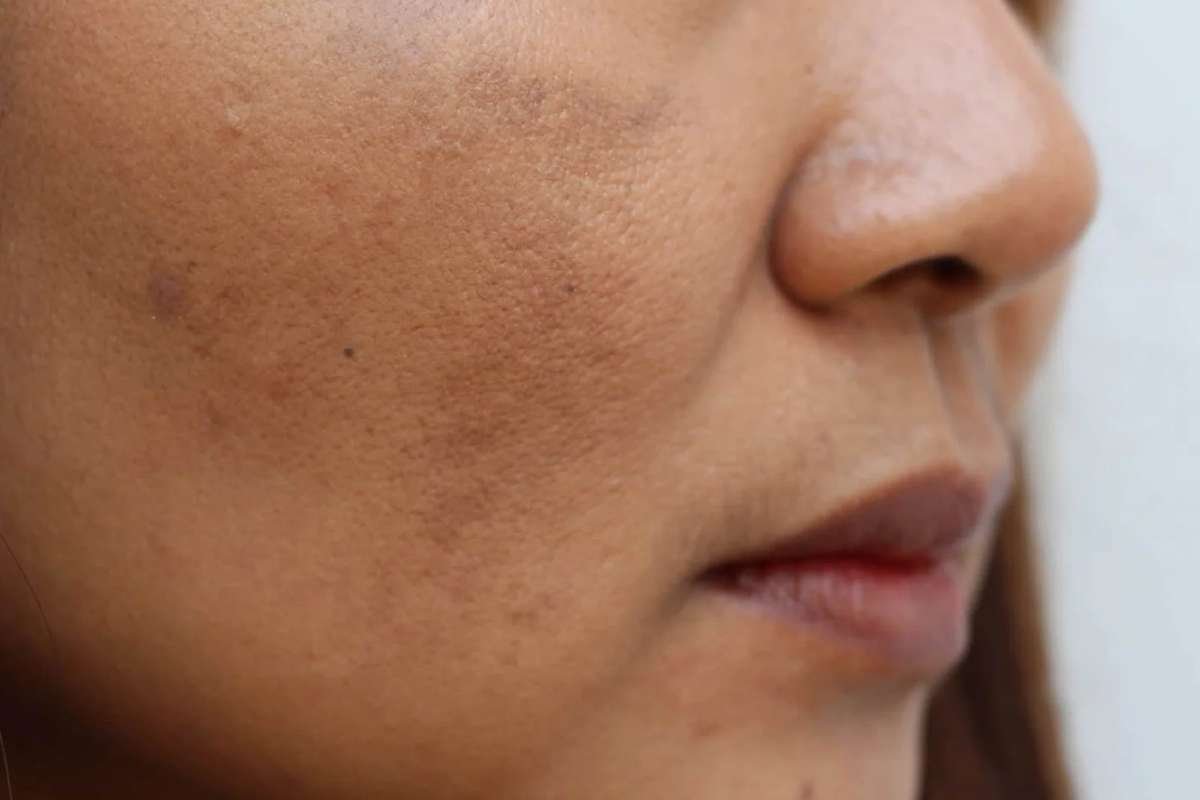
Copper helps the body produce melanin, the pigment that gives skin its natural color. When copper levels drop, skin may lose its healthy tone.
The skin can look pale, washed out, or uneven. Some people notice a gray or dull appearance that does not improve with skincare products.
This change happens from inside the body, not on the surface. That is why creams and treatments often fail to help.
4. Hair Thinning or Premature Greying
Hair health depends on copper more than most people realize. Copper supports melanin production, which gives hair its color and strength.
With low copper, hair may start thinning, breaking easily, or turning gray earlier than expected. This change often surprises younger adults.
Among copper deficiency symptoms, hair changes are emotionally frustrating because they affect confidence and appearance.
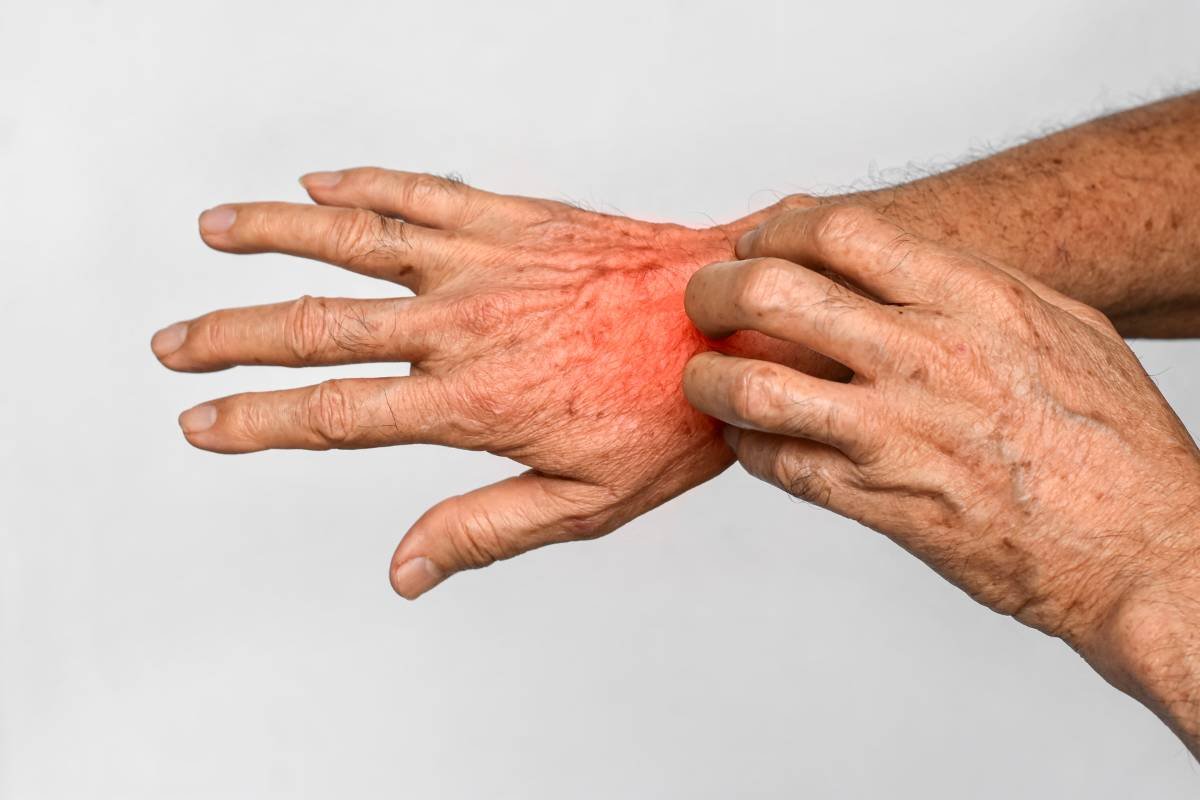
5. Numbness and Tingling in Hands and Feet

Copper plays a key role in nerve health. When levels fall, nerve signals slow down or misfire.
This can cause tingling, numbness, or a pins-and-needles sensation in the hands and feet. Some people feel weakness or loss of grip strength.
If copper deficiency continues for a long time, nerve damage may become harder to reverse. That makes early awareness very important.
6. Bone Weakness Over Time
Copper supports bone formation and strength. It works alongside calcium and other minerals to keep bones stable.
Low copper weakens this process. Over time, bones may become fragile. Fracture risk increases, especially in older adults.
This symptom develops slowly and often appears alongside joint discomfort or reduced mobility.
7. Vision Changes and Eye Discomfort

Copper helps nerve signals travel properly, including those connected to vision.
When copper levels drop, some people experience blurred vision, trouble focusing, or eye fatigue. These changes may come and go at first, making them easy to ignore.
Vision-related copper deficiency symptoms usually appear later, after other signs have already started.
8. Poor Balance and Coordination Issues
Long-term copper deficiency can damage nerves that control balance and movement.
People may feel unsteady while walking, struggle with coordination, or trip more often. Simple movements may feel awkward or delayed.
This symptom signals an advanced deficiency and needs medical attention.
Why Copper Deficiency Often Goes Undetected?
Doctors often check iron, vitamin B12, and vitamin D first. Copper rarely gets tested early. The symptoms overlap with anemia and nerve disorders.
People taking high zinc supplements face a higher risk. Zinc blocks copper absorption. Long-term antacid use also reduces mineral uptake.
Because copper deficiency symptoms look common, many people treat the wrong issue for years.
Who Faces Higher Risk?
Some groups should pay closer attention to copper deficiency symptoms.
- People with digestive disorders
- Those who had gastric bypass surgery
- Long-term zinc supplement users
- Older adults
- People with restrictive diets
Early testing helps prevent permanent nerve damage.
How is Copper Deficiency Diagnosed?
Doctors confirm copper deficiency through blood tests. Ceruloplasmin levels may also be checked. Treatment often includes diet changes and copper supplements under medical guidance.
Never self-supplement blindly. Copper balance matters.
Foods That Support Healthy Copper Levels
- Shellfish
- Nuts and seeds
- Dark chocolate
- Whole grains
- Legumes
- Organ meats
Food works best for prevention, not correction.
Facts:
- Copper supports iron metabolism and nerve health.
- Excess zinc intake reduces copper absorption.
- Long-term deficiency causes nerve damage.
- Copper is essential for immune defense.
These facts confirm how serious copper deficiency symptoms can become when ignored.
Conclusion
Your body does not complain for fun. It speaks because it wants balance. Fatigue, weak immunity, nerve changes, and skin issues are not random. They are signals.
Ignoring copper deficiency symptoms does not make them disappear. It makes them louder later. The good news is simple. Early awareness prevents long-term damage.
Listen to your body. Feed it well. Test when needed. Small minerals make big differences. And copper proves that even the quietest helpers deserve attention.