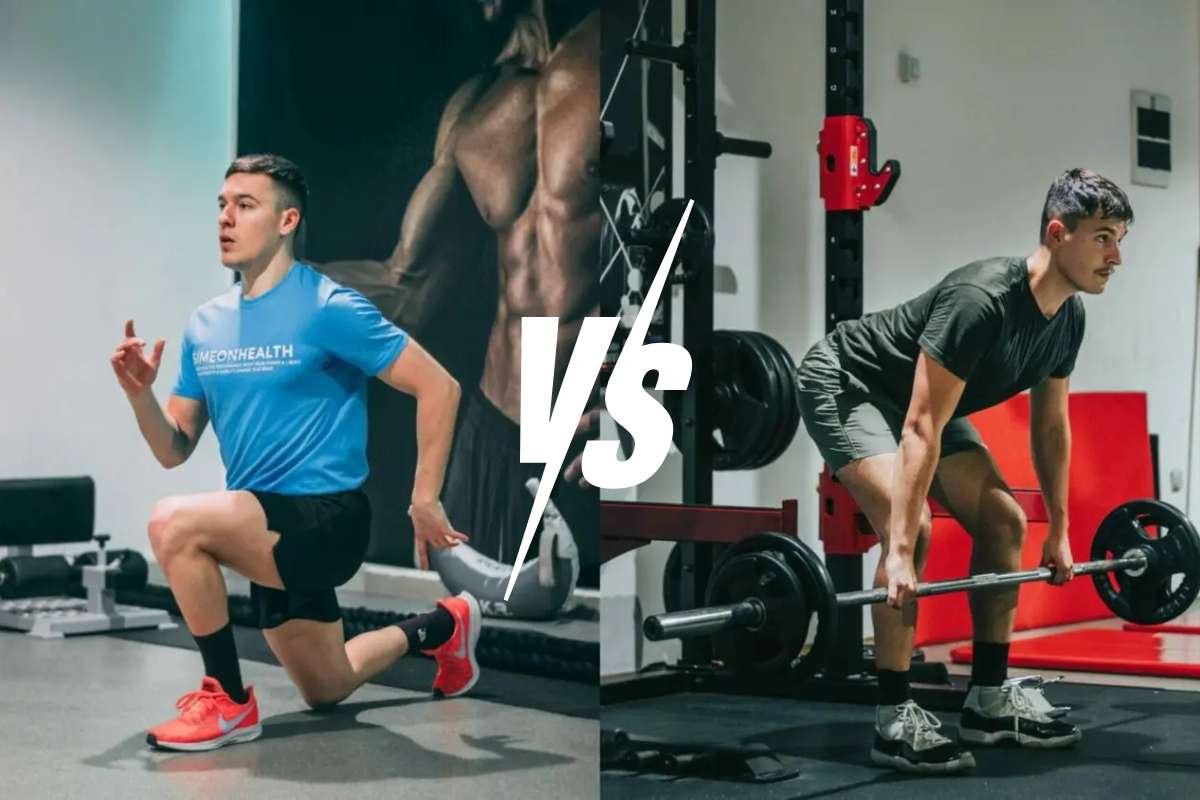
Calisthenics vs. Weightlifting is a common fitness comparison. Calisthenics uses your body weight to build strength and control. Weightlifting uses external resistance to build muscle and absolute strength. Both work well when you train consistently and use progressive overload. Choose calisthenics for low-cost, flexible workouts. Choose weightlifting for faster muscle growth and easier tracking. For most people, combining both gives the best results.
Choosing between calisthenics and weightlifting can feel like picking between coffee and tea. Both can wake up your muscles.
Each is a form of resistance training. That means your muscles work against a challenge and grow stronger over time.
Calisthenics uses your body weight. Think push-ups, pull-ups, dips, and squats. Weightlifting uses dumbbells, barbells, kettlebells, or machines. Both can help you build muscle, lose fat, and get stronger.
They also support bone health and make everyday tasks easier, like carrying groceries without sounding like an old wooden door.
Adults should do strength training at least two times per week.
The best choice depends on your goals, budget, and what you enjoy enough to keep doing.
What is calisthenics?
Calisthenics is strength training that uses your own body as resistance. In short, you are the weight.
Popular exercises include push-ups, pull-ups, dips, squats, lunges, and planks. These simple moves work several muscle groups at once.
As you get stronger, you can make each exercise more challenging by:
- Slowing down each rep
- Changing your body position
- Adding more reps
- Pausing at the hardest part
The benefits are hard to ignore:
- Low cost
- Little equipment
- Better balance and coordination
- Greater body control
Calisthenics can build muscle and strength, especially for beginners. It also teaches you how to move well. A pull-up bar is useful, but many exercises need nothing more than a bit of floor space and a willingness to sweat.
What is weightlifting?
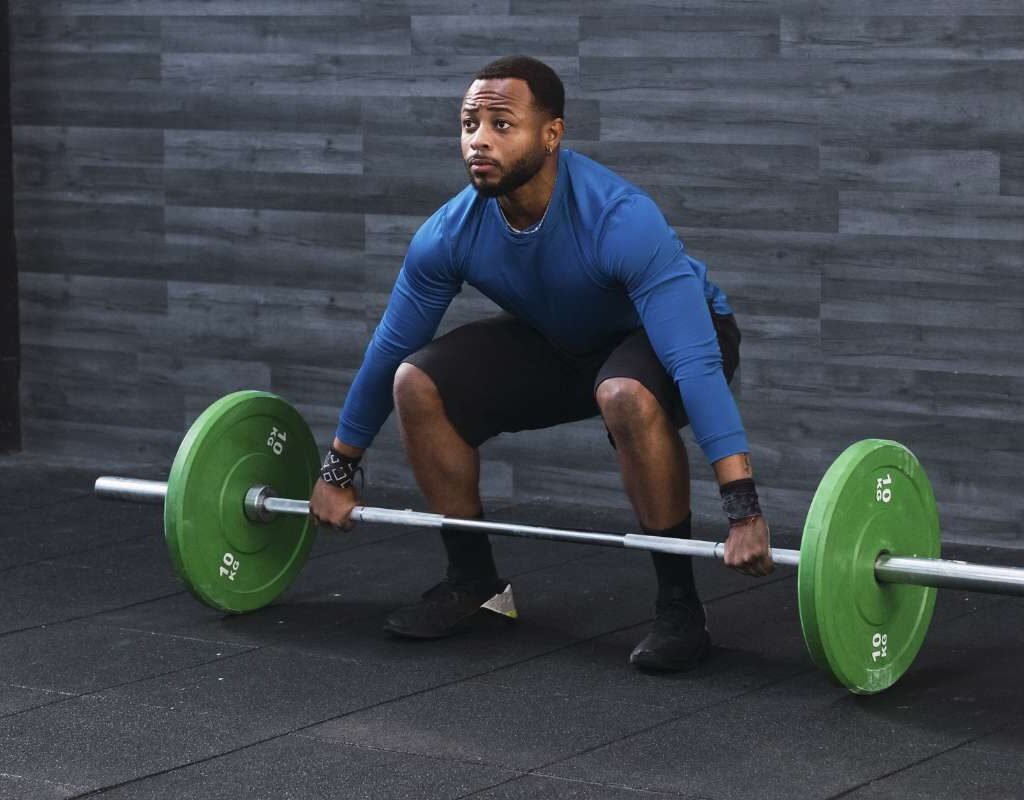
Weightlifting uses external resistance to make your muscles work harder. In plain English, you pick things up and put them down, but with purpose.
Common equipment includes dumbbells, barbells, kettlebells, and weight machines.
One of its biggest advantages is quite simple: you can increase the load in small steps. Add a little more weight, and your muscles get a new challenge.
This makes weightlifting great for:
- Building muscle faster
- Increasing maximum strength
- Tracking progress clearly
- Training each muscle in different ways
Weightlifting is one of the most efficient ways to gain size and strength because the resistance is easy to control.
You can train at a gym or at home with a basic set of weights and a bit of determination.
Calisthenics vs. weightlifting: key differences
| Factor | Calisthenics | Weightlifting |
| Resistance | Body weight | External weights |
| Muscle Growth | Good | Excellent |
| Maximum Strength | Good | Excellent |
| Balance and Coordination | Excellent | Good |
| Progressive Overload | Harder to track | Easy to track |
| Equipment Cost | Low | Moderate to high |
| Home Friendly | Very high | High |
| Skill Development | High | Moderate |
| Beginner Friendly | Very good | Very good |
Both training styles follow the same rule. Your muscles need a bigger challenge over time. This is called progressive overload, which is a fancy term for “make it a little harder.”
Weightlifting makes this easy. You can add 2 or 5 more pounds and keep moving forward.
Calisthenics builds strength relative to your body weight. That matters for pull-ups, handstands, and other skills where your body becomes the equipment.
Weightlifting usually leads to faster muscle growth because the resistance is easier to adjust.
Calisthenics shines when you want strength, control, and the ability to make a pull-up look suspiciously easy.
Which builds more muscle?
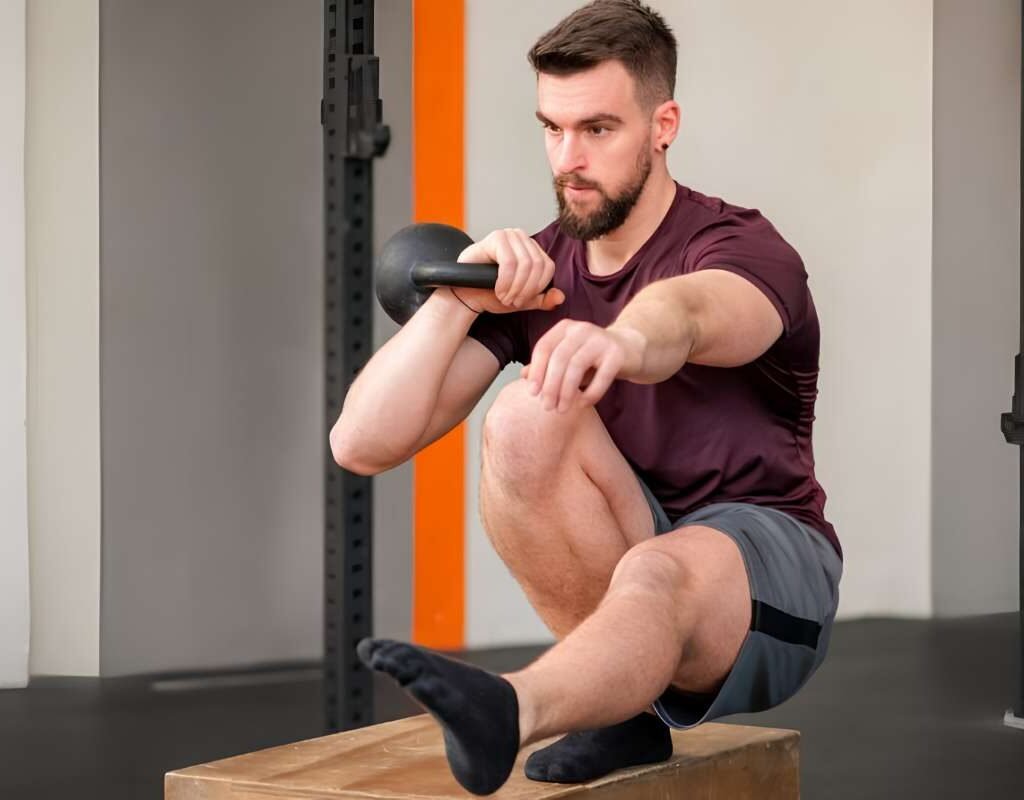
Both calisthenics vs weightlifting can build muscle if you train hard and keep making the exercises more challenging.
Weightlifting has a clear advantage. You can add small amounts of weight over time, which makes progress easier to track.
Calisthenics can also build serious muscle, especially in the:
- Chest
- Back
- Shoulders
- Arms
Exercises like pull-ups, dips, and their weighted versions are very effective.
For most people, weightlifting is the simpler and more predictable way to gain muscle. You can target each muscle group and increase resistance with precision.
If your main goal is bodybuilding, weights usually get you there faster. Your biceps will not send a thank-you card, but they will show up.
Which builds more functional strength?
Functional strength means strength you can use in daily life. Think about carrying groceries, climbing stairs, or getting off the floor without making sound effects.
Both calisthenics vs weightlifting improve this kind of strength.
Calisthenics teaches your muscles to work together. It also improves:
- Balance
- Stability
- Body control
Weightlifting helps you produce more force. Exercises like squats, presses, and deadlifts build strength that carries over to many everyday tasks.
Neither method is more “real” than the other.
If you want better control over your body, calisthenics has an edge. If you want to move the heaviest loads possible, weightlifting is the stronger choice.
Which is better for fat loss?
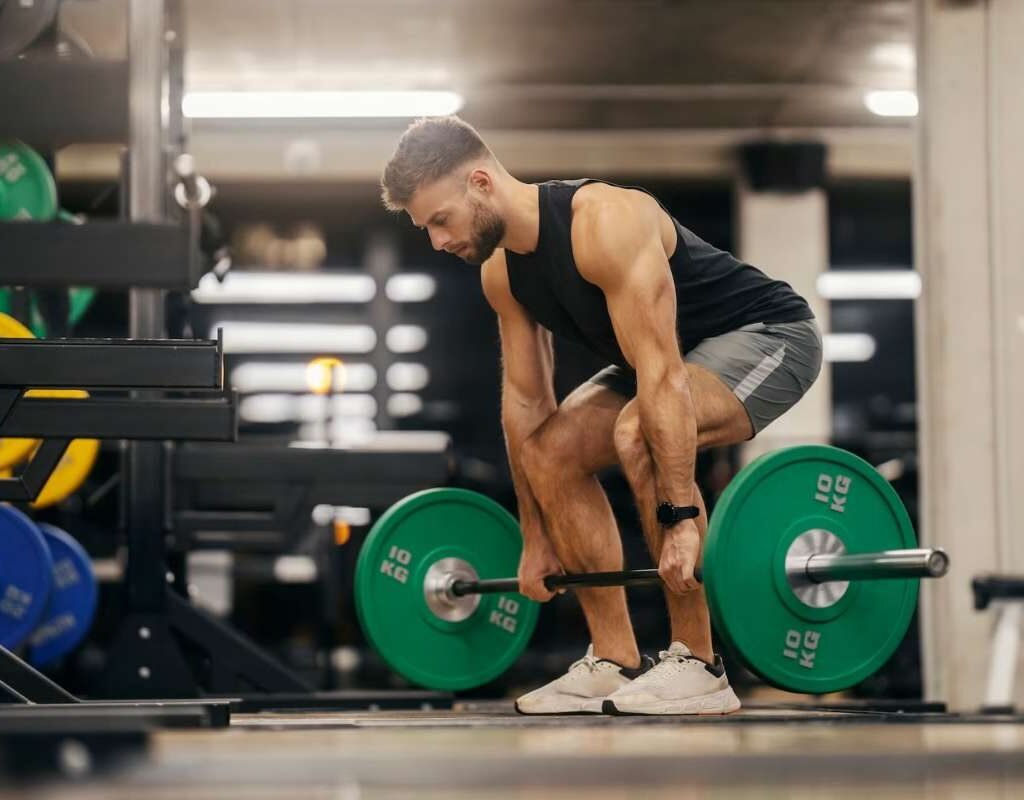
Fat loss depends more on what you eat and how active you are than on the type of workout you choose.
Both calisthenics vs weightlifting help you keep muscle while losing weight. That matters because muscle supports your metabolism and helps you look leaner as fat comes off.
Neither method has a magic fat-burning button.
The better choice is the one you can do consistently. If you enjoy your workouts, you are far more likely to stick with them.
And consistency beats the “perfect” plan every time, even if the perfect plan has a very impressive spreadsheet.
Which is better for beginners?
Both calisthenics vs weightlifting are excellent for beginners.
Calisthenics is simple and affordable. You can start with wall push-ups, assisted squats, and modified planks.
Weightlifting can feel easier for some people because you can begin with very light weights and increase them little by little.
The best starting point is the one that feels safe and enjoyable. If a workout fits your budget and does not intimidate you, you are more likely to keep going. And that is what matters most.
Consistency beats a perfect plan that collects dust after one week.
Who should choose each?
When deciding between calisthenics vs. weightlifting, choose calisthenics if you want to train at home or outdoors, save money, and learn skills like pull-ups and handstands. It is also a great fit if you want better coordination and body control.
Choose weightlifting if your main goal is to build muscle faster and gain as much strength as possible. It also works well if you like clear numbers and seeing progress one plate at a time.
Combine both if you want the full package:
- Strength
- Muscle
- Athletic movement
- More variety
Many people get the best results by mixing push-ups and pull-ups with squats, presses, and deadlifts.
Why choose one side when both sides are strong?
Final thoughts
There is no single winner here.
Calisthenics builds strength, body control, and athletic movement using little or no equipment. Weightlifting makes it easier to build muscle and increase strength because you can add resistance in small, precise steps. Both methods improve bone health, fitness, and everyday function when done consistently.
The best workout plan is the one you can follow for the long term. If you want the most complete approach, combine both. Do push-ups, pull-ups, squats, and dips, then add dumbbells or barbells when you can.
Train regularly, recover well, and keep progressing. That is where the real results happen.