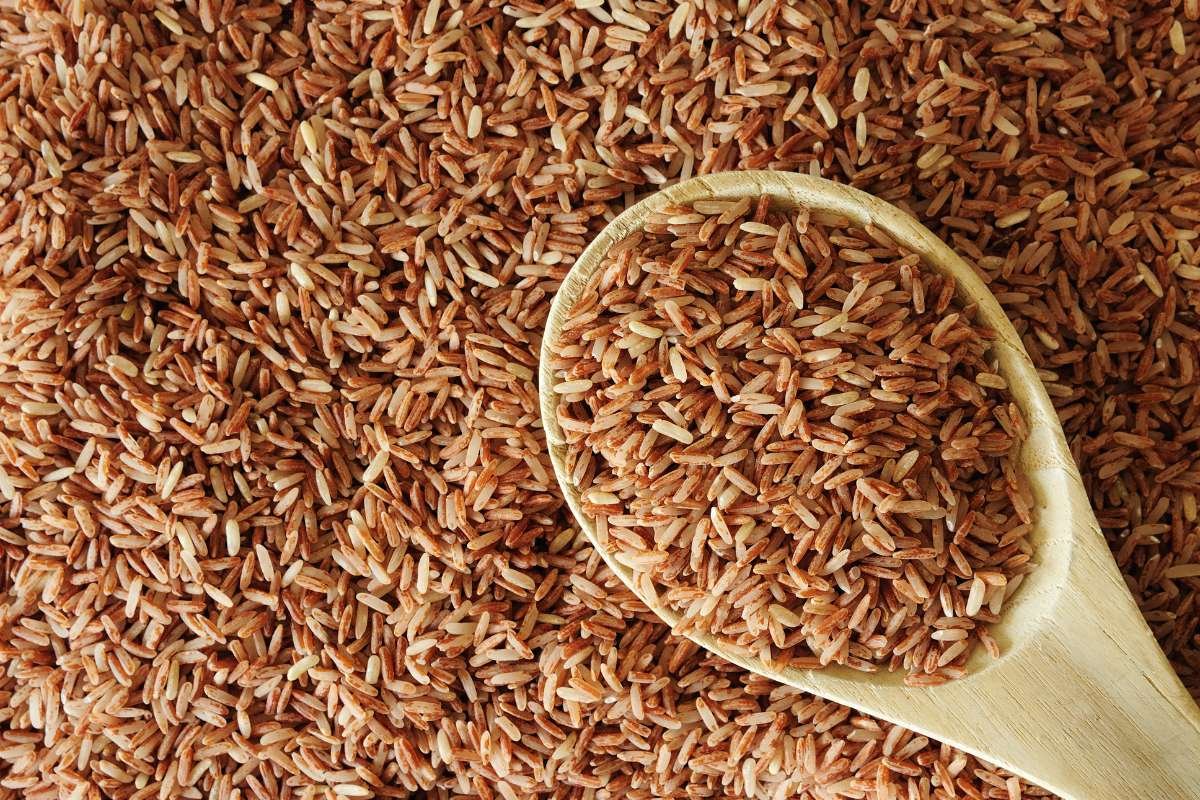
For decades, white rice was the household staple worldwide, but as people prioritize health more and more, one grain keeps increasing in popularity: Brown Rice. With its nutty flavor, chewy texture, and impressive nutrition, this whole grain continues to be a favorite among fitness enthusiasts, dietitians, and home chefs.
Unlike white rice, which undergoes a process that removes the bran and germ layers of the grain, this is a whole food that is filled with these nutrient-dense layers. This rice is a healthier alternative because it adds extra fiber, vitamins, and minerals in each bite. Let’s look closer at the reasons this humble grain deserves a permanent place in your pantry.
What Exactly Is Brown Rice?
At its core, Brown Rice is simply whole-grain rice that has had only its outer hull removed. The bran and germ — where most of the fiber, antioxidants, and essential nutrients reside — are kept intact.
This minimal processing is what gives Brown Rice its signature brown color and earthy taste. Each grain is a powerhouse of goodness containing complex carbohydrates, magnesium, manganese, phosphorus, selenium, and B vitamins. These nutrients not only support overall well-being but also help your body maintain steady energy levels throughout the day.
Nutritional Profile: What Makes It Stand Out
Brown Rice is more than just an alternative to white rice — it’s a nutritional upgrade. Here’s what makes it so valuable:
- Fiber: One cup of cooked Brown Rice contains around 3.5 grams of dietary fiber, which aids digestion and promotes gut health.
- Magnesium & Manganese: Both minerals play key roles in bone development, metabolism, and antioxidant defense.
- Protein: It provides about 5 grams of plant-based protein per cup — an ideal base for vegetarian and vegan meals.
- Antioxidants: Its bran layer contains compounds that help reduce oxidative stress, protecting cells from damage.
The balance of these nutrients helps stabilize blood sugar levels, reduce cholesterol, and even support weight management when combined with a balanced diet.
Health Benefits of Brown Rice
1. Supports Heart Health
The high fiber content in Brown Rice helps lower LDL (bad) cholesterol, which reduces the risk of heart disease. Its magnesium content also supports blood vessel relaxation and better blood flow.
2. Aids in Weight Management

Because of its high fiber and complex carbohydrate structure, Brown Rice promotes satiety — meaning you feel full longer. It also prevents sudden spikes and drops in blood sugar, reducing unhealthy cravings.
3. Improves Digestion
Whole grains like Brown Rice are known to support digestive health. The fiber acts as a natural cleanser, helping regulate bowel movements and maintain a healthy gut microbiome.
4. Balances Blood Sugar Levels
For individuals with diabetes or those trying to manage insulin sensitivity, this Rice is a great substitute for refined grains. Its low glycemic index ensures a slow, steady release of energy without spiking blood sugar.
5. Rich in Antioxidants
The bran layer of Brown Rice contains phenolic compounds that fight free radicals, supporting skin health and lowering inflammation.
Also Read:
- Is Eating Raw Rice Safe? Here’s What You Need to Know
- Quinoa vs Rice: Which One Truly Deserves a Place on Your Plate?
- Arsenic in Rice: What You Need to Know About This Hidden Health Risk
Brown Rice vs. White Rice: The Real Difference
While both come from the same plant, the distinction lies in the processing. White rice has its husk, bran, and germ removed — stripping it of fiber and key nutrients. Brown Rice, on the other hand, retains these parts, offering more nutrients and a lower glycemic index.
| Nutrient | Brown Rice | White Rice |
|---|---|---|
| Fiber | High | Low |
| Magnesium | High | Low |
| Antioxidants | High | Minimal |
| Glycemic Index | Lower | Higher |
| Processing | Minimal | Extensive |
Simply put, choosing Brown Rice means opting for a grain that nourishes rather than just fills.
How to Cook Brown Rice Perfectly?
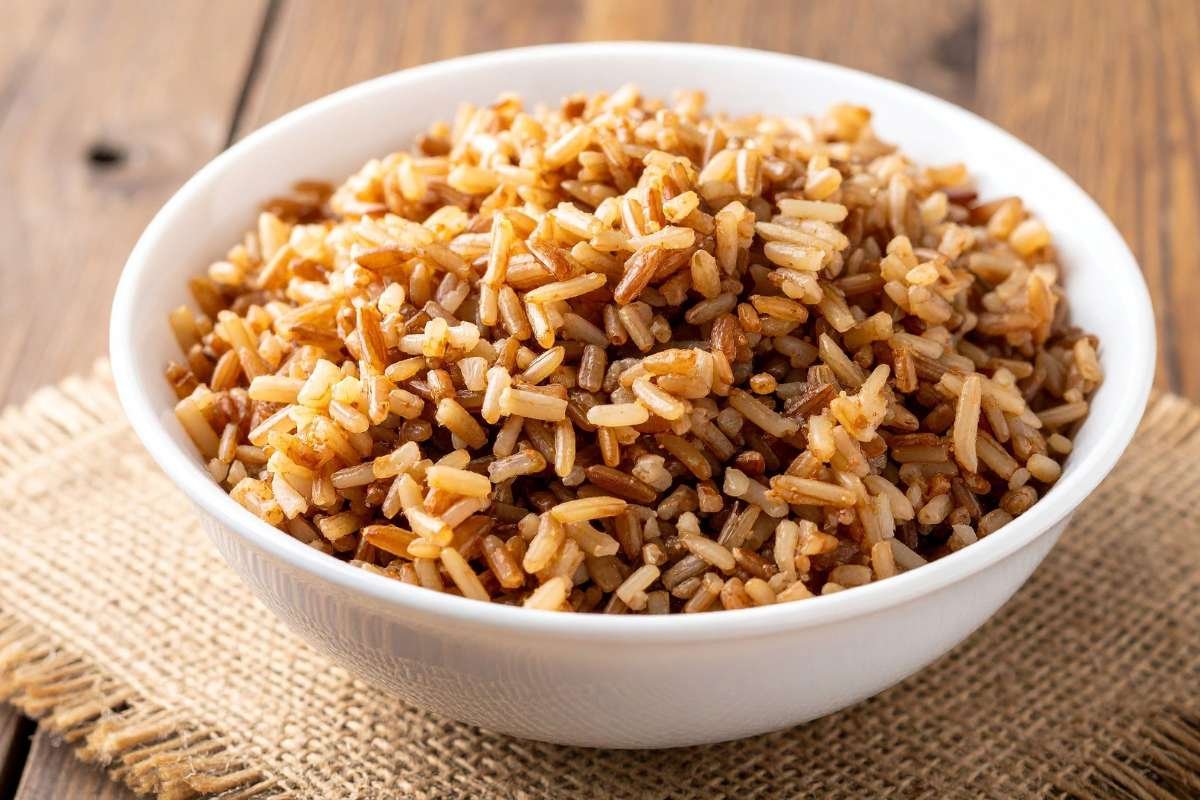
Cooking Brown Rice requires a little more patience than white rice, but the reward is worth it. Follow these steps for fluffy, flavorful grains every time:
- Rinse Thoroughly: Remove excess starch and any impurities.
- Soak (Optional): Soaking for 30–60 minutes helps soften the outer bran and reduces cooking time.
- Use the Right Ratio: Use 2½ cups of water for every cup of Brown Rice.
- Simmer: Bring to a boil, then reduce to low heat, cover, and cook for about 40–45 minutes.
- Let It Rest: Turn off the heat and let it sit covered for 10 minutes before fluffing.
You can also prepare it in a rice cooker or an Instant Pot for convenience.
Delicious Ways to Enjoy Brown Rice
One of the best things about Brown Rice is its versatility. It can adapt to countless cuisines and dishes:
- Buddha Bowls: Combine with roasted vegetables, chickpeas, and tahini dressing.
- Fried Rice Upgrade: Swap white rice with Brown Rice for a more nutritious version.
- Rice Salads: Toss it with herbs, nuts, and citrus dressing for a refreshing meal.
- Soups & Stews: Add it to lentil soups or curries for extra texture.
- Breakfast Bowls: Mix with almond milk, cinnamon, and honey for a warm, hearty start to the day.
Its nutty flavor pairs beautifully with both savory and slightly sweet dishes, making it a kitchen staple.
Tips for Storing and Buying Brown Rice

Because of its natural oils, Brown Rice has a shorter shelf life than white rice. To preserve freshness:
- Store in an airtight container in a cool, dark place.
- Refrigerate or freeze if not using within a few months.
- Buy in smaller quantities to avoid rancidity.
- Check the harvest date when purchasing — fresher is always better.
For an eco-friendly option, consider buying in bulk from local stores that promote sustainable packaging.
The Bottom Line: A Simple Swap for Better Health
Incorporating Brown Rice into your meals isn’t just a dietary upgrade — it’s a lifestyle shift toward better health and mindful eating. It’s unprocessed, nutrient-rich, and versatile enough to complement any cuisine.
Whether you’re aiming to manage weight, improve digestion, or simply eat cleaner, this whole grain checks all the boxes. So, the next time you reach for rice, make the smarter choice — go brown and feel the difference.
Also Read:
- Brown, Black, or Red? The Healthiest Types of Rice May Shock You
- White Rice: That Simple Food Changing Your Health Game
- Jasmine Rice vs White Rice: The Surprising Differences You Didn’t Know
Final Thoughts
Brown Rice isn’t a trend. It’s supported by research and evidence-based nutrition. Brown Rice shows that small changes to your diet can have a lasting effect on your energy levels, metabolism, and overall health.
So enjoy Brown Rice in a stir-fry, alongside your favorite main, or in a nourishing bowl, and let this rice become a staple in your kitchen and a reminder of your commitment to nourishing your body.