Are you getting enough water, but at the wrong times? Proper hydration gives you energy, helps your digestion, speeds up your metabolism, and keeps your brain working, but if you don’t do it at the right time, those benefits can be lessened.
Your body is made up of 60–75% water, and staying hydrated affects almost every system, from fixing cells to keeping your body at the right temperature. Even a small amount of dehydration (1–2%) can make it hard to focus and do well, but drinking water at the right time can help nutrients get into your body and flush out toxins.
That’s where the best time to drink water comes in. This guide, grounded in nutrition research, medical sources, and hydration studies, reveals how strategic timing paired with consistency maximizes benefits for peak health.
Why Hydration Is Essential for the Human Body?
Water is your body’s vital lifeline, driving key physiological roles that keep you thriving. It regulates body temperature through sweat and respiration. It also prevents overheating during activity. Water supports digestion by breaking down food and transporting nutrients via the blood. It also helps in aiding bowel regularity.
For brain performance, hydration maintains focus, memory, and mood. Your brain is 73% water. So even mild dehydration (1–2% body weight loss) fogs cognition, spikes fatigue, and saps energy, per studies from the Journal of Nutrition.
It also powers detoxification, flushing toxins through urine, and bolsters kidney function to filter waste efficiently. Timing matters too. Knowing the best time to drink water aligns these processes for optimal results. This turns hydration into a daily superpower.
The Best Time to Drink Water During the Day:
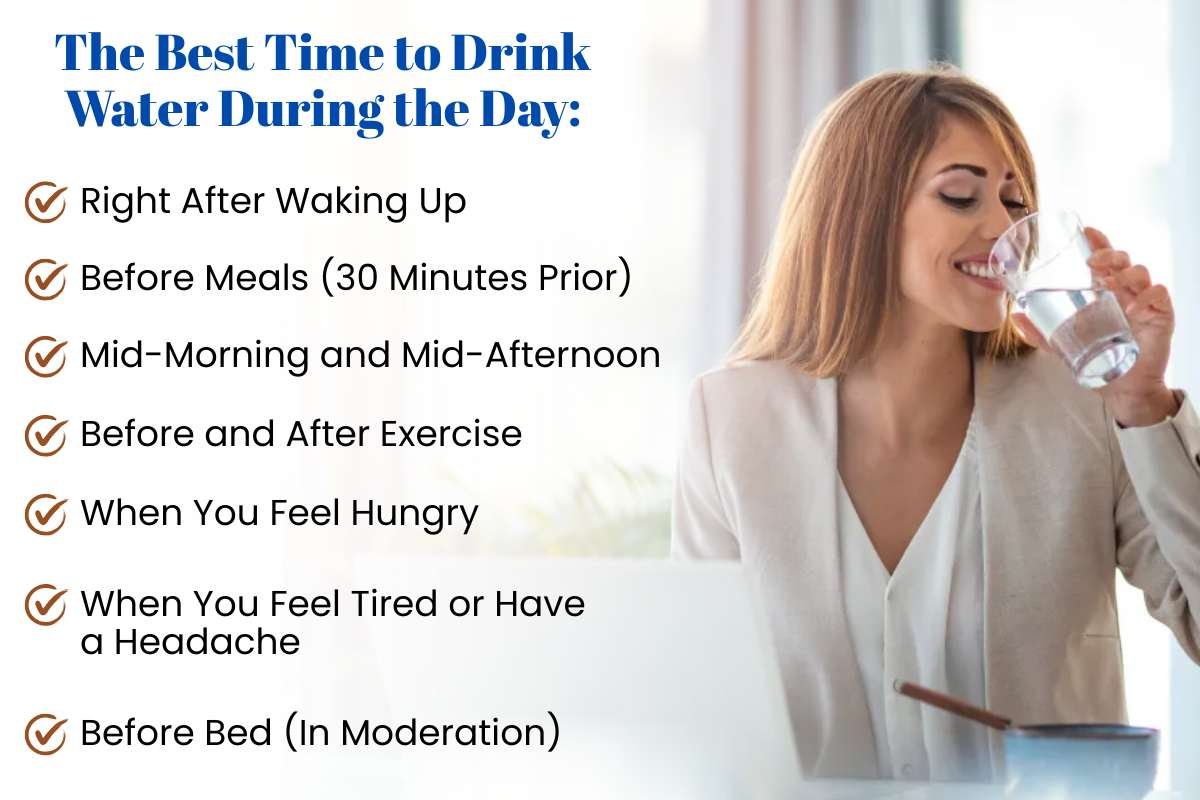
Timing your hydration unlocks maximum benefits. Here’s the best time to drink water throughout your day, with science-backed reasons.
1. Right After Waking Up:
Overnight, you lose up to a pint of fluid through breathing and sweat. A full glass (500ml) rehydrates fast, kickstarts metabolism by 30% (per German studies), and primes digestion for breakfast. Make it a simple habit. Add lemon for flavor and vitamin C to boost daily intake effortlessly.
2. Before Meals (30 Minutes Prior):
Sipping 500ml half an hour before eating promotes fullness, curbing overeating by up to 13% according to the Obesity journal research. It enhances nutrient absorption and stabilizes blood sugar, supporting weight management without strict dieting.
3. Mid-Morning and Mid-Afternoon:
These slumps often signal dehydration, not just low energy. A 300–500ml glass combats 2–3% fluid dips that impair focus and productivity, as shown in British Journal of Nutrition trials. It sustains cognitive function, sharpens alertness, and prevents that post-lunch crash.
4. Before and After Exercise:
Pre-workout hydration (400–600ml, 2 hours prior) optimizes performance and replaces sweat losses (up to 1 liter/hour). Post-exercise, drink 1.5 times the fluid lost to restore electrolytes, avert fatigue, and speed muscle recovery. Key for athletes per ACSM guidelines.
5. When You Feel Hungry:
Thirst masquerades as hunger in 37% of cases, per European Journal of Clinical Nutrition data. Try 300ml water first; it differentiates true appetite from dehydration, helping control snacking and emotional eating.
6. When You Feel Tired or Have a Headache:
Mild dehydration triggers fatigue, headaches, and irritability by shrinking brain cells slightly. Rehydrate with 500ml to restore oxygen flow and energy within 30 minutes, backed by headache studies from the American Migraine Foundation.
7. Before Bed (In Moderation):
A small 200–300ml glass combats overnight dehydration without bathroom trips. It supports cellular repair during sleep, but cap it to avoid disruptions. Ideal for better rest and morning freshness.
When Should You Avoid Drinking Too Much Water?
Smart hydration means knowing limits. Overdoing it disrupts electrolyte balance, especially sodium, leading to hyponatremia. Symptoms range from nausea and headaches to seizures in severe cases, per NIH warnings.
Immediately After Heavy Meals:
Gulping large amounts dilutes stomach acids, slowing digestion and causing bloating. Sip moderately instead to aid breakdown without discomfort.
Right Before Intense Workouts:
Excess water without electrolytes sloshes in your stomach, risking cramps or nausea during high-intensity efforts. Hydrate steadily 1–2 hours prior.
Excessive Intake in a Short Period:
Chugging gallons quickly overwhelms the kidneys (max 0.8–1 liter/hour processing). Space intake evenly to prevent dangerous fluid overload.
Balance is key: aim for 2.7–3.7 liters daily, adjusted for activity, not marathon sessions.
How Much Water Should You Drink Daily?
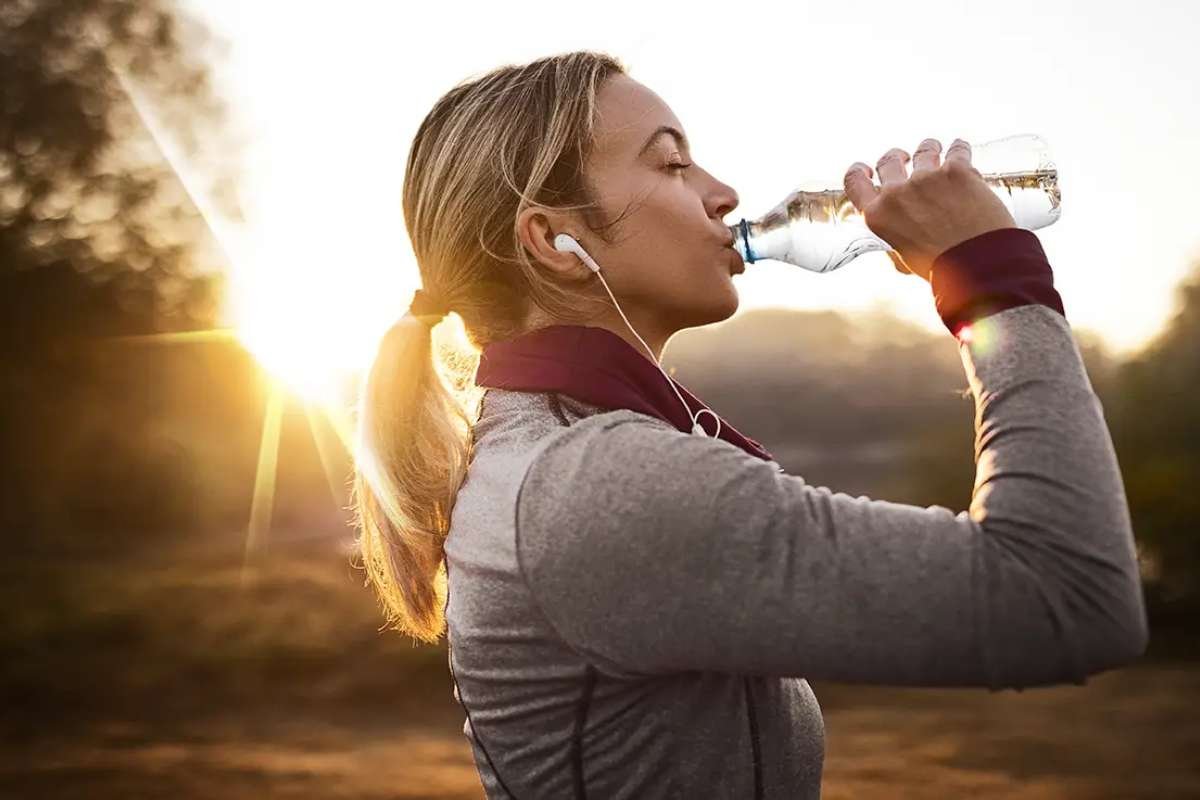
Global health experts agree: hydration varies, but baselines guide you right.
General Recommendations
The U.S. National Academies suggest men aim for about 15.5 cups (3.7 liters) of total fluids daily, while women target 11.5 cups (2.7 liters). This includes all beverages and moisture-rich foods like fruits (20–30% of intake). Europe’s EFSA aligns closely at 2.5 liters for women and 3.0 for men, excluding extras. WHO emphasizes listening to thirst in healthy adults.
Factors Affecting Your Needs:
- Climate: Hot, humid areas demand 20–30% more to offset sweat. Think 4+ liters in tropical zones.
- Activity Level: Exercise adds 0.5–1 liter per hour. Athletes may hit 5–6 liters.
- Age: Kids need less (1–2 liters), elders more due to dulled thirst signals.
- Health Conditions: Pregnancy ups women’s needs by 300ml. Fever, diarrhea, or illnesses like diabetes spike requirements 10–50%.
Track urine color (pale yellow = ideal) and adjust. Personalize via apps or pros for best results. There’s no one-size-fits-all.
Hydration Strategies for Different Lifestyles:
Personalize your approach for real-world success. Here’s how, based on lifestyle.
For Office Workers
Desk jobs sneak up on dehydration amid AC and caffeine.
- Drink 300–500ml every 1–2 hours to sustain focus.
- Keep a reusable 1-liter bottle at your desk as a visual cue.
- Set phone alarms or pair sips with emails for habit stacking.
For Athletes
Sweat demands proactive fueling, especially in hot climates like India’s summers.
- Pre-hydrate with 500ml 2 hours before; sip 200ml every 20 minutes during.
- Post-workout, replace 125% of lost fluids (weigh yourself to track).
- Boost electrolytes in heat. Add salts or coconut water to combat 1–2 liters of hourly losses.
For Older Adults
Thirst signals fade after 65, raising dehydration risk by 50%, per studies.
- Set 4–6 daily reminders via apps or family check-ins.
- Flavor water with fruits to make it appealing and boost intake.
- Aim for small, frequent sips (200ml hourly) over large gulps.
Adapt these to your routine for effortless hydration worldwide.
Common Hydration Myths Debunked:

Separate fact from fiction with science.
Myth 1: You Must Drink Exactly 8 Glasses Daily
Truth: The “8×8” rule (64oz) lacks evidence. It’s a 1945 guess. NASEM guidelines recommend 2.7–3.7 liters of total fluids based on sex, activity, and climate. Thirst and urine color guide better than rigid quotas.
Myth 2: Drinking Water During Meals Harms Digestion
Truth: Moderate sips aid breakdown by diluting acids safely, per Gastroenterology research. Only excessive gulping post-heavy meals slows it. Timing like 30 minutes before, optimizes, as Ayurveda and modern studies align.
Myth 3: Coffee and Tea Always Dehydrate You
Truth: Caffeine mildly boosts urine output, but regular drinkers build tolerance. EFSA confirms 3–4 cups contribute to hydration like water, especially with milk. Net effect? Neutral or positive for most.
Ditch myths. Embrace evidence for smarter sipping.
Here Are Some Common Signs That Your Body Needs More Water:
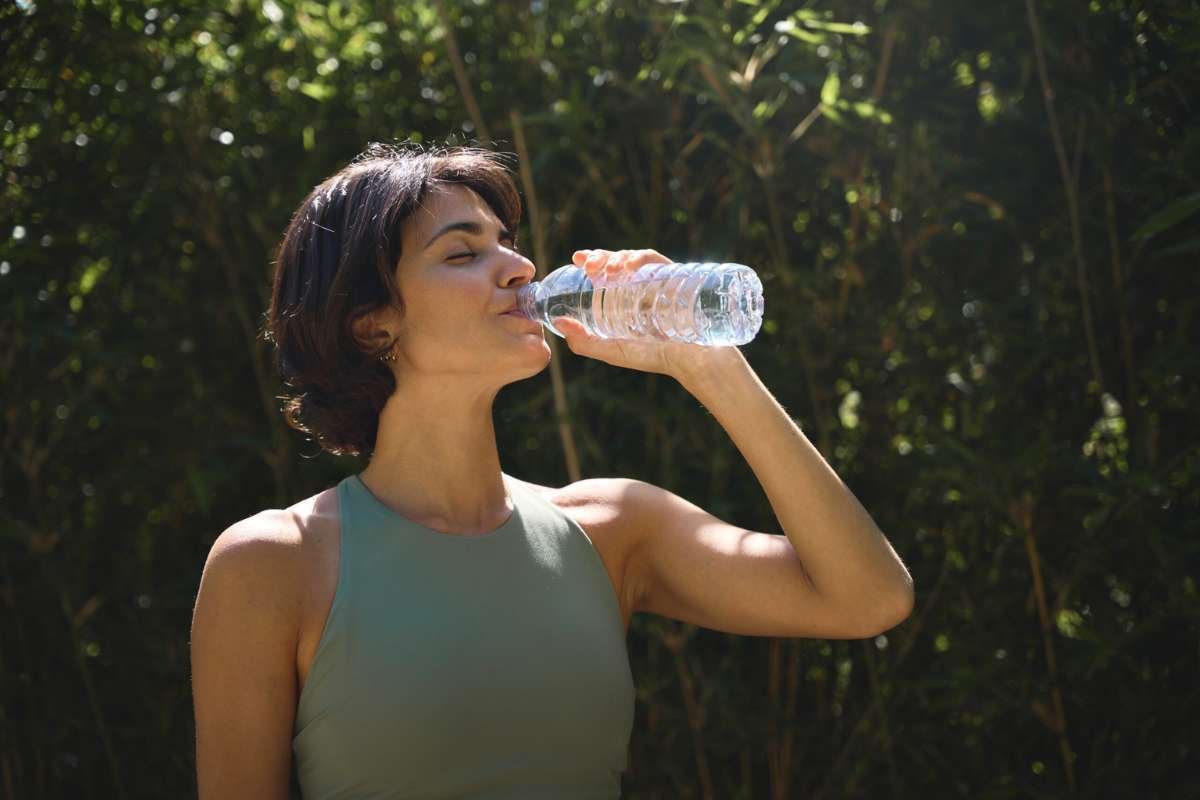
Catch dehydration early. These signals scream for action, often before thirst hits.
- Dark Urine: Pale yellow is ideal; amber or dark means concentrate from fluid shortage. Keep a check at midday.
- Dry Mouth and Thirst: Sticky mouth or cottonmouth signals a 1–2% loss. Don’t ignore it as “normal.”
- Fatigue and Low Energy: Even mild dips zap 20% performance, mimicking tiredness.
- Headaches: Shrinking brain tissue tugs membranes, causing throbbing. Common in 75% of cases.
- Dizziness or Lightheadedness: Low blood volume drops pressure, especially when standing up fast.
Other clues: dry skin, muscle cramps, or constipation. Infants show fewer wet diapers; elders, confusion. Act fast: sip 500ml slowly. Knowing the best time to drink water prevents these. Align with wake-up, meals, and slumps for proactive hydration.
Track daily. Apps help log intake against symptoms.
Follow This Simple Daily Hydration Schedule:
Follow this flexible chart for the best time to drink water. You can adjust according to needs.
| Time | What to Do | Amount | Why It Helps |
| Morning | 1 glass after waking | 500ml | Rehydrates overnight loss |
| Before Meals | 1 glass 30 min before breakfast, lunch, dinner | 500ml each | Boosts fullness, digestion |
| Mid-Morning | Hydration break (e.g., 10 AM) | 300ml | Fights energy dip |
| Afternoon | Rehydrate during slump (3 PM) | 300ml | Sustains focus, prevents crash |
| Exercise | Before (2 hrs prior) & after workout | 500ml + 500ml | Replaces sweat, aids recovery |
| Evening | Moderate sip before bed | 200–300ml | Supports overnight repair |
Total: 2.8–3.8 liters. Use a marked bottle. Set reminders. Personalize for heat or activity.
Read Next:
- The Secret to Life? The Shocking Role of the Average Percentage of Water in the Human Body
- How to Get Your Child to Drink More Water?
Conclusion:
Mastering hydration isn’t just about more water. It’s about smarter timing. You’ve got the roadmap: from morning kickstarts and pre-meal sips to slump-busting breaks and workout refuels. Now you know the best time to drink water for real results.
Ditch the myths, dodge dehydration signals. It can cause dark urine or foggy focus, and tailor intake to your life. In your routine, like the office desk, gym sweat, or senior sips. Use the schedule, hit 2.7–3.7 liters wisely, and watch energy soar. This helps in digestion, smooths out, and promotes health thrives.
Start today: grab that bottle, set a wake-up alarm, and sip strategically. Your body, 60–75% water, will thank you with sharper days and vibrant nights. Consistency turns good habits into superpowers. Hydrate right, live better.
FAQ:
1. What is the best time to drink water for weight loss?
The best time to drink water for weight loss is 30 minutes before meals. Studies show this boosts fullness, cutting calorie intake by up to 13% and aiding fat burn, per Obesity journal research. Morning hydration also revs metabolism by 30%.
2. Should you drink water on an empty stomach?
Yes, first thing after waking on an empty stomach rehydrates after overnight loss, jumpstarts digestion, and enhances nutrient absorption. Add lemon for extra benefits, as German studies confirm a 30% metabolism spike.
3. Can drinking water improve metabolism?
Absolutely. 500ml upon waking triggers thermogenesis, boosting metabolic rate short-term. Consistent timing amplifies fat oxidation and energy use, per dietitian insights