You lie down after a long day. Your phone slips from your hand. Your brain whispers tomorrow’s to-do list. Then you twist like a pretzel and call it sleep. Morning arrives. Your neck hurts. Your back complains. You blame the mattress. But your body knows the truth.
Best and worst sleeping positions play a bigger role than people expect. Sleep lasts six to eight hours. That is a long time for your spine to suffer or heal. The right posture supports your muscles and joints. The wrong one slowly invites pain.
This guide breaks sleep postures into simple terms. No medical talk. No scary warnings. Just real advice that helps you wake up lighter and happier.
Top 10 Best and Worst Sleeping Positions
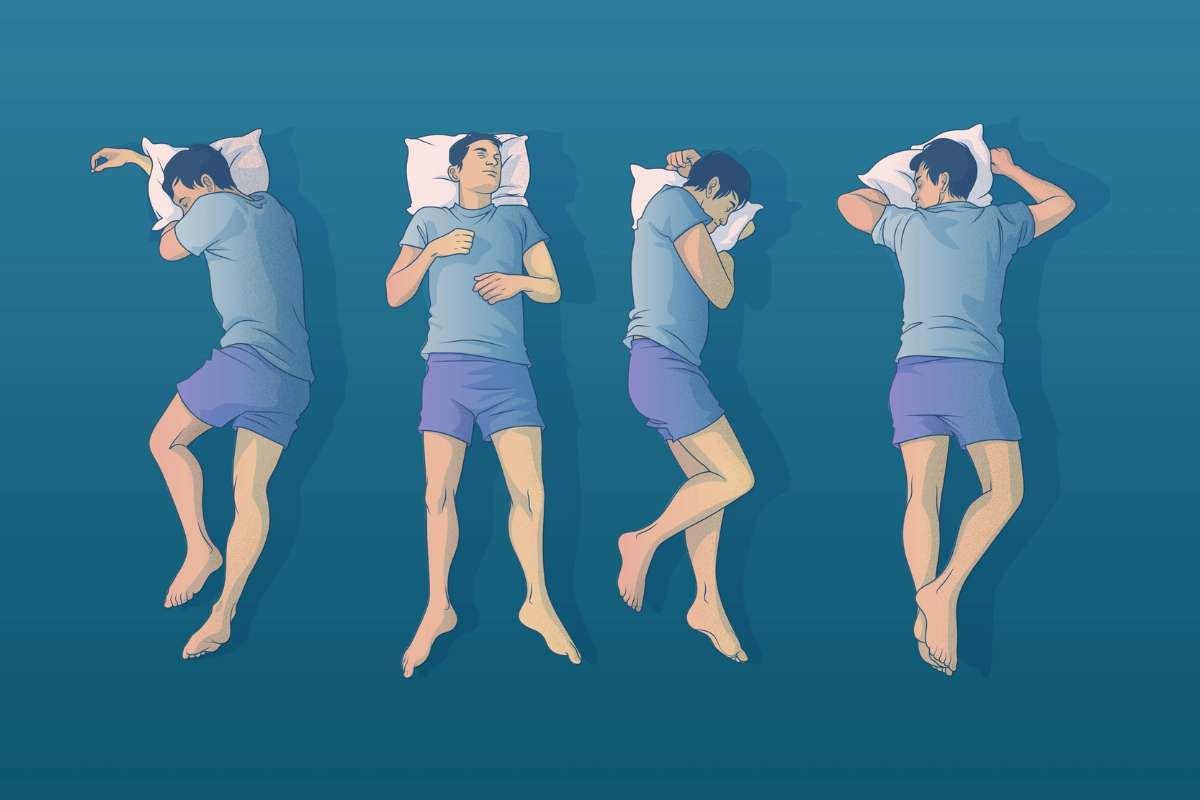
Below are ten common ways people sleep. Each one explains what helps and what hurts. Read them like a mirror for your nightly habits.
Best Sleeping Positions:
1. Back Sleeping With Neutral Spine
This is one of the best and Worst Sleeping Positions. Your head, neck, and spine stay in one straight line. Your body weight spreads evenly across the mattress, so no single area takes too much pressure.
Placing a small pillow under your knees helps keep your lower back relaxed. It prevents the spine from curving too much.
This position reduces neck pain, back pain, and shoulder stress. Many health experts recommend this posture for long-term spine care.
Best for: back pain relief, posture support, and overall comfort.
2. Side Sleeping With Pillow Between Knees
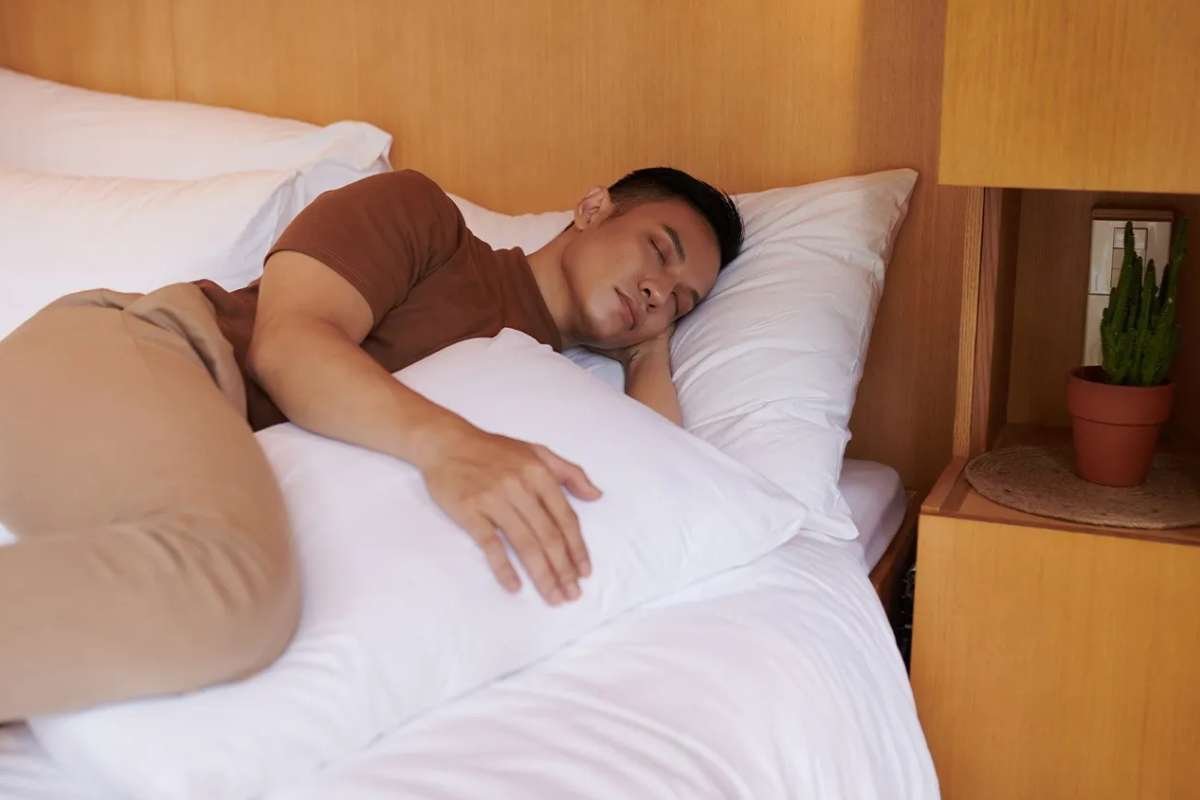
This position works very well for many people. Sleeping on your side helps reduce snoring and breathing issues. When you place a pillow between your knees, your hips stay balanced instead of twisting.
This keeps your lower back relaxed and prevents hip pain. It is especially helpful for pregnant people and those with sciatica or lower back problems. which is why it is often listed among the Best and Worst Sleeping Positions
Best for: side sleepers, pregnancy, hip, and lower back support.
3. Left Side Sleeping
Sleeping on the left side offers extra benefits. It supports digestion and reduces acid reflux. This happens because the stomach sits lower than the esophagus in this position.
Left side sleeping also supports better blood flow and takes pressure off internal organs. Many doctors suggest this posture for long-term comfort and heart health.
Best for: digestion, acid reflux, and overall circulation.
Neutral Sleeping Positions:
Back Sleeping With Neutral Spine
Right-side sleeping feels natural and comfortable for many people. It supports breathing and can reduce snoring. However, for some people, it may worsen acid reflux.
Using a firm pillow helps keep your neck straight and prevents shoulder strain. With proper support, this position can still be comfortable.
Good for: general comfort with proper pillow support.
5. Back Sleeping Without Support
Sleeping flat on your back without knee support can strain the lower back. The spine may arch slightly, which causes stiffness in the morning.
A small pillow under the knees can fix this quickly. Without support, this posture is not harmful, but not ideal either.
Neutral: because it needs small adjustments to become supportive.
Worst Sleeping Positions:
6. Fetal Position Curled Too Tight
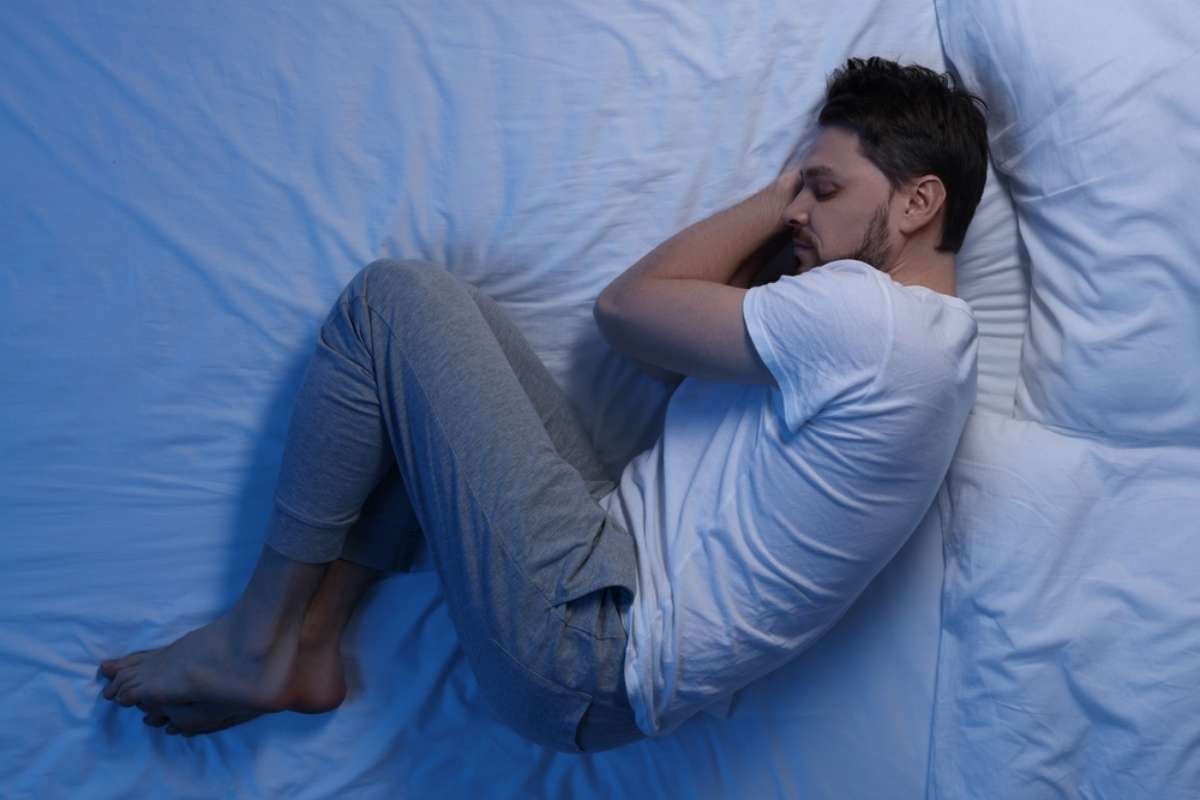
Curling up slightly feels comforting. Curling too tightly causes problems. A tight fetal position compresses the chest and limits deep breathing.
It also stiffens the neck, hips, and knees over time. This can lead to joint pain and reduced flexibility. Loosening the curl helps improve comfort.
Worst when: the body curls too tightly for long hours.
7. Stomach Sleeping
This is one of the hardest positions on the body. Stomach sleeping forces the neck to twist to one side for hours. This strains the neck and upper spine.
The lower back also sinks too deeply, flattening the natural curve of the spine. Many people wake up with neck pain, numb arms, or stiffness.
Worst for: neck pain, spine alignment, and shoulder strain.
8. Half Stomach Half Side
This mixed position looks harmless, but causes uneven pressure. One side of the body twists while the other stays flat.
Over time, this posture stresses the spine and hips. It often leads to muscle imbalance and lower back discomfort.
Worst because: the spine stays twisted for long periods.
Mixed and Special Case Sleeping Position:
9. Starfish Position
Lying flat on your back with arms and legs spread out feels relaxing. However, this position can strain the shoulders and arms.
If you use small pillows under your arms, it becomes more comfortable. Without support, it may cause shoulder stiffness.
Mixed because comfort depends on proper support.
10. Sitting Upright With Pillows
Some people sleep sitting up due to breathing issues, acid reflux, or medical conditions. This position can improve airflow and reduce nighttime coughing.
However, without proper lower back support, it strains the spine. Extra pillows behind the back and under the knees help reduce pressure.
Best only when: medical needs require it, and support is added.
Why Sleeping Position Matters?
Sleep is not just rest. It is repair time for your body.
When you sleep, your muscles finally relax after working all day. Your spine gets a break from gravity. The soft discs between your bones slowly absorb fluid again. This process keeps your back flexible and strong. It also helps reduce daily wear and tear.
Poor sleeping posture blocks this natural repair. If your neck twists or your lower back sinks the wrong way, muscles stay tense. Joints stay under pressure. Blood flow reduces in certain areas. Over time, this leads to stiffness, headaches, numb arms, and long-term back pain.
Good posture during sleep works like a reset button. It keeps your spine straight, your neck supported, and your joints relaxed. Your body repairs itself without stress. You wake up lighter instead of sore. which is why choosing the Best and Worst Sleeping Positions matters for better rest.
Medical experts agree on this point. According to Mayo Clinic, poor sleep posture often leads to chronic neck and back pain. Their guidance shows that spinal alignment during sleep plays a big role in long-term comfort.
Research shared by the Cleveland Clinic explains that side sleeping can reduce snoring and acid reflux. This happens because the airway stays open and stomach acid stays lower. This posture also supports better breathing.
Advice from the Sleep Foundation confirms that sleeping position affects sleep quality and oxygen flow. People who sleep in supportive positions tend to sleep more deeply and wake up less often during the night.
These facts clearly explain why the best and worst sleeping positions deserve serious attention. The way you sleep shapes how your body feels every morning.
Simple Tips To Improve Sleep Posture
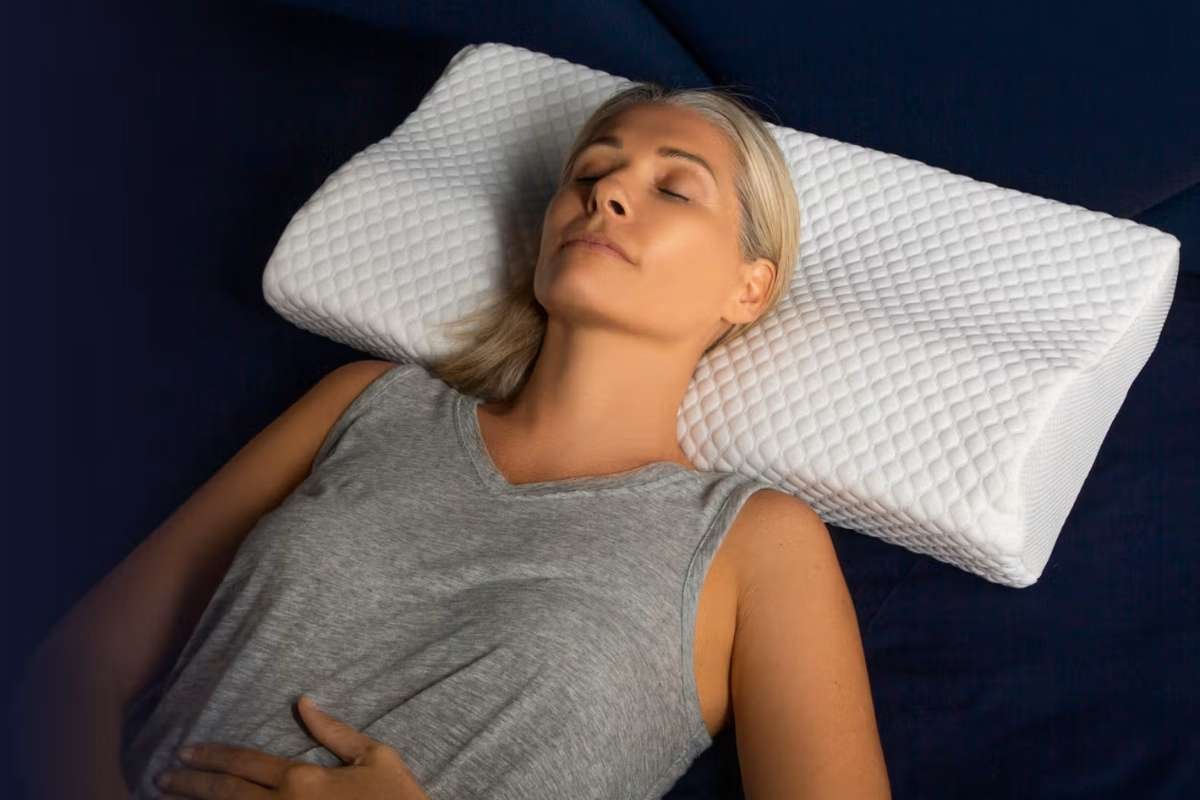
You do not need expensive beds or complicated gadgets. Small changes work better.
Use one supportive pillow: Your pillow should support your neck, not lift your head too high. A pillow that keeps your neck in line with your spine works best. and helps maintain one of the best sleeping positions for proper support.
Keep ears aligned with shoulders: This simple rule protects your neck. Whether you sleep on your back or side, your ears should sit straight above your shoulders, not bent forward or backward.
Support knees or hips: If you sleep on your back, place a pillow under your knees. If you sleep on your side, place one between your knees. This keeps your hips level and reduces lower back strain.
Change posture slowly: Your body needs time to adjust. If you switch sleeping positions suddenly, muscles may feel sore at first. Give it a few nights before judging comfort.
Listen to pain signals: Pain is feedback, not noise. If you wake up sore in the same place often, your posture needs adjustment.
Small posture changes matter more than fancy mattresses. The right position supports your body every night, quietly improving sleep and long-term health.
Common Myths about Sleeping Positions
Many people think that if they sleep without waking up, they must be sleeping the right way. That idea sounds logical, but it is not always true. Sleeping still does not always mean sleeping well. Your body can stay asleep while your muscles and joints struggle silently. because of poor Best and Worst Sleeping Positions.
Another common belief is that moving a lot during sleep is normal and harmless. Small movements are normal, but frequent turning often signals discomfort. Your body shifts positions to escape pressure or pain. It keeps searching for comfort. That is your body asking for better support.
Some people also believe a hard and stiff sleeping posture is good for the spine. In reality, comfort comes from proper support, not stiffness. Your spine has natural curves. A good sleeping position supports those curves instead of forcing them flat or twisted.
Many ignore posture because pain does not appear right away. The damage builds slowly. Poor habits stress the neck, shoulders, and lower back night after night. Weeks later, pain shows up in the morning. Months later, it becomes a daily issue.
This is where the best and worst sleeping positions matter. The wrong posture may feel fine today, but causes long-term strain. The right posture helps your body relax fully and recover while you sleep.
The truth is simple. Good sleep is not about staying still. It is about staying supported. When your body feels safe and aligned, it stops fighting and starts healing.
Conclusion
Remember the twisted pretzel from the introduction. That pretzel wakes up sore. A supported sleeper wakes up calm.
Best and worst sleeping positions shape how your body feels each morning. You do not need perfection. You need awareness and a pillow placed with care.
Tonight, choose comfort. Let your spine breathe. Wake up ready to move, smile, and stretch. Your bed should heal you, not fight you.
Sleep smart. Your body stays with you for life.