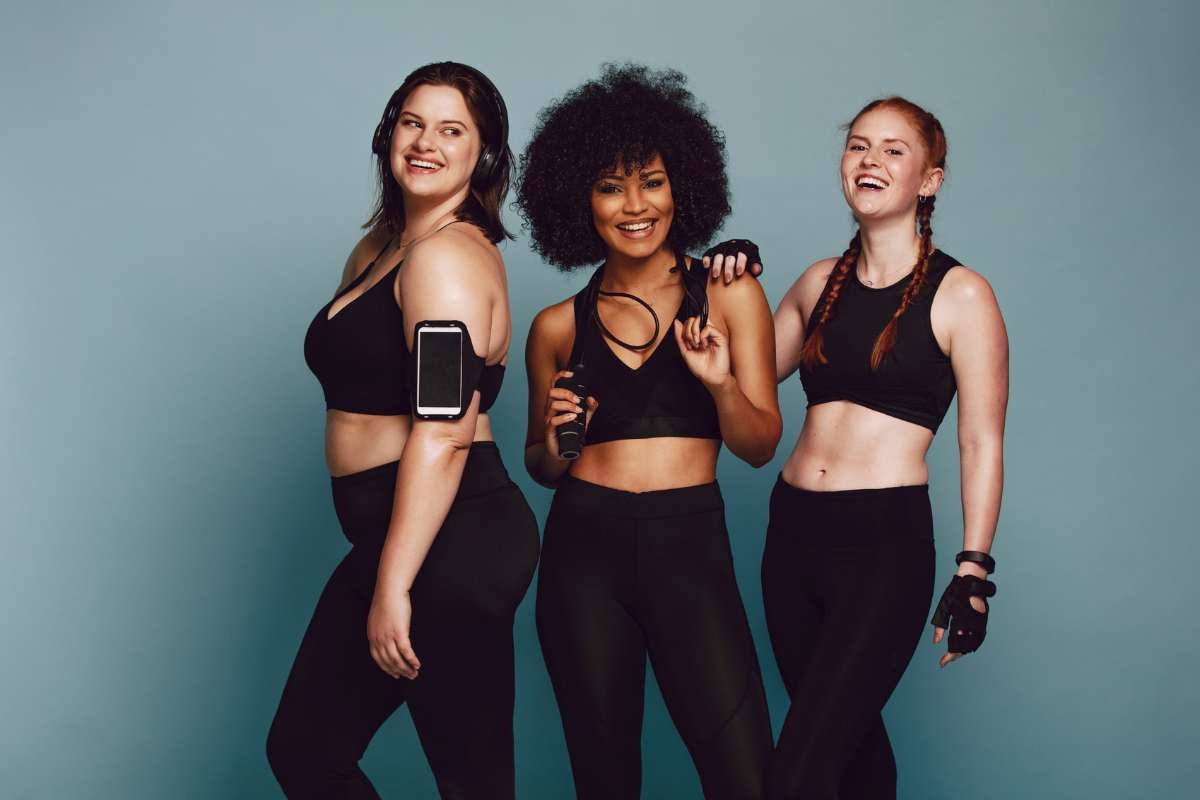
Starting fitness feels scary. Gyms look confusing. Instagram workouts feel extreme. And motivation disappears faster than socks in a washing machine.
This guide is here to change that mood. You do not need six packs. You do not need fancy shoes. You do not need to punish your body. You just need a kind plan that works with your life.
The Beginner Workout Plan for Women is not about pain or pressure. It is about small wins. It is about feeling strong enough to carry groceries without stress and confident enough to smile at yourself in the mirror.
Laugh a little. Move a little. Repeat. That is how real fitness starts.
What Makes This Workout Beginner-Friendly?
This plan respects your body. It focuses on balance, strength, flexibility, and rest. Every move feels doable. Every step feels safe.
The goal is not speed. The goal is consistency.
The Beginner Workout Plan for Women works because it builds habits first and muscles later.
Beginner Workout Plan for Women With Routines and Diet
This workout and diet plan is designed for women who are just starting their fitness journey. It focuses on building strength slowly, improving energy, and keeping the body safe from injury. There is no rush and no pressure. Every day has a purpose, and every movement supports your body.
Weekly Workout Structure
Each week includes movement days, light activity days, and rest days. This balance helps your muscles grow stronger while giving your body enough time to recover.
Day 1 – Full Body Strength (20-25 minutes)
This day works your entire body using simple movements.
- Squats (10 reps) – Squats strengthen your legs, hips, and lower body. They also help with balance and posture. You can use a chair for support if needed.
- Wall pushups (10 reps) – Wall pushups are easier than floor pushups. They strengthen your arms, chest, and shoulders without putting pressure on your joints.
- Standing lunges (8 reps each leg) – Lunges help tone your thighs and improve balance. Take small steps and move slowly.
- Arm circles (30 seconds) – Arm circles warm up your shoulders and arms. They help reduce stiffness and improve flexibility.
- Stretching (5 minutes) – Stretching relaxes your muscles and prevents soreness. It also helps you feel calm and loose after exercise.
This day builds basic strength without making you feel tired or sore.
Day 2 – Light Cardio (20 minutes)

Cardio improves heart health and boosts energy.
- Brisk walking keeps your body active and burns calories gently.
- Cycling is easy on the knees and great for leg strength.
- Slow dancing at home keeps fitness fun and stress-free.
Choose one activity you enjoy. The goal is movement, not speed.
Day 3 – Rest or Gentle Stretch
This day allows your body to recover.
- You can rest fully if you feel tired.
- Light stretching helps reduce muscle tightness and keeps joints flexible.
Rest days are important. They help prevent injuries and improve long-term results.
Day 4 – Lower Body Focus
This day strengthens your legs and hips.
- Glute bridges strengthen the hips and lower back.
- Chair squats build leg strength with support.
- Step-backs improve balance and coordination.
- Calf raises strengthen your lower legs and ankles.
Strong legs support daily activities like walking, climbing stairs, and standing for long hours.
Day 5 – Upper Body and Core
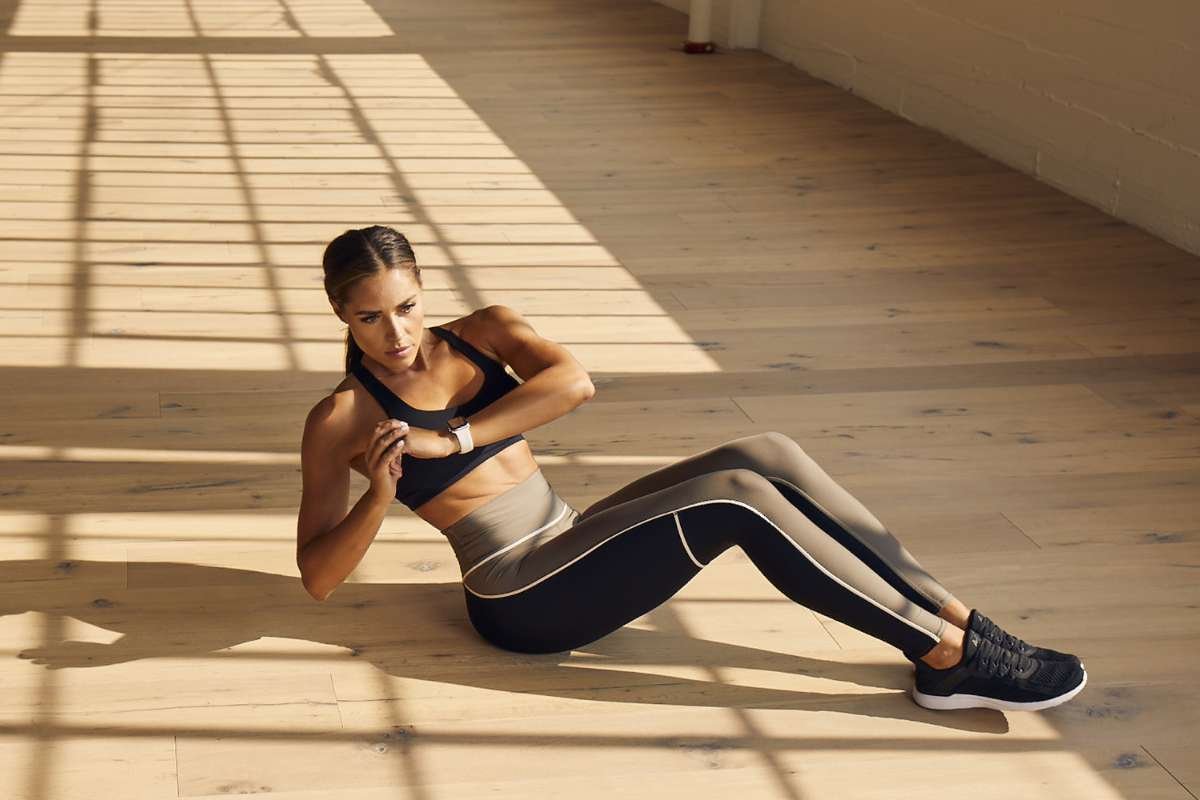
This day improves posture and core strength.
- Modified planks strengthen your core safely.
- Arm raises tone shoulders and arms.
- Seated twists improve waist flexibility and digestion.
- Shoulder rolls reduce neck and shoulder tension.
A strong upper body helps with lifting, posture, and daily comfort.
Day 6 – Active Fun
Fitness should feel enjoyable.
- Yoga improves flexibility and mental calm.
- Swimming works the full body without joint stress.
- Nature walks refresh the mind and reduce stress.
Choose one activity you love. Enjoyment helps you stay consistent.
Day 7 – Full Rest
This is a complete rest day.
- No workouts
- No pressure
- Just relaxation
Your body repairs muscles and restores energy on rest days.
Why This Plan Prevents Burnout?
This Beginner Workout Plan for Women mixes strength, movement, and rest. It avoids overtraining and keeps your body balanced. Slow progress helps you stay motivated and injury-free.
Simple Diet Support for Better Results
Food supports your workouts and mood. It gives your body energy to move and recover.
Easy Daily Meal Pattern
Morning
- Oats with fruit give long-lasting energy.
- Boiled eggs provide protein for muscles.
- Herbal tea helps digestion and hydration.
Afternoon
- Rice or roti gives energy for daily activities.
- Dal or grilled chicken supports muscle repair.
- Cooked vegetables provide vitamins and fiber.
Evening Snack

- Fruits give natural sugar and freshness.
- Nuts provide healthy fats.
- Yogurt supports digestion.
Dinner
- Light soup keeps digestion easy.
- Paneer or tofu adds protein.
- Salad gives nutrients without heaviness.
Healthy Eating Habits That Matter
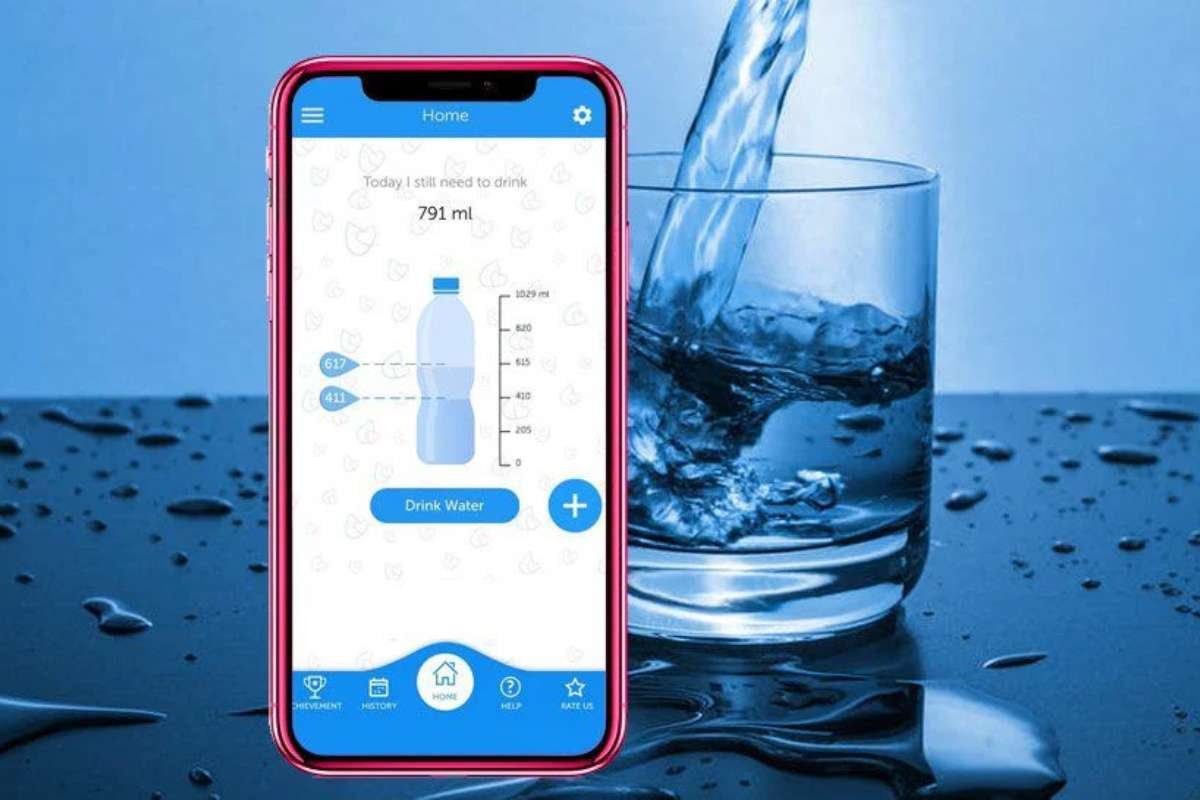
- Drink enough water throughout the day.
- Eat slowly and mindfully.
- Do not skip meals.
- Enjoy your food without guilt.
The Beginner Workout Plan for Women works best when food supports energy, mood, and recovery. Healthy eating should feel comforting, not stressful.
Common Beginner Mistakes to Avoid
- Skipping warm-ups
- Copying advanced workouts
- Comparing progress
- Ignoring rest
- Eating too little
Fitness grows with patience.
Motivation That Actually Lasts
Do not wait for motivation. Start with action. Ten minutes matter. One walk counts. One healthy meal helps.
Celebrate effort. Not perfection.
Conclusion
Remember how scary fitness felt at the start? Now imagine yourself six weeks later. You feel lighter. You sleep better. You smile more.
That change did not come from pressure. It came from kindness.
The Beginner Workout Plan for Women is your reminder that strength grows quietly. Progress happens daily. And your body listens when you treat it well.
Start today. Laugh through the mistakes. Keep moving forward.