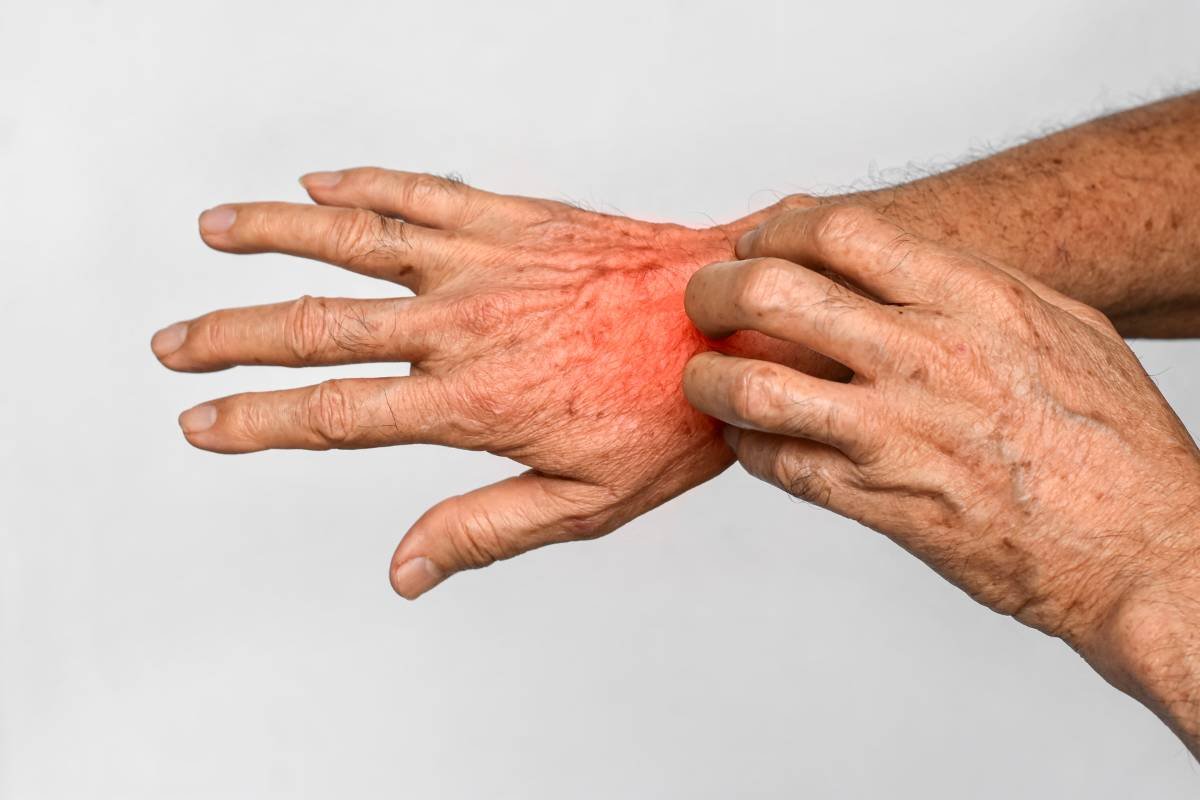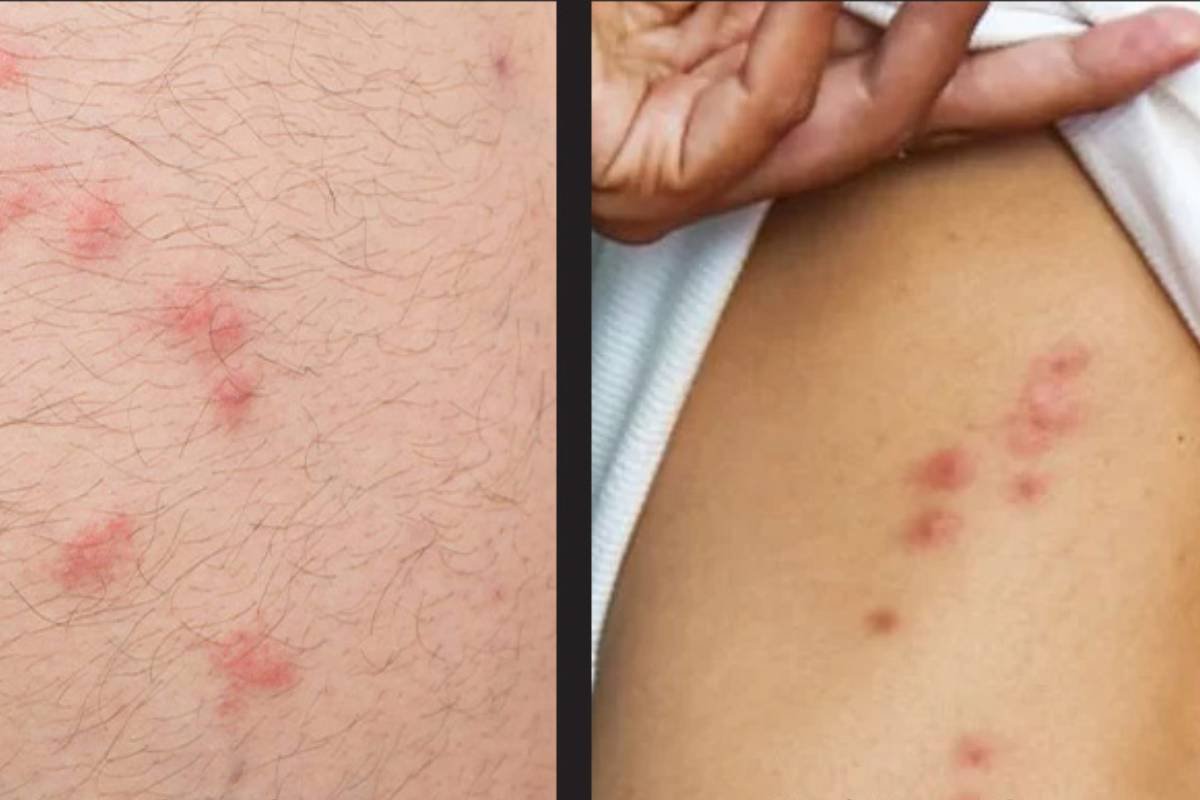
You wake up. You stretch. You scratch. And suddenly your morning mood is gone. There it is. A red, itchy bump. Then another. Then five more. Your brain starts racing.
“Is my bed dirty?”
“Did something jump on me outside?”
“Why does my skin feel personally attacked?”
Before panic takes over, breathe. Not every itchy bite means disaster. Some bugs bite at night. Some strike outdoors. Some itch for hours. Some itch for days.
This guide breaks the confusion with humor, clarity, and facts. By the end, you will know exactly what you are dealing with and how to stop the itching fast. Let us settle the great skin mystery of Bed Bug vs Chigger Bite once and for all.
What Are Bed Bugs?

Bed bugs are very small insects with flat bodies. They are usually brown or reddish in color. Because of their flat shape, they can hide easily in tiny spaces. Most people never see them during the day.
Bed bugs live close to humans because they need human blood to survive. They do not fly or jump. They crawl and hide in places near where people sleep. Common hiding spots include mattresses, bed frames, headboards, pillows, sofas, and even cracks in walls or wooden furniture.
These insects are active at night. When a person is asleep, bed bugs come out quietly and feed on blood for a few minutes. Most people do not feel the bite while it happens because the bug releases a mild numbing substance. This is why the bite often goes unnoticed at first.
The itching and redness usually start several hours later or even the next day. Some people react more strongly than others. A few may feel intense itching, while others may only notice small red marks.
Common Signs of Bed Bug Bites
Bed bug bites have a few clear signs that make them easier to recognize.
- Red, Swollen Bumps: The bites often appear as small red bumps on the skin. In some cases, the area around the bite may swell slightly. The skin may feel warm or irritated.
- Bites in Straight Lines or Clusters: One common sign of bed bug bites is the pattern. The bites often appear in straight lines or close groups. This happens because the bug may bite several times while moving across the skin.
- Itching That Gets Worse at Night: The itching may feel mild at first, then become stronger later. Many people notice the itching more at night, especially when lying in bed. Scratching can make the skin sore or cause an infection.
- Bites on Exposed Skin Areas: Bed bugs usually bite skin that is not covered by clothes. Common areas include the arms, neck, face, back, and shoulders. These parts are easy for the bug to reach while a person is sleeping.
Important Thing to Remember
Bed bugs do not live on your body like lice. They do not stay in your hair or on your skin. They hide in nearby places and come out only to feed. This is why treating the sleeping area is just as important as treating the bites.
Understanding these signs helps you act early and stop the problem before it spreads.
What Are Chiggers?
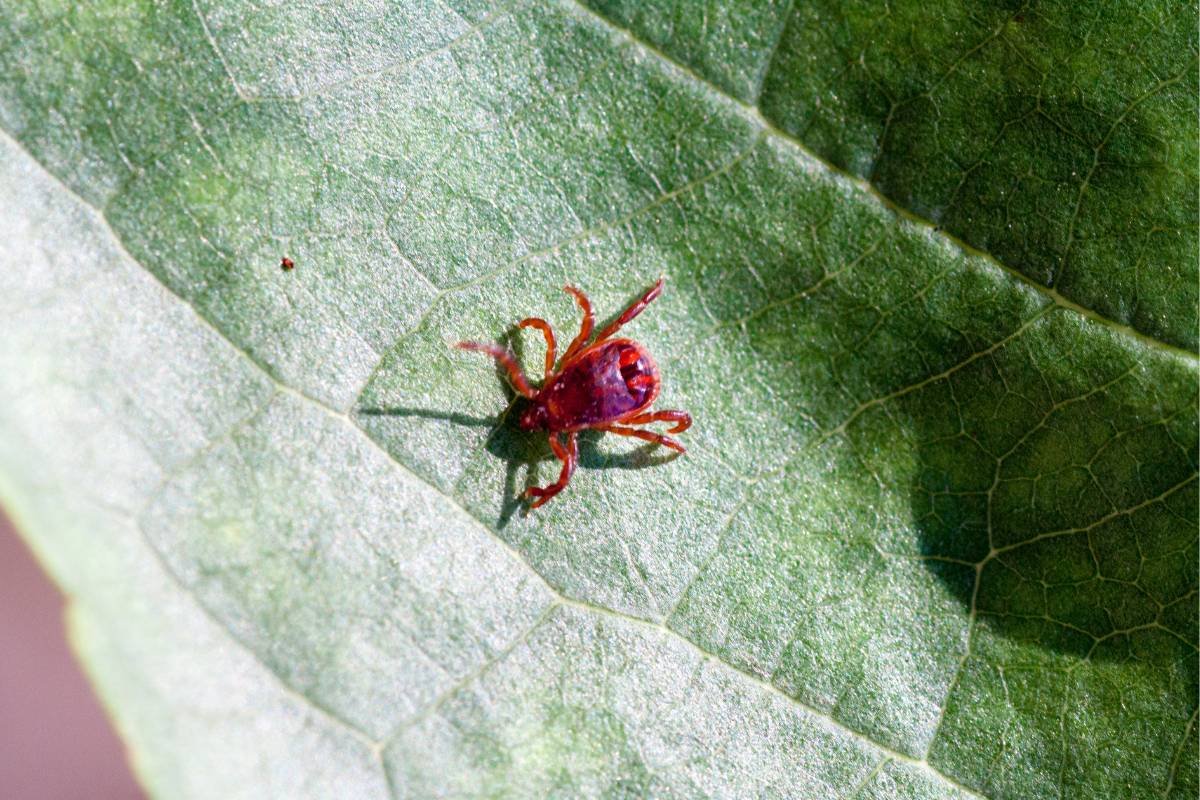
Chiggers are tiny mites that live outdoors. They are so small that you cannot see them with your eyes. Most people never notice them until the itching starts.
Chiggers live in tall grass, bushes, weeds, and moist soil. They are common in gardens, parks, farms, forests, and fields. Warm weather makes them more active, especially during summer and early fall.
Chiggers do not fly or jump. They crawl onto your skin when you walk or sit in grassy areas. Once they reach your skin, they look for a warm and tight spot.
Unlike bed bugs, chiggers do not bite deeply. They attach to the surface of your skin and release saliva. This saliva breaks down skin cells so they can feed. Your body reacts to this saliva, which
causes redness and itching.
The chigger usually falls off after feeding. But the irritation stays because your skin is still reacting.
Common Signs of Chigger Bites
- Intense Itching: Chigger bites itch very strongly. The itching often feels worse than mosquito bites. Scratching may give short relief, but it makes the skin more irritated.
- Red Bumps With a Hard Center: Chigger bites appear as small red bumps. Many have a tiny hard or raised center. This center is not the chigger. It is your skin reacting to the saliva.
- Bites in Specific Body Areas: Chiggers prefer places where clothes fit tightly.
Common areas include:
- Ankles
- Waistline
- Groin
- Behind the knees
- Under socks or tight clothing
These areas trap heat and moisture, which chiggers like.
Read more:
- Bed Bug Bites vs Mosquito Bites That Stop the Itch Panic
- What Every Homeowner Needs to Know About Flea Bites vs Bedbug Bites?
Itching That Peaks After One or Two Days
The itching does not start right away. It often becomes stronger after 24 to 48 hours. This delayed reaction makes many people confused about the cause.
When do Chigger Attacks Usually Happen?
Chiggers usually attack after outdoor activities such as:
- Walking in tall grass
- Gardening
- Hiking
- Sitting on the ground
- Working in fields
People often get chigger bites during the day. The itching shows up later, often at night.
Why Chigger Bites Feel So Uncomfortable?
The discomfort comes from your immune response. Your body reacts strongly to the saliva. That reaction causes swelling, redness, and itching. The more you scratch, the longer healing takes. Keeping the area clean and calm helps the skin recover faster.
Bed Bug vs Chigger Bite Key Differences
Understanding Bed Bug vs Chigger Bite becomes easy when you compare habits, location, and symptoms.
Where You Get Bit
- Bed bugs bite indoors while sleeping.
- Chiggers bite outdoors during the daytime.
Bite Pattern
- Bed bugs bite in lines or groups
- Chiggers bite in tight clusters
Itch Timing
- The bed bug itch appears within hours
- Chigger itch worsens after 24 hours
Bite Location
- Bed bugs target exposed skin.
- Chiggers prefer tight clothing areas.
Treatment That Actually Works
For Bed Bug Bites
- Wash the area with soap and water
- Apply anti-itch cream
- Use a cold compress for swelling
- Avoid scratching
You must also treat your home to stop new bites.
For Chigger Bites
- Shower immediately after outdoor exposure
- Use calamine lotion
- Apply antihistamine cream
- Keep nails short
Chiggers fall off after feeding. The itching remains due to a skin reaction.
Prevention Tips You Can Follow Today
Avoid Bed Bugs
- Inspect hotel beds
- Wash travel clothes in hot water
- Reduce clutter near sleeping areas
Avoid Chiggers
- Wear long socks outdoors.
- Use insect repellent
- Shower after outdoor activities
Prevention matters more once you understand Bed Bug vs Chigger Bite patterns.
Important Facts
- Bed bugs do not transmit diseases.
- Chigger itching comes from a skin reaction, not burrowing.
- Scratching increases infection risk.
These verified facts help clear the fear around Bed Bug vs Chigger Bite confusion.
When to See a Doctor?

Most bites heal on their own. But get medical help if you notice these signs.
- Signs of infection: Redness, spreading pus, pain, or warmth around the bite
- Swelling spreads: Large swelling or swelling near the eyes, lips, or hands.
- Fever appears: Fever, chills, or body pain after a bite.
- Itching lasts over two weeks: Long-lasting itching can damage the skin.
Early treatment helps you heal faster and prevents problems.
Conclusion
Remember how your morning started with scratching and stress? Now it ends with clarity and control. Itchy bites do not get to decide your mood. Knowledge does. You now know where the bites come from, how they look, and how to stop them fast.
No panic. No guessing. Just action.
The next time your skin acts up, you will smile instead of worry. Because you finally understand Bed Bug vs Chigger Bite like a pro. Sleep better. Walk outdoors smarter. Your skin deserves peace.