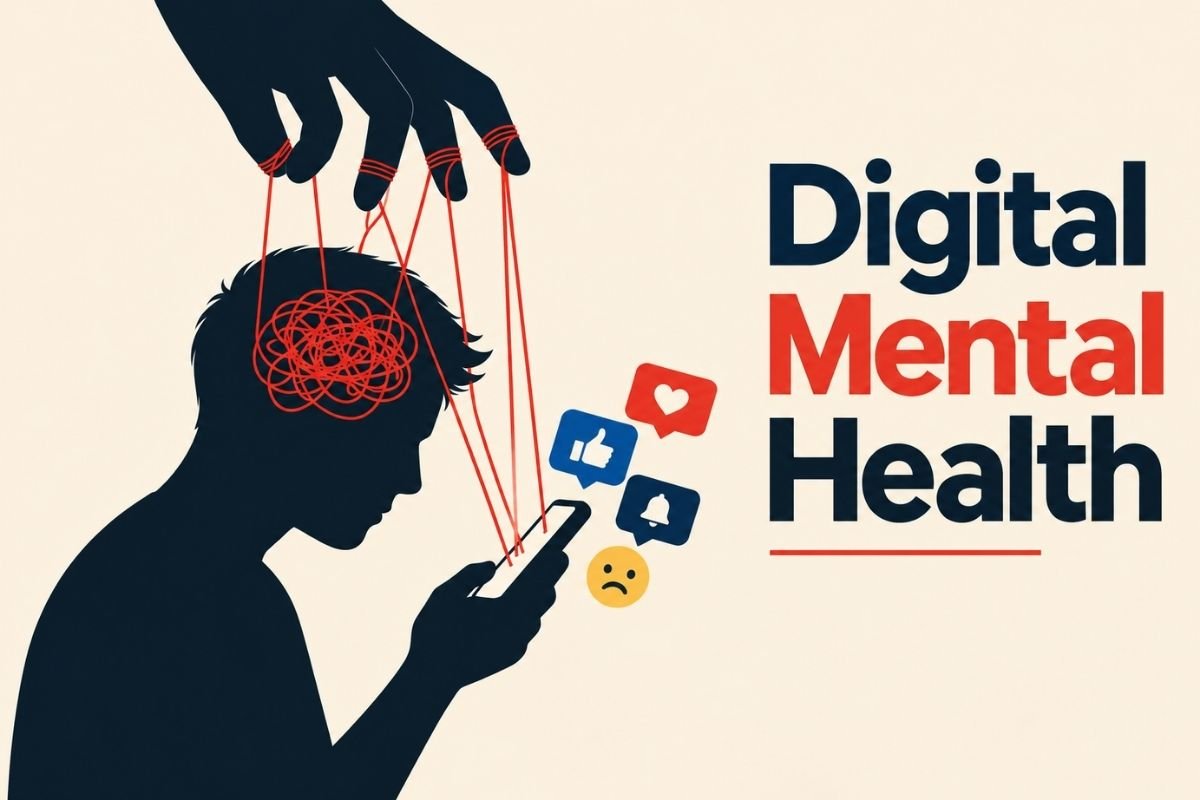
Antidepressants are prescription medicines that treat depression and some anxiety-related conditions by changing how brain cells communicate through chemical messengers such as serotonin, norepinephrine, and dopamine. Depression can disrupt mood, sleep, energy, concentration, and everyday functioning, and roughly 1 in 6 adults will experience it at some point in life. Yet a persistent myth claims all antidepressants work by simply raising serotonin, when the science is more nuanced.
This guide explains the main medication classes, how they work, how effective they are, what safety considerations matter, and how treatment decisions can be personalized. Understanding antidepressants helps you have more informed conversations with your doctor and choose the right path forward.
Table of Contents
What Are Antidepressants and How Do They Work?
Antidepressants are prescription medicines used to treat depression and some anxiety-related disorders. They can reduce symptoms such as persistent low mood, loss of interest, poor sleep, and difficulty concentrating, but they often take several weeks to work.
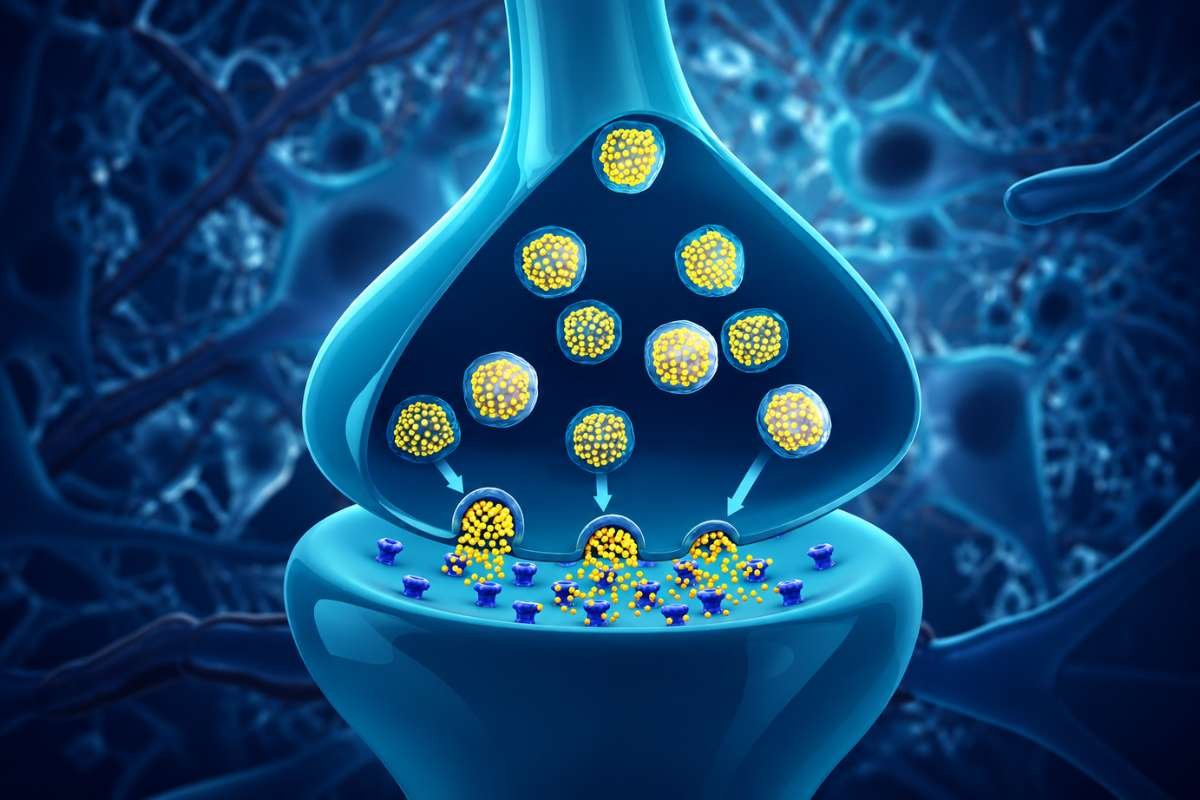
Brain signaling
Neurons communicate using chemical messengers called neurotransmitters. Serotonin helps regulate mood, sleep, appetite, and pain perception. Norepinephrine supports alertness and stress responses, and dopamine supports motivation, reward, and pleasure.
Neurons communicate through chemical messengers called neurotransmitters, which cross a tiny gap called a synapse and bind to receptors on the next cell. After signaling, neurotransmitters are either reabsorbed by the sending neuron through a process called reuptake or broken down by enzymes.
How they work
Antidepressants affect this signaling in different ways. Reuptake inhibitors slow neurotransmitter recycling, leaving more available in the synapse. SSRIs mainly affect serotonin, while SNRIs affect serotonin and norepinephrine. Some medicines, including bupropion, also affect dopamine.
Enzyme inhibition prevents neurotransmitters from being broken down, increasing their availability. Receptor modulation changes how strongly, or in what way, a neurotransmitter activates receptors rather than simply increasing its amount. Newer glutamate-related treatments act through the brain’s main excitatory signaling system and can work more quickly than traditional depression preventing medicine.
Neuroplasticity
Over time, these medicines may promote neuroplasticity, the brain’s ability to adapt and form new connections. This gradual change may help explain why mood improvements often take longer than the initial effects on neurotransmitters.
Depression is not simply a “chemical imbalance.” Genetics, stress, illness, sleep, life experiences, and brain circuits all contribute; no single neurotransmitter fully explains it.
What Are the Different Types of Antidepressants?
Antidepressants are grouped by how they affect brain signaling. SSRIs are often chosen first because they are generally well tolerated and have a favorable safety profile, though the best option depends on symptoms, prior treatment response, other medicines, and health conditions.
| Class | Mechanism and examples | Distinguishing features |
| SSRIs | Boost serotonin signaling; fluoxetine, sertraline, escitalopram | Common first choice; nausea, sleep changes |
| SNRIs | Affect serotonin and norepinephrine; venlafaxine, duloxetine | May help pain; can raise blood pressure |
| TCAs | Affect serotonin, norepinephrine, and other receptors; amitriptyline, nortriptyline. | Drowsiness, dry mouth, constipation; heart-rhythm risk in overdose |
| MAOIs | Inhibit monoamine oxidase; phenelzine, tranylcypromine | Rarely used; need dietary and drug-interaction precautions |
| Atypicals | Varied mechanisms; bupropion, mirtazapine, trazodone | Bupropion for fatigue or sexual side effects; mirtazapine aids sleep and appetite |
| Newer options | Esketamine (glutamate); zuranolone (neuroactive steroid) | Esketamine for treatment-resistant depression; zuranolone for postpartum depression |
Other classes remain important when SSRIs are ineffective, poorly tolerated, or unsuitable. For example, SNRIs when pain coexists, bupropion for fatigue or sexual side effects, and esketamine for treatment-resistant depression.
How Effective Are Different Antidepressant Classes?
Different antidepressants are effective for acute major depressive disorder, but their benefits and tolerability vary. A 2025 network meta-analysis in the Chinese Medical Journal, covering 602 randomized trials and 135,180 adults with major depressive disorder, found that all the antidepressants studied were more effective than placebo. However, differences emerged in direct comparisons between medications, and the certainty of evidence ranged from moderate to very low. These findings suggest that no single antidepressant is best for everyone, making individual treatment needs and tolerability important considerations.
Treatment outcomes
Response means a meaningful symptom reduction, usually at least 50% improvement. Remission means symptoms have largely resolved. Relapse means depression returns after improvement; continuing effective treatment after remission can reduce this risk.
What studies show
Clinical trials and network meta-analyses show that, on average, these meds outperform placebo. But no class is universally superior. Average results cannot predict an individual’s response because genetics, symptom pattern, other illnesses, medicines, and prior treatment history matter.
Choosing treatment
Efficacy measures symptom improvement; tolerability concerns side effects; acceptability reflects whether people continue treatment. SSRIs and SNRIs are often first-line options. Mirtazapine may help sleep or appetite.
Therapy matters
Psychotherapy, especially CBT, can be used alone for milder depression or combined with medication for more persistent or severe symptoms.
How Do Doctors Choose the Right Antidepressant?
Doctors choose the right medicines by balancing likely benefit, safety, tolerability, and the person’s circumstances, not diagnosis alone. They assess depression severity and symptoms, past medication response, family treatment history, physical and mental health conditions, and possible drug interactions.
Individual factors
Sleep, appetite, energy, and anxiety can guide selection. For example, mirtazapine may suit insomnia or poor appetite, while bupropion may be considered when low energy is a concern.
Pregnancy, breastfeeding, age, liver or kidney disease, and other medicines also affect the decision. Doctors weigh potential risks and benefits for both parent and baby, and may adjust treatment for older adults or people taking interacting drugs.
Pharmacogenomics
Pharmacogenomics studies how gene variants affect medication metabolism. Variants in CYP2D6 and CYP2C19 can change blood levels of certain antidepressants, potentially increasing side effects or reducing effectiveness.
For example, CYP2C19 poor metabolizers may need a lower dose or an alternative medicine for some SSRIs, while CYP2D6 variants can affect medicines including paroxetine, fluvoxamine, and venlafaxine.
Practical choice
Patient preferences, affordability, and availability matter too. SSRIs and SNRIs are often first-line because of tolerability, while a previously effective medicine may be preferred if it is still safe.
What Are the Side Effects and Safety Risks?
Expert insight from Chaitanya Bhatane, B.Pharm: Side effects are among the most common reasons people stop antidepressants early, so knowing what to expect helps you manage them and know when to speak up.
Common effects
- Libido and sexual function: Some people have reduced desire, delayed orgasm, or erectile difficulties; these effects can be distressing and should be discussed with a clinician.
- Constipation: More common with some tricyclic antidepressants because they can slow gut movement; fluids, fiber, and dose review may help.
- Headache: Often temporary, though persistent or severe headaches should be reported.
- Weight gain: Some medicines may increase appetite or cause weight gain; mirtazapine and some TCAs are more associated with this effect, while bupropion is less likely to cause it.
Serious risks
Combining serotonergic medicines, such as certain antidepressants, migraine medications, tramadol, or St. John’s wort, can increase serotonin activity and, in some cases, trigger serotonin syndrome. Symptoms may include agitation, rapid heart rate, high body temperature, sweating, and muscle rigidity.
The FDA boxed warning states that antidepressants can increase suicidal thoughts and behaviors in children, adolescents, and young adults during early treatment or dose changes. Seek urgent help for new or worsening suicidal thoughts.
Stopping safely
Do not stop suddenly. Stopping antidepressants suddenly can cause discontinuation symptoms, such as dizziness, flu-like feelings, or sensory changes, but these are not signs of addiction.
What Is the Future of Antidepressant Treatment?

Antidepressant treatment is moving toward faster-acting therapies and more personalized care.
Personalized care
Pharmacogenomics examines how genetic variations in CYP2D6 and CYP2C19 affect antidepressant metabolism. Testing may help guide medication choices or dosing in selected cases, but cannot reliably predict treatment response.
Newer treatments
- Esketamine: FDA-approved for certain adults with treatment-resistant depression.
- Zuranolone: FDA-approved for postpartum depression.
- Glutamate-based therapies: Offer promising approaches to faster-acting depression treatment.
Emerging research
Research into neuroplasticity, brain biomarkers, and genetic profiles may improve treatment personalization. However, these approaches are not yet established tools for reliably predicting antidepressant effectiveness.
Conclusion:
Antidepressants can be a powerful part of depression treatment. But they are not one-size-fits-all. Different classes work in different ways, and depression is shaped by far more than a single “chemical imbalance.” The right choice depends on your symptoms, health history, other medicines, and personal preferences. Therapy and genetic insights may add further support. Side effects and safety risks are worth discussing early, and treatment should never be stopped suddenly. With newer, faster-acting options emerging, there is real reason for hope. If you or someone you know is considering treatment, talk with a doctor or pharmacist about which treatment options may be appropriate.
FAQ:
1. Can antidepressants affect your sleep and weight?
Yes, certain antidepressants can cause changes in sleep patterns, appetite, and body weight.
2. Can you take antidepressants for years?
Some people benefit from long-term antidepressant treatment, depending on their symptoms, relapse risk, and clinical response.
3. How long does it take for antidepressants to start working?
Some improvements may appear within 1–2 weeks, but noticeable therapeutic benefits often take 4–6 weeks or longer.
Sources and Links:
- https://www.nhs.uk/medicines/antidepressants
- https://magazine.medlineplus.gov/article/commonly-prescribed-antidepressants-and-how-they-work/1000
- https://www.nimh.nih.gov/health/topics/mental-health-medications
- https://www.rethink.org/advice-and-information/living-with-mental-illness/medications/antidepressants
- https://111.wales.nhs.uk/Antidepressants/?locale=en
- https://www.ncbi.nlm.nih.gov/books/NBK583074