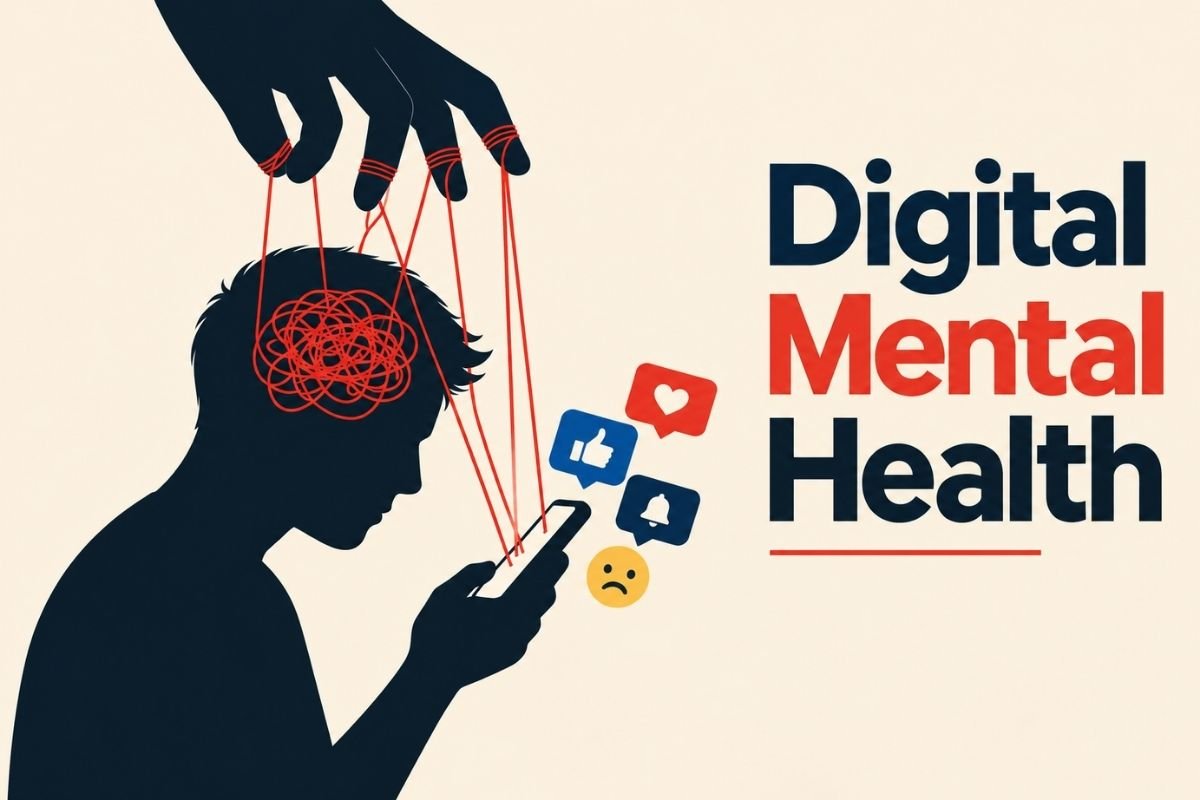
Most people think bipolar disorder is just frequent mood swings. It isn’t. Everyone’s mood shifts with stress or a bad day, but this mental health condition involves distinct episodes of changed mood, energy, activity, and sleep that can last days or weeks and disrupt work, relationships, and daily routines. Roughly 2.8% of U.S. adults experience it in a given year, according to the National Institute of Mental Health. The condition also exists on a spectrum, including Bipolar I, Bipolar II, and cyclothymic disorder.
This guide explains bipolar illness through three lenses: its clinical symptoms, the brain mechanisms behind it, and the evidence-based treatments that help people manage it.
Table of Contents
What Is Bipolar Disorder?
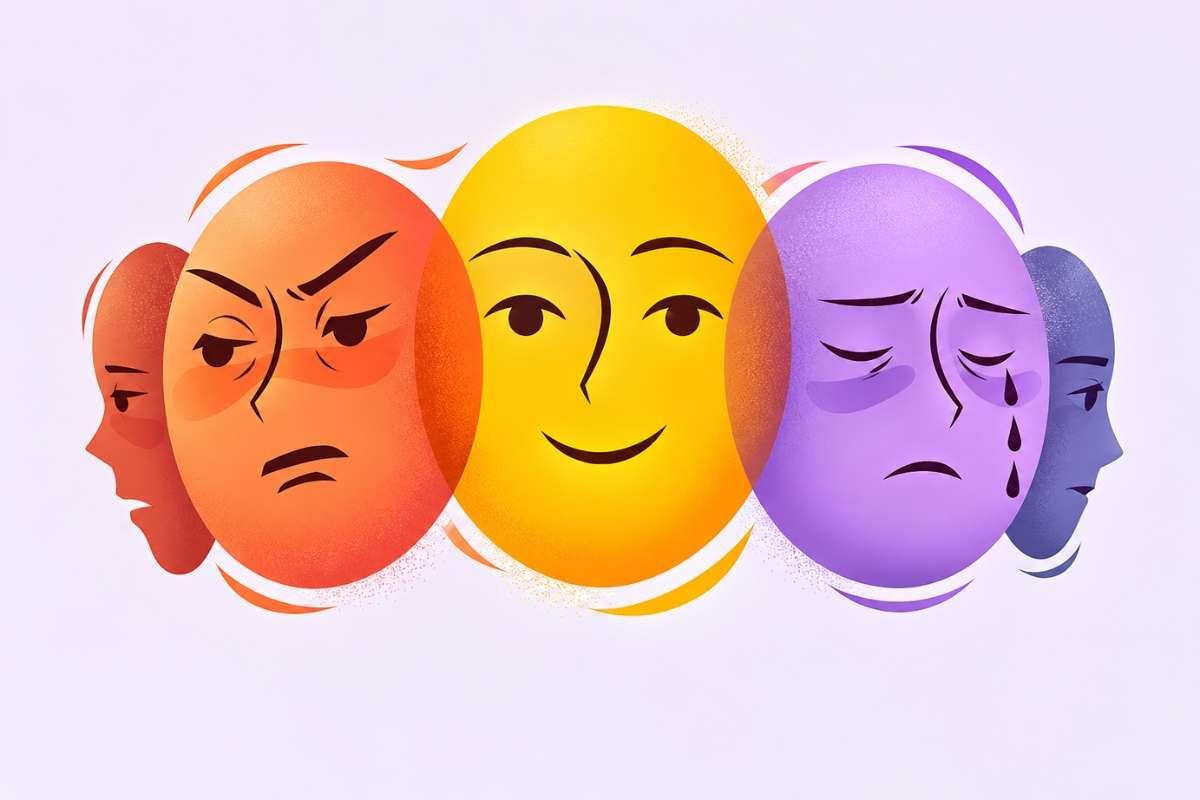
Bipolar disorder is a mental-health condition involving recurring, clinically significant changes in mood, energy, and behavior. It is episodic: symptoms occur in distinct periods lasting days or weeks, often with relatively stable periods between them.
Mood episodes
People may experience:
- Mania: Elevated or irritable mood, high energy, reduced need for sleep, racing thoughts, impulsivity, and impaired judgment.
- Hypomania: It involves an observable change in mood, energy, and activity that lasts at least four consecutive days but does not cause the marked functional impairment associated with mania.
- Depression: Persistent sadness, hopelessness, low energy, loss of interest, and difficulty functioning.
- Mixed episodes: Manic and depressive symptoms occur together, such as agitation, racing thoughts, and hopelessness.
Euthymia and daily life
Euthymia is a period of relatively stable mood between episodes. Symptoms can still return, so ongoing care and monitoring are important.
Episodes can affect sleep, concentration, work, spending, relationships, and daily decisions. Clinical depression may cause withdrawal and difficulty with basic tasks, while mania can lead to impulsive or risky behavior.
Why mood swings are not enough
Ordinary mood changes are usually brief, linked to events, and do not seriously impair functioning. Clinical episodes are intense, persistent, and involve major changes in sleep, activity, thinking, and behavior. Diagnosis requires professional assessment of the pattern, duration, and impact of symptoms.
What Are the Different Types of Bipolar Disorder?
Bipolar disorder has four main diagnostic categories. They differ mainly in whether a person experiences full mania, hypomania, depression, or symptoms that do not fit a complete episode pattern.
Main types
| Type | Episode type | Severity | Duration | Distinguishing feature |
| Bipolar I | At least one manic episode. Depressive episodes may also occur | Mania can be severe, cause major impairment, or require hospitalization | Mania lasts at least 7 days | A full manic episode is required. |
| Bipolar II | Hypomanic and major depressive episodes | Hypomania is less severe than mania, but depression can be severe | Hypomania lasts at least 4 days. Depression lasts at least 2 weeks | No history of full mania. |
| Cyclothymic disorder | Repeated hypomanic and depressive symptoms | Symptoms are below the threshold for full episodes | At least 2 years in adults. 1 year in children/teens | Chronic, milder mood instability. |
| Other specified/unspecified | Mood symptoms that do not meet full criteria for the above | Varies | Varies | Symptoms are clinically important but do not fit another category. |
Why severity differs
“Less severe” doesn’t mean less disruptive. Bipolar II can bring frequent or prolonged depressive episodes that heavily affect work, relationships, sleep, and daily functioning, even without full mania. Because people with Bipolar II often spend more time depressed than elevated, the condition can be disabling and harder to recognize. It shouldn’t be assumed to be milder than Bipolar I. The impact depends on episode frequency, duration, and functional impairment.
What Are the Symptoms and Warning Signs?
The symptoms vary by episode type and person. Some people have clear highs and lows; others mainly experience depression, with subtle or brief high periods.
Practical symptom comparison
| Episode | Main symptoms | Typical impact |
| Mania | Elevated or irritable mood, racing thoughts, high energy, impulsivity, less need for sleep | Impaired judgment and functioning; may need urgent care |
| Hypomania | Milder mania: more energy, talkativeness, less sleep | Less impairment; no psychosis |
| Bipolar depression | Persistent sadness, fatigue, hopelessness, loss of interest, sleep and concentration changes | Disrupts work, relationships, daily activities |
| Mixed features | Depressive and manic symptoms together | Agitation, racing thoughts, and hopelessness at once |
Why depression may be mistaken
During bipolar illness, depressive symptoms can look like clinical depression, especially when they are the first or most noticeable problem. The key difference is a history of hypomania or mania, such as unusually high energy, reduced sleep, or impulsive behavior. This may only become clear through a careful clinical history.
What Are the Causes? Understanding Its Neurobiology
Causes and triggers
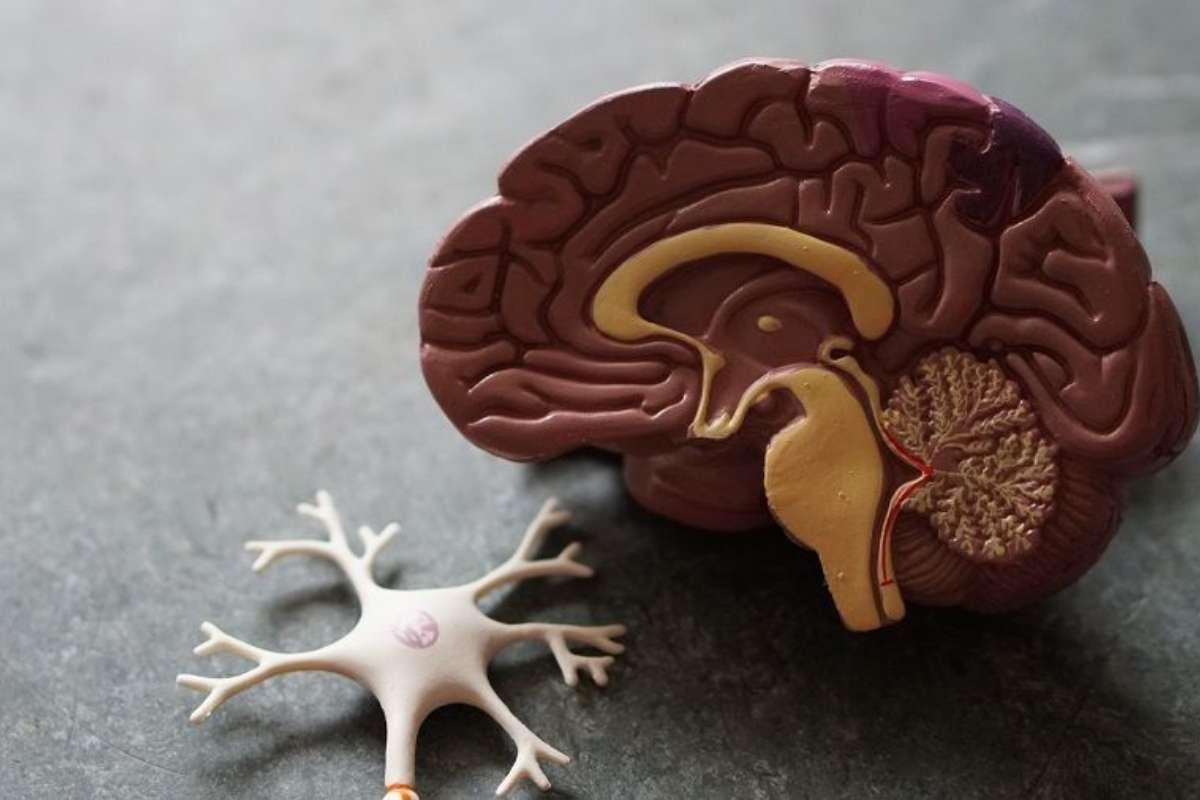
This mental health condition has no single cause. It reflects a mix of inherited vulnerability, brain functioning, and life stressors that can trigger or worsen mood episodes.
Biological and environmental factors: Genetics and family history raise risk but don’t determine outcome. Research points to differences in brain circuits and neurotransmitter systems involved in emotion regulation, not a simple “chemical imbalance.” Stressful events, major life changes, substance use, and abruptly stopping prescribed medication can contribute to episodes.
Internal clock and sleep: The circadian rhythm coordinates sleep, energy, hormones, and mood. Irregular or reduced sleep and shift work can destabilize mood, and sleep changes may be an early warning sign or trigger.
How factors interact: Biological vulnerability can make a person more sensitive to sleep loss or stress, while external stressors activate that vulnerability. No single neurotransmitter or lifestyle factor is one of the causes.
How Is Bipolar Disorder Diagnosed?
Diagnosis starts with a psychiatric evaluation and a clinical history. The clinician asks about past manic, hypomanic, and depressive episodes, how long they lasted, how severe they were, and how much they affected work, relationships, and daily life. Family history and medication history are reviewed, since some antidepressants and stimulants can trigger mania.
Clinicians also screen for other medical and mental health conditions. It can share symptoms with conditions such as clinical depression, ADHD, anxiety disorders, and schizophrenia-spectrum disorders, making a comprehensive psychiatric assessment important for accurate diagnosis.
No single blood test or brain scan can diagnose bipolar disorder. Tests help exclude other causes, such as thyroid problems.
What Are the Treatment Options?

The treatment usually combines medication and psychological support, tailored to the person’s needs.
1. Pharmacological treatment
- Lithium: Stabilizes mood and prevents relapses; requires regular blood-level checks and monitoring of kidney and thyroid function.
- Anticonvulsants: Valproate helps control mania but carries important reproductive risks; lamotrigine treats bipolar depression, not mania.
- Atypical antipsychotics: Selected medicines treat manic or depressive episodes.
- Antidepressants: Require careful psychiatric supervision and should not be used alone because they may trigger mania.
- Follow-up: Review effectiveness, side effects, and safety regularly. Choices depend on the current episode, previous response, tolerability, and long-term goals, balancing symptom relief with relapse prevention.
2. Psychosocial treatment
- CBT: Helps change unhelpful thoughts and behaviors.
- Family-focused therapy: Strengthens family support and relationships.
- Interpersonal and social rhythm therapy (IPSRT): Supports regular routines and relationships.
- Psychoeducation and relapse planning: Teach warning signs, triggers, and steps to take when symptoms return.
Conclusion:
Bipolar disorders are far more than ordinary mood swings. They involve distinct episodes of mania, hypomania, or depression, shaped by genes, brain function, stress, and sleep. Because Bipolar II and cyclothymic disorder can be easy to miss, a careful clinical history matters more than any single test.
The outlook is encouraging. With the right mix of medication, therapy, and steady routines, most people can manage their symptoms and stay well for longer. However, severe depressive episodes, suicidal thoughts, psychosis, or dangerous manic behaviour require urgent professional assessment.
If you notice lasting changes in mood, energy, or sleep in yourself or someone close, talk to a doctor or mental health professional. Early support makes a difference.
FAQ:
1. What are the early warning signs of bipolar disorder?
Early warning signs may include unusual changes in sleep, energy, mood, activity levels, and decision-making.
2. What triggers manic episodes in bipolar disorder?
Sleep disruption, significant stress, substance use, and changes in medication may trigger manic episodes in susceptible individuals.
3. Is bipolar illness a lifelong condition?
It is generally a lifelong condition, but appropriate treatment can help manage symptoms and reduce the frequency of mood episodes.
Links and Sources:
- https://www.nimh.nih.gov/health/publications/bipolar-disorder
- https://beta.nih.gov/nimh/strategic-plan/goals/goal-1
- https://www.lscft.nhs.uk/patient-information-leaflets/bipolar-disorder
- https://www.hra.nhs.uk/planning-and-improving-research/application-summaries/research-summaries/sleep-and-bipolar-disorder-lived-and-clinical-perspectives
- https://www.mayoclinic.org/diseases-conditions/bipolar-disorder/symptoms-causes/syc-20355955