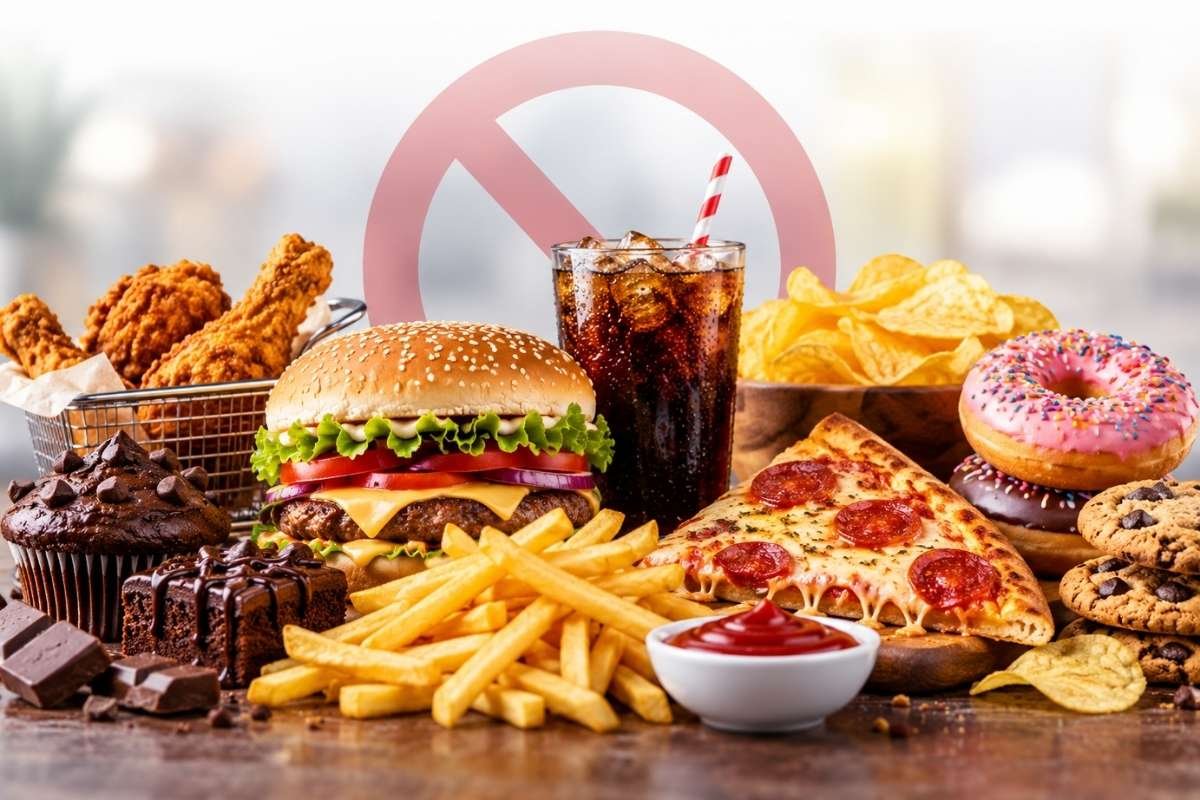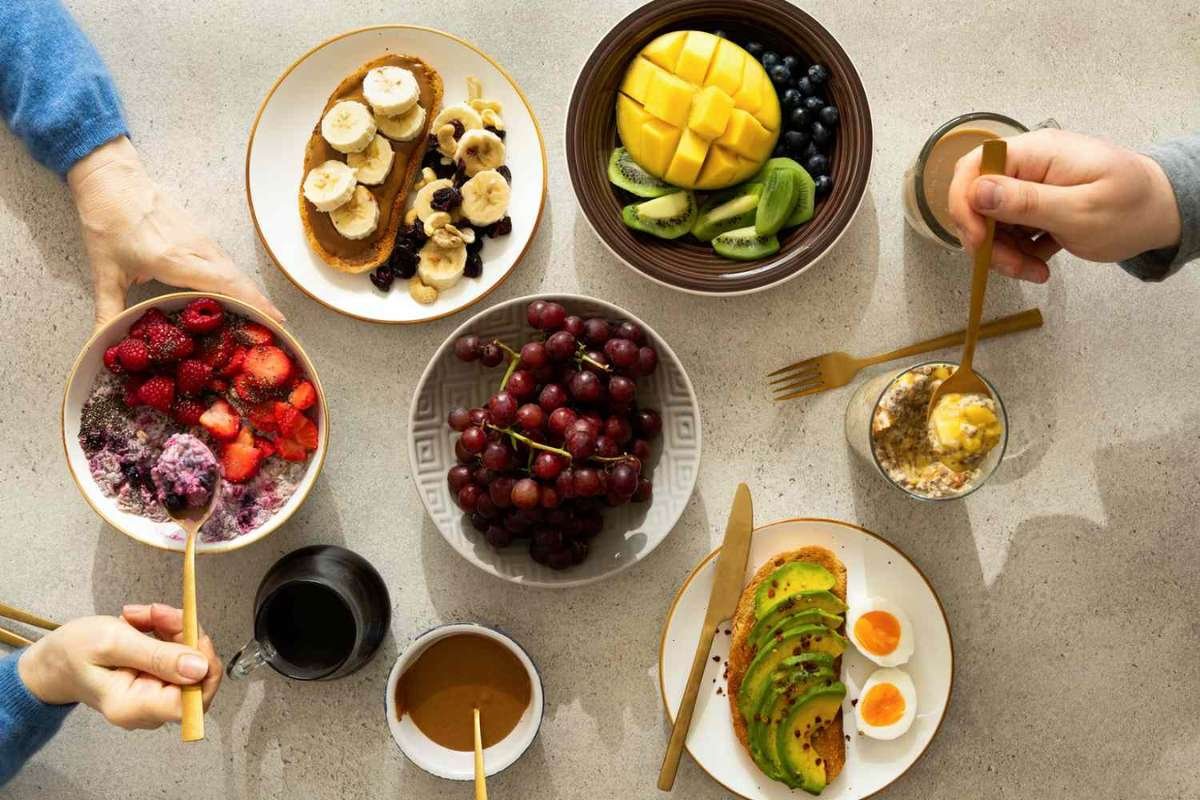
Only about 1 in 10 adults in the U.S. eats enough fruits or vegetables, according to the CDC, and cost and time are common reasons why. Here’s the good news: you don’t need superfoods, supplements, or a pantry overhaul. Start by improving one meal, choosing affordable nutrient-rich staples like beans, oats, and frozen vegetables, and building around foods you already enjoy.
This guide on how to start eating healthy shows you how to prioritise changes, compare everyday food choices, and build balanced meals without overspending, because consistent overall patterns matter more than a perfect diet.
Table of Contents
What Does Eating Healthy Actually Mean?
Eating healthy means choosing a variety of foods in balanced amounts to meet your nutrient and energy needs. It is not following a strict diet or cutting out entire food groups without a medical reason. It includes adequacy (getting enough nutrients), balance, moderation, and flexibility.
For your next meal, use a simple formula:
- Vegetables or fruit: Aim to fill about half your plate.
- Protein: Beans, lentils, fish, eggs, poultry, tofu, nuts, or lean meat.
- Fibre-rich carbohydrate: Whole grains, potatoes, brown rice, oats, or whole-wheat bread.
- Healthy fats: Olive oil, avocado, nuts, or seeds in modest amounts.
When learning how to start eating healthy, focus on meals you can repeat rather than perfection. Portions should reflect your age, activity level, budget, culture, and health conditions, since CDC notes that calorie needs vary with these factors.
The Mediterranean Diet and DASH Diet are examples of balanced eating patterns, not mandatory diets. Both emphasize vegetables, fruits, whole grains, legumes, nuts, and healthy fats, while limiting excess added sugar, sodium, and saturated fat.
How to Start Eating Healthy Without Changing Everything
You do not need to overhaul your diet to eat better. Start with one small, repeatable change and build from there.
A simple four-step framework
- Notice: Identify one meal or habit to improve, such as skipping vegetables at dinner.
- Choose: Make one realistic change, such as adding lentils, beans, or a vegetable side.
- Prepare: Keep useful ingredients ready and plan a simple backup meal for busy days.
- Repeat: Practise that change consistently before adding another.
When considering how to start eating healthy, make the plan specific: “I will add a vegetable to dinner on Mondays, Wednesdays, and Fridays” is easier to follow than “I will eat healthier.” Keeping vegetables, fruit, or ready-to-use ingredients visible can also act as a helpful cue and reduce decision fatigue. Be patient with the process: a UCL study found it took an average of 66 days for a new behaviour to become automatic, and the time ranged from 18 to 254 days between people.
Which Healthy Foods Give You the Best Value for Money?
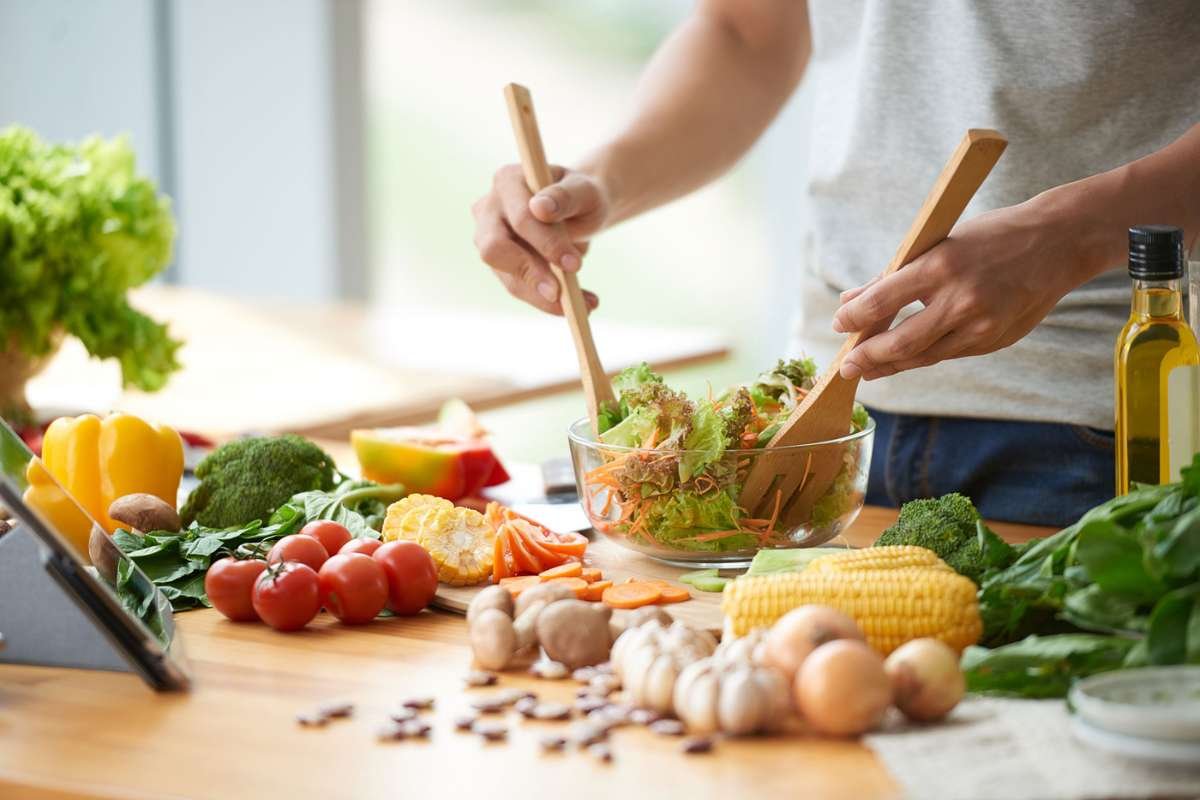
The best-value healthy foods are affordable staples you will actually use across several meals, not expensive “superfoods.” Judge value by cost per usable serving, shelf life, versatility, and food waste, rather than price alone. In USDA’s 2023 price data, dried pinto beans were the cheapest vegetable option at $0.23 per cup equivalent, and the same data shows that fresh produce is not always cheaper or more expensive than frozen or canned.
| Food group | Affordable examples | How to use them |
| Protein | Dal, chickpeas, beans, eggs, soy | Curries, bowls, salads |
| Fibre-rich carbohydrates | Oats, whole-wheat atta, millets | Breakfasts, rotis, porridge |
| Vegetables and fruit | Seasonal produce, cabbage, carrots, bananas | Sides, snacks, mixed dishes |
| Healthy fats | Groundnuts, seeds, locally available nuts | Chutneys, toppings, small additions |
When thinking about how to start eating healthy on a budget, prioritise dried legumes, versatile grains, and seasonal produce. Dried beans and lentils are inexpensive protein-and-fibre sources, while oats and whole grains store well and work in many meals.
Buy only what your household will realistically eat and store. Bulk discounts save money only if the food will not spoil; frozen vegetables and fruit can reduce waste because you use only what you need.
How to Build a Balanced, Budget-Friendly Meal Plan
A budget-friendly meal plan works best when it reuses a few versatile ingredients across several meals. Start with what you already have, then buy only the gaps.
Simple planning process
- Check first: Look through your pantry, refrigerator, and freezer before shopping.
- Choose staples: Pick two or three proteins, such as dal, eggs, chickpeas, or beans, and a few seasonal vegetables.
- Reuse ingredients: Plan meals that use the same dal, vegetables, grains, or curd in different combinations.
- Store safely: Prepare only what you can refrigerate or freeze and use in time; refrigerate leftovers promptly and use them within about two days.
When thinking about how to start eating healthy, use this adaptable day as a template, not a fixed calorie plan:
- Breakfast: Oats with milk or curd and a banana.
- Lunch: Roti or rice with dal and vegetables.
- Dinner: Chickpea or bean curry with grains and vegetables.
- Snack, if hungry: Fruit, roasted chana, or plain curd.
Adjust portions and foods to your appetite, budget, preferences, and nutritional needs.
How to Make Healthy Eating Easier to Sustain
Healthy eating is easier to sustain when it fits your real routine, not when it demands perfect discipline. Keep a short grocery list, repeat a small set of meals you enjoy, prepare a few ingredients ahead, and keep one backup option for busy days.
When thinking about how to start eating healthy, review each week: What was easy? What ran out too soon? What would you repeat? One unplanned meal is not a failure. It is information for next week.
Adapt the approach to barriers such as limited equipment, irregular schedules, food waste, or limited ingredient access. Frozen or tinned produce, simple one-pot meals, and leftovers can make eating well more practical.
If affording enough food is a concern, budgeting alone cannot solve access problems. Local food banks, community fridges, and food-support services can help.
How Different Healthy Diets Fit Your Goals and Budget
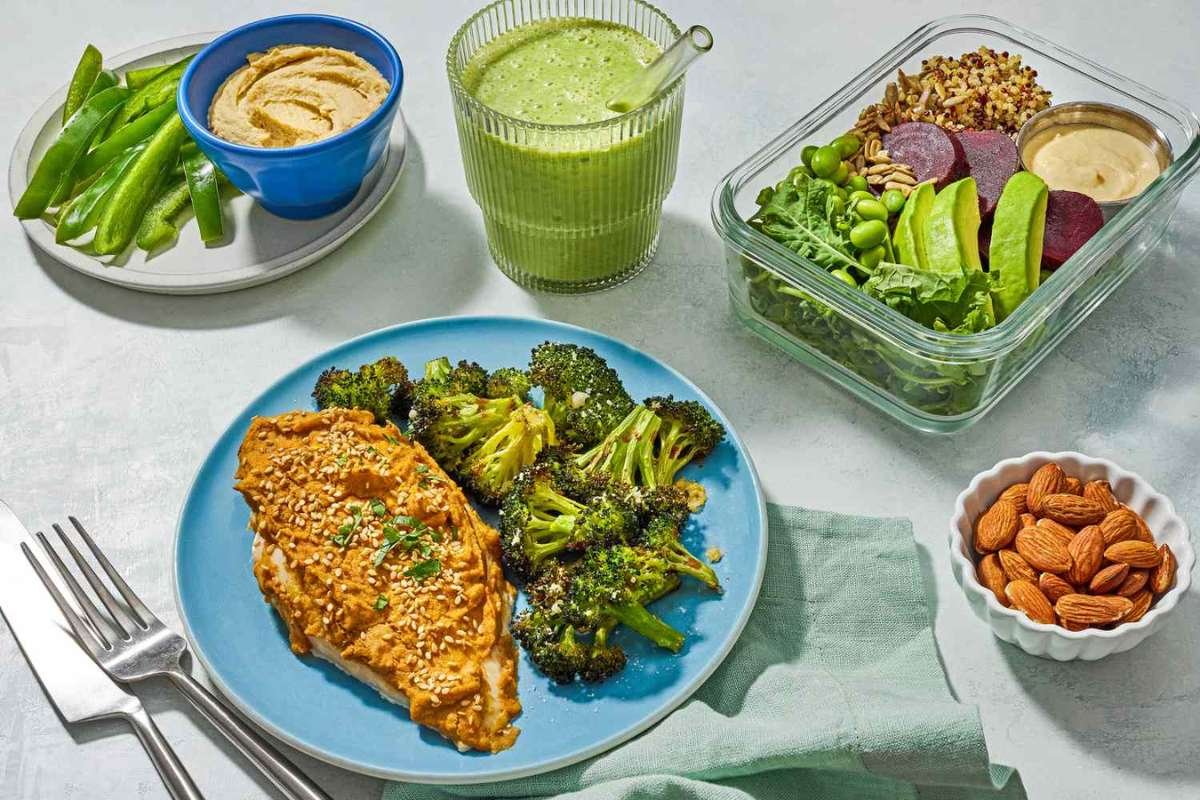
There is no universally “best” healthy diet. The right pattern depends on your preferences, nutritional needs, ingredient availability, budget, and ability to maintain it long term.
| Dietary pattern | What to consider on a budget |
| Mediterranean Diet | Emphasise legumes, vegetables, whole grains, and affordable unsaturated-fat sources such as groundnuts or locally available oils. |
| DASH Diet | Prioritise vegetables, fruit, legumes, whole grains, and suitable lower-sodium choices; use no-salt-added or low-sodium options where possible. |
| Plant-based eating | Build meals around varied plant proteins such as dal, beans, chickpeas, and soy. A fully vegan diet needs reliable vitamin B12 planning through fortified foods or supplements. |
| Anti-inflammatory Diet | Focus on overall dietary quality: more vegetables, fruit, whole grains, legumes, and healthy fats, rather than costly supplements or marketed superfoods. |
Choose the pattern you can adapt to your meals and sustain comfortably. People managing medical conditions, including diabetes, kidney disease, or high blood pressure, may need individual guidance from a qualified healthcare professional.
Conclusion:
Learning how to start eating healthy doesn’t require a perfect plan or a full pantry overhaul. Choose one meal to improve, build it around affordable staples like dal, beans, oats, and seasonal vegetables, and repeat it until it feels automatic. Then add another small change. Over time, consistent habits matter far more than a flawless day, and an occasional off-plan meal is simply useful information for next week.
This week, pick one meal and make one change, such as adding a vegetable to dinner on three days. Write it down, try it, and see how it fits your routine.
FAQ:
1. How can I start eating healthy on a tight budget?
Start with foods you already buy, add affordable sources of protein and fibre, and plan meals around ingredients you can use more than once.
2. What is the cheapest way to eat a balanced diet?
There is no universal cheapest diet. Compare local prices for legumes, grains, seasonal produce, eggs, and other suitable protein sources.
3. Do I need to buy organic or expensive superfoods?
No. A varied, balanced diet can be built from conventional produce and ordinary staple foods.
4. How long does it take to develop healthy eating habits?
There is no fixed timeline. Consistency, manageable changes, and routines that suit your life matter more than a particular number of days.
5. How can I stop wasting food while trying to eat healthier?
Plan meals around ingredients you already have, buy quantities you can use, store food properly, and repurpose suitable leftovers into another meal.
Links and Sources:
- https://www.nhs.uk/live-well/eat-well/how-to-eat-a-balanced-diet/eating-a-balanced-diet
- https://www.cdc.gov/diabetes/prevention-type-2/building-a-healthy-habit.html
- https://www.fda.gov/food/consumers/tips-reduce-food-waste
- https://www.nhslanarkshire.scot.nhs.uk/services/weight-management-service/diet-nutrition-support/
- https://extension.usu.edu/nutrition/research/food-waste-part-2
- https://www.health.harvard.edu/healthbeat/building-a-plan-for-healthy-eating