Key Takeaway:
- Dengue cases are rising in Tampa Bay, with 59 locally acquired infections reported in Hillsborough County.
- Eliminate standing water in containers, tires, gutters and outdoor items where mosquitoes can breed.
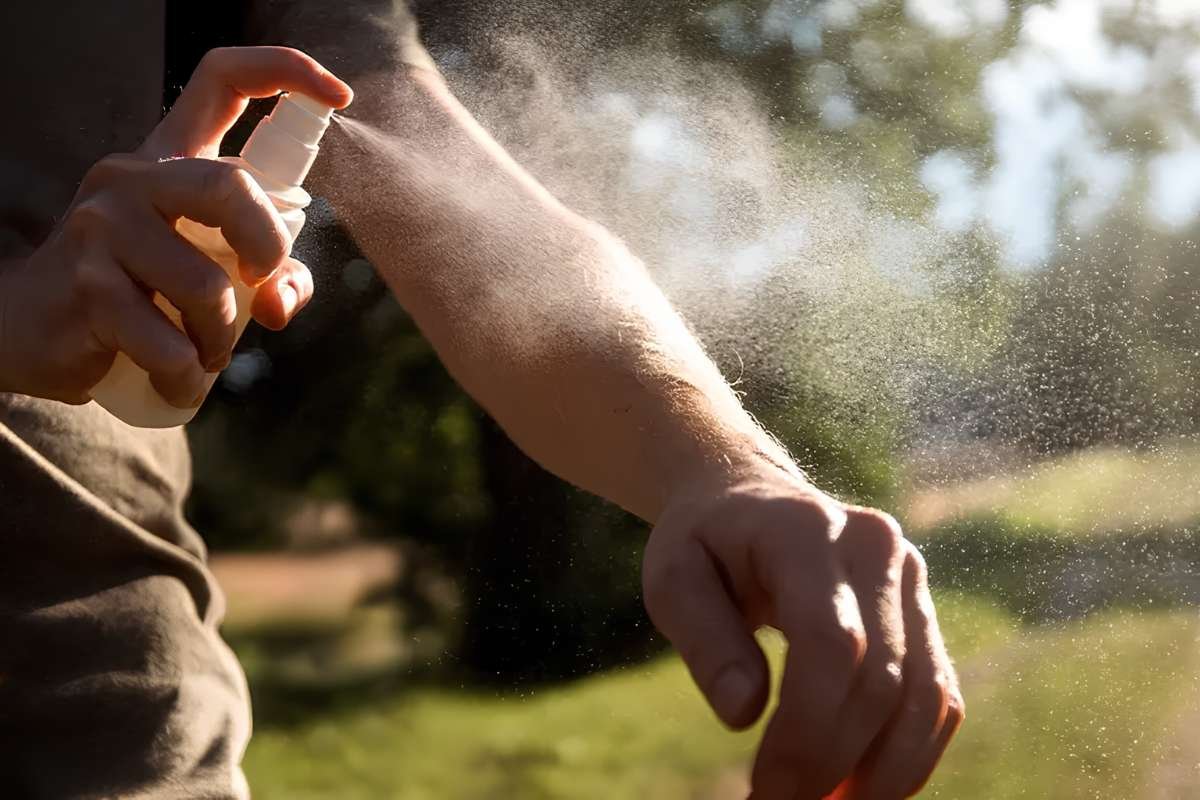
- Prevent mosquito bites by wearing covered clothing and using repellents such as DEET, picaridin or oil of lemon eucalyptus.
Dengue infections are rising in Tampa Bay amid a growing Dengue Outbreak, where Hillsborough County has reported 59 locally acquired cases this summer, prompting health officials to urge residents to eliminate standing water and prevent mosquito bites.
Hillsborough leads Florida’s dengue surge
Hillsborough County is at the centre of an unusual increase in locally acquired dengue infections, according to the Florida Department of Health. Officials have expanded mosquito surveillance and control efforts as cases continue to emerge.
State Surgeon General Joseph A. Ladapo urged residents to take simple precautions before spending time outdoors. “Use insect repellent, cover up when possible, and remove standing water around your home,” Ladapo said in a Sept. 4 statement.
Dengue is spread by infected Aedes mosquitoes, which can breed in small amounts of standing water around homes and businesses. The mosquitoes can transmit the virus during daytime and nighttime biting.
The Dengue Outbreak has also raised concerns about severe illness. Most dengue infections are mild, but some can progress to severe dengue and require hospitalisation.
A Tampa woman recently died after contracting dengue locally, according to her family, although health officials are investigating the death. Her daughter told local media that her mother had not travelled recently and had remained in Tampa.
Officials step up mosquito control
Hillsborough County mosquito-control teams are increasing surveillance and treatment efforts as officials work to reduce mosquito populations. The Florida Department of Health says local agencies are coordinating prevention and monitoring efforts.
Health officials say residents can play a major role because the mosquitoes can reproduce in surprisingly small amounts of water. “Even a bottle cap of standing water can be enough for mosquitoes to breed,” the Florida Department of Health said.
The Centres for Disease Control and Prevention says the best protection against dengue is avoiding mosquito bites and controlling mosquitoes around homes. Recommended measures include using EPA-registered repellents and wearing clothing that covers exposed skin.
Five ways to reduce dengue risk
Keep outdoor areas dry. Empty rainwater from garbage cans, gutters, flower pots, toys, pool covers and other containers at least weekly. Check bromeliads and other plants that can hold water.
Clean water containers. Empty and scrub birdbaths and pet water bowls regularly. Mosquito larvae can remain in containers even after water is removed, so cleaning is important.
Remove tyres and outdoor trash. Discard unused tyres and other objects that collect rainwater. Such containers can become breeding sites for Aedes mosquitoes.
Cover your skin. Wear long sleeves, long pants, socks and closed shoes when outdoors. The mosquitoes that spread dengue can bite during the day, so protection should not be limited to nighttime.
Use insect repellent. Apply an EPA-registered repellent to exposed skin and clothing according to the label. CDC-recommended active ingredients include DEET, picaridin and oil of lemon eucalyptus or PMD.
As Florida health officials continue monitoring the Dengue Outbreak, residents are being urged to remove standing water and protect themselves from mosquito bites to reduce the spread of dengue.