A diet for diabetes focuses on balanced portions of high-fiber foods, quality carbohydrates, lean proteins, and healthy fats rather than eliminating carbohydrates. There is no universal “diabetes diet.” The best plan depends on your diabetes type, medications, activity level, cultural preferences, and goals for weight, blood sugar, and heart health.
In this guide, you’ll learn what to put on your plate, which foods to prioritize, how to handle carbohydrates without fear, what to limit, how to adapt meals to real life, and when to seek personalized advice from a registered dietitian or diabetes educator.
Table of Contents
What Is a Diet for Diabetes?
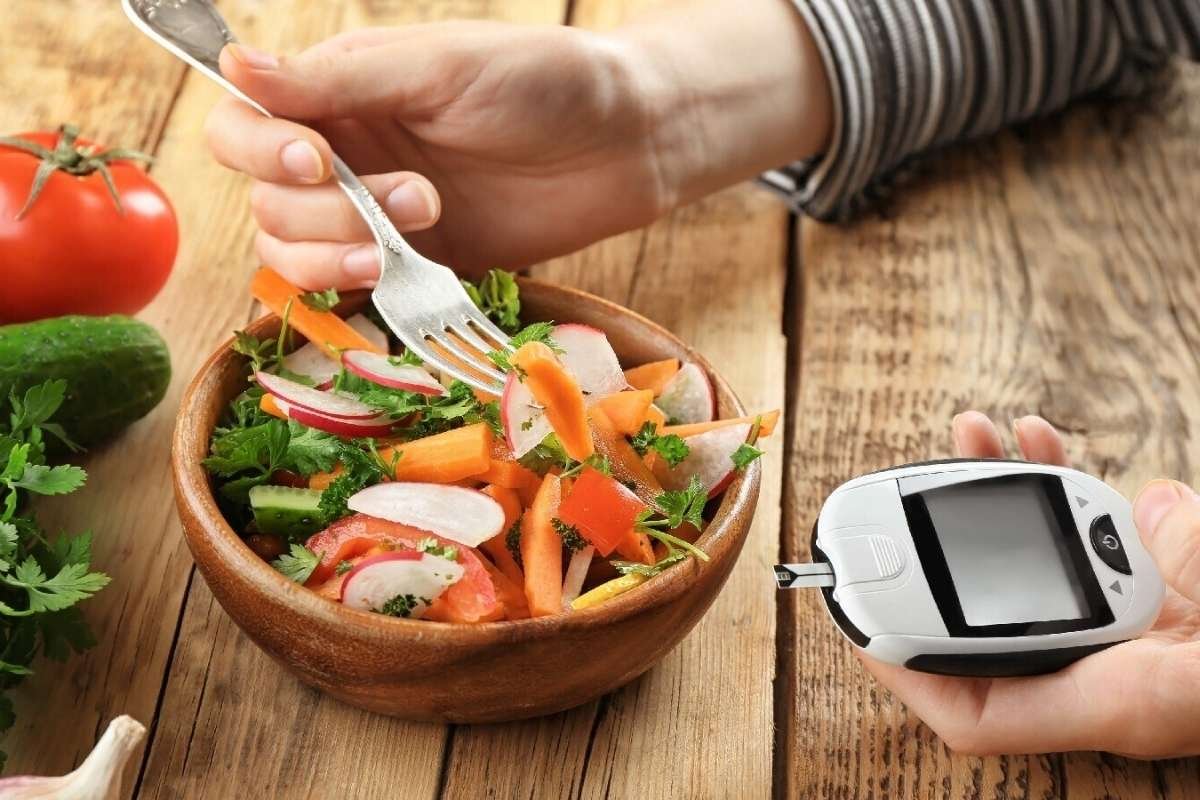
A diabetes-friendly diet is an eating pattern designed to help manage blood glucose while supporting heart health, weight, and overall nutrition. There is no single “diabetic diet”. As the American Diabetes Association (ADA) emphasizes in its clinical recommendations, “There isn’t one single recommended nutrition plan for everyone… many food choices and eating patterns can help people achieve health goals.”
The goal is steady blood sugar control alongside cardiovascular protection and adequate nutrition. Food needs vary by diabetes type, medications (such as insulin or sulfonylureas), activity level, cultural preferences, and coexisting conditions like kidney disease or hypertension. Mayo Clinic highlights healthy foods in moderate amounts and regular meal timing, while MedlinePlus stresses individualized plans tailored to the person’s health profile and lifestyle.
A Diabetes Diet Is Not Just “Low-Sugar”
- Reducing added sugars helps, but it’s only one piece.
- Choosing higher-fiber carbohydrates (whole grains, legumes, vegetables) slows glucose absorption.
- Managing carbohydrate portions (by grams or plate method) may help reduce large post-meal glucose rises.
- Balancing meals with protein, healthy fats, and fiber improves satiety and glucose stability.
- Limiting highly processed foods reduces refined carbs, unhealthy fats, and excess sodium.
For readers interested in the broader role of nutrition, a healthy diet can provide the foundation. At the same time, specialized patterns such as the DASH Diet and Mediterranean Diet offer different approaches that may also support cardiometabolic health. Together, these principles form the basis of an effective diet for diabetes.
How to Build a Diabetes-Friendly Plate:
Building a Diabetes-Friendly Plate starts with the plate method, a simple visual guide recommended by the CDC and Mayo Clinic to balance nutrients and control portions without complex counting.
The Plate Method
- ½ plate → non-starchy vegetables: leafy greens, broccoli, cauliflower, cucumber, tomatoes, peppers, beans, and other low-carb vegetables. These add fiber, vitamins, and volume with minimal impact on blood glucose.
- ¼ plate → protein: fish, chicken, eggs, tofu, paneer (in appropriate portions), beans, and lentils. Protein supports satiety and can influence the overall glucose response when included as part of a balanced meal.
- ¼ plate → carbohydrate: whole grains, brown rice, whole-grain roti, oats, and other minimally processed carbohydrate choices. These provide energy while offering more fiber and a gentler glucose response than refined grains.
Add healthy fats in modest amounts (nuts, seeds, olive oil, avocado) to improve satiety and heart health, and choose water or unsweetened beverages instead of sugary drinks. Keep portion sizes consistent from meal to meal, especially for carbohydrates, and aim for a balanced meal composition of fiber, protein, and healthy fats to support steady blood sugar.
| Approach | Mayo Clinic / CDC Plate Method |
| Vegetables | ½ plate non-starchy vegetables |
| Protein | ¼ plate lean protein |
| Carbohydrate | ¼ plate whole grains or starchy foods |
Practical mini-example
Instead of: large serving of rice + little else
Try: moderate brown rice portion + dal or chicken + large serving of mixed vegetables + side salad.
Increasing fiber-rich foods can also support broader dietary goals, making High Fibre Foods an important part of a balanced eating pattern. Together, these steps create a practical, sustainable diabetes diet that fits everyday meals.
What Foods Should You Eat With Diabetes?
1. High-fiber carbohydrates
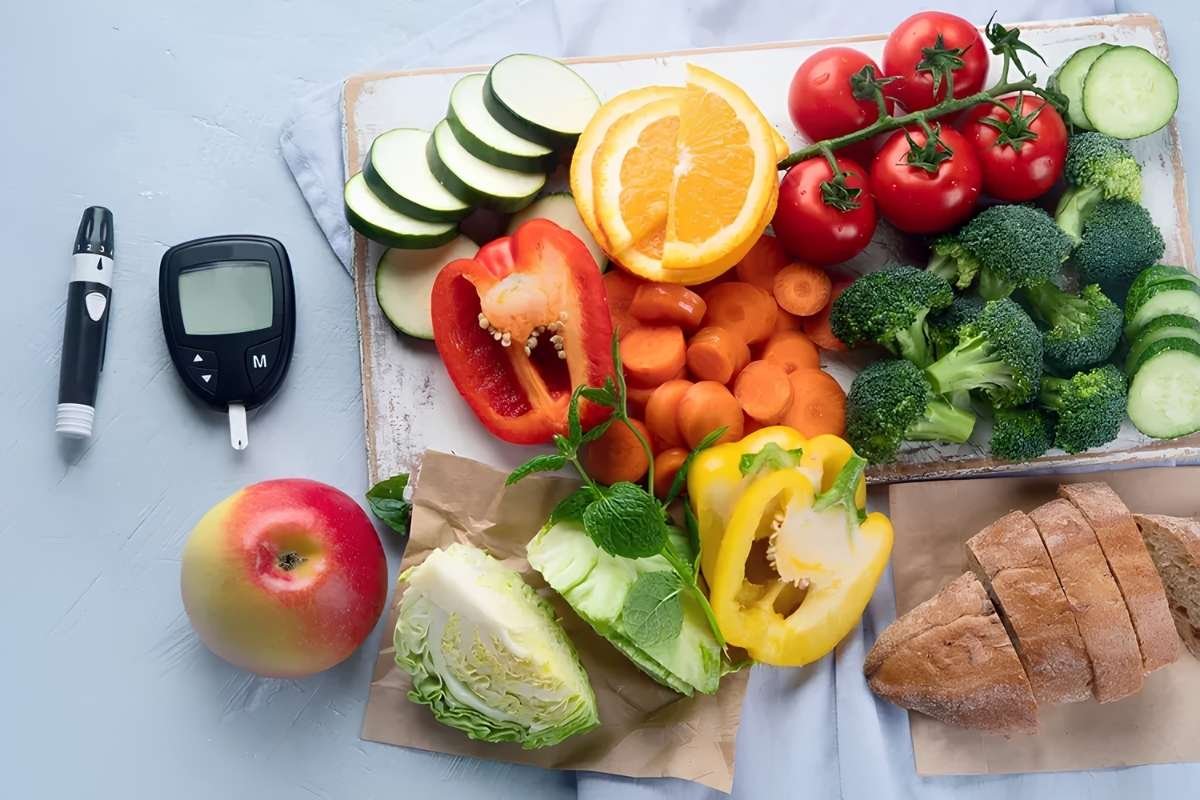
Whole grains, oats, barley, legumes, beans, lentils, and whole fruits slow digestion and blunt blood sugar spikes. The ADA recommends emphasizing minimally processed, nutrient-dense, high-fiber carbohydrate sources, aiming for at least 14g of fiber per 1,000 calories.
2. Non-starchy vegetables
Foods like leafy greens, broccoli, and peppers add volume, vitamins, and fiber to a meal with very few carbs, letting you eat a satisfying portion without leaning on refined starches. A balanced diet for diabetes often centers on filling half the plate this way before adding grains or protein, since it manages hunger and blood sugar at the same time.
3. Protein-rich foods
Fish, eggs, poultry, tofu, beans, lentils, nuts/seeds, and appropriate dairy can support satiety and, when included in a balanced meal, can influence the overall glucose response. Legumes are an especially cheap source of both fiber and protein. Try swapping lentils for ground meat in casseroles.
4. Healthy fats
Nuts, seeds, avocado, olive oil, and other unsaturated fats support heart health, which matters since diabetes raises cardiovascular risk.
5. Fruits
Having diabetes doesn’t mean avoiding fruit. Whole fruit retains fiber and nutrients that juice loses in processing. The ADA recommends choosing whole fruits over juices to get the full benefit of the fiber in the pulp.
Omega-3 & Probiotic:
Omega-3 foods are fish, nuts, and seeds. Fermented and high fiber foods support gut health as part of a varied diet, not as a standalone treatment.
How Do Carbohydrates Affect Blood Sugar?
Carbohydrates generally have the most immediate effect on blood glucose because they are broken down into glucose during digestion. However, the response varies based on the type and amount of carbohydrate, fiber, food preparation, and individual factors. Five factors shape the response:
1. Type of carbohydrate
- Whole grains, legumes, whole fruit → digested slowly
- White bread, sugary cereal, soda, pastries → digested fast, spike blood sugar quickly
2. Amount
Even a healthy carb adds up in large portions. A big bowl of brown rice can raise blood sugar as much as a smaller portion of white rice. Portion size matters as much as food choice.
3. Fiber
- Oats, beans, vegetables, whole fruit
- Fiber can slow digestion and may help moderate the rise in blood glucose after a meal.
4. What you eat it with
- Protein: chicken, fish, eggs
- Fat: nuts, olive oil, avocado
- Fiber: vegetables, legumes
Pairing carbohydrate-containing foods with protein, fiber, or healthy fats can affect digestion and the overall glucose response, although the effect varies by meal and individual. It is a practical, easy tool for building a balanced diet for diabetes without cutting out carbs entirely.
5. Glycemic index
Glycemic index (GI) ranks how quickly a carb-containing food raises blood sugar, on a 0–100 scale. A low-GI eating approach gives greater emphasis to choosing carbohydrate-containing foods with a lower glycemic index. People may also use it as just one of many tools for making food choices. GI isn’t the only measure of a food’s quality. Overall nutritional value still matters.
Do I need to stop eating carbs?
No. The focus is on the quality, amount, and context of carbohydrates, not eliminating them.
Curious which specific foods rank low on this scale? That’s covered next, in low glycemic index foods.
Which Foods and Drinks Should You Limit?

There’s no true “forbidden foods” list with diabetes. It’s about how often, how much, and what else is on the plate.
Limit more often
- Sugary drinks (soda, sweetened tea, energy drinks)
- Foods high in added sugars (candy, pastries)
- Highly refined grains (white bread, white rice)
- Heavily processed snacks
- Frequently fried foods
Watch portions
- Refined rice
- Refined breads
- Desserts
- Starchy foods (potatoes, corn)
- Calorie-dense snacks
These aren’t off-limits, but eating large portions often can add up in blood sugar and calories.
Consider overall nutritional quality.
Consider overall nutritional quality. People with diabetes have about twice the risk of heart disease as those without diabetes, so saturated fat, sodium, and highly processed foods deserve attention alongside blood sugar. Alcohol is a similar case; it can affect blood sugar and interact with some diabetes medications, so it’s worth discussing with your healthcare provider. MedlinePlus lists drinks with added sugars, refined grains, starchy vegetables, fried foods high in saturated and trans fats, high-sodium foods, and alcohol among the foods and drinks to limit when managing diabetes.
A well-rounded diabetes diet treats these as things to watch, not eliminate. The goal is a pattern you can actually sustain, not a rulebook.
Important: “Limit” doesn’t mean “never eat.” Occasional treats can fit into a balanced plan.
Which Eating Patterns Can Work for Diabetes?
There isn’t one eating pattern that works for everyone with diabetes. The American Diabetes Association‘s position is that there is not a “one-size-fits-all” eating pattern for individuals with diabetes.
| Eating pattern | What it emphasizes | What the reader should know |
| Mediterranean | Vegetables, legumes, whole grains, fish, unsaturated fats | Strong overall healthy-eating framework |
| DASH | Vegetables, fruits, whole grains, lower sodium | Particularly relevant when blood pressure is also a concern |
| Plant-based | Predominantly plant foods | Requires attention to protein and nutrient adequacy |
| Lower-carbohydrate | Reduces carbohydrate intake | Needs individualization, especially with glucose-lowering medication |
| Low-GI approach | Focuses on carbohydrate foods with lower GI | GI shouldn’t be viewed in isolation |
A variety of eating patterns like Mediterranean-style, DASH-style, plant-based (vegan or vegetarian), lower-fat, and lower-carbohydrate. They have shown modest effectiveness in managing diabetes. There’s no single “best” one.
How to Make a Diet for Diabetes Work in Everyday Life?
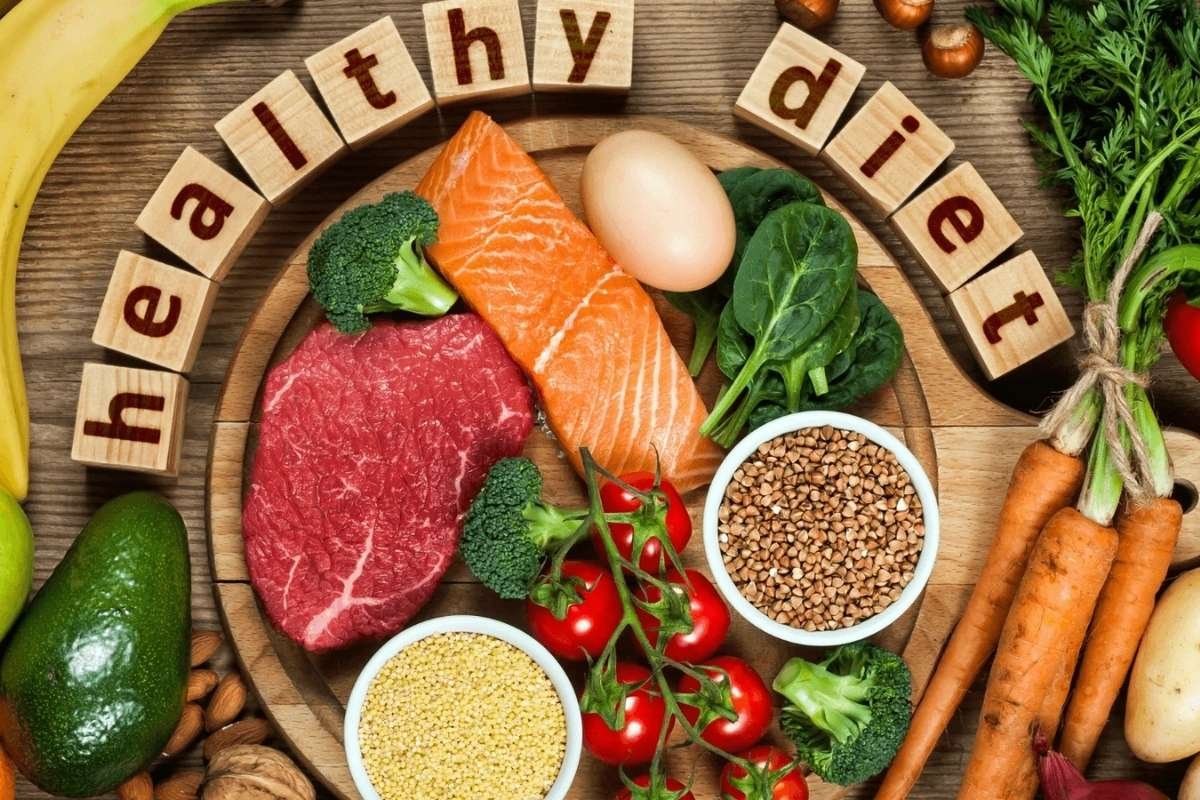
Knowing which foods help is only half the picture. The real challenge is fitting them into daily routines. Here’s how.
Breakfast
A simple formula: protein + fiber-rich carbohydrate + fruit/vegetable.
- Oats + nuts/seeds + berries
- Eggs + whole-grain toast + vegetables
- Vegetable-based Indian breakfast (like vegetable poha) + a protein source (paneer, eggs, or yogurt)
Lunch and dinner
Build the plate the same way each time: vegetables + protein + a controlled carbohydrate portion. Filling half your plate with non-starchy vegetables, a quarter with protein, and a quarter with starchy carbohydrates keeps things consistent without needing to weigh every meal.
Snacks
Choose based on actual hunger (not boredom), carbohydrate content, whether it includes protein or fiber to slow absorption, and portion size. Measuring snacks out instead of eating straight from the bag or box helps prevent oversized portions.
Eating out
Portion control matters most when eating out. Asking for half your meal to be wrapped up to go is one of the simplest strategies. Other CDC-backed tips: choose baked or grilled meat like chicken, fish, or shrimp over breaded or fried options, share large starchy sides, ask for sauces and dressings on the side, and skip sugary drinks in favor of water.
Indian meal adaptations
No food here is universally “off-limits.” It’s about portion and pairing:
- Roti/rice: one portion, paired with dal and vegetables rather than doubled up on both
- Dal: a fiber-and-protein anchor for the meal
- Sabzi: fill the plate generously, especially non-starchy vegetables
- Curd/yogurt: an unsweetened dairy option that can add protein and other nutrients, depending on the product
- Poha/idli/dosa: pair with vegetables or a protein side (egg, sambar with dal) rather than eating alone
- Snacks/sweets: smaller portions, less often, ideally after a balanced meal rather than on an empty stomach
If you’re just getting your bearings with any of this. Our guide on how to start eating healthy on a budget is a good next stop.
Conclusion:
Managing diabetes through food is not about following a strict list of “good” and “bad” food. It’s all about balance. The ideal sustainable diet for diabetes emphasizes high-fiber carbohydrates, non-starchy vegetables, lean proteins, and healthy fats. It also focuses on portion and food pairing rather than cutting food groups out altogether. Whether you use the plate method or prefer a Mediterranean style of eating, the key is to practice a long-term habit of consistency.
People have different needs based on their medications, physical activity, and health goals. Thus, these rules only provide a useful guideline to start with. Consult with a dietitian or diabetes educator to create your own customized program, and start small, with just one meal at a time.
FAQ:
1. What are the best foods for people with diabetes?
The optimal foods for individuals with diabetes emphasize dietary fiber, high-quality lean protein, and unsaturated fats, which collectively enhance insulin sensitivity and attenuate glycemic spikes.
2. Can I eat sugar if I have diabetes?
Yes, you can eat sugar if you have diabetes, but moderation and context are key. Added sugars should be limited because they cause rapid blood glucose spikes. However, small amounts can fit into a balanced meal containing non-starchy vegetables, high-fiber carbohydrates, lean proteins, and unsaturated fats, which help slow sugar absorption and stabilize blood glucose levels.
3. What is a good diabetic breakfast?
A healthy breakfast for diabetes should balance lean protein, fiber, and healthy fats while keeping refined carbohydrates low to prevent blood sugar spikes.
4. Can people eat fruit in a diet for diabetes?
Yes, whole fruit can fit into a diabetes-friendly eating pattern; fruit juice is different because it contains less fiber.
5. What foods should a person with diabetes eat every day?
Focus on vegetables, fiber-rich carbohydrates, protein sources, whole foods, and healthy fats.