Key Takeaway:
- COVID-19 activity is rising across the U.S., with the sharpest increases in the South and West.
- Common symptoms include runny nose, congestion, sore throat, and fever; severe cases may cause breathing problems.
- Vaccination, better ventilation, masking, and timely testing can help reduce the risk of severe illness and spread.
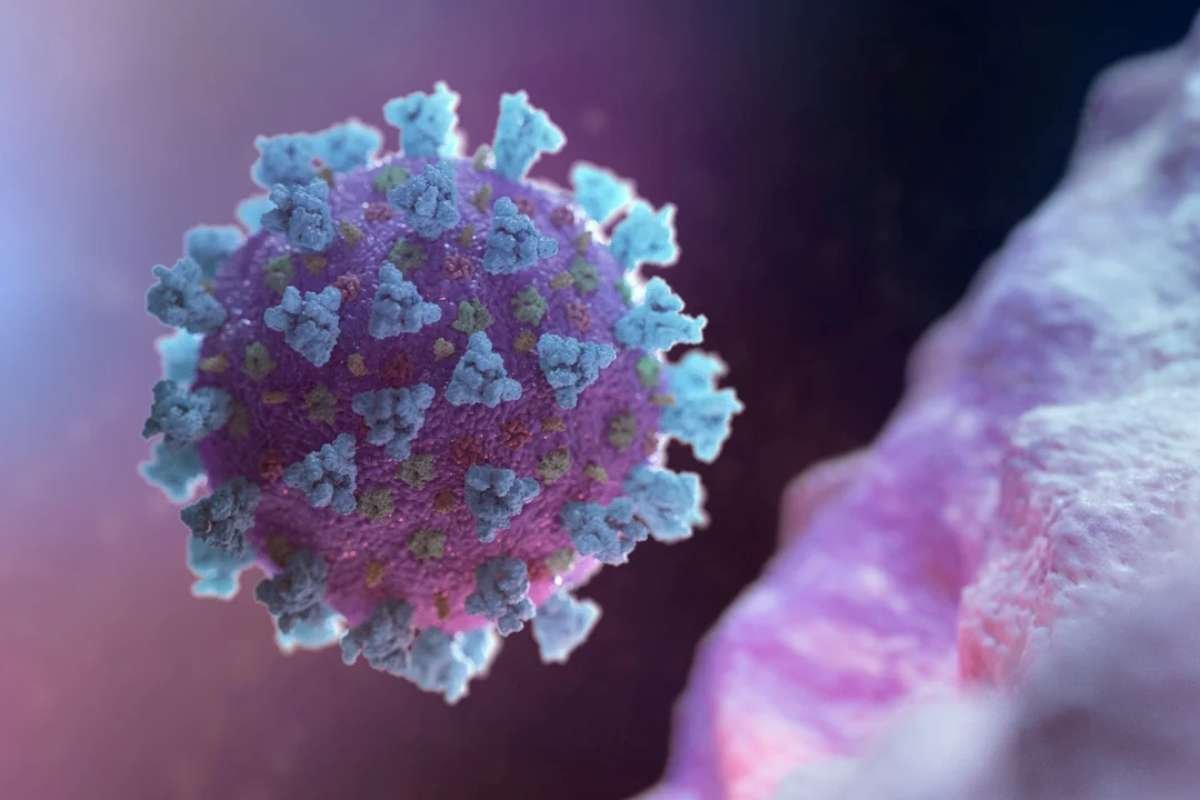
U.S. COVID-19 activity is increasing nationally as summer ends, with the CDC reporting rising levels across the United States, particularly in the South and West, amid low overall illness.
COVID activity rises across the country
The Centers for Disease Control and Prevention reported Aug. 21 that national and regional COVID-19 activity is increasing. The agency also said the overall amount of acute respiratory illness causing people to seek health care remains very low.
CDC surveillance shows U.S. COVID-19 activity is seeing its strongest increases in the South and West, although activity is rising elsewhere. Current trends indicate the virus is spreading more widely, including newly circulating COVID-19 variants, but the country is not experiencing the severe levels seen during earlier waves.
“Overall, put together in the U.S., the trend does seem to be going up,” said Dr. Geeta Sood, an infectious diseases physician and epidemiologist at Johns Hopkins Medicine.
Sood said late-summer increases are not unusual and that current levels remain below those seen during previous major surges. Dr. Michael Angarone, an infectious diseases specialist at Northwestern Medicine, said COVID-19 typically sees seasonal increases around September and October and again during winter.
“The number of cases and the burden of SARS-CoV-2 is on the low side, but that can change,” Angarone said.
Watch for familiar respiratory symptoms
People who contract COVID-19 this summer or early fall are likely to experience symptoms similar to those seen in recent years, doctors said.
Common symptoms include a runny nose, congestion, sore throat and fever. More serious illness can cause a bad cough, difficulty breathing or shortness of breath, Angarone said.
“Now that pretty much everyone has probably had COVID at least once, it’s still those same symptoms — those upper respiratory symptoms,” he said.
People who develop symptoms should consider taking a COVID-19 test, Angarone said. Those who test positive should stay home and away from others and contact a health care provider, particularly if they face a higher risk of severe illness.
The CDC says people ages 50 and older or those with certain conditions that increase their risk of severe COVID-19 may be eligible for treatment.
Vaccines and new treatments offer protection
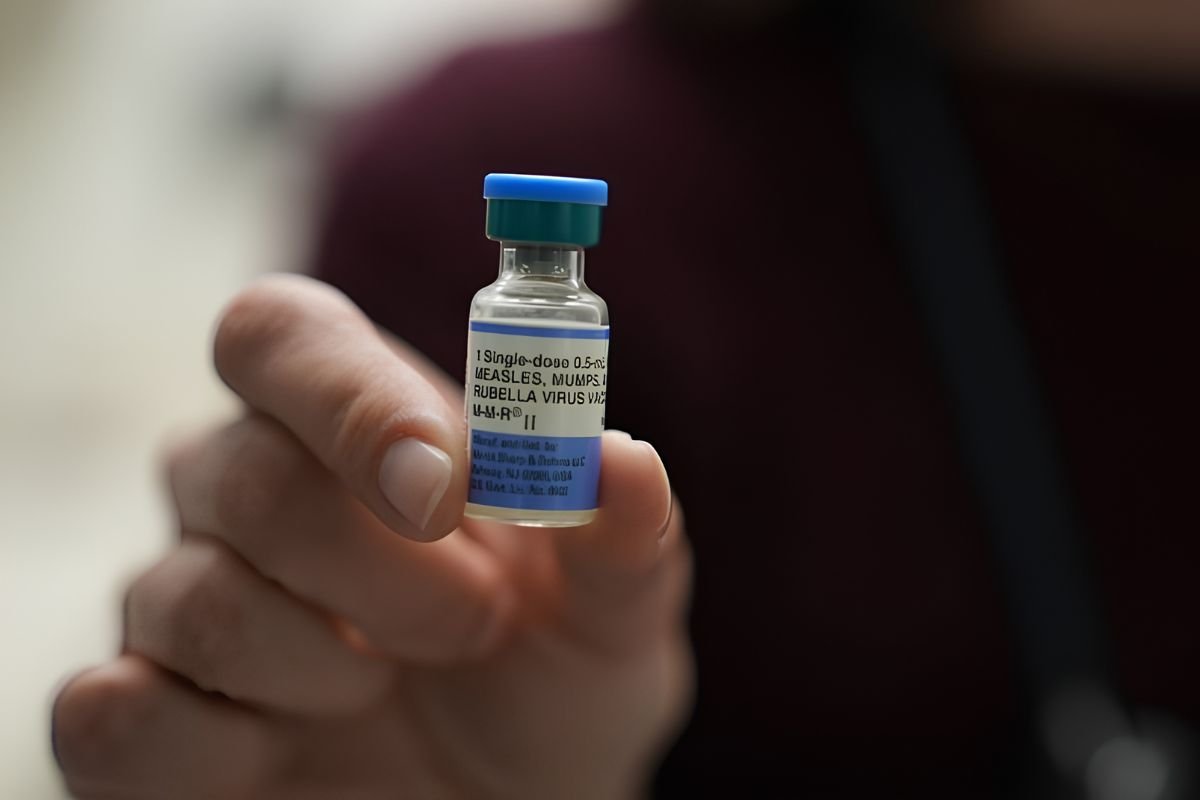
Doctors recommend vaccination as an important way to reduce the risk of serious COVID-19 illness and hospitalization. The FDA has also advised that the 2026-27 COVID-19 vaccine formula should target the JN.1-lineage XFG variant and become available in fall 2026.
“I still recommend to people to get vaccinated,” Angarone said. “We know the vaccine is the best way to prevent serious illness.”
People can also reduce exposure by improving ventilation, avoiding crowded indoor spaces when possible, and wearing masks, per CDC guidance, Sood said. These measures can also reduce the spread of other respiratory viruses.
A new prescription option is available for people who have been directly exposed to COVID-19. The FDA approved Xocova, or ensitrelvir, in May for post-exposure prevention in adults and children ages 12 and older. The drug should be started as soon as possible and within 72 hours after contact with an infected person.
As U.S. COVID-19 activity climbs into fall, the treatment is prescription-only, and doctors say its usefulness can vary based on a person’s health and exposure risk.