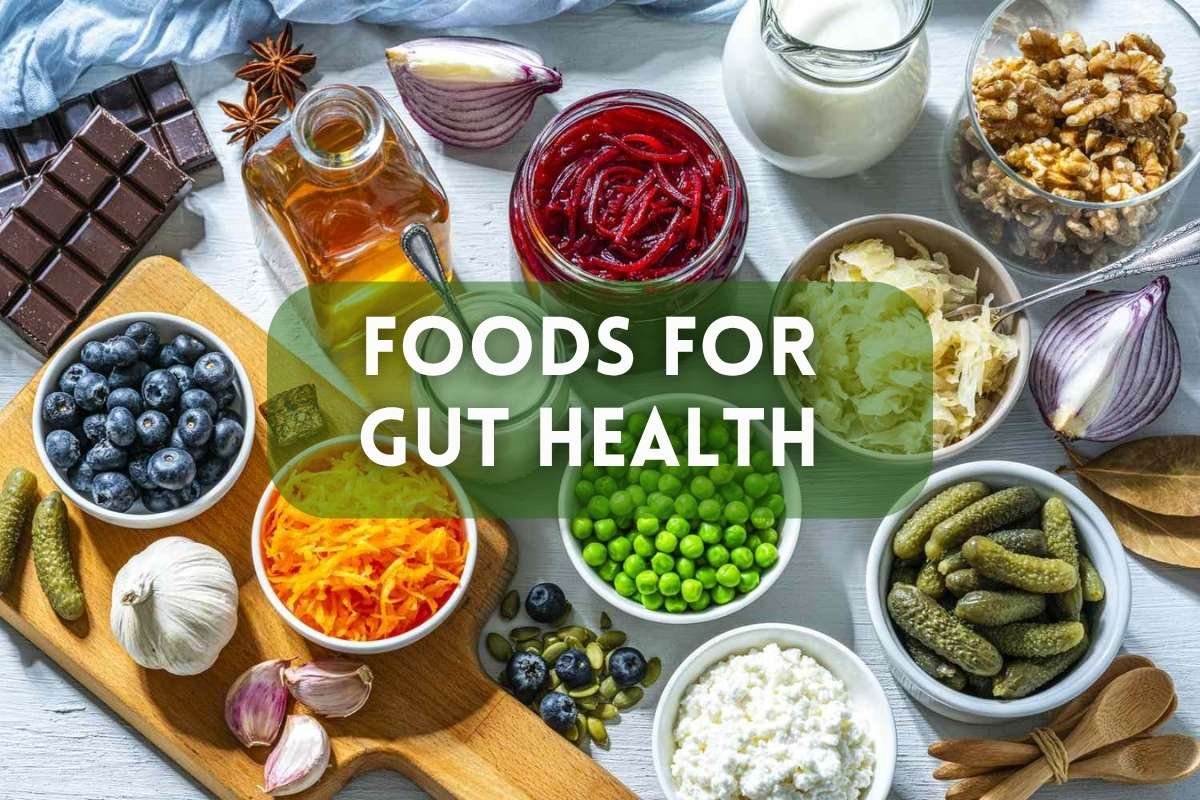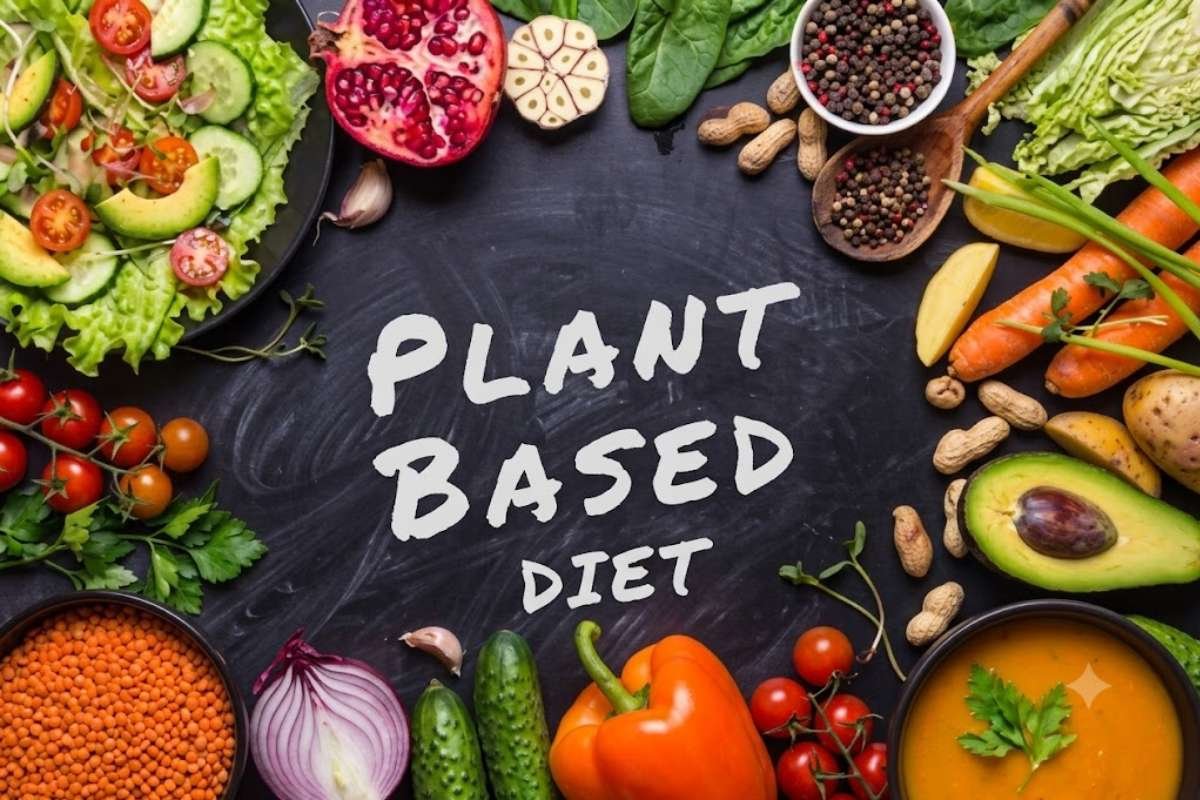
Is it true that you can improve your health by replacing some animal foods with beans, whole grains, vegetables, fruits, nuts, and seeds? A plant-based diet is based on these food items. However, this does not mean that it is vegan. Some diets allow eggs or dairy products or even some meat. What matters is what animal products are replaced with. A diet that is rich in legumes, fiber, and minimally processed plants is very different from the one based on refined grains, sugar-rich foods, or highly processed meat substitutes. Some studies connect the quality of plant-based foods to cardiometabolic health.
This article will describe types of diets, advantages, nutrients, and methods of preparing food in a balanced way.
What is a Plant-Based Diet?
A plant-based diet prioritizes foods that come from plants, including vegetables, fruits, beans, lentils, whole grains, nuts, seeds, and soy foods. However, it does not necessarily require eliminating meat, dairy, or eggs. Harvard and MD Anderson both describe plant-based eating as a flexible pattern in which plant foods make up most of the diet, while some animal foods may still be included.
The terms below describe different levels of plant-food emphasis:
- Plant-forward: Meals mainly feature plant foods, but meat, fish, dairy, or eggs may be eaten regularly.
- Whole-food plant-based: Highlights minimally processed plant foods, such as beans, vegetables, fruits, whole grains, nuts, and seeds, while limiting refined grains, added sugar, and highly processed foods.
- Flexitarian: Primarily plant-based, with occasional meat, poultry, fish, dairy, or eggs.
- Vegetarian: Excludes meat, poultry, and fish but may include dairy and eggs.
- Vegan: Excludes all animal-derived foods, including meat, fish, dairy, eggs, and in many cases, honey.
“Plant-based” and “vegan” are not synonymous. Though it’s plant-based, it allows occasional animal products like eggs or fish. While a vegan diet strictly excludes all animal products but can still include processed, low-quality foods. Ultimately, overall diet quality depends on choosing whole plant foods over refined or heavily processed alternatives.
This distinction matters when comparing plant-based vs vegan diets, especially if you are evaluating flexibility, nutrition, health goals, or long-term sustainability.
What Foods Can You Eat On A Plant-based Diet?
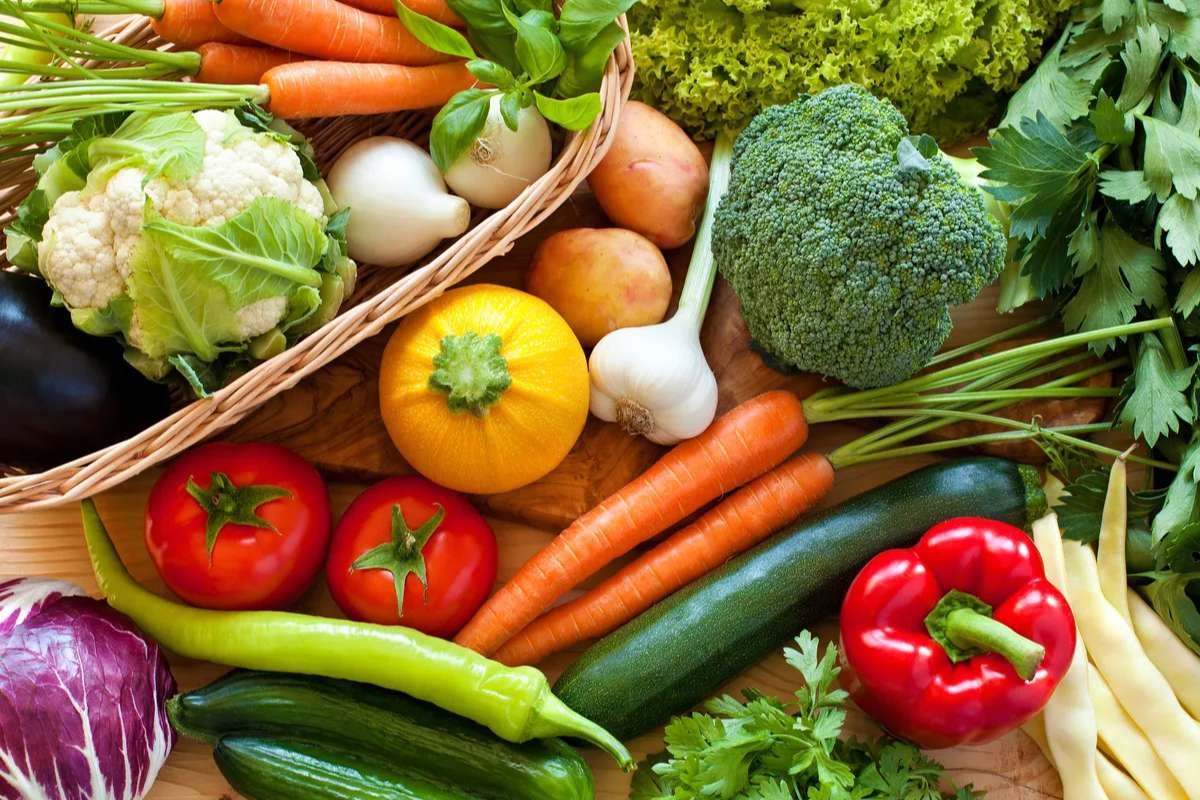
A plant-based diet is built mainly around plant foods, but the exact foods allowed depend on the approach. Instead of counting whether each food is technically plant-derived, focus on the nutritional role it plays and prioritize minimally processed choices. Harvard recommends making most of your meal vegetables and fruits, with whole grains and healthy protein completing the plate.
Plant-based staples:
- Vegetables:
- Leafy greens, tomatoes, carrots, peppers, broccoli, cauliflower, and starchy vegetables provide fiber, vitamins, minerals, and protective plant compounds.
- Fruits:
- Fresh or frozen fruit supplies carbohydrates, fiber, potassium, and other nutrients.
- Whole grains:
- Oats, brown rice, quinoa, barley, and whole-wheat bread provide sustained energy and fiber. Learn more in whole grain vs refined grain.
- Beans and legumes:
- Lentils, chickpeas, kidney beans, peas, and other beans contribute protein, fiber, iron, and folate.
- Nuts and seeds:
- Almonds, walnuts, chia, flax, pumpkin, and sesame seeds add protein, minerals, and unsaturated fats.
- Soy foods:
- Tofu, tempeh, edamame, and unsweetened fortified soy milk are useful protein-rich choices. USDA MyPlate includes beans, lentils, nuts, seeds, and soy products among vegetarian protein foods.
- Healthy fats:
- Use avocado, olives, tahini, and plant oils such as olive or canola oil in moderate amounts.
- Fortified plant milks:
- Unsweetened soy, pea, or other fortified alternatives can provide calcium and vitamin B12. Check the nutrition label.
Depending on the approach, animal foods may also appear:
- Eggs and yogurt or dairy in vegetarian or flexible patterns.
- Fish, poultry, or meat in flexitarian and plant-forward patterns.
MD Anderson describes a practical plate as roughly two-thirds plant foods, with the remaining portion coming from tofu, chicken, or fish. This balanced structure makes plant-based eating more flexible and sustainable.
What Makes a Plant-Based Diet Healthy?
A healthy plant-based food habit relies on food quality, not just avoiding meat. Whole, minimally processed plant foods improve metabolic health. Whereas diets high in refined grains, added sugars, ultra-processed products, and sugary drinks produce negative health outcomes.
| Health-promoting pattern | Less nutritious pattern |
| Vegetables and fruits | Sugary beverages and excess fruit juice |
| Beans, lentils, and other legumes | Refined grains, such as white bread and white rice |
| Whole grains | Added sugars and sweets |
| Nuts and seeds | Highly processed snack foods |
| Minimally processed foods | Excessive sodium |
| Tofu, tempeh, and other nutritious soy foods | Highly processed plant-based substitutes |
Sustained metabolic health relies on steady blood sugar and insulin control, a key advantage whole grains provide over their refined counterparts. A healthy diet should prioritize high-fiber foods, including whole grains, legumes, vegetables, fruits, nuts, and seeds.
Food quality matters more than whether a product carries a vegan or plant-based label. For example, lentil curry with brown rice is nutritionally different from a meal based on refined bread, sweetened beverages, and packaged snacks. The same principle connects with Low Glycemic Index Foods, which can support steadier blood-glucose responses, and Unhealthy Foods to Avoid, particularly when these foods displace nutrient-rich staples.
What Are the Health Benefits of Plant-Based Food Habits?
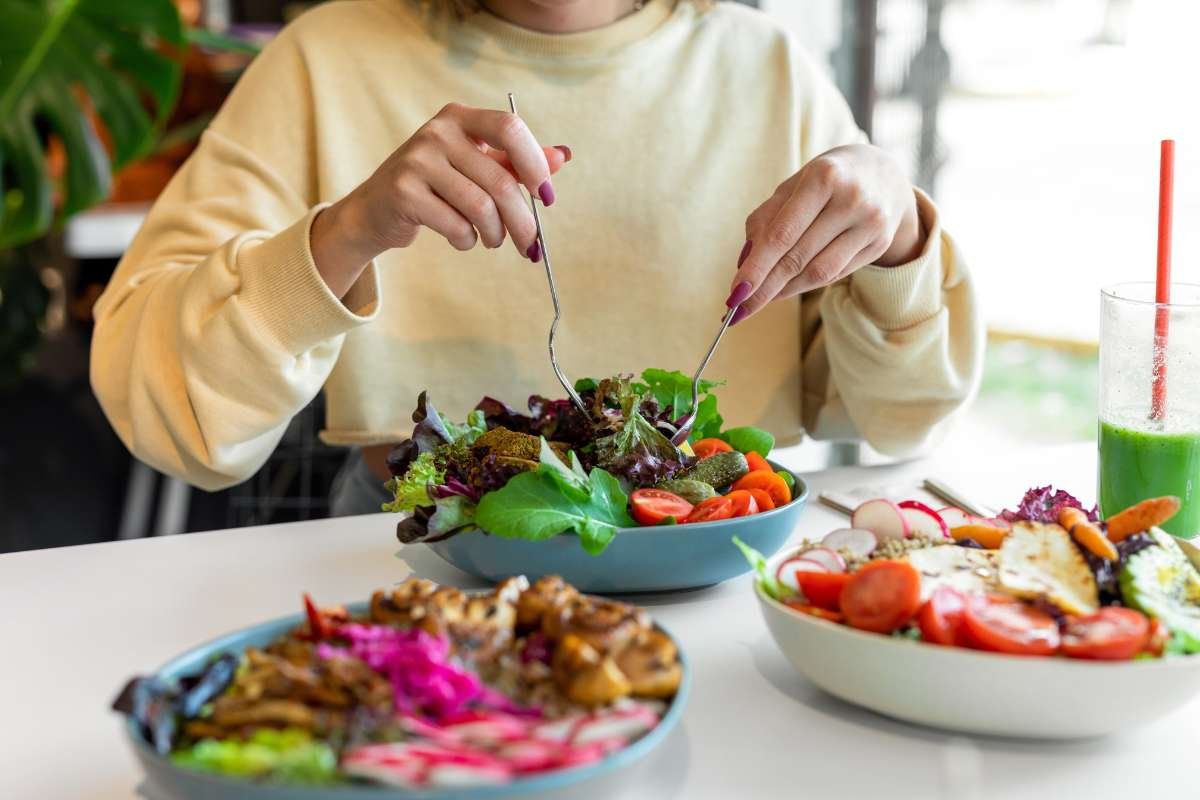
A plant-centric diet may support health when it highlights vegetables, fruits, legumes, whole grains, nuts, seeds, and other minimally processed foods. Benefits are possible; they are not guaranteed and depend on overall diet quality, lifestyle, and individual health needs.
| Health Focus Area | Key Recommendations & Foods | Health Impact & Key Findings |
| Heart Health | Legumes, whole grains, fruits, & vegetablesNuts, seeds, & plant oils (unsaturated fats)SeafoodLimit: Sodium, added sugars, & saturated fats | Certain types of dietary fiber can help lower LDL cholesterol, while unsaturated fats support cardiovascular health. |
| Blood Sugar & Type 2 Diabetes | Whole grains, legumes, vegetables, & nutsQuality plant foods over processed options | A 2026 review linked healthy plant diets to lower diabetes risk, complementing a Diet for Diabetes. |
| Weight Management | High-fiber, lower-energy-density foodsCaution: Calorie-dense & highly processed plant products | High-fiber foods boost satiety and calorie control; processed plant foods still add calories. |
| Gut Health | Legumes, whole grains, fruits, vegetables, nuts, & seeds | Fermentable fiber feeds gut microbes to build a healthier microbiome. |
| Inflammation & Cancer | Minimally processed, whole plant foodsComprehensive dietary & lifestyle patterns | Minimally processed plants form the basis of an Anti-Inflammatory Diet and are associated with a lower risk of some cancers, supporting a broader Diet for Cancer Prevention and Diet for Brain Health. |
How Do You Get Enough Protein and Key Nutrients?
A well-planned, natural-variations diet can provide sufficient protein and most essential nutrients. The main strategy is variety: include a protein-rich food at each meal rather than relying on one “best” source.
“Appropriately planned vegetarian, including vegan, diets are healthful, nutritionally adequate, and may provide health benefits in the prevention and treatment of certain diseases.” Noted in the Academy of Nutrition and Dietetics Position Paper on Vegetarian Diets.
| Nutrient | Plant-based sources |
| Protein | Beans, lentils, tofu, tempeh, soy foods, nuts, and seeds |
| Iron | Lentils, beans, tofu, leafy greens, and fortified foods |
| Calcium | Fortified plant milks, calcium-set tofu, and leafy greens |
| Vitamin B12 | Fortified foods or a reliable supplement |
| Omega-3 fats | Flaxseeds, chia seeds, walnuts, and algae-based DHA/EPA when appropriate |
| Zinc | Legumes, nuts, seeds, and whole grains |
| Vitamin D | Fortified foods and supplementation when needed |
| Iodine | Iodized salt and other appropriate dietary sources |
Combine diverse plant proteins throughout the day, like oats with seeds, lentils with grains, or tofu with veggies. A varied diet with adequate portions meets daily protein needs. Plant-based (non-heme) iron is absorbed less efficiently than iron from animal products. To boost absorption, pair foods like beans, lentils, or leafy greens with vitamin C sources like citrus, tomatoes, or peppers.
Vitamin B12 requires extra attention on plant-oriented diets, as unfortified plant foods lack it naturally; fortified foods or supplements are necessary. Check labels or consult a professional for vitamin D, iodine, calcium, iron, and omega-3 foods, especially during pregnancy or breastfeeding.
How to Build a Balanced Plant-Based Plate?
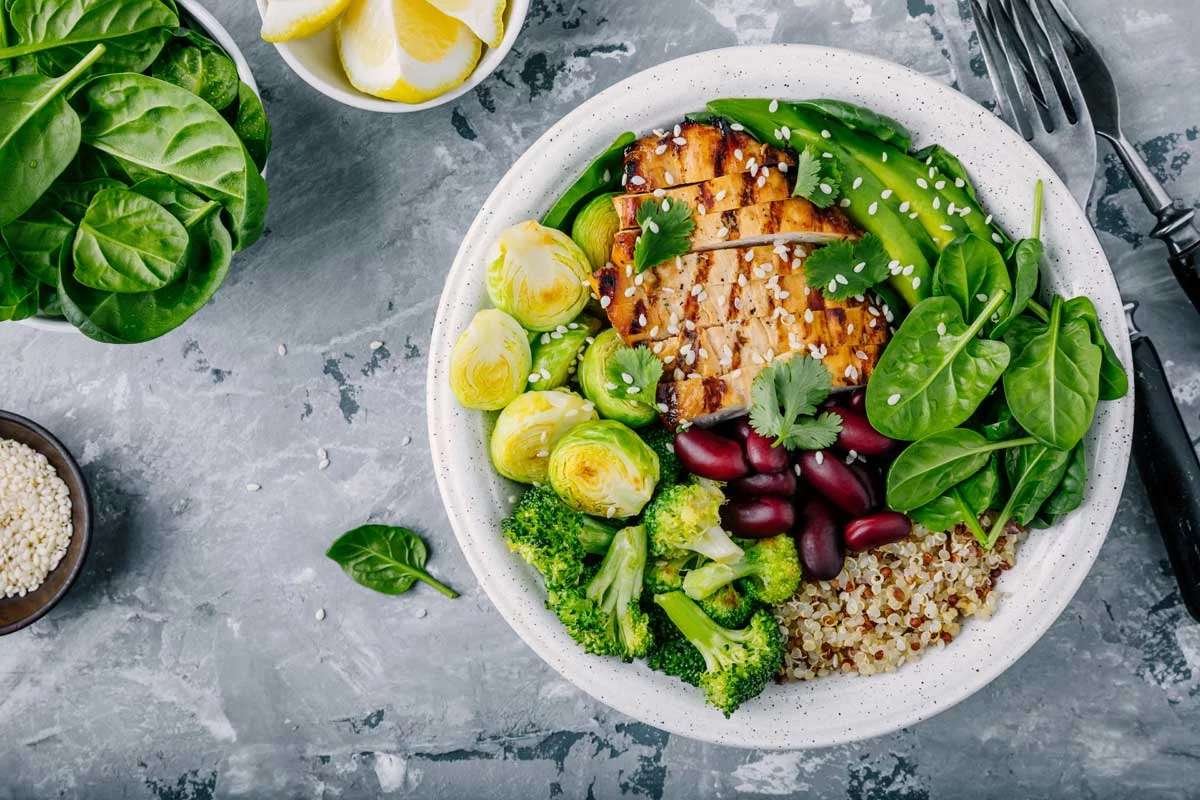
Use this simple framework to create balanced meals. It builds on Harvard’s Healthy Eating Plate and MD Anderson’s recommendation to make most of the meal plant foods.
- ½ plate: Non-starchy vegetables and/or fruit, such as leafy greens, tomatoes, carrots, broccoli, berries, or citrus.
- ¼ plate: Whole grains or other high-fiber carbohydrates, including oats, brown rice, quinoa, barley, or sweet potato.
- ¼ plate: Beans, lentils, tofu, tempeh, edamame, or another protein source.
- Add: A small serving of nuts, seeds, avocado, or unsaturated plant oil.
Build meals easily
- Breakfast: Oats with fortified soy milk, chia seeds, and fruit; or whole-grain toast with tofu scramble and vegetables.
- Lunch: A grain bowl with brown rice, chickpeas, roasted vegetables, greens, and tahini dressing.
- Dinner: Lentil curry with vegetables and quinoa, or tofu stir-fry with brown rice.
- Snack: Fruit with nuts, hummus with vegetables, or unsweetened soy yogurt with seeds.
Aim to combine protein + fiber + healthy fats at most meals. This combination can make meals more satisfying and nutritionally complete. For example, a chickpea salad with vegetables, whole-grain roti, and avocado includes all three.
How to Start a Plant-Based Diet Without Going All-In:
A gradual plan
- Week 1: Add one extra serving of vegetables or fruit each day.
- Week 2: Replace one meat-centered meal with beans, lentils, tofu, or tempeh.
- Week 3: Choose whole grains, such as brown rice, oats, or whole-wheat roti, more often.
- Week 4: Add nuts or seeds to breakfast, salads, or snacks.
- Week 5: Gradually reduce sugary drinks, refined snacks, and highly processed foods.
- Week 6: Keep several reliable plant-based meals you genuinely enjoy in your regular rotation.
- Eating Out & Family Meals
- Order vegetable dishes with legumes or whole grains, request sauces on the side, and adapt everyday recipes by adding extra beans or veggies instead of cooking separate meals.
- Budget-Friendly Prep
- Buy seasonal produce, oats, rice, and canned or bulk dried legumes. Plan meals, use a shopping list, and batch-cook grains and vegetables for quick weekday meals.
Read More:
- Vegan and Vegetarian: What to Know About Plant-Based Diets
- What is Diet? What are Different Types of Diets?
Conclusion
There is no need to be perfect or go all-out if you choose a plant-based diet. Concentrate on increasing your intake of vegetables, fruits, legumes, whole grains, nuts, and seeds. While decreasing your consumption of refined and processed foods. Use the balanced plate technique, include some protein at each meal, and make sure to get nutrients like vitamin B12, iron, calcium, vitamin D, and iodine.
Start with one simple change to your eating habits and adapt recipes you know. Whether you select a flexitarian, vegetarian, or vegan diet, the important fact is consistency. Plan and prepare one plant-based meal this week and continue to do so.
FAQ:
1. Can a natural variations diet cure fatty liver?
A natural variations diet may support fatty liver management when it emphasizes whole, minimally processed foods and helps improve overall diet quality and weight management. However, it is not a standalone treatment for fatty liver disease.
2. Do cardiologists recommend a plant-based diet?
Yes. Cardiologists and major heart-health organizations generally support plant-rich eating patterns, including Mediterranean-style diets, because diets emphasizing vegetables, fruits, whole grains, legumes, nuts, and unsaturated fats are associated with better cardiovascular health.
3. What are 5 plant-based foods?
Five common plant-based foods are lentils, tofu, quinoa, spinach, and almonds.
4. What is 100% plant-based food?
A 100% plant-based food is any item made entirely from plants, such as vegetables, fruits, grains, nuts, seeds, and legumes. Without any animal meat, dairy, eggs, honey, or other animal-derived ingredients.
5. What is the healthiest plant-based food?
There is no single healthiest plant-based food. Legumes, whole grains, vegetables, fruits, nuts, and seeds can all contribute important nutrients as part of a varied diet.
Links and Sources:
- https://hsph.harvard.edu/news/vegan-diet-health-environment/
- https://nutritionsource.hsph.harvard.edu/healthy-eating-plate/
- https://www.mdanderson.org/cancerwise/the-benefits-of-a-plant-based-diet.h00-159780390.html
- https://www.heart.org/en/healthy-living/healthy-eating/eat-smart/nutrition-basics/aha-diet-and-lifestyle-recommendations
- https://www.news-medical.net/news/20260818/Whole-grains-legumes-and-vegetables-stand-out-in-a-major-review-of-diabetes-diets.aspx