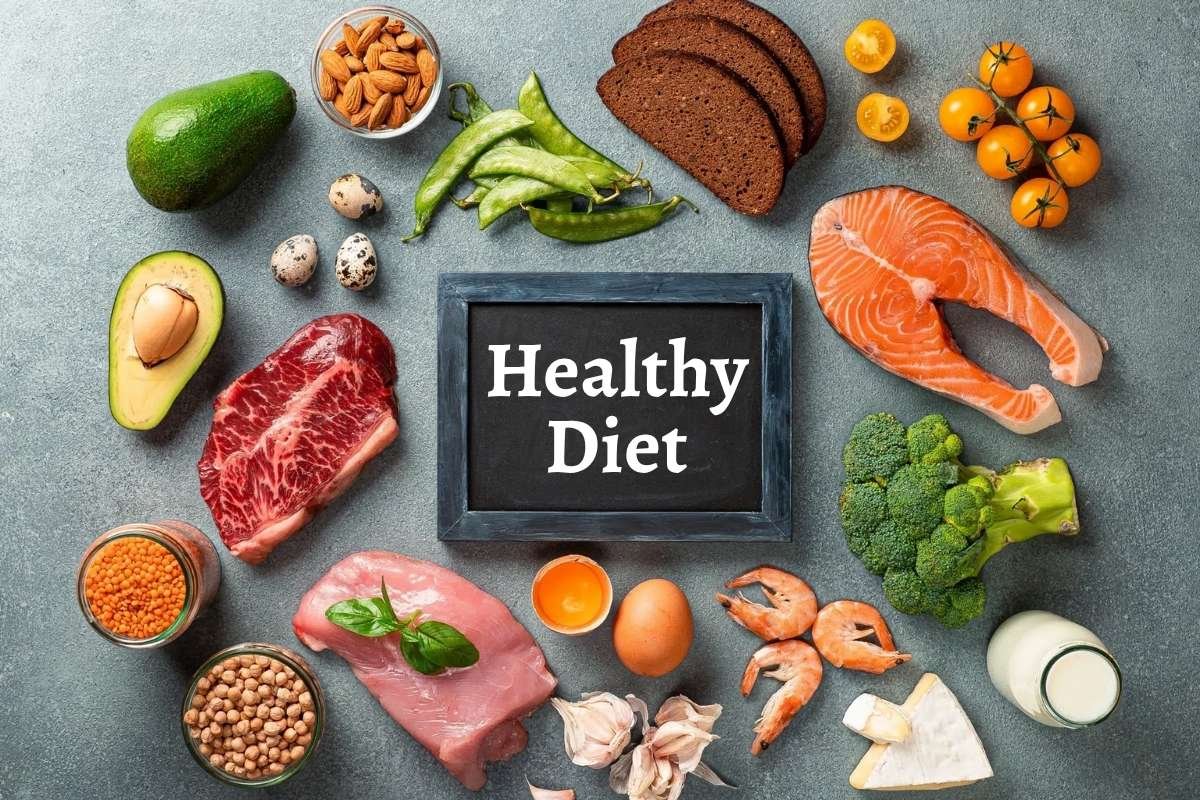
Did you know that a poor diet is the biggest risk factor for disease worldwide, killing more people than tobacco or alcohol? However, with so much conflicting advice, most people still wonder: what actually represents a healthy diet?
A nutritious diet gives your body the necessary nutrients, balancing the quality, variety, portions, and overall dietary patterns. But there is no universally applicable, “perfect” diet. The World Health Organization lists adequacy, balance, moderation, and diversity as fundamental values, but individual needs vary by age, activity level, health status, culture, and food availability.
This guide is a quick overview. You’ll learn how to develop a sustainable way of eating that fits into your life without magical foods or eliminating entire food groups.
What Is a Healthy Diet? The 4 Principles That Matter in 2026
A healthy diet provides your body with essential nutrients while maintaining energy balance through four core principles: adequacy, balance, moderation, and diversity. According to the World Health Organization (WHO), these guidelines adapt to individual needs, culture, and food availability rather than prescribing a one-size-fits-all approach.
- Adequacy
- Daily intake must provide sufficient protein, fiber, and essential vitamins and minerals to support basic bodily functions.
- Balance
- Proportions of carbohydrates, protein, and healthy fats should be tuned to match your specific daily activity levels.
- Moderation
- Minimize the intake of highly processed foods high in free sugars, saturated and trans fats, and sodium.
- Diversity
- Rotate a wide variety of colorful fruits, vegetables, and different protein sources to ensure broad antioxidant and nutrient coverage.
What a Balanced Diet Does NOT Mean
- Zero carbohydrates
- Zero fat
- Avoiding all treats
- Eating only organic foods
- Buying expensive superfoods
- Following one universal meal plan
These misconceptions create unnecessary restrictions. Instead, focus on sustainable patterns that fit your lifestyle. Building a hale and hearty diet is about consistency, not perfection. And it looks different for everyone.
How to Build a Healthy Plate With the Right Foods and Portions?
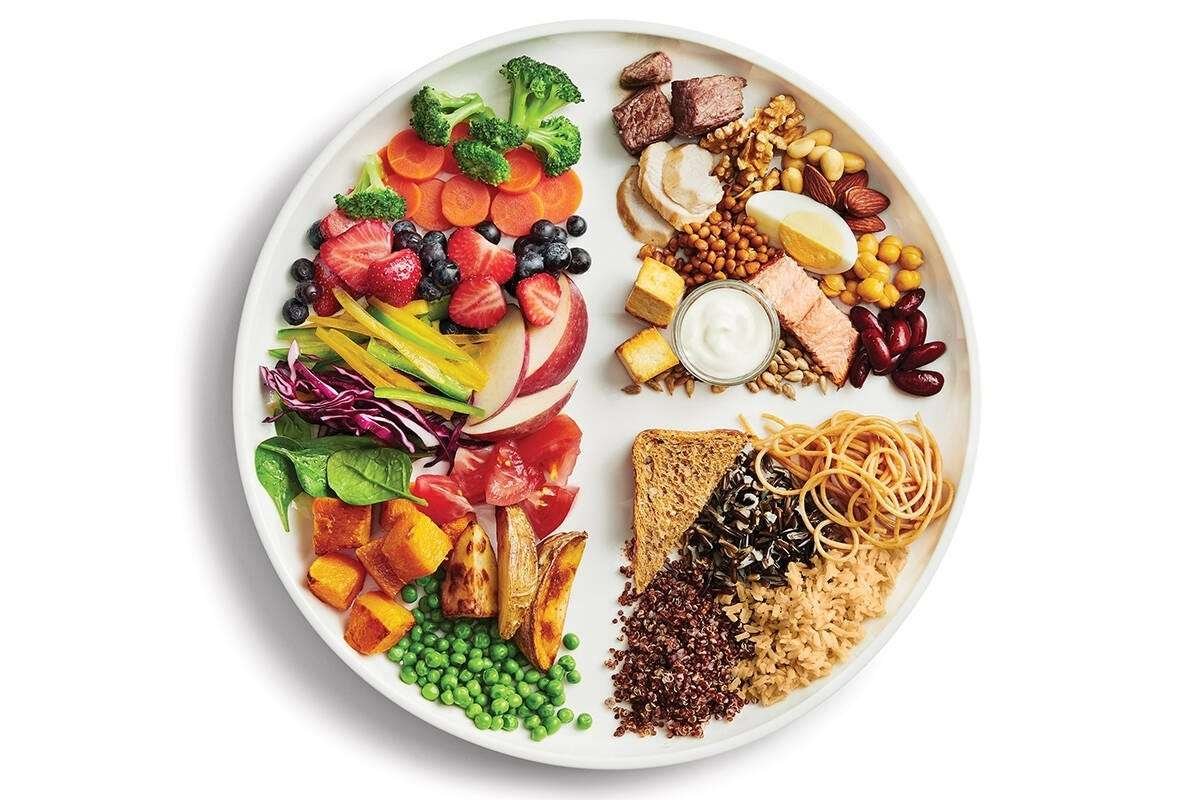
Creating a nutritious meal doesn’t require complex calculations. By combining Harvard’s Healthy Eating Plate model with WHO guidance, you can build balanced meals that support long-term wellness.
The Plate Framework
- Vegetables & Fruits: Fill half your plate with a variety of colors and types.
- Whole Grains: Occupy one-quarter of your plate with options like brown rice, quinoa, or whole wheat.
- Protein: Reserve one-quarter for healthy sources like fish, poultry, beans, or nuts.
- Healthy Fats: Use plant-based oils (olive, canola) in moderation.
- Water: Choose water or unsweetened beverages over sugary drinks.
- Portion Awareness: Adjust quantities based on your activity level and hunger cues.
Practical Swaps for Better Choices
| Instead of | Choose more often |
| White rice | Brown rice/whole grains |
| Processed meat | Beans, lentils, fish, or poultry |
| Sugary drinks | Water/unsweetened drinks |
| Butter-heavy cooking | Unsaturated oils |
| Refined snacks | Nuts, fruit, yogurt, or minimally processed options |
When considering grains, understanding the difference between brown rice vs white rice (comparison) helps: brown rice retains fiber and nutrients lost during refining.
Portion vs. Serving Size
A “serving” is a standardized measurement (e.g., 1 cup of vegetables), while a “portion” is what you actually eat. Learning to estimate portions, like a fist-sized serving of grains or a palm-sized protein. This helps align intake with needs without obsessive measuring. This flexibility makes maintaining a strong diet more sustainable.
Plant-Based Diet: How Much Plant Food Should You Actually Eat?
A plant-based diet prioritizes plant foods like vegetables, fruits, legumes, nuts, seeds, and whole grains. While minimizing animal products. Unlike strict veganism, it focuses on health outcomes rather than ethics. This allows for occasional animal foods.
What to Eat More Of
Prioritize whole, minimally processed plant foods:
- Vegetables & Fruits: Aim for variety and color to maximize nutrient intake.
- Legumes: Beans, lentils, and chickpeas provide protein and fiber.
- Nuts & Seeds: Offer healthy fats and micronutrients.
- Whole Grains: Brown rice, oats, and quinoa supply sustained energy.
- Plant Proteins: Tofu, tempeh, and edamame are versatile options.
Nutrient Considerations
While plant-based patterns align with a healthy diet, they require attention to certain nutrients. Key areas include omega-3 fatty acids (found in flaxseeds, walnuts, and algae), omega-3-rich foods, high-fibre foods, and gut-supporting compounds like Probiotic and Prebiotic Foods. Vitamin B12, iron, calcium, and zinc may also need monitoring, especially if animal foods are limited.
Can Animal Foods Fit?
Yes. Small amounts of fish, dairy, or eggs can complement a predominantly plant-based pattern without compromising health benefits. The key is prioritizing plant foods while using animal products strategically.
Plant-Based vs. Vegan Diet
These approaches differ in intent and flexibility. A vegan diet excludes all animal products. Plant-based eating emphasizes plants but allows occasional animal foods. Importantly, neither guarantees health. A highly processed vegan diet rich in refined carbs and fake meats can still be nutritionally poor. Understanding Plant-Based vs Vegan Diet (comparison) helps clarify these distinctions.
Foods for Gut Health: Build a More Diverse Gut-Friendly Diet
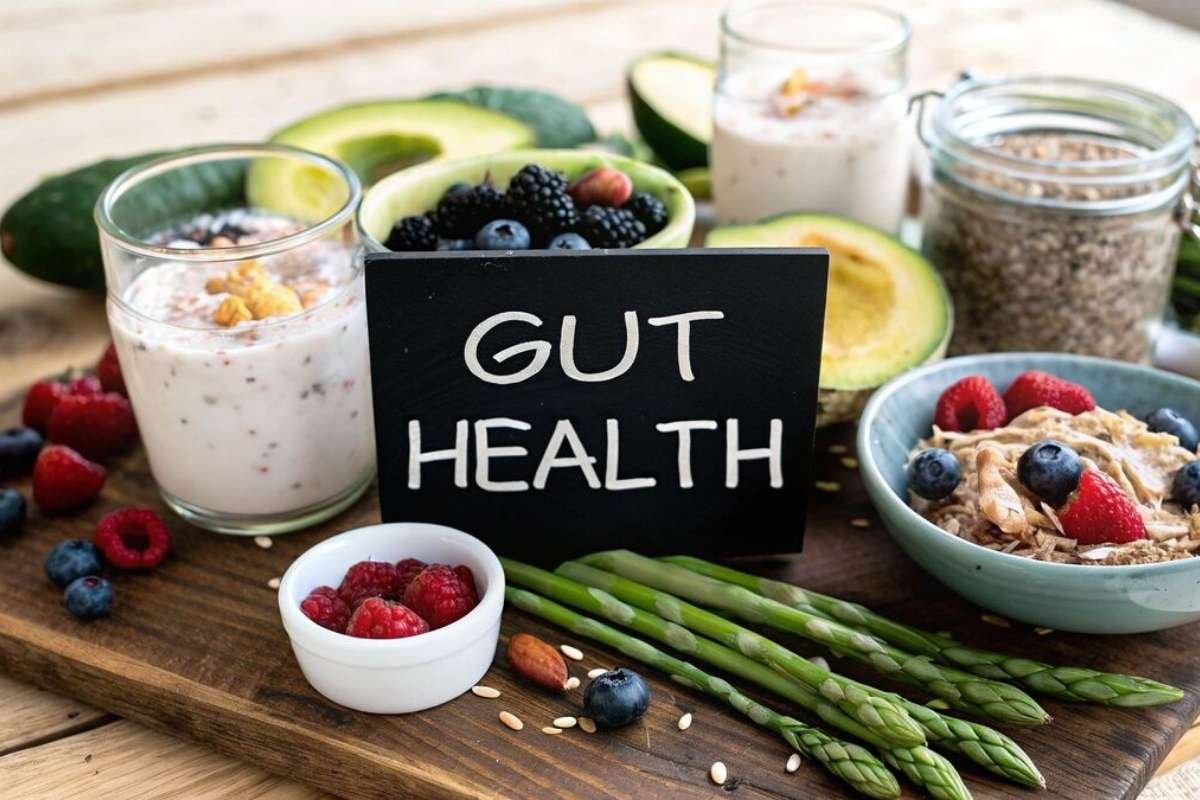
A gut-healthy diet goes far beyond probiotic yogurt. While fermented foods provide beneficial bacteria, true gut health depends on dietary diversity and consistent fiber intake to nourish your microbiome.
Key Components for Gut Health
| Component | Key Action / Target |
| Dietary Fiber | Aim for 25–38g daily to fuel beneficial bacteria. |
| Plant Diversity | Eat 30+ plant types weekly (veggies, fruits, nuts, seeds, legumes). |
| Whole Grains & Legumes | Supply essential fiber and prebiotics. |
| Fermented Foods | Add live cultures via yogurt, kefir, kimchi, and sauerkraut. |
| Prebiotics & Probiotics | Prebiotics feed microbes; probiotics add beneficial strains. |
| Hydration | Drink water to aid digestion and fiber movement. |
| Minimally Processed Foods | Limit ultra-processed foods to protect microbial balance. |
Why Diversity Matters
Research shows that people with diverse gut microbiomes tend to have better metabolic health and immunity. Simply taking a probiotic supplement without adequate fiber and plant variety offers limited benefit. The goal is to create an environment where beneficial microbes thrive long-term.
Building a gut-friendly pattern aligns with a balanced diet by emphasizing whole foods, variety, and consistency over quick fixes.
Here are Some Foods to Include in Your Diet for Brain Health:
Your brain flourishes on consistent nourishment from a variety of nutrient-dense foods rather than any single “superfood.” Research shows that dietary patterns rich in omega-3 fatty acids, colorful vegetables, berries, whole grains, nuts, seeds, and healthy fats support cognitive function and long-term brain health.
Omega-3s, found in fatty fish, walnuts, and flaxseeds. They are critical for maintaining brain cell structure. Vegetables and berries provide antioxidants that protect against oxidative stress. While whole grains supply steady glucose for energy. Adequate protein supports neurotransmitter production, and proper hydration ensures optimal cognitive performance.
Rather than chasing individual “brain foods,” focus on an overall eating pattern. The Mediterranean and MIND diets, both linked to reduced cognitive decline, emphasize plant-forward meals with moderate fish, olive oil, and limited processed foods. This approach mirrors principles seen in the Blue Zone Diet + Best Foods for Longevity, where communities with exceptional lifespans prioritize whole, minimally processed foods.
Emerging evidence also connects gut health and inflammation to mental well-being, highlighting why nutrition matters beyond physical health. For deeper insights, explore How Food Affects Mental Health. Ultimately, supporting your brain means building a sustainable, varied, and nutrient-rich diet that you can maintain for decades.
Can An Anti-Inflammatory Diet Really Help Control Irritation?
Inflammation is your body’s natural immune response. Acute inflammation helps heal injuries and fight infections. Chronic inflammation is driven by poor diet, stress, or inactivity. This contributes to diseases like heart disease, diabetes, and arthritis.
Foods That Support Healthier Patterns
- Omega-3 foods
- Fruits and vegetables
- Whole grains
- Nuts and seeds
- Legumes
Foods to Limit
- Highly processed foods
- Refined carbohydrates
- Saturated fats
Pattern Over “Magic Foods”
An anti-inflammatory diet isn’t about single foods that “cure” inflammation. It is a consistent dietary pattern emphasizing whole, minimally processed foods while reducing pro-inflammatory items. This approach aligns with a healthy diet and supports long-term wellness without relying on exaggerated claims.
DASH Diet: When Blood Pressure Changes, What Healthy Eating Looks Like
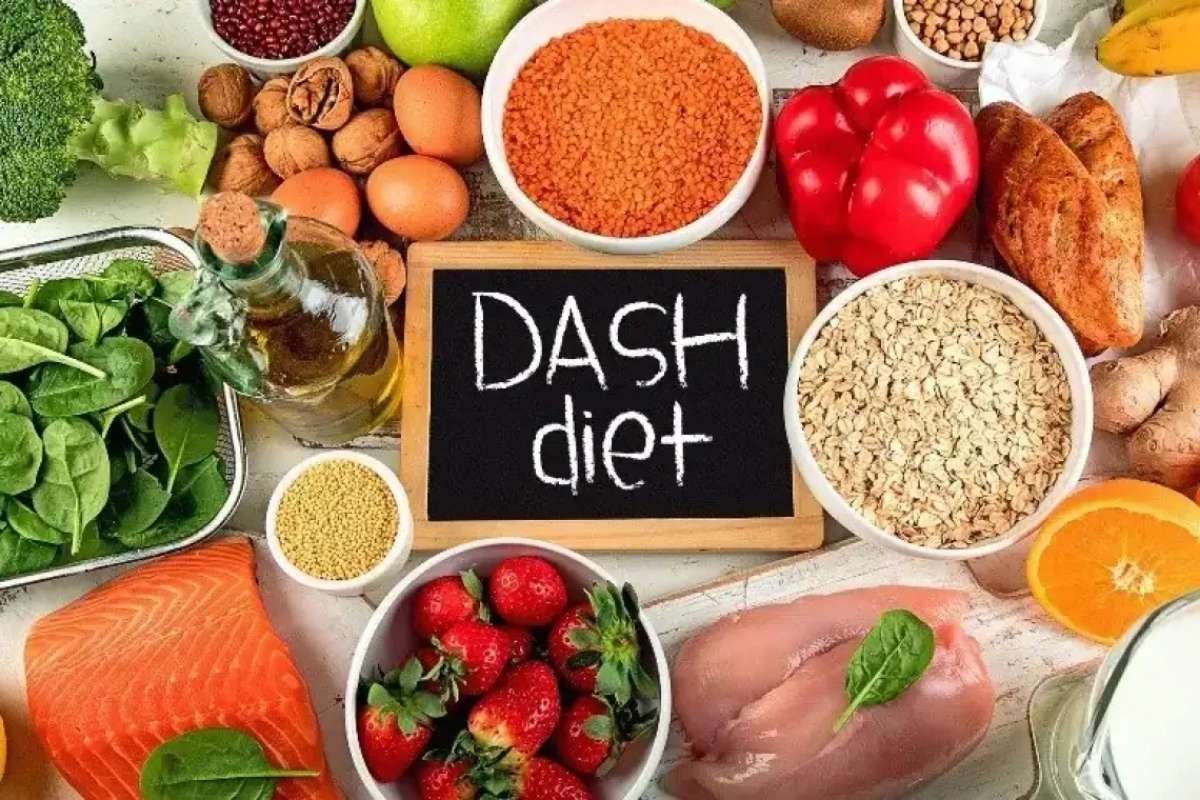
The DASH (Dietary Approaches to Stop Hypertension) diet is a science-backed eating plan designed to lower blood pressure through food choices. It emphasizes vegetables, fruits, whole grains, legumes, nuts, and low-fat dairy. While reducing sodium and limiting processed foods.
Core Components:
- Vegetables & Fruits
- Whole Grains
- Legumes & Nuts
- Low-Fat Dairy
- Sodium Reduction
- Potassium-Rich Foods
- Limiting Processed Foods
DASH in Context
DASH complements other heart-healthy patterns. For those managing cholesterol, pairing DASH principles with Foods That Lower Cholesterol improves heart benefits. Similarly, choosing Low Glycemic Index Foods supports stable blood sugar.
Mediterranean Diet vs DASH Diet
| Factor | Mediterranean | DASH |
| Main emphasis | Overall dietary pattern | Blood-pressure-focused pattern |
| Plants | High | High |
| Whole grains | High | High |
| Sodium | Moderate focus | Strong focus |
| Healthy fats | Strong emphasis | Moderate emphasis |
| Best-known use | Cardiometabolic health | Blood pressure |
Both patterns are evidence-based for reducing non-communicable disease risk. Understanding the Mediterranean Diet vs DASH Diet (comparison) helps you choose the right approach for your goals within a fit diet framework.
Diet for Diabetes: How to Build Meals That Support Blood Sugar Control
Managing diabetes doesn’t require eliminating carbohydrates. It’s about choosing the right types and portions. A fit diet for diabetes focuses on carbohydrate quality, fiber, protein, healthy fats, and balanced meal composition to support stable blood sugar levels.
Key Strategies
- Carbohydrate Quality: Prioritize whole grains, legumes, vegetables, and fruits over refined options.
- Fiber: Slows digestion and blunts blood sugar rises. Aim for 25–38 grams daily.
- Protein & Healthy Fats: Include with each meal to improve satiety and reduce post-meal glucose spikes.
- Portion Size: Even healthy carbs affect blood sugar in large amounts. Use visual cues (fist-sized servings) to manage intake.
- Low-GI Foods: Choose options like oats, lentils, and non-starchy vegetables that release glucose gradually.
- Limit Sugary Beverages & Refined Carbs: These cause rapid blood sugar spikes and offer little nutritional value.
Carbs Are Not the Enemy
WHO emphasizes that carbohydrates should come primarily from whole grains, vegetables, fruits, and pulses, not be eliminated. This approach supports energy needs while maintaining glycemic control. Comparing choices like brown rice vs white rice (Comparison) shows how small swaps improve outcomes without restrictive dieting.
Building sustainable habits around food quality and balance makes long-term diabetes management achievable within a healthy diet framework.
Mediterranean Diet: Why It Remains a Leading Evidence-Based Pattern
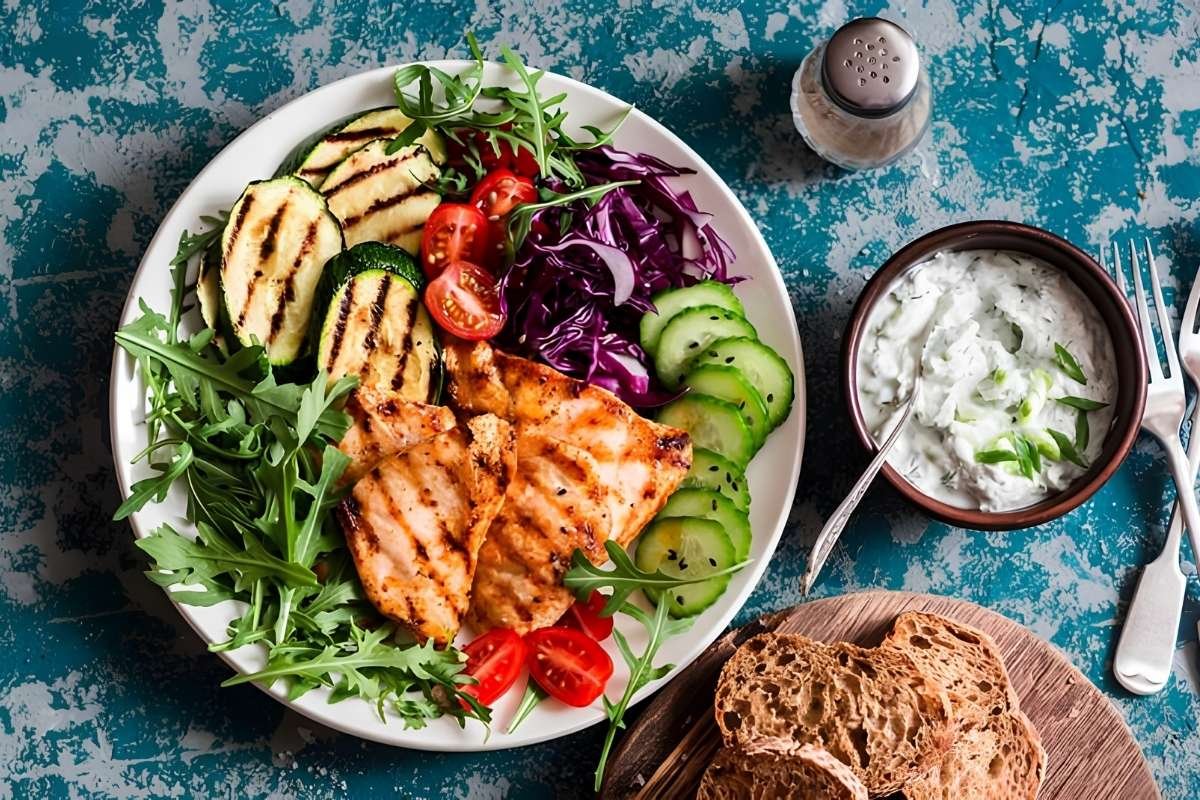
The Mediterranean diet isn’t a rigid meal plan. It is a flexible eating pattern centered on vegetables, fruits, whole grains, legumes, nuts, seeds, and olive oil. Along with moderate fish, dairy, and limited processed meats or ultra-processed foods.
Why It Works
Synergistic whole foods, like fiber for gut health, healthy fats for inflammation, and polyphenols for antioxidant protection. They jointly boost heart and metabolic health while lowering cancer risk. Linking it to patterns explored in diet for cancer prevention.
Transferable Principles
You don’t need to live near the Mediterranean to benefit.
Key takeaways include:
- Prioritizing plant foods at every meal
- Using olive oil as the primary fat
- Choosing fish over red meat
- Minimizing processed foods
These principles align with other evidence-based approaches. Whether comparing Keto vs Mediterranean Diet (comparison) or the Paleo Diet vs Whole Food Diet (comparison).
The Mediterranean diet succeeds because it is sustainable, adaptable, and research-backed. Integrating its core principles creates a resilient, hale and hearty diet for any eating style.
These are a Few Healthy Diet Options as Per Different Goals:
You don’t need a completely different diet for every health goal. A single foundational pattern, rich in plants, fiber, whole grains, and healthy fats. It can be adapted to support specific objectives.
Goal-Based Dietary Emphasis
| Goal | Dietary Emphasis |
|---|---|
| Weight management | Energy balance + high-fiber foods + adequate protein |
| Heart health | Unsaturated fats + plants + whole grains + lower sodium |
| Cholesterol | Fiber + unsaturated fats + reduced saturated fat |
| Blood sugar | Fiber + carbohydrate quality + balanced meals |
| Gut health | Fiber + plant diversity + fermented foods |
| Brain health | Overall dietary quality + omega-3-rich foods |
| Longevity | High-quality plant foods + dietary diversity |
| Blood pressure | DASH-style principles + sodium awareness |
For weight loss, focus on satiety and nutrient density, like Healthy Diet Plan for Weight Loss. Managing cholesterol? Prioritize soluble fiber and swap saturated fats for unsaturated options. Cancer prevention emphasizes plant diversity and minimizing processed meats. Emerging areas include hormone balance and personalized nutrition, such as Diet for Hormone Balance and the Nutrigenomics Diet, which is built on the same core principles.
Healthy Diet Comparisons: Which Eating Pattern Makes the Most Sense?
With countless diets claiming superiority, choosing the right approach depends on your goals, preferences, and lifestyle. Here’s a concise guide to common comparisons.
- Mediterranean Diet vs DASH Diet
- Both emphasize plants and whole grains. Mediterranean offers broader cardiometabolic benefits, while DASH targets blood pressure with stricter sodium control.
- Plant-Based vs Vegan Diet
- Plant-based focuses on maximizing plant foods but may include modest animal products. Vegan excludes all animal-derived foods for ethical or environmental reasons.
- Keto vs Mediterranean Diet
- Keto restricts carbs to induce ketosis, while Mediterranean balances carbs, fats, and protein. The Mediterranean is more sustainable long-term for most people.
- Intermittent Fasting vs Calorie Restriction (Comparison)
- Fasting limits eating windows; calorie restriction reduces total intake. Both can aid weight loss, but consistency matters more than method.
- Whole Grain vs Refined Grain
- Whole grains retain fiber and nutrients lost during refining. Choosing them improves carbohydrate quality without eliminating grains.
- Brown Rice vs White Rice
- Brown rice offers more fiber and micronutrients, but white rice can fit within balanced meals when portions are managed.
- Saturated Fat vs Unsaturated Fat (comparison)
- Replacing saturated fats (red meat, butter) with unsaturated fats (olive oil, nuts) supports heart health; not all fats are harmful.
- Paleo Diet vs Whole Food Diet
- Paleo excludes grains and legumes based on ancestral logic. Whole-food eating prioritizes minimally processed foods without rigid exclusions.
There is no single healthiest diet for every person. The strongest common denominator is dietary quality, adequacy, diversity, and sustainability, core pillars of this diet.
How to Start Eating Healthy on a Budget Without Following a Restrictive Diet?

Eating well doesn’t require expensive superfoods or strict rules. Make small, sustainable changes, like improving one meal at a time. This builds lasting habits without breaking your budget.
Practical Strategies
- Start with One Meal: Upgrade breakfast or lunch first, add vegetables, swap refined grains for whole grains, or include beans.
- Build a Grocery List: Plan around affordable staples like beans, lentils, whole grains, seasonal produce, and frozen vegetables.
- Affordable Protein: Eggs, canned fish, tofu, and legumes cost less than most meats.
- Batch Cooking & Meal Planning: Prepare grains, proteins, and chopped veggies in advance to reduce reliance on takeout.
- Eating Out: Choose grilled options, ask for sauces on the side, and prioritize vegetable-heavy dishes.
- Reading Food Labels: Check for added sugars, sodium, and ingredient length. Shorter lists often mean less processing.
Integrating these tactics into your routine, rather than chasing restrictive diets, makes building a healthy diet achievable, affordable, and sustainable. For more detailed guidance, see How to Start Eating Healthy (+ on a Budget).
Read Next:
- Could a Heart-Healthy Diet Be the Missing Piece in Your Wellness Routine?
- Why Super Healthy Foods Are the Secret Weapon of Lifelong Energy?
Conclusion
Building a healthy diet isn’t about perfection, expensive ingredients, or following the latest trend. It’s about consistently choosing whole, nutrient-dense foods that fit your lifestyle, culture, and goals. Whether you’re managing blood pressure, supporting gut health, or simply feeling more energized. The same core principles, like adequacy, balance, moderation, and diversity, are applied.
Start small: upgrade one meal, swap refined grains for whole ones, or add an extra serving of vegetables. Remember the 80/20 rule; flexibility keeps you on track long-term.
Your next step? Pick one change from this guide and try it this week. Small actions compound into lasting health.
People Also Ask:
1. What is the 7 balance diet?
The “7 balance diet” points to the seven essential components of nutrition: carbohydrates, proteins, fats, fiber, vitamins, minerals, and water.
2. What do I eat in a day?
A healthy day of eating includes a balance of whole grains, lean proteins, healthy fats, and plenty of fruits and vegetables.
3. What snack kills hunger?
Snacks that effectively kill hunger combine protein, fiber, and healthy fats to slow digestion and signal fullness to the brain. Top choices include Greek yogurt with berries, a handful of mixed nuts, apple slices with peanut butter, or air-popped popcorn.
4. What is a good diet chart?
A good diet chart is a flexible daily meal guide based on the Healthy Eating Plate. It fills half your plate with fruits and vegetables, one-quarter with whole grains, and one-quarter with lean proteins, supported by healthy fats and plenty of water.
5. Which fruit removes weakness?
No single fruit completely cures physical weakness on its own, but bananas are widely considered the best immediate fruit to fight fatigue.