Key Takeaway:
- Moderna and Merck’s personalized mRNA vaccine met Phase 3 trial goals, reducing melanoma recurrence and distant spread when combined with Keytruda.
- The trial involved 1,137 high-risk melanoma patients, with full results still pending.
- Moderna shares surged more than 120% after the announcement, boosting investor confidence in personalized cancer vaccines.
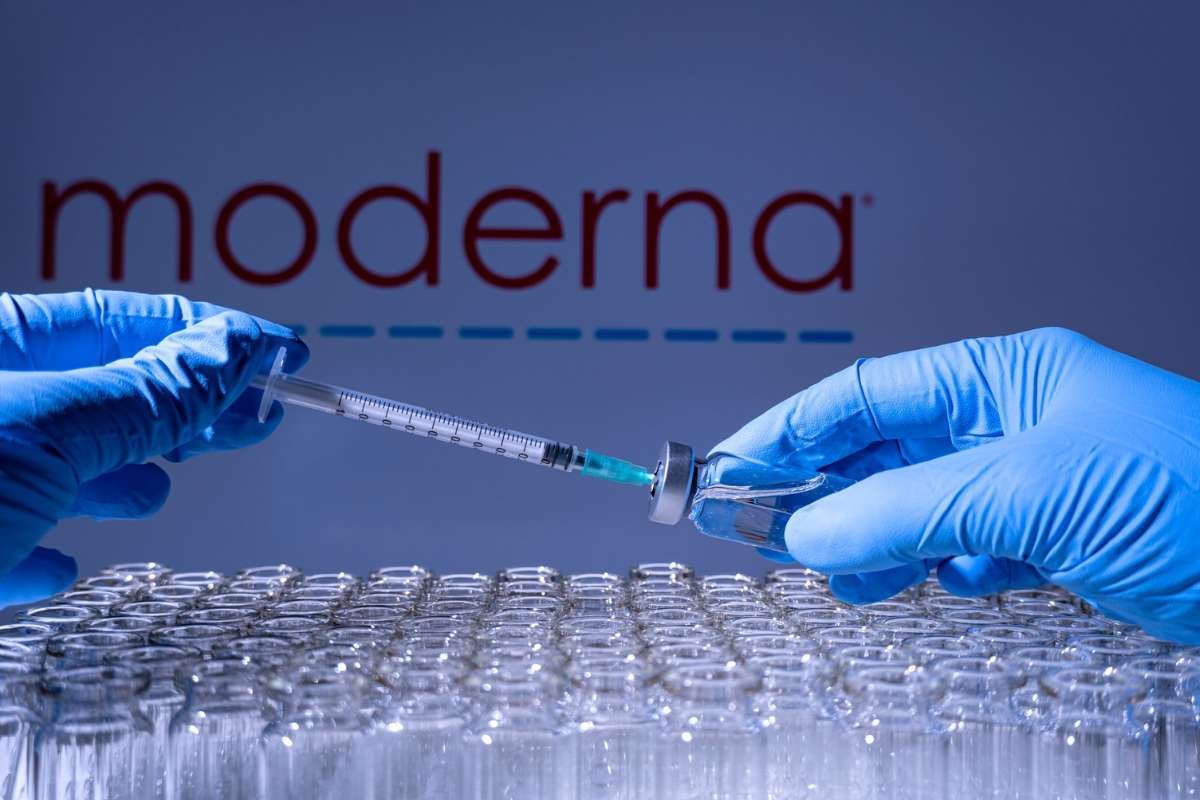
Moderna and Merck said Wednesday their personalized mRNA cancer vaccine, a Melanoma Vaccine combined with Keytruda, reduced melanoma recurrence and spread in a late-stage trial involving 1,137 high-risk patients.
Vaccine meets trial goals in high-risk melanoma
The companies said interim results from the Phase 3 trial met its primary goal of reducing cancer recurrence and its secondary goal of preventing cancer from spreading to distant parts of the body. The trial remains ongoing, and detailed results have not yet been publicly released.
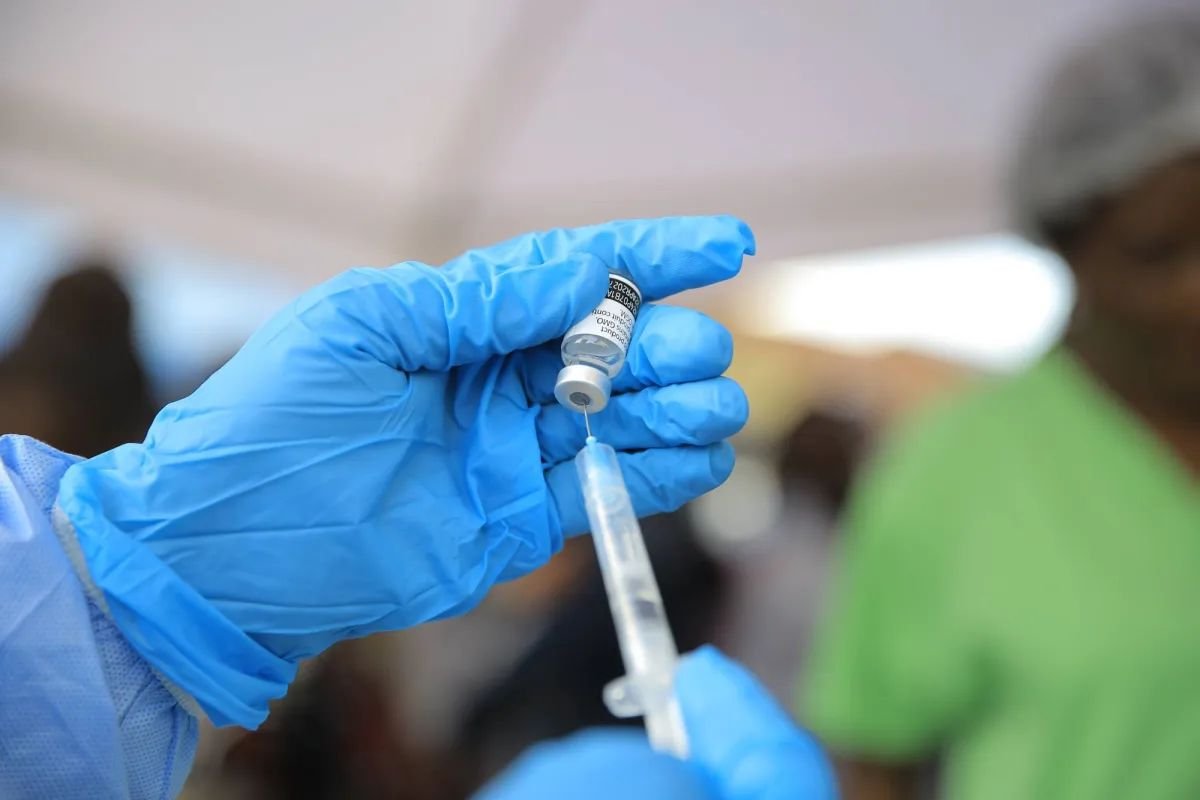
The treatment, called intismeran autogene, combines Merck’s Keytruda immunotherapy with an mRNA vaccine made specifically for each patient. The vaccine is designed using mutations identified in the patient’s tumor to help the immune system recognize and attack cancer cells.
The trial enrolled patients with stage 2B to stage 4 melanoma whose tumors had been surgically removed. Participants received either the personalized mRNA cancer vaccine with Keytruda or Keytruda alone.
No new safety concerns have emerged, the companies said. Earlier studies identified fatigue, injection-site pain and chills among the most common side effects.
Results could expand personalized cancer treatment
The announcement builds on earlier results from the treatment. A five-year analysis of the Phase 2B KEYNOTE-942 trial found that the Melanoma Vaccine combination reduced the risk of recurrence or death by 49% and the risk of distant metastasis or death by 59% compared with Keytruda alone.
The companies said they plan to present the new Phase 3 findings at an upcoming medical meeting and share the data with regulators. They also said they intend to seek regulatory approval within months.
“For many years, the idea of creating an mRNA treatment designed specifically for an individual patient’s cancer was aspirational,” Moderna CEO Stéphane Bancel said in a statement. “We are now helping turn that vision into a reality.”
Karen Knudsen, CEO of the Parker Institute for Cancer Immunotherapy, said the results could have implications beyond melanoma.
“The positive hit here leads us into this next phase in immunotherapy,” Knudsen said. “This is an auspicious start; this is where things begin.”
Moderna sees major investor response
The results also gave Moderna a major boost on Wall Street. Its shares surged more than 120% Wednesday, while Merck shares also rose following the announcement.
Moderna has been expanding beyond its COVID-19 vaccine, developing treatments and vaccines for diseases including cancer, influenza, norovirus and Lyme disease.
The melanoma results also arrive amid renewed debate over mRNA technology following the COVID-19 pandemic. Scientists have continued investigating mRNA-based treatments for cancer, where researchers have explored using tumor-specific mutations to create individualized therapies.
Melanoma is the most dangerous form of skin cancer because it can spread to other organs. The companies’ results represent an important test of whether personalized mRNA technology can improve outcomes when added to an established cancer immunotherapy.
The Phase 3 study’s full data will be needed to assess the Melanoma Vaccine’s overall benefits, risks, and potential role in standard melanoma care.