The Health and Nutrition Benefits of Jicama include better digestion, immune support, hydration, and heart health. This crunchy root vegetable is low in calories but rich in fiber, vitamin C, and water. The article covers its nutrition facts, key health benefits, possible risks, and simple ways to enjoy it. It also explains why jicama can be a smart addition to a balanced diet.
Jicama is a root vegetable that comes from Mexico and parts of Central America. It has a crisp texture, plenty of water, and a mild, sweet taste that makes it easy to enjoy raw. In recent years, it has become more popular with health-conscious consumers looking for fresh and nutritious foods.
The Health and Nutrition Benefits of Jicama go far beyond being a low-calorie snack. This vegetable provides fiber, vitamins, and other nutrients that support overall health. In this article, you’ll learn its nutrition facts, health benefits, and the best ways to add it to your diet.
What is jicama and why is it good for you?
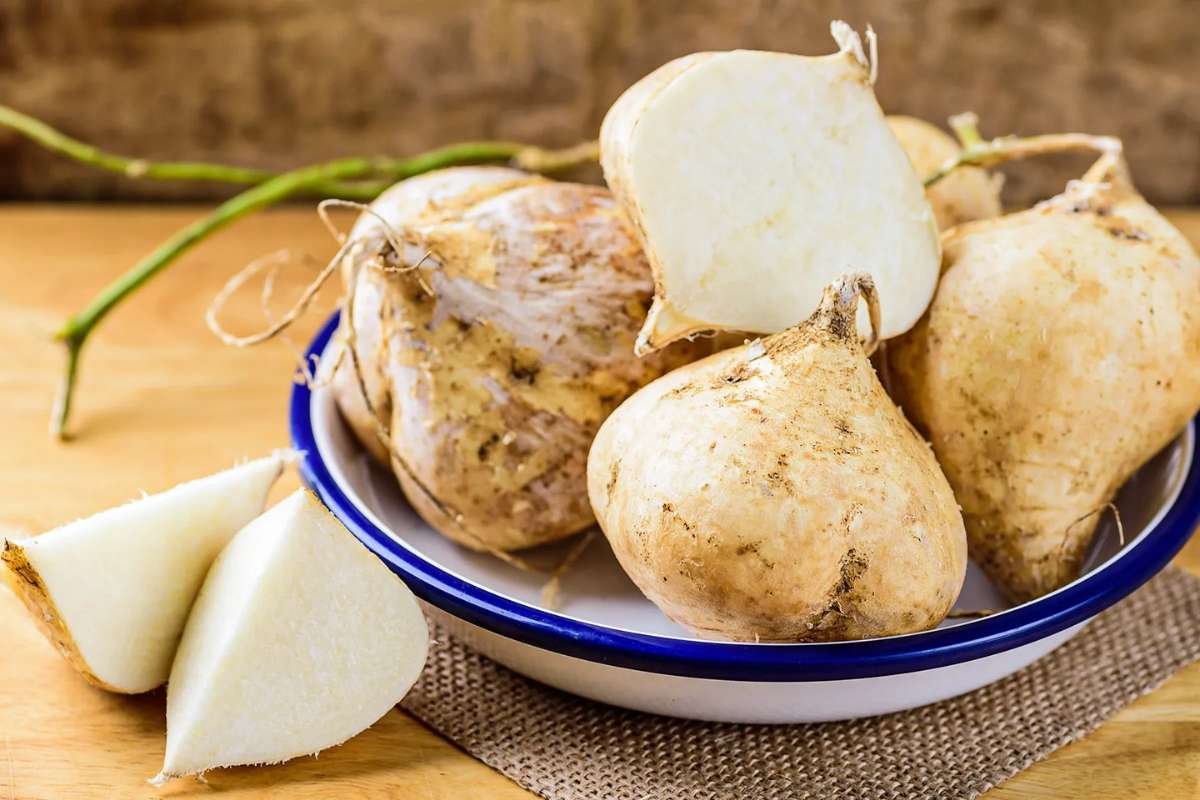
The Health and Nutrition Benefits of Jicama start with its impressive nutrition profile. Jicama, also called the Mexican yam bean, is a root vegetable known for its crunchy texture and slightly sweet taste. It is often eaten raw in salads, slaws, fruit bowls, or as a healthy snack.
Jicama is naturally low in calories and contains plenty of water, which makes it refreshing and filling. It also provides fiber and vitamin C, two nutrients many people need more of.
| Nutrient (Per 100g) | Amount |
| Calories | 38 |
| Water | 90% |
| Fiber | 4.9g |
| Vitamin C | 20.2mg |
| Protein | 0.7g |
One important fact many blogs miss is that only the root is safe to eat. The seeds, leaves, and pods contain natural toxins and should not be consumed.
Health and nutrition benefits of jicama for digestion and gut health
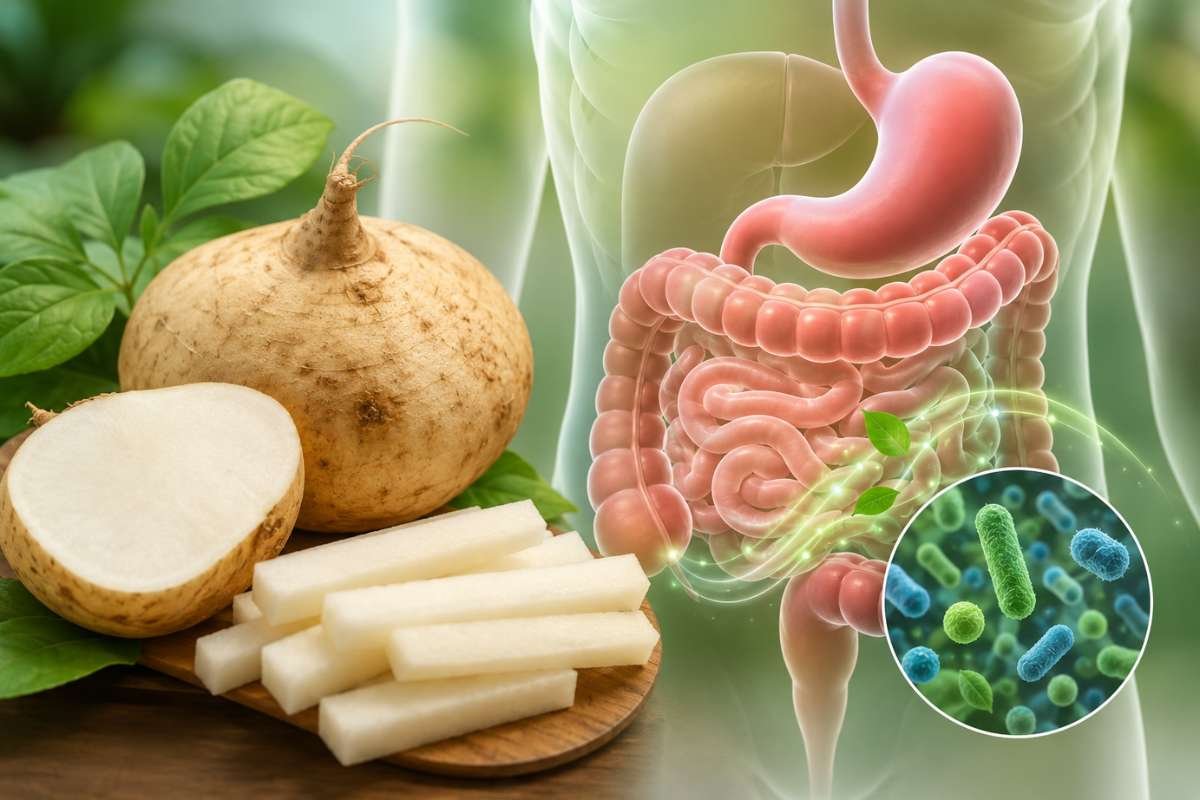
Jicama can be a smart choice for people who want better digestive health. It is rich in dietary fiber, which helps move food through the digestive system and supports regular bowel movements. Many adults do not get enough fiber each day, so adding foods like jicama can help close that gap.
One reason the Health and Nutrition Benefits of Jicama stand out is its natural inulin content. Inulin is a type of prebiotic fiber. While regular fiber mainly adds bulk to stool, prebiotics serve a different role. They act as food for the beneficial bacteria living in your gut.
Unlike many nutrients, inulin is not fully digested by the body. Instead, it reaches the large intestine, where it feeds helpful gut microbes. A healthy gut microbiome may support digestion, nutrient absorption, and overall wellness over time.
How jicama support immunity and everyday wellness?
Vitamin C is one of the key nutrients in jicama. It helps support the immune system, protects cells from oxidative stress, and plays a role in collagen production.
| Benefit | How Jicama Helps |
| Immune Support | Vitamin C helps support normal immune function. |
| Cell Protection | Antioxidants help protect cells from oxidative stress. |
| Skin Health | Vitamin C supports collagen production for healthy skin. |
| Tissue Repair | Collagen helps maintain blood vessels, bones, and tissues. |
Jicama is often eaten raw, which is another advantage. Vitamin C is sensitive to heat and can decrease during long cooking times. Since jicama is commonly enjoyed fresh, more of its nutrients remain available. This is one reason the Health and Nutrition Benefits of Jicama make it a valuable addition to a balanced diet.
Can jicama help with weight management and blood sugar control?
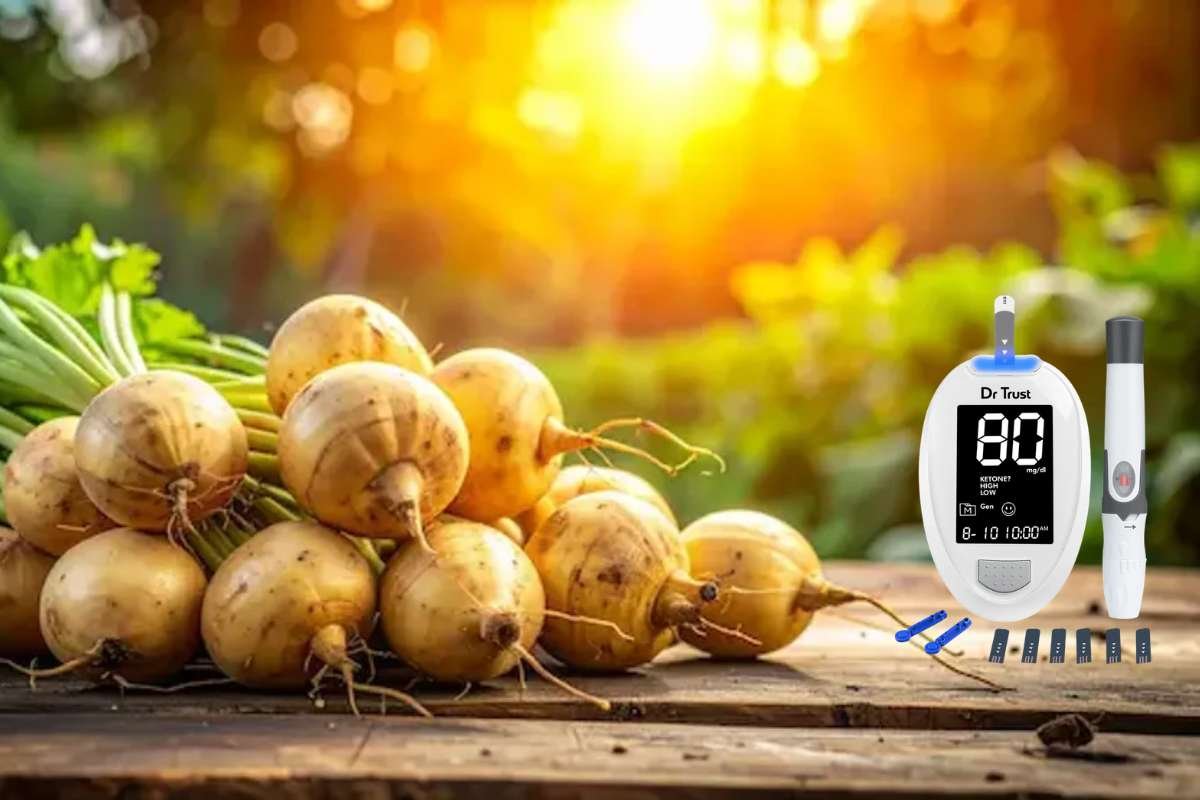
The Health and Nutrition Benefits of Jicama can be especially useful for people trying to manage their weight. Jicama is low in calories but high in water and fiber. This combination helps you feel full without adding many calories to your meal.
Compared to processed snacks such as chips, jicama provides more volume for fewer calories. A large serving can take up more space in the stomach, which may help reduce hunger between meals. Foods with high water content are often called “volume foods” because they help create fullness without a high calorie load.
| Feature | Jicama | Potato Chips |
| Water Content | Very High | Very Low |
| Fiber | Good Source | Usually Lower |
| Calories | Low | High |
| Feeling of Fullness | Higher | Often Short-Term |
Jicama also has a lower glycemic impact than many processed snacks, making it a smart, crunchy alternative for balanced eating.
Nutrients in jicama that support heart health
Jicama contains several nutrients that support heart health. Its fiber content may help maintain healthy cholesterol levels when combined with a balanced diet. Some of the fiber in jicama is soluble fiber, which can bind to cholesterol in the digestive system and help remove it from the body.
The Health and Nutrition Benefits of Jicama also include potassium, a mineral that helps regulate normal blood pressure. In addition, vitamin C provides antioxidant support that helps protect cells from oxidative stress.
| Nutrient | Heart Health Benefit |
| Fiber | Supports healthy cholesterol levels |
| Potassium | Helps regulate blood pressure |
| Vitamin C | Provides antioxidant protection |
These nutrients make jicama a useful part of a heart-friendly eating pattern.
Best ways to eat jicama and add it to your diet
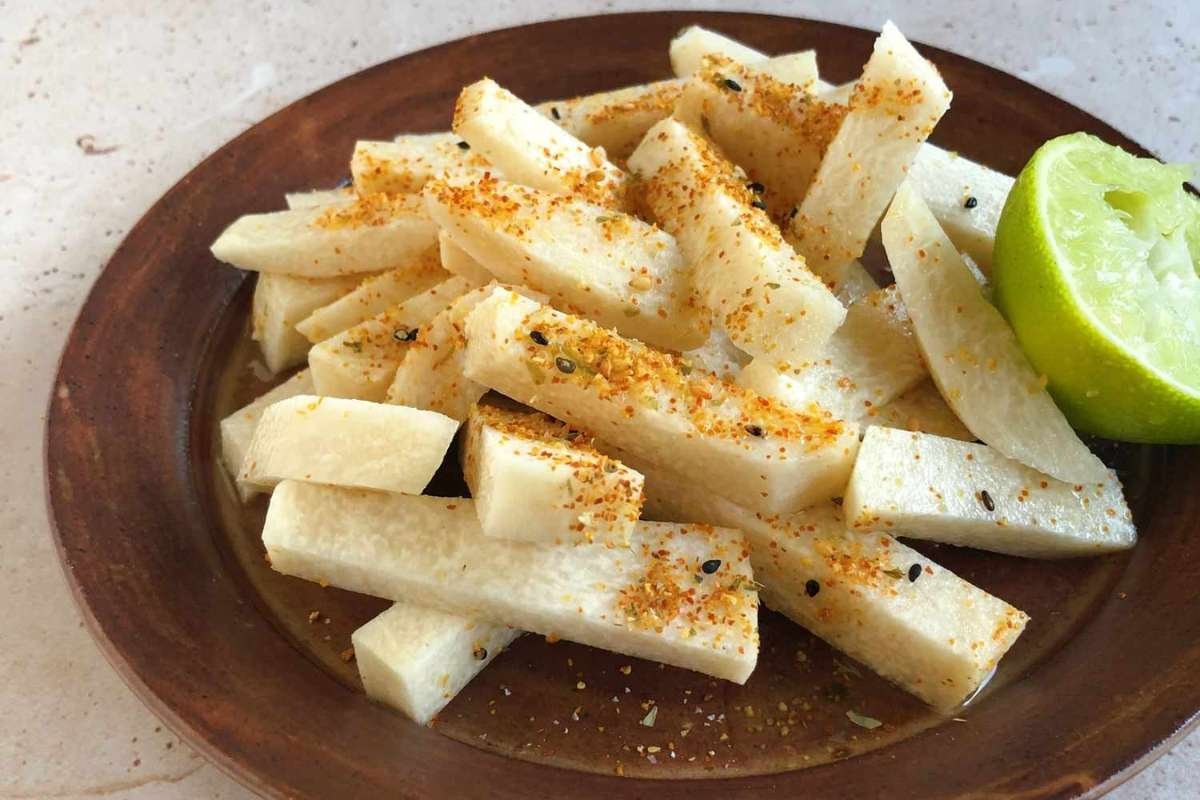
The Health and Nutrition Benefits of Jicama are easy to enjoy because it works well in many dishes. Try it in:
- Raw slices with lime and a pinch of seasoning
- Fresh salads for extra crunch
- Colorful vegetable slaws
- Vegetable stick platters with dip
- Fruit and vegetable bowls
- Light stir-fries
To keep cut jicama crisp, store it in a container of cold water in the refrigerator for a short period. This helps reduce moisture loss and maintain its crunchy texture.
Are there any risks or side effects of eating jicama?
Jicama is generally safe when only the root is eaten. The leaves, seeds, and pods contain natural toxins and should be avoided. If you are new to high-fiber foods, increase your intake slowly to prevent digestive discomfort. Store cut jicama in the refrigerator and consume it promptly to preserve the Health and Nutrition Benefits of Jicama.
Conclusion
Jicama offers several health benefits in one simple food. It supports digestion with fiber, provides vitamin C for immune health, helps with hydration, and contains nutrients that support heart health. It is also low in calories, making it a weight-friendly choice. The Health and Nutrition Benefits of Jicama make it an easy addition to a balanced diet. If you are trying it for the first time, start with fresh raw slices and a squeeze of lime.