Key Takeaway:
- In a lab study, mosquitoes learn to seek DEET with a blood meal and later move toward DEET-treated skin.
- Researchers say the findings suggest mosquitoes can smell DEET directly rather than simply having their senses blocked.
- Scientists still recommend DEET as an effective repellent, especially when used correctly according to product instructions.
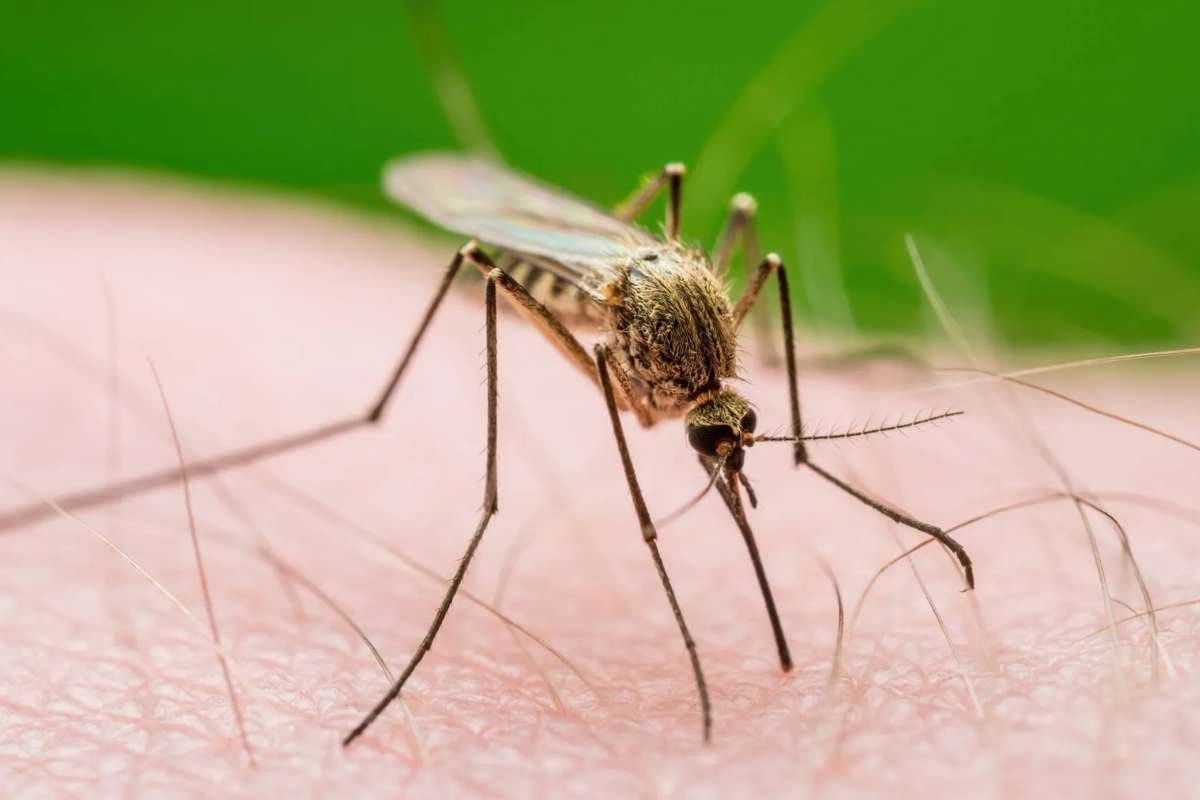
A new laboratory study suggests yellow fever mosquitoes can learn to associate the insect repellent DEET with a blood meal, potentially making the chemical attractive instead of repellent under certain conditions.
Researchers reported Wednesday in the Journal of Experimental Biology that Aedes aegypti mosquitoes exposed to DEET while feeding later attempted to bite hands treated with the repellent. The findings provide new clues about how mosquitoes detect and respond to DEET, though scientists caution that the results remain limited to laboratory conditions.
Researchers train mosquitoes to associate DEET with food
Scientists at Virginia Tech exposed mosquitoes to DEET while the insects fed on blood from an artificial feeder. The mosquitoes were housed in a chamber connected to two flasks, one containing clean air and the other containing DEET.
The insects were first fed while exposed only to clean air for 10 seconds. Researchers then introduced DEET during feeding sessions in an effort to train the mosquitoes to associate the smell with food.
To test the effect, trained and untrained mosquitoes were placed in narrow tubes. One untreated hand was positioned near one end, while another hand, sprayed with a DEET-containing repellent, was placed near the other.
Trained mosquitoes attempted to bite the DEET-treated hand, while untrained mosquitoes avoided it.
“The new results offer a clue that mosquitoes detect DEET,” said Clément Vinauger, a neuroethologist at Virginia Tech and one of the study’s authors. He said the findings also suggest mosquitoes learn to seek DEET and that mosquito behavior can change based on prior experiences.
Scientists debate what findings mean outside the lab
DEET has long been considered one of the most effective insect repellents, but scientists still debate exactly how it works. Some studies suggest mosquitoes dislike the smell or taste, while others indicate the chemical interferes with the insects’ ability to sense human odors.
Anandasankar Ray, a neuroscientist at the University of California, Riverside, who was not involved in the study, said the research indicates mosquitoes can smell DEET directly.
“And they can be trained to be attracted to it by offering a reward with it,” Ray said.
Still, Ray cautioned that the experiments did not allow mosquitoes to land on treated skin. He noted mosquitoes also detect chemicals through sensors on their legs, meaning DEET may still repel them once contact occurs.
“You’d be getting the smell of DEET being paired with a bitter touch contact,” Ray said. “It would be a punishment for them rather than a reward.”
Researchers still recommend DEET for protection
Vinauger said mosquitoes could potentially mosquitoes learn to seek DEET with food after the chemical’s strongest effects wear off, such as hours after application. In that situation, traces of DEET may remain on skin while mosquitoes still manage to feed.
If mosquitoes successfully obtain blood while smelling DEET, they may begin linking the odor with a meal, he said.
Despite the findings, researchers stressed that the study does not suggest people should stop using DEET-based repellents.
“It’s still the gold standard in terms of protection,” Vinauger said.
He also advised consumers to follow instructions on repellent products carefully because formulations and concentrations vary among manufacturers.
“Flipping that bottle and reading the label is important,” he said.