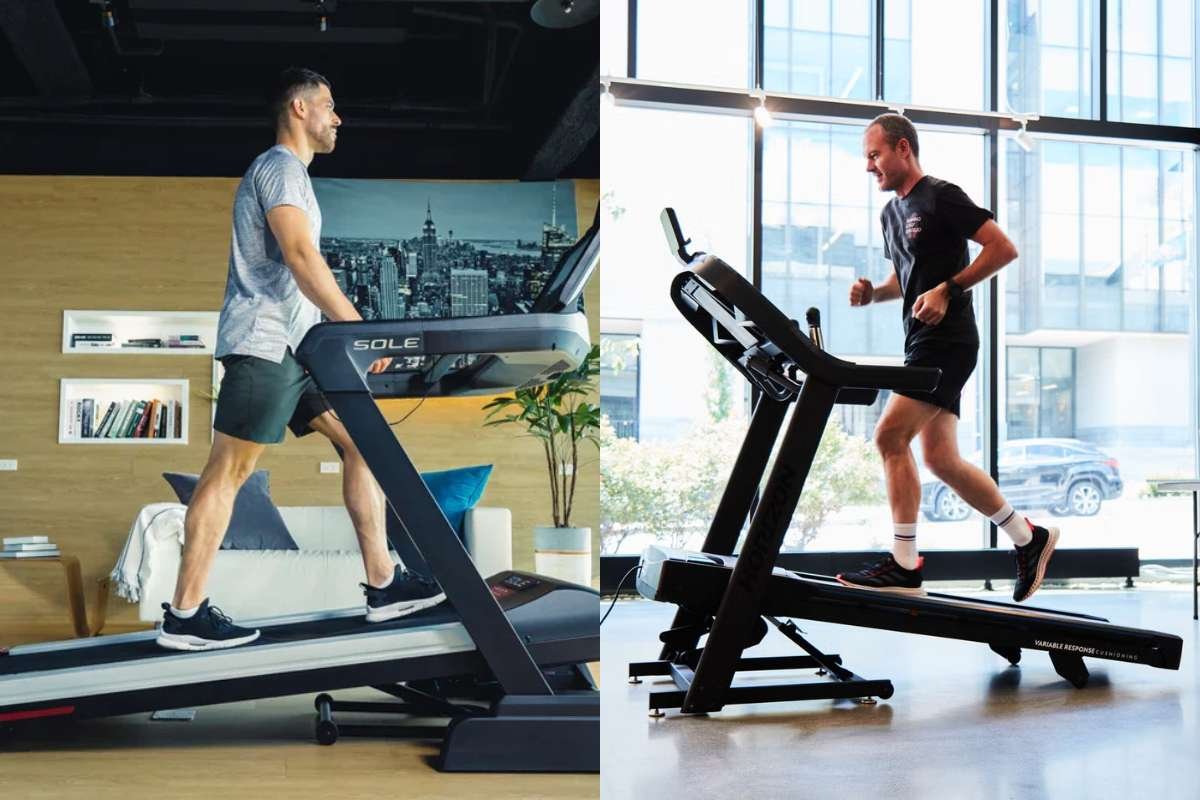
Cardio does not have to feel complicated. Two popular options are incline walking and running. Both can help improve heart health, burn calories, and support weight loss, but they work in different ways.
Running is faster and more intense. Incline walking is slower, but the uphill challenge makes your muscles work harder. Many people now prefer it because it feels easier on the knees while still giving a strong workout.
When comparing Incline Walking vs Running, the better choice depends on your goals, fitness level, and recovery needs.
What happens to your body during incline walking?
Walking uphill makes your body work harder than normal walking. Even at a slower speed, your heart rate goes up because your muscles must push against gravity. Your legs, glutes, calves, and core all work harder with each step.
Incline walking vs. running is often discussed because incline walking can still feel challenging while putting less stress on the joints.
Incline walking may help:
- Burn more calories than flat walking
- Build lower body strength
- Improve stamina
- Reduce pressure on knees and ankles
- Support longer workouts with less fatigue
Many people also follow the popular 12-3-30 treadmill workout, which uses a steep incline and steady pace for cardio and endurance.
How running changes your fitness faster?

Running makes the body work harder in less time. Your heart beats faster, your lungs take in more air, and your muscles create more force with every step. Since running uses more energy, it also burns calories faster than walking.
In Incline Walking vs Running comparisons, running often stands out for people who want quicker fitness gains.
Running may help:
- Improve endurance faster
- Burn more calories in shorter workouts
- Strengthen bones
- Improve athletic performance
- Increase speed and stamina
Still, running puts more pressure on the knees, hips, and ankles. That is why good form, proper shoes, and enough recovery are important.
Calories burned: which workout wins?
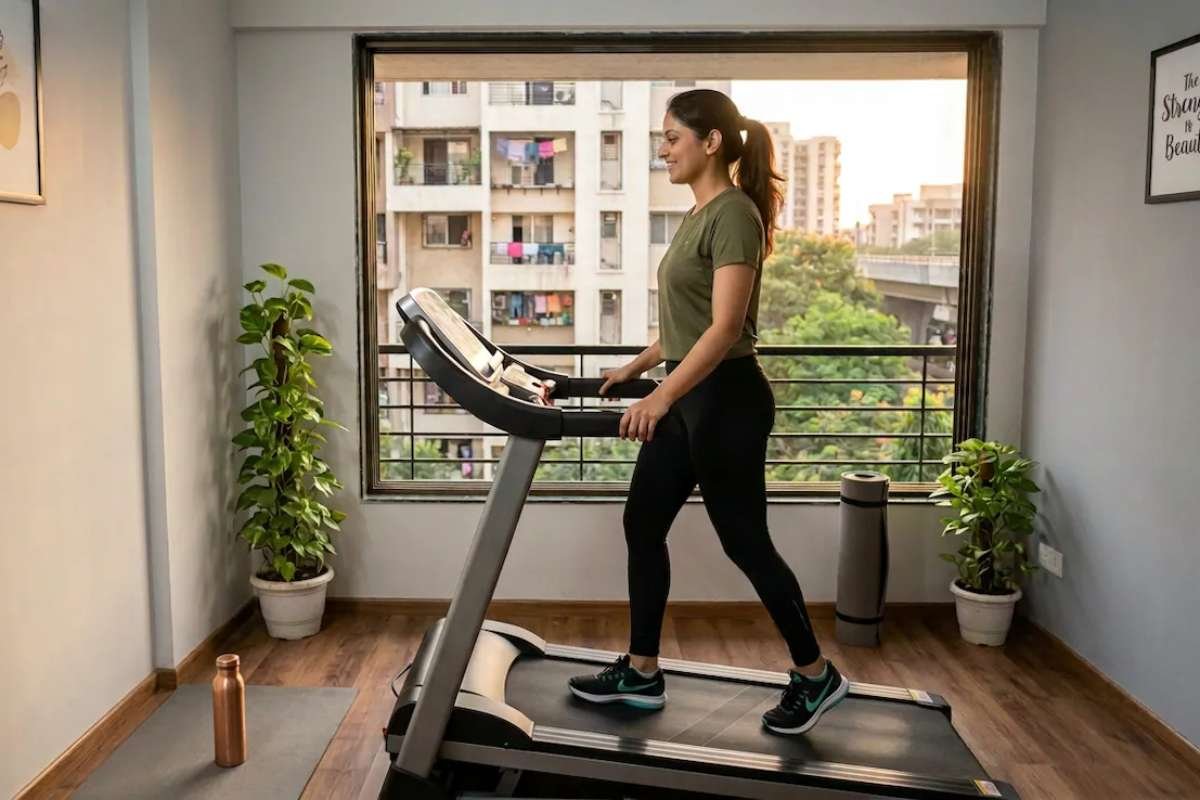
Running usually burns more calories in less time. Since the body works harder and moves faster, energy use goes up quickly. Still, incline walking can come surprisingly close, especially with a steeper incline.
Here is a simple estimate for a person around 150 pounds:
| Activity | Time | Estimated Calories Burned |
| Incline walking | 30 minutes | 200 to 350 |
| Running | 30 minutes | 300 to 500 |
When discussing Incline Walking vs Running, consistency matters just as much as calorie burn. Some people can walk uphill for much longer without feeling overly tired, while running at high intensity may feel harder to maintain over time.
Which one is better for weight loss?
Both workouts can help with fat loss. The main goal for weight loss is to burn more calories than you eat. That is why the best workout is often the one you can stick with week after week.
In Incline Walking vs Running, running usually burns calories faster, which can help people who have less time to exercise. Incline walking, however, may feel easier on the body and simpler to recover from, making it easier to do regularly.
For many people:
- Running works well for faster calorie burn
- Incline walking supports long-term consistency
- A mix of both can give balanced results
Joint impact and injury risk
One of the biggest differences between these workouts is the impact on the body. Running creates more force because both feet leave the ground and land again with every step. That pressure travels through the knees, ankles, and hips.
In Incline Walking vs Running, incline walking is often seen as the lower-impact option because one foot stays on the ground at all times.
Incline walking may work well for:
- Beginners
- Older adults
- People recovering from injury
- Anyone with knee discomfort
- People carrying extra body weight
Still, walking on a steep incline with poor posture can strain the calves and lower back. Good shoes and proper form are important for both workouts.
Muscle groups worked
Both workouts train the lower body, but they target muscles in slightly different ways.
Incline walking mainly works:
- Glutes
- Hamstrings
- Calves
Running places more focus on:
- Quads
- Calves
- Core
- Hip muscles
When comparing incline walking vs. running, incline walking often creates more muscle tension in the glutes and calves because the body keeps pushing uphill. Running, on the other hand, usually helps more with speed, power, and explosive movement. Both workouts can improve strength and endurance when done regularly.
Which workout is better for beginners?

Incline walking is usually easier for beginners because it feels more controlled and has lower impact. It allows people to build fitness slowly without placing too much stress on the body.
In Incline Walking vs Running, beginners often find incline walking easier to stick with at the start.
It may help people:
- Control speed
- Reduce joint stress
- Build endurance slowly
- Recover faster
A simple beginner plan could look like this:
- Week 1 to 2: Flat walking
- Week 3 to 4: Add a small incline
- Week 5 onward: Mix incline walking with short running intervals
This gradual approach helps the body adjust more safely.
Can you combine both?
Yes. Many fitness trainers recommend combining both workouts instead of choosing only one. This can help create a more balanced routine while reducing stress on the body.
When looking at Incline Walking vs Running, using both together may help:
- Reduce boredom
- Lower injury risk
- Improve endurance
- Burn more calories
- Train different muscles
A simple weekly plan could include:
| Weekly Plan | Monday | Tuesday | Wednesday | Thursday | Friday | Saturday | Sunday |
| Workout Type | Incline walking | Running | Recovery day | Incline walking | Strength workout | Running | Recovery day |
This balance can improve fitness while giving the joints enough time to recover.
Common mistakes to avoid

Going too hard too fast
Adding steep inclines or long runs too quickly can increase the risk of soreness and injury.
Holding the treadmill handles
This reduces workout intensity and can affect posture during incline walking.
Ignoring recovery
Muscles need time to rest and recover after workouts.
Wearing poor shoes
Good shoes help support the feet, knees, and ankles during both workouts.
Focusing only on calories
In Incline Walking vs Running, fitness is not only about calorie burn. Heart health, strength, energy, and consistency also matter.
Final thoughts
There is no single winner when it comes to Incline Walking vs Running. Both workouts can improve fitness, support weight loss, and help build endurance.
Running is faster and usually burns more calories in less time. Incline walking is lower impact, easier on the joints, and often simpler to recover from.
For many people, the best option is the one they can do consistently without pain or burnout. Some days that may mean a hard run. On other days, it may mean a steady incline walk on the treadmill.
What matters most is staying active regularly and choosing a routine that fits your body and lifestyle.