Key Takeaway:
- U.S. cancer centers are rapidly enrolling patients in early access to daraxonrasib after trials showed it doubled survival in advanced pancreatic cancer.
- High patient demand is creating logistical and regulatory challenges for hospitals and the FDA.
- Experts call the drug a major breakthrough, though approval timelines remain uncertain.
U.S. cancer centers are rapidly enrolling patients in an FDA-authorized early access program for Revolution Medicines’ experimental pancreatic cancer drug after clinical trial results showed the pill doubled survival for advanced-stage patients.
Clinics Race to Launch Early Access Program
Cancer centers across the United States are working to enroll eligible patients in an expanded access program for daraxonrasib, an experimental pancreatic cancer treatment developed by Revolution Medicines.
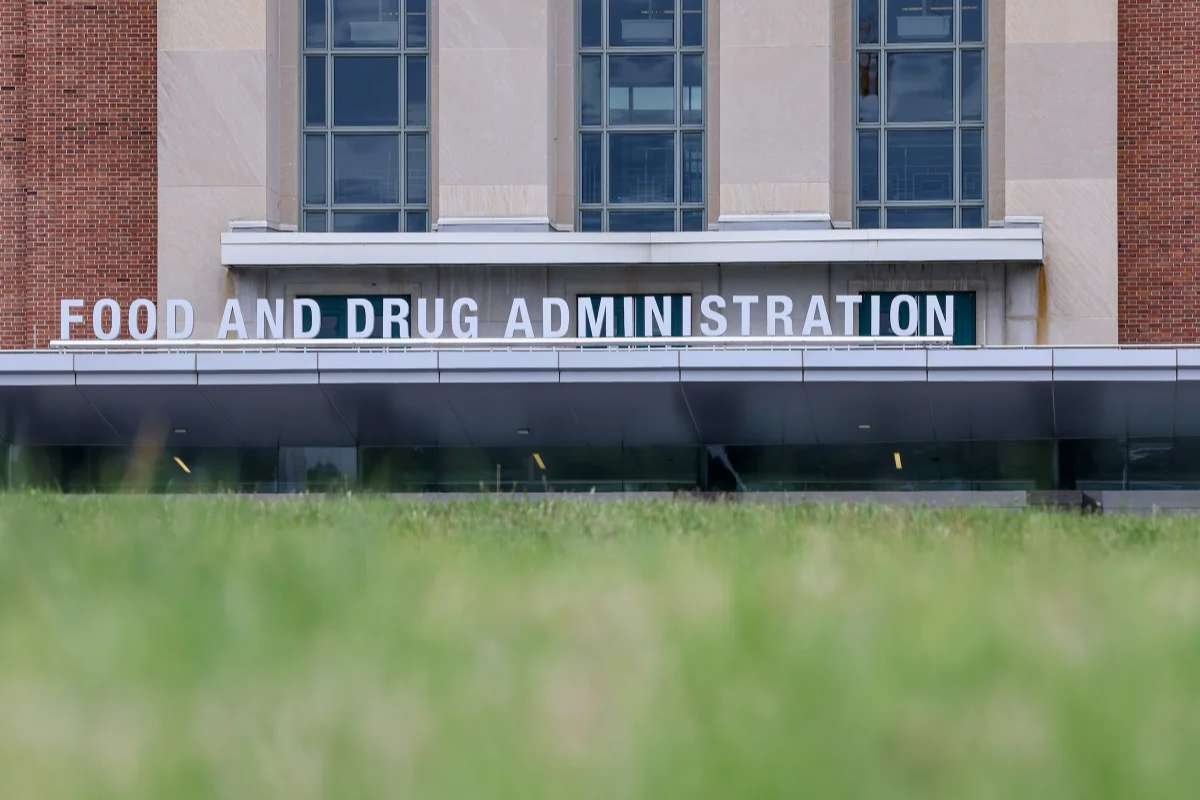
The U.S. Food and Drug Administration approved the early access program on May 1, less than three weeks after trial data showed the once-daily drug significantly improved survival among patients with advanced pancreatic cancer.
Physicians say interest surged immediately after the announcement.
“The public caught wind of the FDA announcement, which has triggered a deluge of patient requests,” said Dr. Daniel King, a medical oncologist at the Zuckerberg Cancer Center of Northwell Health.
King said hospitals are now creating new protocols to provide treatment access while awaiting potential FDA approval. Oncologists warn that launching the program requires additional staffing, regulatory approvals, and coordination beyond routine clinical operations.
Revolution Medicines requested permission to provide the drug free of charge to patients whose cancer has spread after prior treatment. The Redwood City, California-based company said demand has already exceeded expectations.
“We are actively supporting physicians through this process with safe, compliant, and rapid patient access as our top priority,” the company said in a statement. Requests must be initiated by licensed physicians and reviewed by institutional oversight boards.
Trial Results Spark Breakthrough Optimism
Daraxonrasib targets a genetic mutation present in about 90% of pancreatic cancers, one of the deadliest malignancies, with among the lowest five-year survival rates.
Clinical trial data showed median survival increased to 13.2 months for patients taking the drug, compared with 6.7 months for those receiving chemotherapy.
“Doubling survival compared to best available chemotherapy is a big deal,” said Dr. Gulam Manji, co-director of the pancreas center at Columbia/New York-Presbyterian. “It is not a cure, but this drug is a breakthrough we can build on.”
Public attention intensified after former Nebraska U.S. Sen. Ben Sasse disclosed on the CBS program “60 Minutes” that he has Stage 4 pancreatic cancer and is taking the experimental treatment.
Manji said patient demand is unprecedented. In a decade of practice, he had sought compassionate use access only once before. Recently, seven patients asked about the drug during a single clinic day.
Regulatory Hurdles Slow Patient Enrollment
Despite growing optimism, oncologists say accessing daraxonrasib is complex. Physicians must submit individual patient requests to Revolution Medicines, which are then reviewed and forwarded to the FDA for authorization.
“Patients are already aware of the press release and are already calling,” said Dr. Vincent Chung, a pancreatic cancer specialist at City of Hope. “The challenge now is how to proceed.”
Each case requires review by hospital monitoring boards, and specialists warn that the volume of applications could strain regulators. Chung said the FDA may consider a broader enrollment framework if requests increase sharply.
Doctors expect participating centers to report serious side effects, but may not need to collect extensive clinical data during expanded access treatment.
The experimental therapy was among the first accepted into the FDA’s expedited review pathway last year. Revolution Medicines CEO Mark Goldsmith said the company is making a “full-throttle effort” toward submitting a complete approval application, but did not provide a timeline.
According to the American Cancer Society, about 67,000 Americans will be diagnosed with pancreatic cancer this year, and roughly 53,000 are expected to die from the disease.
“We are doing this as a service to our patients,” Chung said. “I’m hoping the FDA reviews the data and approval comes much sooner than is typical.