Key Takeaway:
- Five California residents are exposed to the Andes strain of hantavirus linked to a cruise ship outbreak that killed three passengers in the Andes Hantavirus Outbreak
- All exposed individuals remain asymptomatic but are under monitoring or quarantine across the U.S. and abroad.
- Officials warn the virus has up to a six-week incubation period, requiring ongoing international tracking and vigilance.
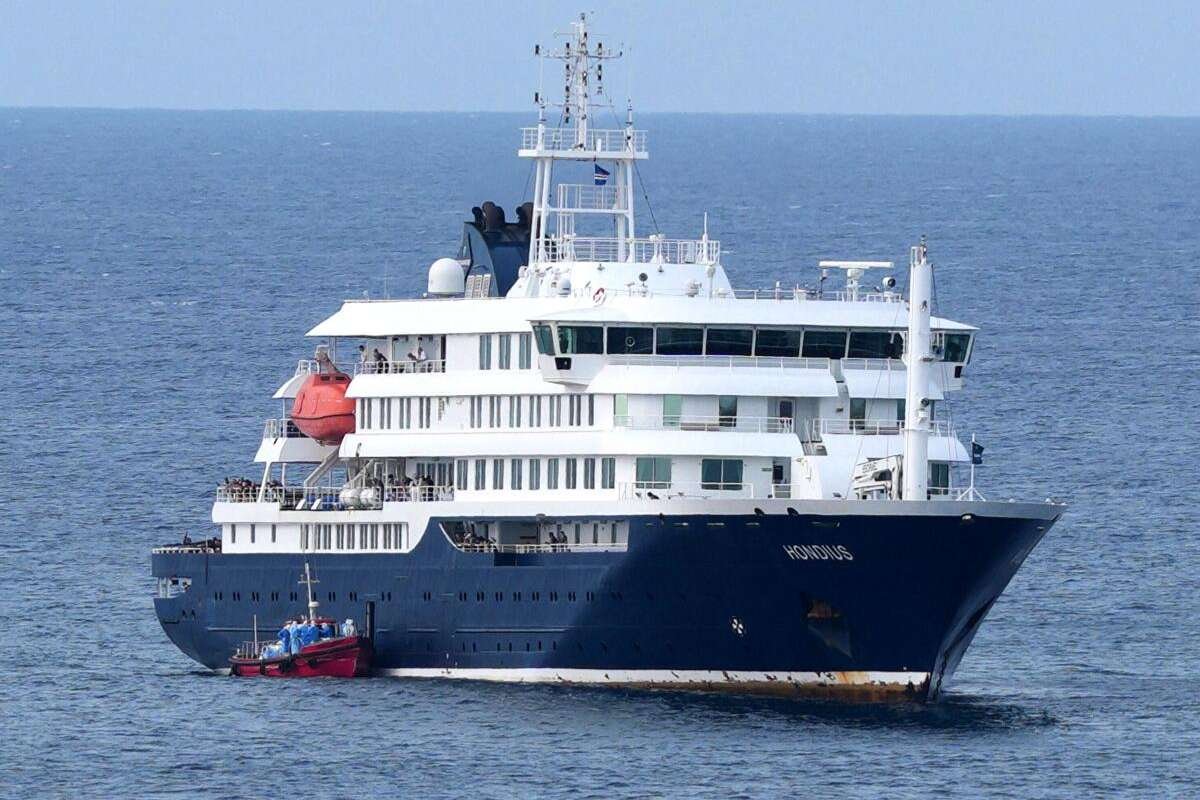
California health officials say a fifth resident is exposed to the deadly Andes strain of hantavirus linked to a Dutch cruise ship outbreak that killed three passengers, with authorities monitoring contacts across multiple countries.
Officials Confirm New Exposure Linked To Cruise Ship Outbreak
California health officials announced on Wednesday that another state resident is exposed to hantavirus following an outbreak aboard the Dutch cruise ship MV Hondius, bringing the total number of exposed Californians to five.
All five individuals remain asymptomatic, according to the California Department of Public Health. Officials say the newly identified passenger left the ship before the outbreak was recognized, briefly returned to California, and later traveled overseas.
The person is currently in the Pitcairn Islands, a remote British Overseas Territory in the South Pacific. Health monitoring is underway through coordination between the Centers for Disease Control and Prevention and British health authorities.
State officials say there is no evidence of community transmission in California at this time.
“We are actively monitoring all identified contacts and coordinating internationally to reduce any potential risk,” a California Department of Public Health spokesperson says in a statement.
Patients Monitored Across States And International Locations
Two exposed Californians remain under quarantine at the University of Nebraska Medical Center in Omaha, a federal quarantine facility equipped to handle high-risk infectious diseases.
The remaining two individuals are located in Santa Clara and Sacramento counties and are working with local public health officials while undergoing symptom monitoring.
Health authorities emphasize that none of the exposed residents show signs of illness so far. However, officials continue to take precautions because hantavirus infections can take weeks to appear.
The World Health Organization reports 11 confirmed cases of the Andes strain among passengers aboard the cruise ship. Three infected passengers die during the voyage.
The ship departed Argentina on April 1 for a Pacific expedition. The first deaths occurred on April 11, but officials did not formally identify the Andes Hantavirus Outbreak until May 2.
Experts Warn Of Serious Risk From Rare Andes Virus
Hantavirus typically spreads to humans through inhalation of particles contaminated by rodent urine, feces, or saliva. The Andes strain is unusual because it can spread from person to person.
The virus can cause Hantavirus Pulmonary Syndrome, a severe respiratory illness that attacks the lungs and carries a fatality rate approaching 40%, according to the CDC.
Public health experts say the incubation period, the time between exposure and symptoms, can last up to six weeks, complicating containment efforts.
“The long incubation period means patients may travel widely before symptoms appear,” says an infectious disease specialist involved in federal monitoring efforts. “That makes early identification and tracking essential.”
Officials continue to track passengers and contacts worldwide while urging travelers who were aboard the cruise to report symptoms such as fever, fatigue, or breathing difficulty immediately.
Authorities say the risk to the general public remains low, but stress continued vigilance as monitoring continues across several countries during the Andes Hantavirus Outbreak.