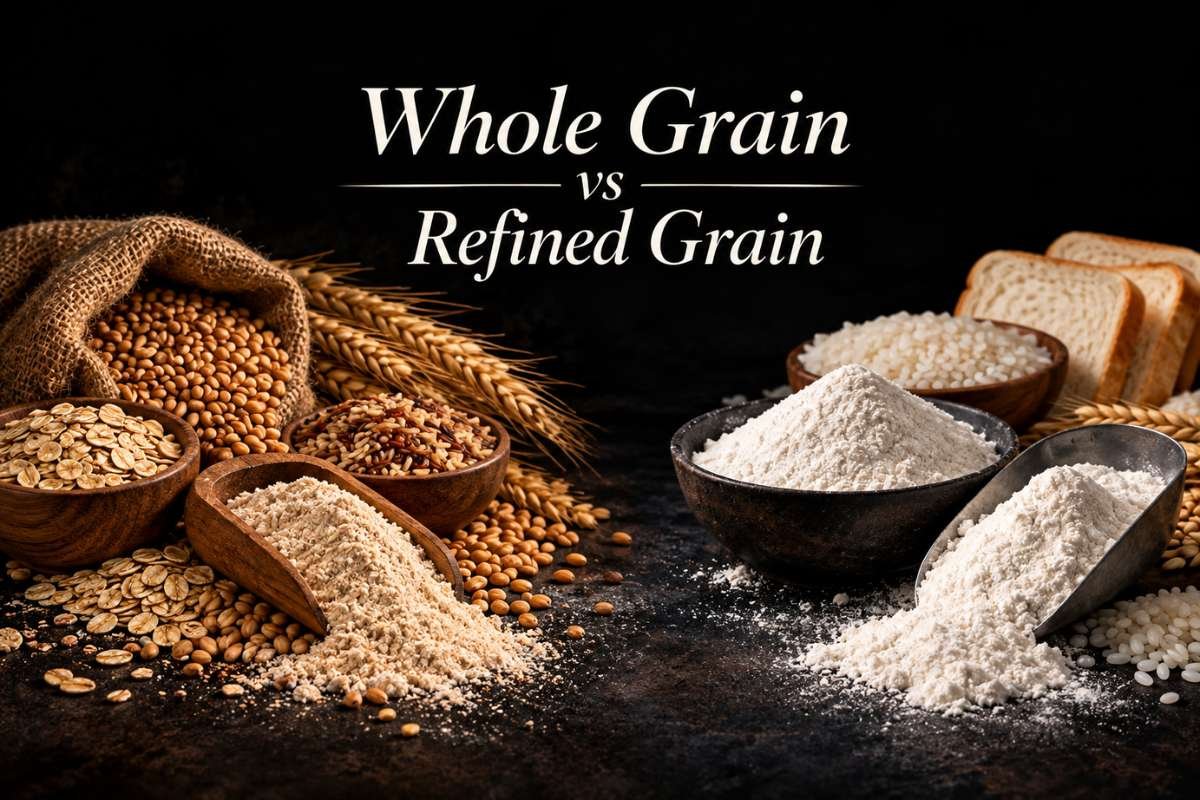
Key Takeaway:
- High-quality plant-based diets rich in whole grains, fruits, and vegetables are linked to lower dementia risk.
- Plant-based diets high in added sugars and refined grains may increase dementia risk.
- Improving diet quality later in life may still help reduce Alzheimer’s and dementia risk.
A large U.S. study finds that people who follow a high-quality plant-based diet rich in whole grains, fruits, and vegetables face a lower risk of Alzheimer’s disease and related dementias compared with those consuming less healthy plant foods.
Study Links Diet Quality to Dementia Risk
Researchers report that adherence to a nutritious plant-based diet is associated with reduced risk of Alzheimer’s disease and related dementias, while diets high in refined carbohydrates and added sugars may increase risk.
The findings come from a multiethnic cohort study involving nearly 93,000 adults in Hawaii and California, followed for an average of 11 years. Participants, whose average age was 59 at enrollment, included African American, Japanese American, Latino, Native Hawaiian, and White individuals.
The study identified almost 21,500 dementia cases using Medicare Fee-for-Service claims data. Researchers evaluated dietary patterns using three plant-based diet scores measuring overall intake, healthful plant foods, and less healthy plant foods.
Participants with the highest adherence to an overall plant-based diet showed a 12% lower dementia risk compared with those in the lowest group. Those consuming the healthiest plant-based diets experienced a 7% lower risk.
“Our findings highlight that it is important not only to follow a plant-based diet, but also to ensure that the diet is of high quality,” lead investigator Song-Yi Park, PhD, of the University of Hawaii Cancer Center, said in a news release.
Unhealthy Plant Foods Show Increased Risk
Researchers found that plant-based diets emphasizing refined grains, potatoes, and added sugars were associated with higher dementia risk. Individuals consuming the most unhealthful plant-based diets showed a 6% increased risk compared with those consuming the least.
Diet changes over time also mattered. A large decrease in healthy plant food intake increased dementia risk by 17%, while a large increase in unhealthy plant foods raised risk by 25%.
Conversely, participants who substantially reduced unhealthy plant-based foods experienced an 11% lower dementia risk.
Among individual food components, higher consumption of added sugars was linked to a 12% increase in dementia risk. Researchers also observed a higher risk among participants who significantly reduced egg consumption, though the study did not examine specific causes.
“We found that adopting a plant-based diet, even starting at an older age, and refraining from low-quality plant-based diets were associated with a lower risk of Alzheimer’s and other dementias,” Park said.
Findings Consistent Across Populations
The study found similar associations across age groups, racial and ethnic populations, and genetic risk categories, including individuals carrying the APOE epsilon 4 gene variant linked to Alzheimer’s disease.
Researchers noted that vegetarian and vegan diets were not specifically analyzed. Instead, the study compared degrees of plant-food consumption and diet quality among participants.
The research, published April 8 in the journal Neurology, adds to growing evidence that diet quality may influence brain health and dementia risk.
However, investigators cautioned that limitations exist. Dementia diagnoses relied on Medicare claims data, which may not capture all cases accurately. Dietary intake was also self-reported through food frequency questionnaires, making recall errors possible.
Despite these limitations, researchers said the large, diverse population and long follow-up strengthen confidence in the results.
Experts say the findings reinforce broader public health advice encouraging whole foods, reduced sugar intake, and balanced nutrition to support long-term cognitive health.