Your fridge is a stage and all the foods are actors. Some are fresh heroes like apples and eggs. Others are the processed sidekicks that show up looking simple but might surprise you with hidden drama. You stand there, coffee in hand, and wonder,
“Wait, what exactly am I feeding my family?”
That’s when you ask the big question: What are processed foods, and why do they matter so much?
This article is your friendly guide. No judging. No food shaming. Just honest, clear talk. Let’s get going, laughter and learning both included.
What Are Processed Foods in Everyday Life?
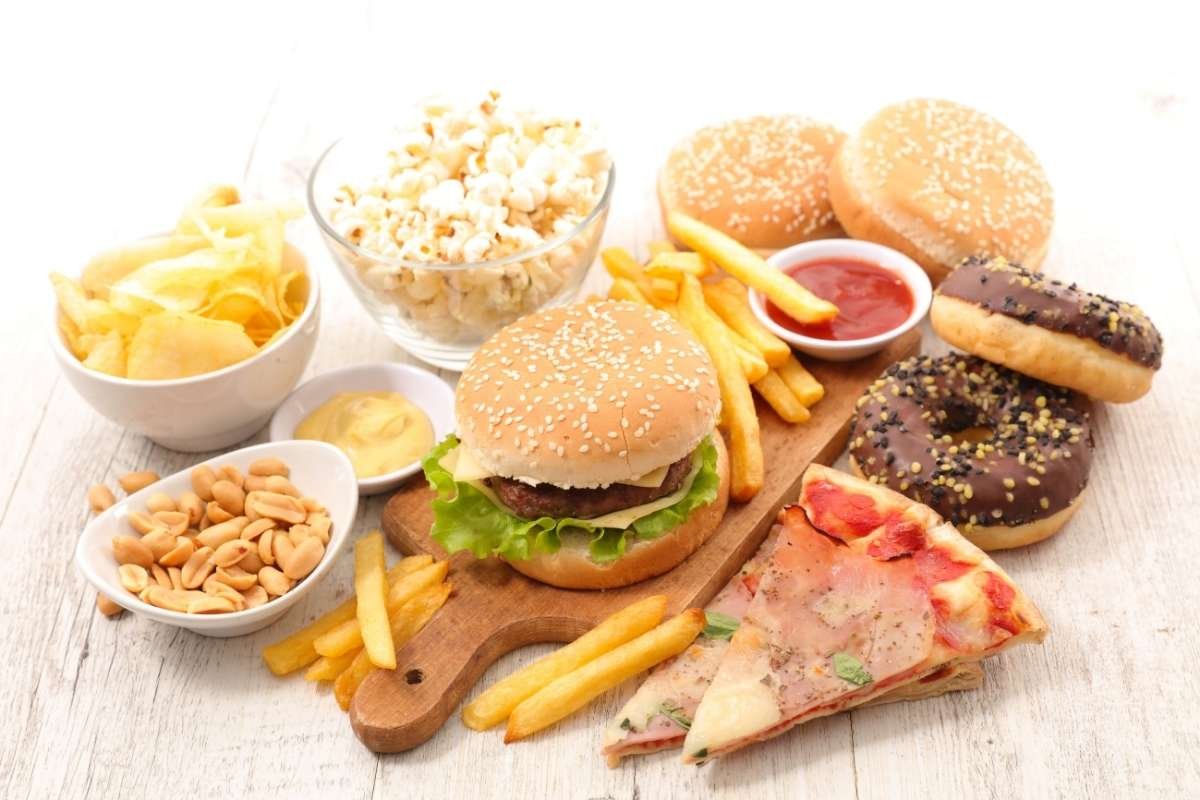
At the most basic level, what are processed foods? These are foods that humans have changed from their fresh form in some way before we eat them. Processing can be small, like washing and cutting vegetables. It can also be big, like turning grains and oils into a snack chip that sits on a shelf for months.
In other words, if the food you buy looks different from when it was just picked or butchered, it has likely been processed. The key is how much it has changed and what was added or taken away.
Here are clear examples to help:
- Fresh vegetables and fruits that are washed and cut are technically processed, but very lightly.
- Canned beans are processed. They are cooked and sealed, so they last longer.
- Packaged bread is processed. The flour, salt, sugar, and preservatives change it from wheat in the field.
- Instant noodles are more heavily processed. They are dried, flavored, and packed to cook quickly.
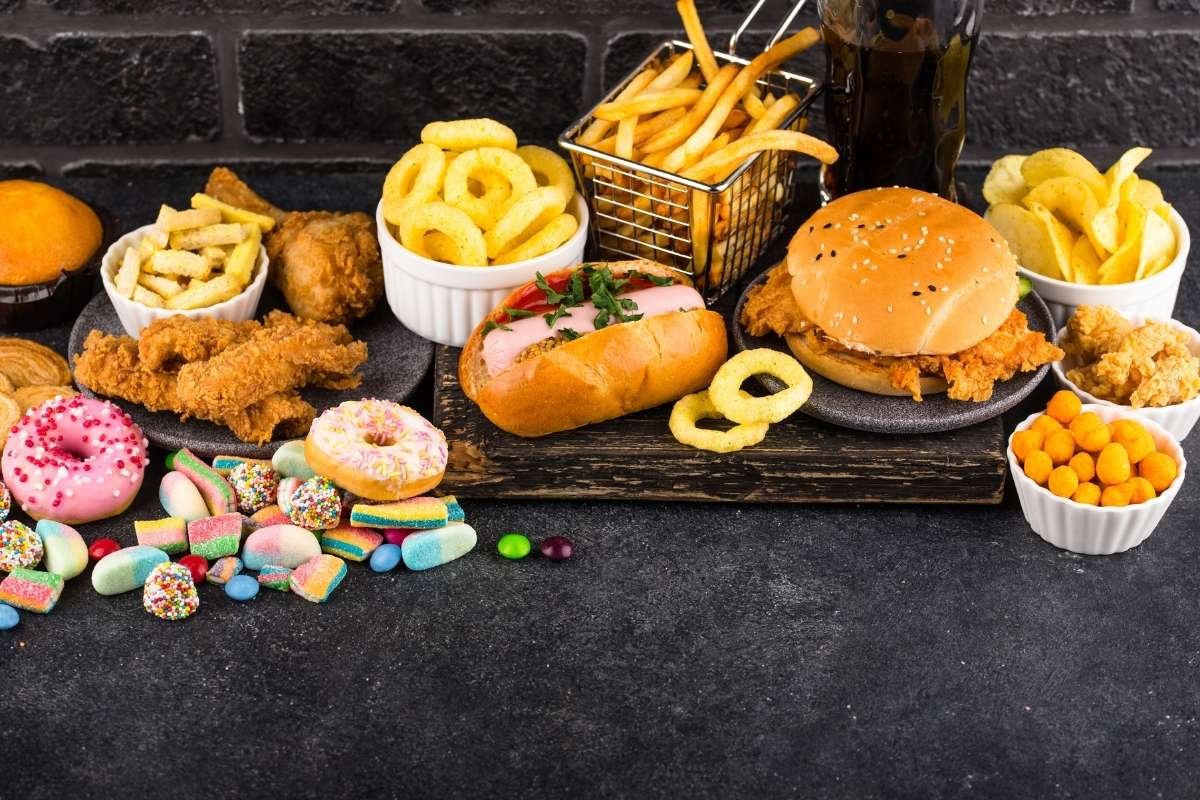
- Soda and candy bars are highly processed because they contain many added ingredients like sugar, oils, and artificial flavors.
So, what are processed foods in a phrase? Are there any foods that have been changed after harvest or slaughter, even if the change is small?
Why Foods Get Processed?
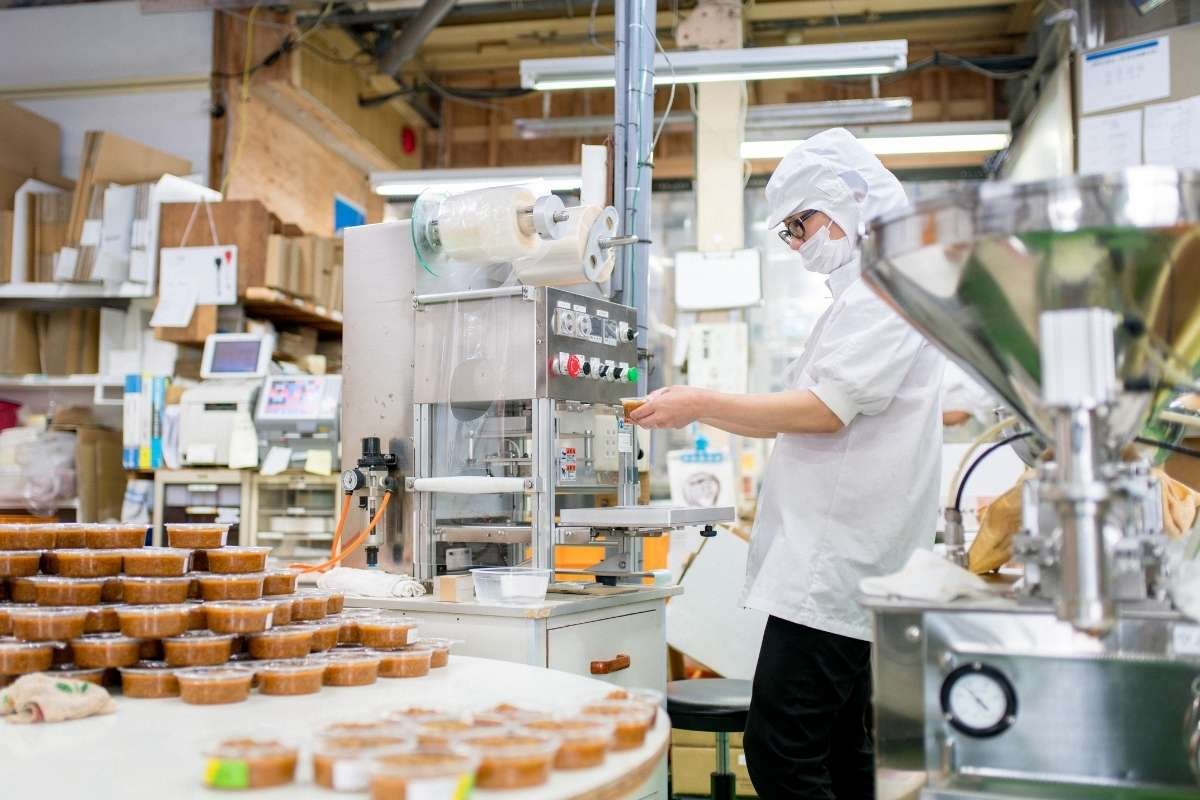
People process food for many reasons, some good, some not so good:
- Safety: Cooking, canning, and freezing kill bacteria and keep food safe longer.
- Taste: Salt, sugar, and flavorings make foods taste the way we enjoy.
- Convenience: Ready‑to‑eat meals or pre‑cut veggies save time.
- Cost: Food with added fillers or preservatives often costs less to make.
But sometimes the processing adds too much salt, sugar, or unhealthy fats. That can affect your health if eaten in large amounts.
How to Spot Processed Foods?
A quick trick: Read the label. If the ingredient list has many words you don’t recognize or can’t pronounce, it’s probably more heavily processed.
Here’s a simple rule:
Fewer real ingredients = less processing.
Examples:
- Whole apple – no processing needed.
- Bagged salad with only greens – light processing.
- Frozen dinner with 15 ingredients, including additives – heavy processing.
Now you know not just what are processed foods, but how to see them on the shelf.
Facts:
Here are reliable facts backed by science:
- Many processed foods can be high in added sugars and salt.
- Highly processed foods may contribute to weight gain and heart issues.
- Processing can increase shelf life, reducing food waste.
These facts help you understand both the helpful side and the risky side of processed foods in your diet.
Read More:
Why Processed Meat is Bad: Understanding the Health Risks
Raw Food vs Cooked Food: The Shocking Truth No One Talks About!
Everyday Tips to Choose Better Processed Foods
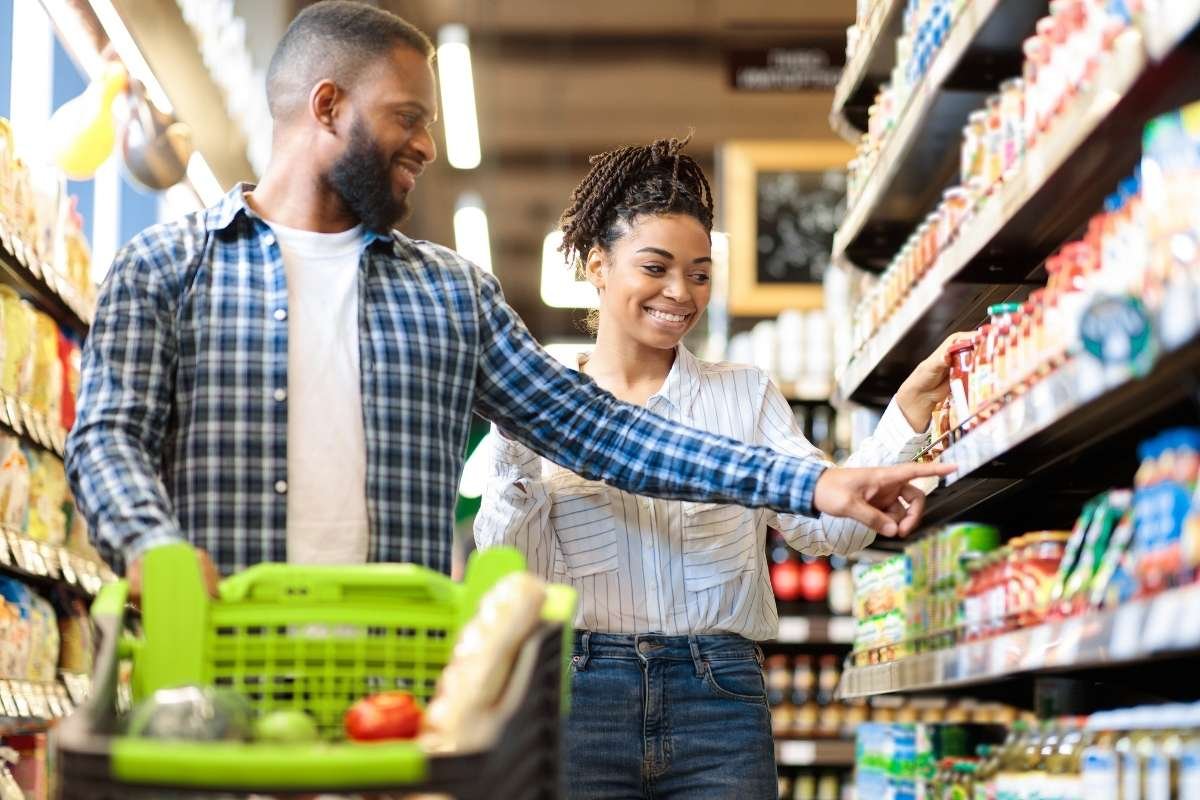
You don’t have to avoid all processed foods. Some are helpful and healthy. Here’s how to choose wisely:
- Pick plain yogurt instead of flavored yogurt with added sugar.
- Choose whole-grain bread with few ingredients.
- Keep frozen vegetables on hand; they are nutritious and last longer.
- Drink sparkling water instead of soda for flavor without added sugar.
These small swaps make a big difference over time.
Conclusion:
Remember that stage in your fridge? Now you know your actors better. Some are stars, others are comic relief, and a few are just trying to survive till Monday. You now understand what are processed foods in a simple way that sticks with you.
Think of your meals as stories. You get to be the author. Choose scenes that make you feel good. Add flavor that helps your body smile. And yes, enjoy that occasional snack without guilt; life is delicious.
Use what you learned here today and make choices that energize you. Your body, mind, and taste buds will thank you. Go ahead, read labels, think before you eat, and celebrate good food every day. You’ve got this!