Key Points:
- Immune system aging can be reversed by restoring platelet factor 4, rejuvenating blood stem cells.
- Aging shifts stem cells to produce fewer lymphoid cells, weakening immunity.
- Platelet factor 4 infusions in older mice and human cells restore youthful blood and immune function.
Scientists at the University of Illinois Chicago report that restoring a declining blood protein rejuvenates aging immune stem cells, reversing key age-related changes in mice and human cells and offering a potential path to treat immune system aging.
Researchers say a single protein circulating in the blood may help explain why immune systems weaken with age and how that decline might be reversed. The findings were published this month in the peer-reviewed journal Blood.
Study Links Immune Aging to Stem Cell Imbalance
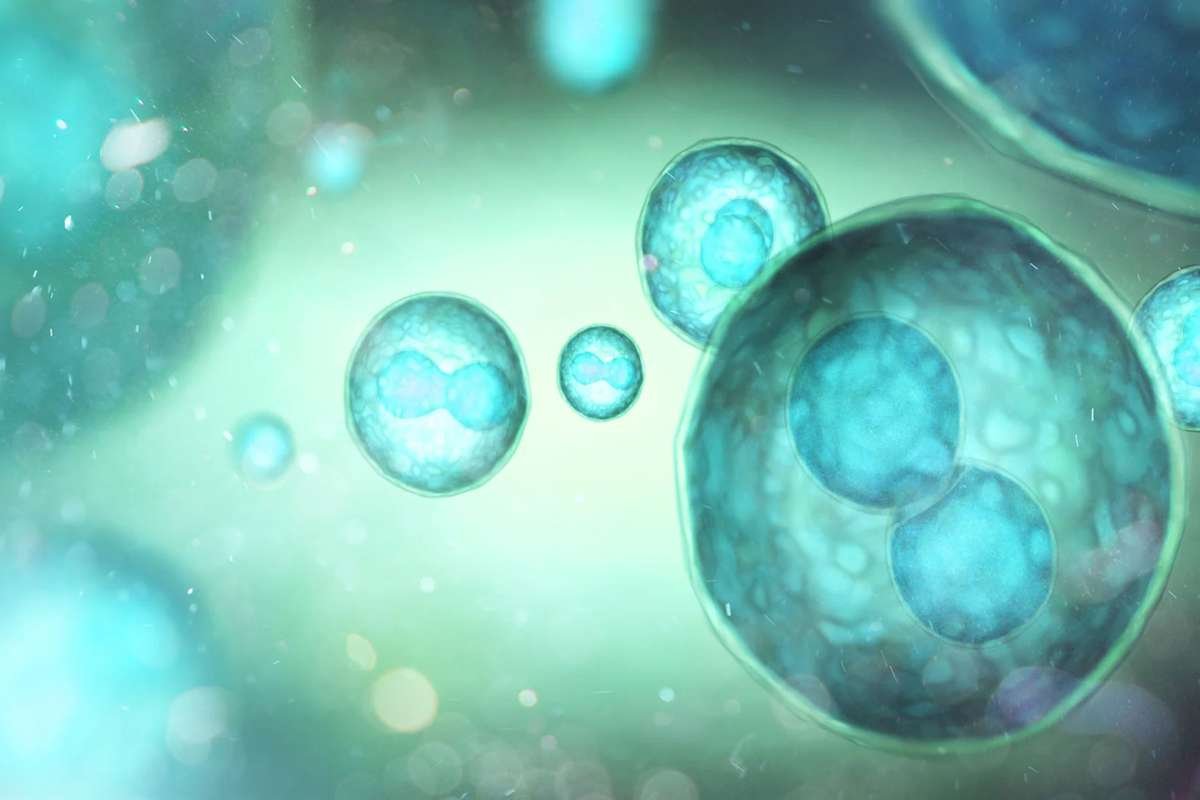
Blood and immune cells originate from hematopoietic stem cells in the bone marrow. These rare cells continuously replenish the body’s blood supply and immune defenses throughout life.
In younger people, hematopoietic stem cells generate a balanced mix of blood cells. These include myeloid cells, which form red blood cells and some immune cells, and lymphoid cells, such as T and B cells that help fight infections.
As people age, that balance shifts. Stem cells increasingly favor myeloid cells and produce fewer lymphoid cells, weakening immune responses and contributing to immune system aging, raising vulnerability to disease.
“Our hematopoietic stem cells are very rare,” said Sandra Pinho, an associate professor of pharmacology and regenerative medicine at UIC. “We call them the Holy Grail of the immune system.”
This imbalance is a major factor in immune system aging and also the use of older adults as bone marrow donors, she said, because aging stem cells lose their regenerative strength.
Protein Decline Triggers Harmful Cell Proliferation
The research team identified platelet factor 4 as a key regulator in this process. In young individuals, the protein acts as a molecular signal that restrains stem cell division, preventing excessive growth.
By analyzing mice and human bone marrow samples, scientists found that platelet factor 4 levels drop significantly with age. Without that signal, stem cells divide more often than they should.
“When stem cells start to divide more often than they should, and if their proliferation is not regulated, they can accumulate mutations over time,” Pinho said.
Those mutations can drive chronic inflammation and are linked to blood cancers and cardiovascular disease, according to the study.
The findings help explain why age-related immune decline is often accompanied by increased cancer risk and inflammatory disorders.
Infusions Restore Youthful Immune Function
To test whether the process could be reversed, researchers infused older mice with platelet factor 4 daily for more than a month. After treatment, the animals’ blood and immune cells behaved like those of much younger mice, effectively reversing some aspects of immune system aging.
The team observed similar effects when the protein was added to aging human stem cells in laboratory experiments.
“It rejuvenated the aging of the blood system,” Pinho said.
Researchers caution that the protein is not a standalone cure for aging or a way to extend lifespan. Instead, it may become part of broader strategies to treat age-related immune and blood disorders.
“It’s clear evidence that it’s possible to reverse, intrinsically, certain age-associated disorders,” Pinho said.
The study, titled “Platelet factor 4 regulates hematopoietic stem cell aging,” was published Dec. 4 and involved researchers from multiple institutions. Scientists say further studies are needed to test safety, dosing and long-term effects before any clinical use.
Still, the discovery points to a promising new direction in regenerative medicine, offering hope for therapies that restore immune function and address immune system aging rather than simply managing its decline.