Ever opened your fridge and wondered why some foods spoil faster than they should? Or pulled something from the freezer only to find it covered in frost and tasting off? More often than not, the culprit isn’t the food, it’s the temperature at which it’s stored.
Surprisingly, research shows that up to 70% of home refrigerators aren’t set at the right temperature for your refrigerator and freezer, putting food at risk and allowing harmful bacteria like Salmonella or E. coli to multiply. Improper storage plays a key role in foodborne illnesses, which affect 1 in 6 Americans every year.
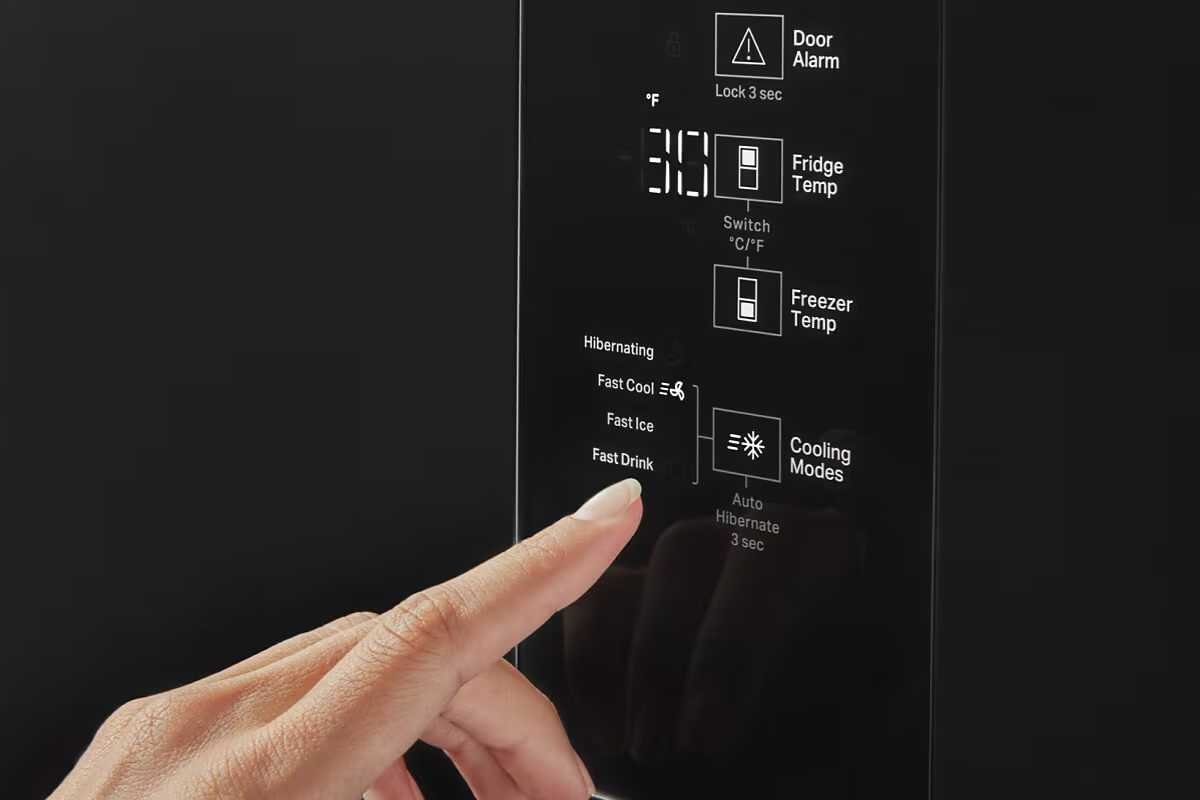
The right settings make a huge difference. Experts recommend keeping your fridge between 35°F and 38°F (1.7°C – 3.3°C) and your freezer at 0°F (–18°C). This not only keeps your food safe but also helps it stay fresher longer and saves energy.
In this guide, we’ll walk you through how to find and maintain the right temperature for your refrigerator and freezer, provide practical tips, and discuss common mistakes to avoid, so your groceries last longer, taste better, and stay safe.
What the Experts Say: Recommended Temperature Ranges?
Getting the temperature right in your fridge and freezer isn’t just about numbers; it’s about keeping your food safe, fresh, and tasty. Experts agree that there are ideal ranges that make all the difference.
For your refrigerator, the ideal range is 35°F to 38°F (1.7°C – 3.3°C), according to Real Simple. This keeps everything from milk and cheese to fresh fruits and vegetables cool enough to slow bacterial growth without freezing them. That said, the U.S. Food and Drug Administration (FDA) notes that any temperature up to 40°F (≈ 4°C) is generally safe, giving you some flexibility depending on your appliance.
When it comes to the freezer, things are a bit simpler. Both Real Simple and the FDA recommend 0°F (–18°C) or lower. At this temperature, your frozen meals, meats, and veggies stay safe for months, and their taste and texture remain intact.
Here’s a little tip from the experts: aim for slightly cooler than the top “safe” number, around 37°F for the fridge instead of 40°F. This small adjustment can make a big difference, slowing bacterial growth, keeping leftovers fresher longer, and helping everything in your fridge stay at its best.
Following these guidelines ensures you maintain the right temperature for your refrigerator and freezer, reduce waste, and create a safe environment for your food.
Why the Right Temperature Matters: Keeping Food Safe, Fresh, and Flavorful
Even a few degrees can make a difference. Here’s why maintaining the right temperature for your refrigerator and freezer is crucial:

- Prevents Bacterial Growth: When your refrigerator is too warm, bacteria like Salmonella, E. coli, and Listeria can multiply rapidly. Unsafe storage temperatures contribute to the 1 in 6 Americans who get sick from foodborne illnesses each year. Even leftovers that seem fine can become risky if not stored properly.
- Preserves Food Quality: A properly cold freezer slows bacterial growth almost entirely and keeps your food fresh for weeks or months. Correct temperatures help maintain taste, texture, and nutritional value, while overly cold settings can cause freezer burn and dryness.
- Reduces Food Waste: Foods that spoil quickly are wasted money. By keeping your fridge and freezer at the right temperatures, you extend the life of groceries, meaning fewer trips to the store and less food thrown away.
- Saves Energy and Money: Appliances work most efficiently when set at optimal temperatures. Too cold or inconsistent settings force your fridge or freezer to work harder, increasing electricity usage and utility bills.
By keeping your fridge at 35°F–38°F and freezer at 0°F or below, you’re ensuring the right temperature for your refrigerator and freezer for safety, freshness, and energy efficiency.
How to Check & Maintain Accurate Temperature?
Knowing the ideal temperature is only half the battle; making sure your fridge and freezer actually hit those numbers is just as important. Many appliances don’t display the true temperature accurately, so it’s essential to take a few practical steps.

- Use an Independent Thermometer: Built-in dials or digital displays can be misleading. Place a simple appliance thermometer inside your fridge and freezer to get a precise reading.
- Check Multiple Spots: Temperatures can vary within the same appliance. For the fridge, check the middle shelf, back, and door compartments. For the freezer, test near the front and back. This ensures no hidden hot spots or overly cold zones.
- Wait Before Adjusting: After setting a new temperature, give your appliance at least 20–30 minutes to stabilize before checking again. Small changes make a big difference over time.
- Adjust Gradually: If your fridge or freezer is too warm or too cold, adjust the settings incrementally. Moving one notch at a time prevents overshooting the ideal temperature.
- Keep It Organized: Avoid overpacking your fridge or freezer. Blocking vents or overcrowding shelves can disrupt airflow and lead to uneven cooling.
- Regular Maintenance: Clean coils, check door seals, and make sure vents aren’t blocked. A well-maintained appliance runs efficiently and keeps temperatures steady.
These steps guarantee your fridge and freezer maintain the right temperature for your refrigerator and freezer, keeping food safe and fresh.
Practical Tips for Keeping Fridge & Freezer at the Right Temperature
Maintaining the perfect temperature isn’t just about settings; it’s also about how you use and organize your fridge and freezer. Small habits can make a big difference in keeping food safe, fresh, and flavorful.
| Tip | Why It Matters | How to Do It |
| Let Hot Food Cool Slightly | Prevents raising internal temperature and risking other foods | Allow leftovers to cool for a few minutes before storing |
| Check & Maintain Door Seals | Keeps cold air in and warm air out for consistent cooling | Clean seals regularly and replace if worn or damaged |
| Avoid Frequent Door Opening | Reduces temperature fluctuations | Plan what you need before opening the fridge or freezer |
| Organize for Airflow | Ensures even cooling throughout the appliance | Avoid overpacking shelves or blocking vents |
| Store Foods Strategically | Keeps items at their ideal temperature | Dairy/meats on lower shelves, fruits/veggies in crisper drawers, eggs in door compartment |
| Clean Coils & Vents | Helps the appliance run efficiently | Dust or vacuum coils and ensure vents aren’t blocked |
| Use Thermometers Regularly | Confirms fridge/freezer is holding the correct temperature | Place appliance thermometers in multiple spots and check periodically |
These habits ensure your fridge and freezer hold the right temperature for your refrigerator and freezer consistently.
Avoid These Common Fridge & Freezer Mistakes That Compromise Food Safety
Even the most careful fridge users sometimes make mistakes that can compromise food safety and freshness. Being aware of these pitfalls and how to avoid them can save both your groceries and your health.

- Relying Only on Built-in Temperature Dials: Many fridge and freezer dials aren’t perfectly accurate. Without a thermometer, you might think your fridge is at the right temperature when it’s not. Solution: Use an independent appliance thermometer to verify readings.
- Setting the Freezer Too Cold: Some people believe colder is always better, but excessively low freezer temperatures can cause freezer burn, dry out foods, and waste energy. Solution: Keep the freezer at 0°F (–18°C), cold enough for safety, but not overkill.
- Placing Hot Food Directly Inside: Putting hot leftovers into the fridge raises the internal temperature, which can affect nearby items and promote bacterial growth. Solution: Let food cool slightly before storing.
- Overloading Shelves or Blocking Vents: Cramming your fridge or freezer prevents proper airflow, leading to uneven cooling and hot spots. Solution: Leave some space for air to circulate and organize items strategically.
- Neglecting Maintenance: Worn door seals, dusty coils, and blocked vents make your appliance work harder, reducing efficiency and affecting temperature consistency. Solution: Inspect seals, clean coils, and keep vents clear regularly.
- Ignoring Expiry Dates and Food Organization: Even at the correct temperature, storing expired items or failing to rotate food can lead to spoilage. Solution: Practice “first in, first out” and check dates regularly.
By avoiding these common mistakes, you ensure your fridge and freezer remain safe, efficient, and reliable, keeping your food fresh longer and reducing waste.
Refrigerator & Freezer Temperature Guide
Sometimes it helps to have a simple visual guide to make sure your fridge and freezer are set correctly. Here’s a quick reference to keep on hand:
| Compartment | Recommended Temperature Range | Why It Matters |
| Refrigerator | 35°F – 38°F (1.7°C – 3.3°C) | Keeps perishable foods cool enough to slow bacterial growth while preventing freezing |
| Refrigerator (safe max) | ≤ 40°F (≈ 4°C) | Acceptable upper limit for food safety according to FDA guidelines |
| Freezer | 0°F (–18°C) or below | Preserves food safely for long-term storage while maintaining quality |
This chart helps you consistently maintain the right temperature for your refrigerator and freezer. By keeping these numbers in mind and regularly checking with a thermometer, you can prevent spoilage, reduce waste, and protect your family from foodborne illnesses.
Why the Right Refrigerator and Freezer Temperature Matters: Health, Freshness, and Energy Savings
Setting the right temperature for your refrigerator and freezer isn’t just a technical detail; it affects your health, your wallet, and the environment.
- Protects Your Health: Proper temperatures slow bacterial growth, reducing the risk of foodborne illnesses from pathogens like Salmonella, Listeria, and E. coli. By keeping your fridge between 35°F and 38°F and your freezer at 0°F or below, you’re safeguarding every meal for your family.
- Reduces Food Waste: Spoiled food is wasted money. When temperatures are off, perishables like dairy, meats, and fresh produce go bad faster. Maintaining the right settings helps groceries last longer, saving both money and effort.
- Saves Energy: Appliances running at optimal temperatures use less electricity. Overly cold settings make your fridge and freezer work harder, increasing your utility bills and carbon footprint. Efficient temperature management is a small change with big environmental and financial benefits.
- Maintains Quality and Taste: Beyond safety, correct temperatures preserve the texture, flavor, and nutritional value of your food. From crisp vegetables to tender meats, keeping the fridge and freezer at the right levels ensures your meals taste their best.
By understanding why these temperatures matter, you see that it’s not just a rule to follow, it’s a smart, practical step for healthier, fresher, and more cost-efficient living.
Read Next:
- You Won’t Believe These Are 15 Foods That Cause Food Poisoning
- Stomach Flu vs Food Poisoning: Understanding the Key Differences
Conclusion
Keeping the right temperature for your refrigerator and freezer is one of the easiest ways to make sure your food stays safe, fresh, and long-lasting. When your fridge stays between 35°F and 38°F and your freezer is set at 0°F or below, your food tastes better and spoils less often.
Using a simple thermometer, organizing your shelves, avoiding overload, and making sure the door seals are tight all help your appliances work properly. Even letting hot food cool down before storing it can make a big difference in performance.
In the end, maintaining the right temperature for your refrigerator and freezer helps protect your family’s health, reduce food waste, save money, and keep your kitchen running smoothly. Small steps go a long way in keeping your meals fresh and your home more efficient.