Beyond cucumber slices and calming music, the idea of a “spa” has come a long way. But what is a medical Spa exactly? It is the result of the blurring of the boundaries. By combining clinical dermatology and luxurious relaxation. However, what really sets these hybrid establishments apart from your typical beauty salon? It’s not just about anti-aging shots or sophisticated lasers. It is a fundamental change toward wellness supported by science.
This article examines the unique offerings of a medical spa, going beyond the clichés. We discuss the most recent industry safety regulations. Along with vital pre-booking checklists and the real therapeutic advantages. It will show how this concept can go beyond cosmetic improvements.
What is a Medical Spa? Definition and Difference from Day Spa
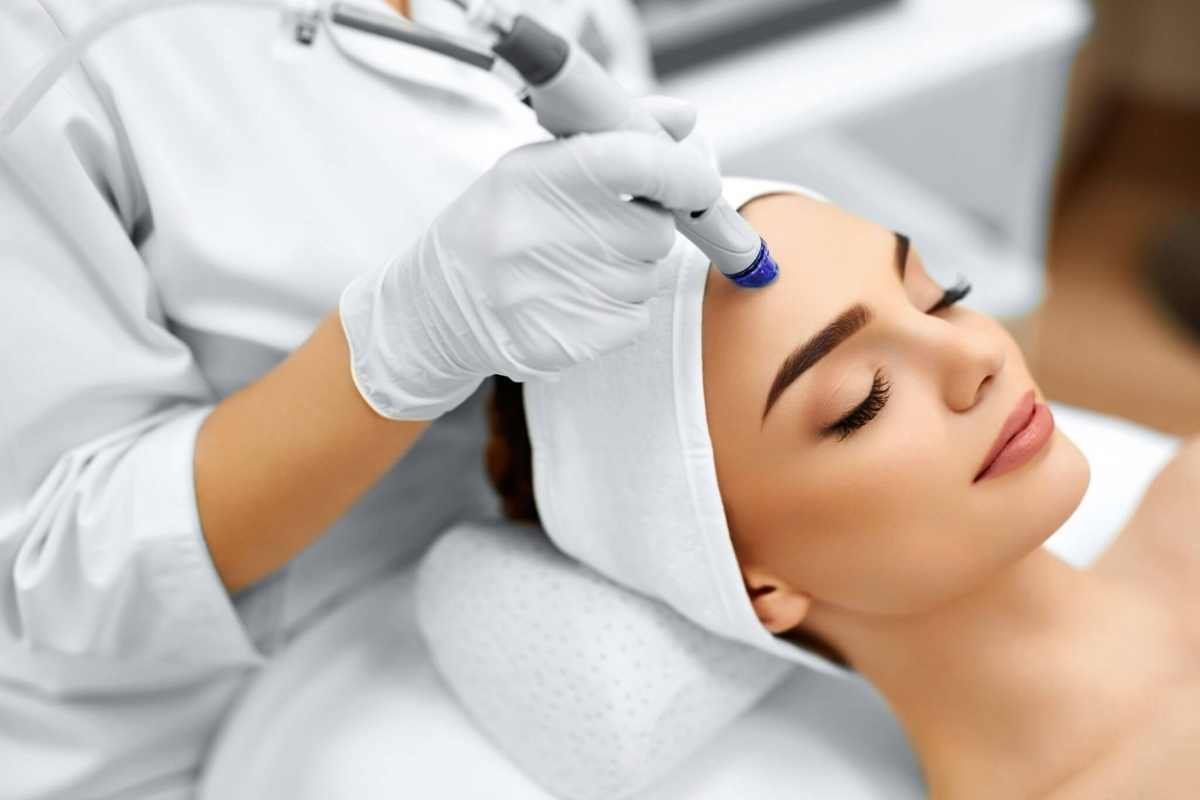
The answer to what is a medical Spa? It is a hybrid facility combining aesthetic medicine with spa-like comfort. They offer non-invasive, advanced cosmetic treatments. Under the supervision of a licensed physician or qualified medical professional. According to the American Med Spa Association (AMSPA). The med spas provide medical-grade devices and products. Along with strict adherence to medical protocols and hygiene standards. They successfully blend clinical-level care and spa ambiance. In contrast, day spas focus on traditional pampering services. Such as massages, facials, and relaxation without medical oversight. Dermatology clinics deliver complete medical skin care. That includes surgical and disease treatments. With a stronger clinical focus rather than a spa environment.
Core characteristics defining a legitimate medical spa include:
- Non-surgical aesthetic medical treatments. Such as Botox, laser therapy, and microneedling.
- Operation under or supervision by a licensed physician or licensed medical staff.
- Use of FDA-approved medical-grade equipment and products.
- Strict adherence to medical protocols and hygiene.
- An experience merging medical technology with a relaxing spa vibe. Offering both safety and comfort.
| Aspect | Day Spa | Medical Spa |
| Supervision | Spa therapist or esthetician | Physician or medical director |
| Treatment Types | Massages, facials, nails | Injectables, lasers, and medical-grade |
| Focus | Relaxation and pampering | Corrective and preventative care |
| Treatment Strength | Over-the-counter products | Prescription-strength treatments |
| Regulatory Standards | Basic spa regulations | Medical regulations |
What Services Does a Medical Spa Offer?
If you are asking what is a medical spa? The answer lies in how they are bridging the gap. That is between luxury day spas and aesthetic medical centers. Services have expanded beyond basic “Botox and lasers.” It includes regenerative and holistic options.

1. Injectables
This remains the cornerstone of med spa services. Options include neurotoxins like Botox, Dysport, and Daxxify. This helps to relax muscle-causing wrinkles. Then dermal fillers like Juvederm, Restylane. They are used to restore volume and contour features. New biostimulators like Sculptra are also popular for long-term collagen growth.
2. Laser & Energy Treatments
These high-tech devices target specific skin concerns. Services range from laser hair removal and vein treatments to advanced skin resurfacing. Along with IPL, CO2 lasers that correct pigmentation, sun damage, and acne scarring.
3. Skin Rejuvenation
Going deeper than a standard facial. These treatments include RF (Radiofrequency) microneedling, chemical peels like BioRePeel, and hydradermabrasion. Emerging trends now often incorporate exosomes or PRP (platelet-rich plasma). This helps to accelerate healing and texture improvement.
4. Body Contouring
Non-surgical fat reduction is a major draw. Treatments like Cryolipolysis (CoolSculpting) freeze fat cells. Newer devices, such as Emsculpt NEO. It uses electromagnetic energy to simultaneously burn fat and build muscle tone.
5. Medical-Grade Skincare
Unlike over-the-counter products. These carry higher concentrations of active ingredients like retinols and growth factors. They are capable of penetrating the dermis. Providers curate personalized regimens to maintain clinical results at home.
Why People Choose a Medical Spa: Benefits and Goals?
People are increasingly choosing medical spas for better results. They blend clinical effectiveness with a relaxing experience. For those asking what is a medical spa treatment. It is a facility offering aesthetic treatments under medical supervision. It often feels like a luxurious spa.
The primary appeal is faster. It offers more noticeable results than traditional facials or home remedies. Treatments are typically minimally invasive or non-surgical. They provide effective improvements with significantly lower downtime compared to cosmetic surgery.
Patients benefit from professional medical supervision and safety. It ensures a sterile environment, trained staff, and regulated devices. Furthermore, med spas align with the growing trend of medical-spa-as-lifestyle. By offering long-term skin maintenance and preventive care for overall wellness. It is not just reactive fixes. This is a combination of aesthetic improvement and therapeutic atmosphere. It provides a valuable boost in confidence and self-care.
Risks, Side Effects, and Why Transparency Matters:
While medical spas offer significant benefits. Clients must understand the potential risks and side effects. Along with that, transparency is vital for a safe experience.
Possible side effects vary by treatment, ranging from:
- Mild temporary issues like redness, swelling, and bruising.
- More serious complications like scarring, temporary or permanent pigmentation changes, or, with injectables. There are rare but serious risks like vascular occlusion.
The importance of medical-grade hygiene, proper protocols, and trained staff cannot be overstated. Complications often arise from unqualified providers or procedural mistakes.
This is why a complete consultation before any treatment is critical. It allows the practitioner to review your medical history. It also sets realistic expectations, discusses aftercare, and obtains informed consent. It ensures you fully understand the potential risks associated with your chosen procedure.
How to Choose a Legit Medical Spa? Checklist & Questions to Ask
Elevating trust and ensuring safety starts with vetting the facility. Before you book a treatment. It’s vital to know what is a medical spa treatment. And what standards it must meet. Use this checklist and the questions to ask. This helps to choose an authoritative and legitimate medical spa. That prioritizes safety and results:
1. Medical Oversight & Credentials
- Check: Is a licensed physician (MD or DO), board-certified dermatologist, or plastic surgeon. And if they are providing or supervising the treatments?
- Question to Ask: “Who is the supervising medical director? And what are their credentials?”
2. Staff Training & Certification

- Check: Verify that injectors, laser technicians, and other staff. Check if they are properly trained and certified. For the specific procedures they perform. To understand what is a medical spa. It means understanding the roles of clinically trained staff.
- Question to Ask: “What specific training and certifications do your staff hold? [e.g., laser treatments or injectables].”
3. Devices and Products
- Check: Confirm the use of medical-grade, regulated, and FDA-approved devices and products. It should not be cheaper, unapproved alternatives.
- Question to Ask: “Are the devices you use for [e.g., skin tightening] FDA-approved? And can you tell me the brand name of the filler/neurotoxin you use?”
4. Transparency and Consent
- Check: A thorough, pre-treatment consultation. Discussing goals, risks, aftercare, and realistic outcomes is mandatory.
- Question to Ask: “What is your process for informed consent? And what are the specific risks and potential downtime for this procedure?
5. Hygiene, Environment, and Aftercare

- Check: Look for impeccable hygiene, proper sterilization protocols, and clear post-treatment guidance.
- Question to Ask: “What aftercare support and follow-up is included with this treatment?”
6. Value and Long-Term Planning
- Check: Evaluate the cost in the context of long-term skin health. And recognizing that consistent maintenance provides the best return on investment (ROI).
What’s New: Trends, Wellness Orientation, and the Future of Medical Spas?
Medical spas are evolving into wellness and preventive skin care hubs. For those wondering what is a medical spa? It is rapidly becoming an integrative center for holistic lifestyle services. It goes beyond occasional beauty fixes. Digital tools like AI-driven virtual consultations, smart scheduling, and online follow-ups. They are boosting accessibility and personalization. Consumers increasingly seek safe, subtle, natural improvements over dramatic changes.
Industry trends emphasize standardization and regulation for quality and trust. Along with evolving frameworks addressing innovations while prioritizing safety. Though specific standards like ISO 21426 apply variably by region. This positions med spas as future self-care leaders blending technology, wellness, and compliance.
Read Next:
- 5 Advances in Laser Technology in Operative Medicine
- Your Essential Guide to Natural Skincare Solutions: Get Bright & Radiant Skin Naturally
- A Comprehensive Guide to Modern Plastic Surgery
Conclusion
What is a medical spa? The answer reveals, it is a potent combination of self-care and science. They provide long-term aesthetic improvement and wellness. They are monitored under medical supervision, not just short-term beauty fixes. You can choose a legitimate med spa with confidence. If you prioritize regulated devices, transparent consultations, and accredited oversight. This will allow you to embrace the future. This is where clinical effectiveness meets opulent, individualized care.
FAQ:
1. Who performs the treatments at a medical spa?
Depending on the state/country, treatments are typically performed by:
Dermatologists or supervising physicians
Nurse practitioners
Physician assistants
Licensed aestheticians trained in medical procedures
Injectables and laser treatments are usually restricted to medically licensed providers.
2. Do medical spa treatments hurt?
Most procedures cause minimal discomfort. Many treatments use numbing creams, cooling devices, or gentle techniques to reduce pain. Sensations vary, like microneedling feels prickly. Or a laser feels like a rubber band snap. But discomfort is short-lived.
3. Are medical spa treatments suitable for all skin types?
Most treatments can be customized. But not every skin type is compatible with every procedure. For example, certain lasers are not ideal for darker skin tones. A qualified provider will evaluate your skin type, medical history, and concerns. Before designing a safe plan.