A weighted vest could be the upgrade your routine needs if you want to build strength, burn more calories, and improve endurance without using complicated gym equipment. By adding resistance to bodyweight exercises, this straightforward yet effective fitness tool increases the difficulty and efficacy of regular workouts.
Weighted resistance training has become a mainstay in home workouts, military conditioning, and functional fitness for athletes of all skill levels. But is it appropriate for you, and how does it operate? Let’s dissect it.
What Is a Weighted Vest?
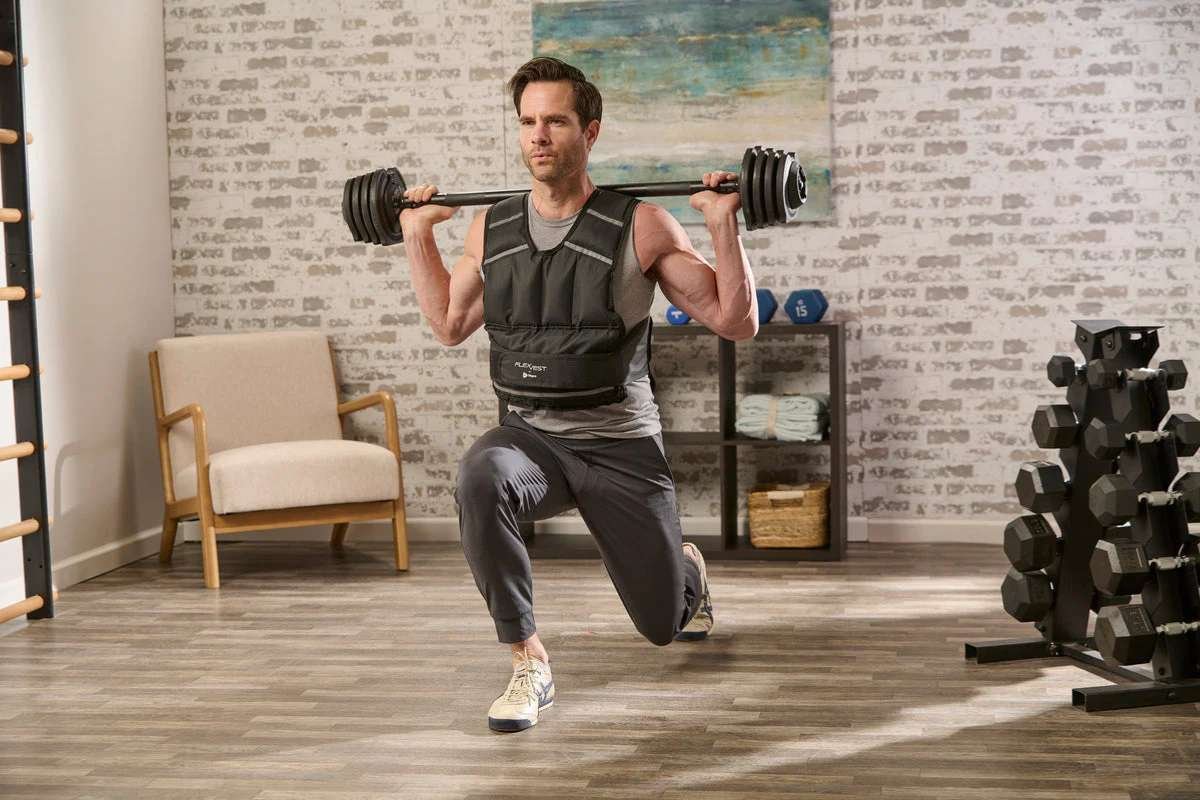
A Weighted Vest is a wearable fitness accessory designed to add extra resistance to your body during physical activity. It evenly distributes weight across your torso, typically using removable iron, steel, or sand-filled weights.
Unlike dumbbells or barbells, this vest keeps your hands free. That means you can walk, run, jump, or perform bodyweight movements while increasing intensity without altering natural movement patterns.
Most vests range from 5 to 30 kilograms, with adjustable options allowing gradual progression. This is a key principle in strength training.
Benefits of Training With a Weighted Vest:
1. Increases Strength and Muscle Activation
Adding extra resistance forces your muscles to work harder. Exercises like push-ups, squats, lunges, and pull-ups become significantly more demanding. Over time, this leads to improved muscle endurance and strength.
2. Boosts Calorie Burn
Carrying additional weight increases energy expenditure. Even walking with added resistance elevates heart rate and metabolic output. For those aiming for fat loss, this can enhance results without extending workout duration.
3. Improves Bone Density
Resistance training stimulates bone growth. Studies show that load-bearing exercises help maintain and improve bone mineral density, making this type of training especially valuable as we age.
4. Enhances Cardiovascular Conditioning
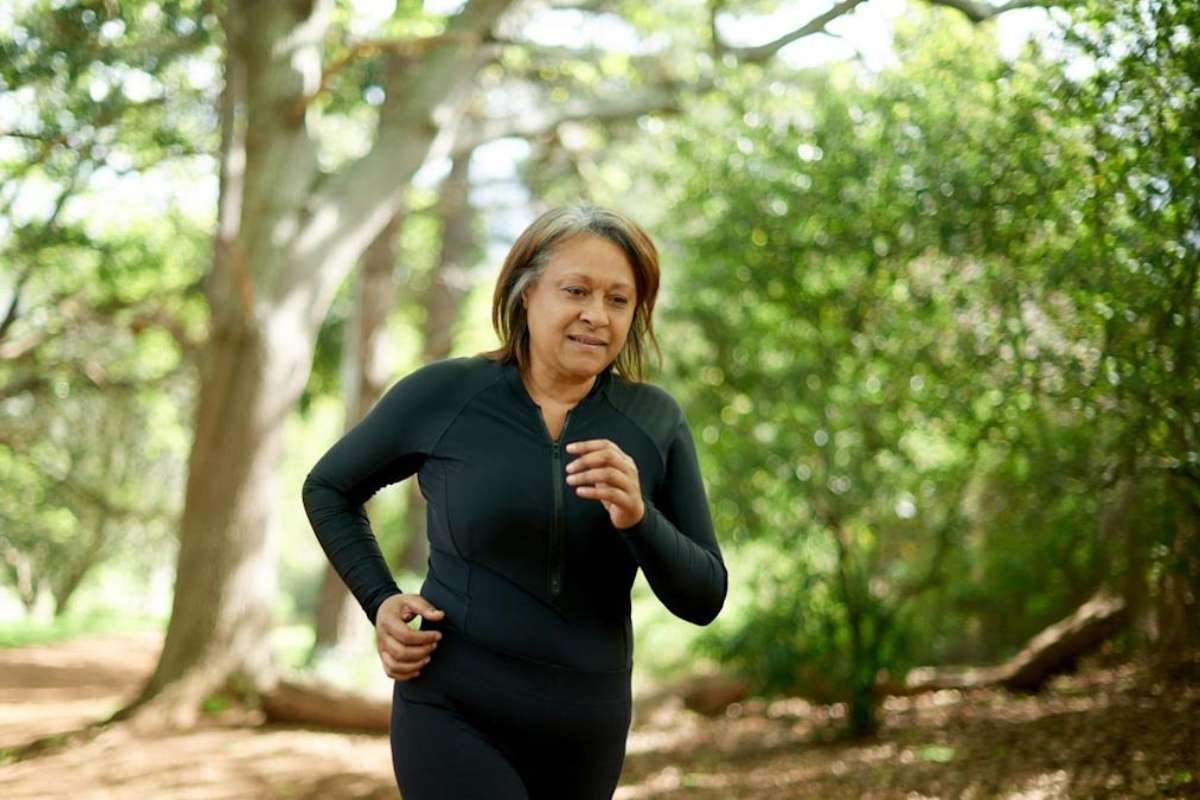
Wearing a Weighted Vest during cardio activities like hiking or stair climbing increases cardiovascular strain in a controlled way. This builds endurance more efficiently than standard low-intensity sessions.
5. Builds Functional Strength
Because the weight is evenly distributed, the body adapts in a balanced manner. This improves posture, stability, and core engagement. This is all essential for athletic performance and injury prevention.
Best Exercises to Try:
One of the biggest advantages of a Weighted Vest is versatility. You can incorporate it into nearly any bodyweight routine.
Lower Body
- Squats
- Walking lunges
- Step-ups
- Box jumps (advanced)
Upper Body
- Push-ups
- Pull-ups
- Dips
Core
- Planks
- Mountain climbers
- Russian twists
Cardio
- Brisk walking
- Trail hiking
- Stair climbing
- Short sprints
For beginners, start with 5–10% of your body weight. Gradually increase resistance as your strength and endurance improve.
Who Should Use a Weighted Vest?
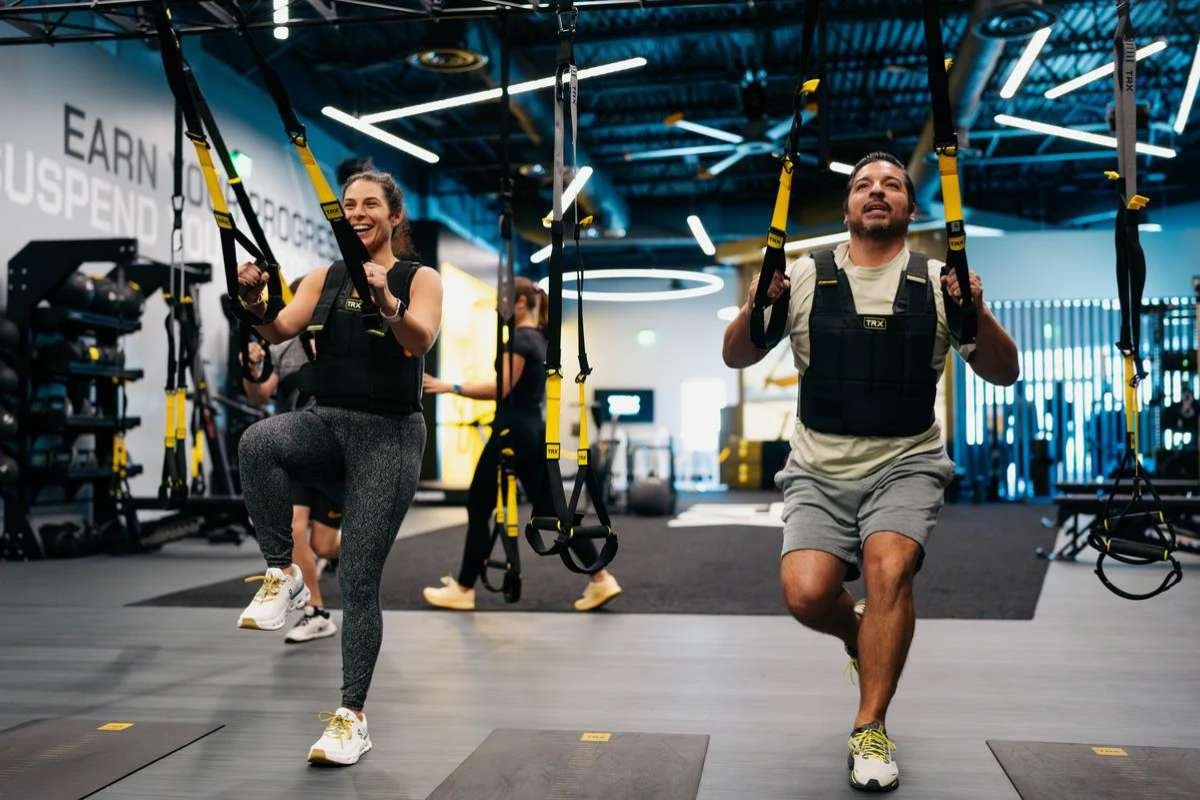
This tool works well for:
- Home workout enthusiasts
- Runners looking to increase intensity
- Athletes training for endurance sports
- Military or tactical conditioning
- Individuals wanting to break plateaus
However, it’s not ideal for everyone. Those with joint pain, back problems, or cardiovascular concerns should consult a medical professional before beginning weighted training.
Safety Tips You Shouldn’t Ignore:
While effective, improper use can lead to strain or injury. Follow these guidelines:
Start Light:
Never jump straight into heavy loads. Gradual adaptation prevents joint stress.
Focus on Form:
Extra weight amplifies poor technique. Master movements without resistance before adding load.
Avoid High-Impact Overload:
Running long distances with excessive weight can strain knees and ankles. Keep impact sessions short and controlled.
Choose Proper Fit:
A poorly fitted vest can cause shoulder or back discomfort. It should sit snugly against your torso without shifting during movement.
A well-designed Weighted Vest distributes weight evenly across the chest and back to maintain balance and posture.
How to Choose the Right One?
Not all weighted vests are created equal. Here’s what to consider:
Adjustable Weight
Removable weights allow progressive overload. It is a crucial principle in strength development.
Comfort and Padding
Look for breathable materials and padded shoulder straps.
Secure Fit
Velcro straps or buckle systems ensure stability during dynamic movements.
Weight Capacity
Beginners may need only 5–10 kg, while advanced athletes might prefer 20 kg or more.
Durability
High-quality stitching and reinforced pockets prevent wear and tear over time.
If you plan to use it for running, opt for a streamlined design that minimizes bounce.
Weighted Vest vs Dumbbells: Which Is Better?
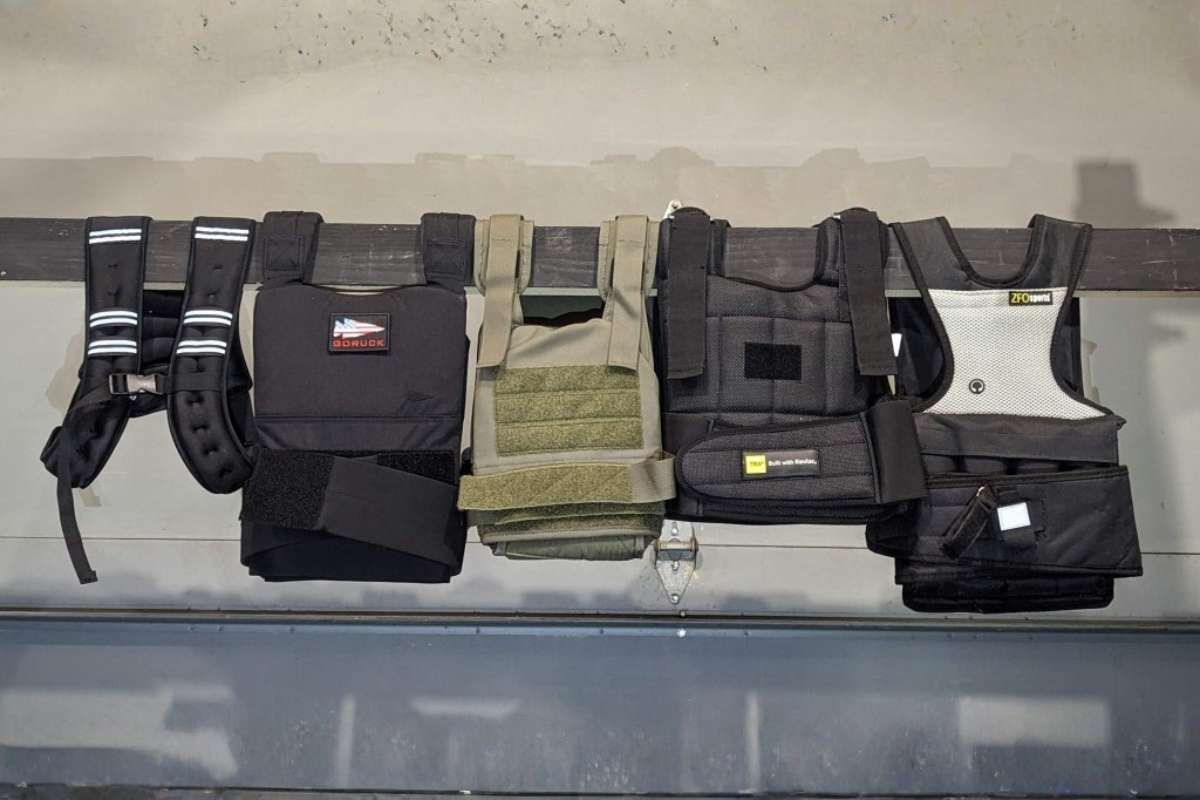
Both tools build strength, but they serve different purposes.
| Feature | Weighted Vest | Dumbbells |
|---|---|---|
| Hands-Free | Yes | No |
| Best For | Functional training | Targeted strength |
| Cardio Compatibility | High | Limited |
| Core Activation | Continuous | Exercise-specific |
The Weighted Vest excels in functional, full-body conditioning, while dumbbells are better for isolated muscle training.
Can It Help With Weight Loss?
Yes. When combined with proper nutrition and regular exercise.
By increasing calorie expenditure and muscle engagement, weighted training can accelerate fat loss. However, results depend on overall lifestyle habits, including diet, sleep, and workout consistency.
Remember, no tool replaces disciplined training and healthy eating.
Common Mistakes to Avoid: Using too much weight too soon

- Wearing it during high-impact long-distance runs
- Ignoring posture alignment
- Skipping warm-ups
Treat it as a performance enhancer, not a shortcut.
Final Thoughts
Without complicated equipment, a weighted vest is one of the best ways to increase strength, endurance, and intensity during bodyweight exercises. It provides scalable resistance and practical advantages whether you’re training in a gym, at home, or outdoors.
It increases calorie burn, improves muscle activation, and develops real-world strength when used properly. Begin lightly, concentrate on form, and advance gradually. This straightforward tool can turn routine workouts into effective strength-building sessions with regular use and astute training.
This multipurpose training tool might be just what your exercise regimen needs if you want to push your body in novel ways without spending a lot of money on large equipment.