Most people think that success is determined by the number when they step on a weighing scale. However, what if that figure is deceiving you? In a society that is fixated on fast fixes, crash diets, and overnight makeovers, the argument between weight loss vs fat loss is more crucial than ever.
Knowing the difference could drastically alter your approach if your objectives are improved health, a toned body, and long-lasting effects.
Let’s dissect it in a straightforward, scientific, and useful manner.
What Is Weight Loss?
Weight loss simply means a reduction in your overall body weight. That includes:
- Body fat
- Muscle mass
- Water weight
- Glycogen stores
- Even bone density in extreme cases
When you follow a low-calorie diet, cut carbs drastically, or start intense cardio, the scale may drop quickly. But that doesn’t automatically mean you’re losing fat.
For example:
- Reducing carbohydrates lowers glycogen stores.
- Glycogen holds water.
- When glycogen drops, water weight drops.
- The scale shows a smaller number.
But your body fat percentage may remain almost the same.
This is why focusing only on scale weight can be misleading.
What Is Fat Loss?
Fat loss refers specifically to reducing body fat while preserving lean muscle mass. It targets adipose tissue, the stored fat that surrounds your organs and sits beneath your skin.
Unlike general weight loss, fat loss improves:
- Body composition
- Metabolic health
- Insulin sensitivity
- Hormonal balance
- Long-term sustainability
You may not see dramatic scale changes immediately. But your clothes fit better, measurements shrink, and your body looks more defined.
That’s real progress.
Why the Confusion Between Weight Loss and Fat Loss?
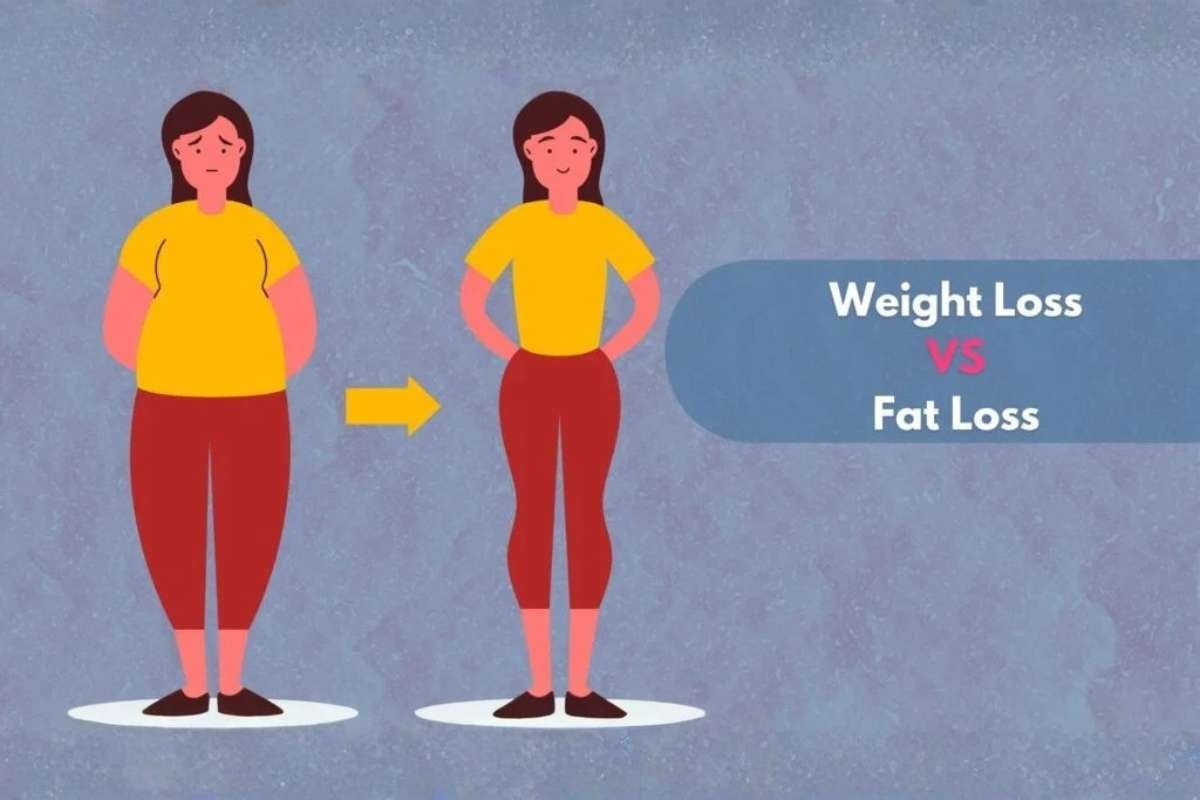
The confusion around Weight Loss vs Fat Loss exists because the scale is the most common measurement tool. It’s simple, accessible, and emotionally powerful.
However, the scale doesn’t tell you:
- How much muscle you have
- How much water you’re retaining
- Whether you’re metabolically healthier
- If you’re losing lean mass
Two people can weigh the same but look completely different due to body composition.
That’s why understanding this distinction is essential.
The Science Behind Fat Burning
Fat loss happens when your body is in a calorie deficit, meaning you burn more calories than you consume. But not all calorie deficits are equal.
If the deficit is too aggressive:
- The body may break down muscle for energy.
- Metabolism slows down.
- Hormones like cortisol may increase.
- Fat loss becomes harder long-term.
Sustainable fat loss requires:
- Moderate calorie deficit
- Adequate protein intake
- Resistance training
- Proper sleep
- Stress management
This approach helps preserve lean mass while reducing fat stores.
The Muscle Factor: Why It Matters
Muscle is a metabolically active tissue. The more lean muscle you have, the higher your resting metabolic rate.
Crash dieting often leads to:
- Muscle loss
- Slower metabolism
- Rebound weight gain
On the other hand, strength training combined with sufficient protein supports muscle retention. This is the core difference in the discussion of Weight Loss vs Fat Loss.
One reduces everything.
The other strategically targets fat while keeping muscle intact.
Signs You’re Losing Fat (Not Just Weight)
Here’s how to tell if you’re making meaningful progress:
Measurements Are Shrinking
Your waist, hips, and thighs are getting smaller even if the scale is stable.
Clothes Fit Better
Tighter jeans suddenly feel comfortable.
Strength Is Increasing
You’re lifting heavier weights or doing more reps.
Body Looks More Defined
You see more muscle tone in the mirror.
Energy Levels Are Stable
No constant fatigue or dizziness.
If these are happening, you’re likely focusing on fat loss rather than just weight loss.
Common Mistakes That Lead to Muscle Loss
Many people unknowingly sabotage their progress. Here are common errors:
Extreme Calorie Restriction
Eating too little forces the body to conserve energy and break down muscle.
Excessive Cardio
Hours of steady-state cardio without strength training can reduce muscle mass.
Low Protein Intake
Protein is essential for muscle repair and preservation.
Ignoring Recovery
Sleep deprivation increases stress hormones that interfere with fat loss.
Understanding these pitfalls helps clarify the real difference in the conversation about Weight Loss vs Fat Loss.
Why Fat Loss Is Better for Long-Term Health?

Fat loss improves critical health markers:
- Lower visceral fat (reduces heart disease risk)
- Better blood sugar control
- Improved cholesterol levels
- Reduced inflammation
Losing muscle, on the other hand, can increase injury risk, slow metabolism, and make future fat gain easier.
Sustainable fat loss protects your metabolic engine.
The Role of Strength Training
If your goal is fat loss, resistance training is non-negotiable.
Benefits include:
- Preserves lean muscle
- Boosts metabolism
- Improves insulin sensitivity
- Enhances body shape
- Prevents sagging after fat reduction
Even beginners can benefit from 3–4 sessions per week, focusing on compound movements like:
- Squats
- Deadlifts
- Push-ups
- Rows
- Lunges
Pair this with sufficient protein (roughly 1.6–2.2g per kg of body weight), and you create an environment ideal for fat reduction.
Nutrition Strategy for Fat Loss:
Here’s a simple framework:
1. Moderate Calorie Deficit
Aim for 300–500 calories below maintenance.
2. Prioritize Protein
Supports muscle retention and satiety.
3. Include Fiber-Rich Foods
Vegetables, fruits, legumes improve digestion and fullness.
4. Manage Carbohydrates Smartly
No need to eliminate, just control portions.
5. Stay Hydrated
Water balance affects scale readings.
When applied consistently, this strategy supports fat reduction without unnecessary muscle sacrifice.
Psychological Shift: Stop Worshipping the Scale
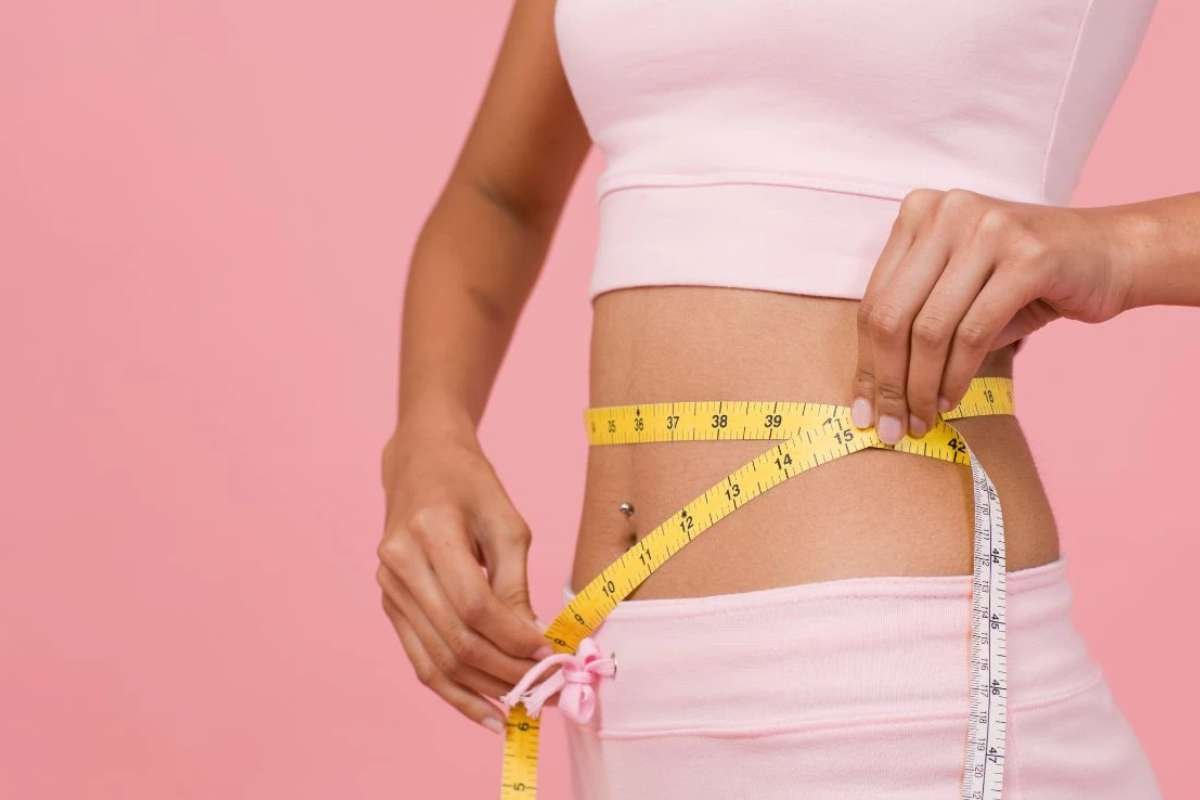
The biggest mindset change in the debate of Weight Loss vs Fat Loss is shifting focus from scale weight to body composition.
Progress tracking alternatives:
- Progress photos
- Body measurements
- Strength improvements
- Body fat percentage scans
Remember: The scale is a tool, not the ultimate judge.
Who Should Focus on Fat Loss Instead of Weight Loss?
Almost everyone aiming for better aesthetics or health should prioritize fat loss, especially:
- People with normal BMI but high body fat percentage
- Individuals who have plateaued after crash dieting
- Those experiencing weight cycling
- Anyone seeking long-term sustainability
The scale may not move dramatically at first, but body recomposition creates lasting results.
Conclusion:
If your objective is:
- A muscular body
- Improved metabolism
- Sustainability over the long run
- A lower chance of illness
- Enhanced power
Then your top goal should be to lose fat.
The change will be stronger, healthier, and more long-lasting, even though the scale may fall more gradually.
You can train more intelligently, eat healthier, and track your progress more successfully if you understand the difference between weight loss vs fat loss.
Ultimately, the goal is to become stronger, healthier, and more metabolically efficient, not to lose weight.