If food had a dating profile, today’s snacks would swipe right on you before you even blink.
Bright packets. Loud crunch. Instant happiness. Zero effort.
That’s the charm.
But behind that shiny wrapper lives a quiet truth. Many everyday foods are built more like software than meals. They are engineered to make you crave, chew faster, and reach for one more bite.
This article talks about Ultra-Processed Foods without fear, shame, or lectures. You won’t hear “never eat this again.” You will hear how these foods work, why they feel addictive, and what simple swaps can change your health over time.
Think of this as a friendly food reality check. No guilt. Just clarity.
What Are Ultra-Processed Foods?
Ultra-processed foods are products made mostly from industrial ingredients. These ingredients rarely exist in home kitchens. They include refined starches, added sugars, artificial flavors, colorings, and preservatives.
Most of these foods go through many factory steps. Each step removes natural fiber and nutrients. Each step adds taste boosters and texture tricks.
They last long on shelves. They melt fast in the mouth. They push hunger buttons instead of feeding the body.
15 Common Ultra-Processed Foods
Many foods we eat daily feel normal and harmless. They save time, taste good, and feel comforting. But most of them go through heavy factory processing before reaching our plate. Below is a clear breakdown of 15 such foods and why they affect health more than we realize.
1. Packaged Chips
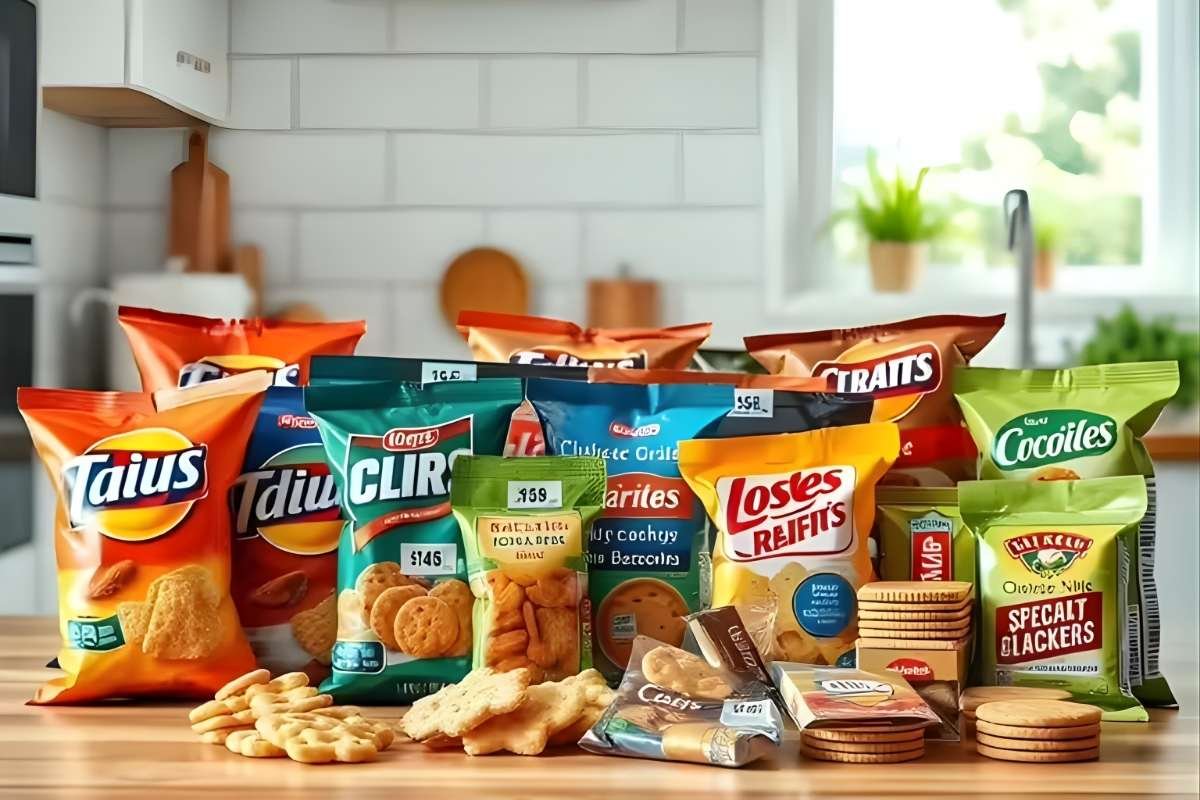
Packaged chips start as real potatoes, but the similarity ends there. Factories slice them very thin, fry them in refined oils at high heat, and coat them with salt and artificial flavors. This process removes natural fiber and adds empty calories. Chips digest quickly, so the stomach feels hungry again soon. That is why one packet never feels enough.
2. Instant Noodles
Instant noodles cook fast because they are already fried before packing. The noodles absorb oil during this step, which increases fat content. The tastemaker packet contains large amounts of salt, flavor enhancers, and preservatives. These ingredients excite taste buds but strain the body when eaten often. Regular intake can affect blood pressure and digestion.
3. Sugary Breakfast Cereals
Many breakfast cereals claim to be healthy. The packaging shows grains, fruits, and happy families. In reality, many cereals contain high sugar levels and refined grains. The sugar gives quick energy, followed by a crash. This leads to hunger within a short time and increases sugar cravings throughout the day.
4. Soft Drinks
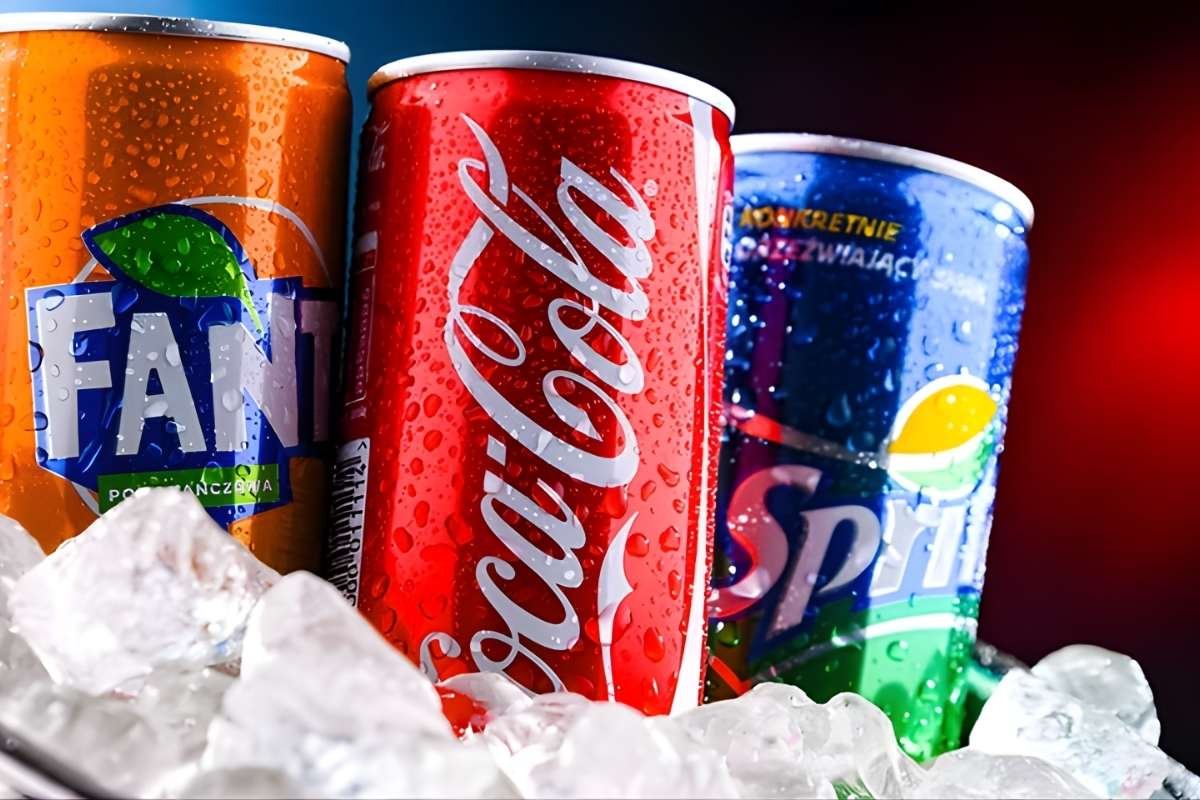
Soft drinks are liquid sugar with added acids, colors, and flavors. They provide calories but no fiber, protein, or vitamins. Because they are liquids, they do not create fullness. This makes it easy to drink large amounts without noticing. Regular consumption increases the risk of weight gain and dental problems.
5. Packaged Cookies
Packaged cookies use refined flour instead of whole grains. They also contain added sugar and processed oils. These ingredients digest fast and raise blood sugar quickly. The texture and sweetness encourage overeating. Many people eat them mindlessly with tea or coffee, adding extra calories without real nutrition.
6. Frozen Pizza
Frozen pizza lasts longer because of preservatives and stabilizers. The crust often uses refined flour. The cheese contains processed fats. The sauces include added sugar and salt. All these parts make frozen pizza taste good even after months in storage, but they reduce nutritional value and increase sodium intake.
7. Flavored Yogurt
Plain yogurt is rich in protein and good bacteria. Flavored yogurt changes that balance. Manufacturers add sugar, sweeteners, and artificial fruit flavors. The result tastes like dessert rather than dairy. Many cups contain more sugar than actual fruit, which reduces health benefits.
8. Chicken Nuggets

Chicken nuggets contain some meat, but not much whole muscle. The meat is ground and mixed with starch, salt, and binders. The outer coating adds refined flour and oil. Nuggets are then pre-fried and frozen. This process adds calories while reducing protein quality.
Read More:
- Ultra-Processed Foods Tied to Health Risks Across Organs
- Why Super Healthy Foods Are the Secret Weapon of Lifelong Energy?
- You Won’t Believe What’s on the List of the Most Unhealthy Foods.
9. Energy Drinks
Energy drinks combine caffeine, sugar, and synthetic vitamins. The caffeine creates alertness. The sugar gives a quick rush. Together, they stress the nervous system. Many people feel tired once the effect wears off. Frequent use may disturb sleep and heart rhythm.
10. Ice Cream Bars
Ice cream bars feel creamy because of emulsifiers and stabilizers. These chemicals help fat and water stay mixed. They also allow longer shelf life. Regular intake of such additives may affect gut bacteria. The sugar and fat combination makes them easy to overeat.
11. Processed Cheese Slices
Processed cheese melts smoothly because of the added salts and oils. Real cheese uses simple ingredients like milk and cultures. Processed slices replace some of these with fillers. They provide taste but less calcium and protein than natural cheese.
12. Ready-to-Eat Cakes
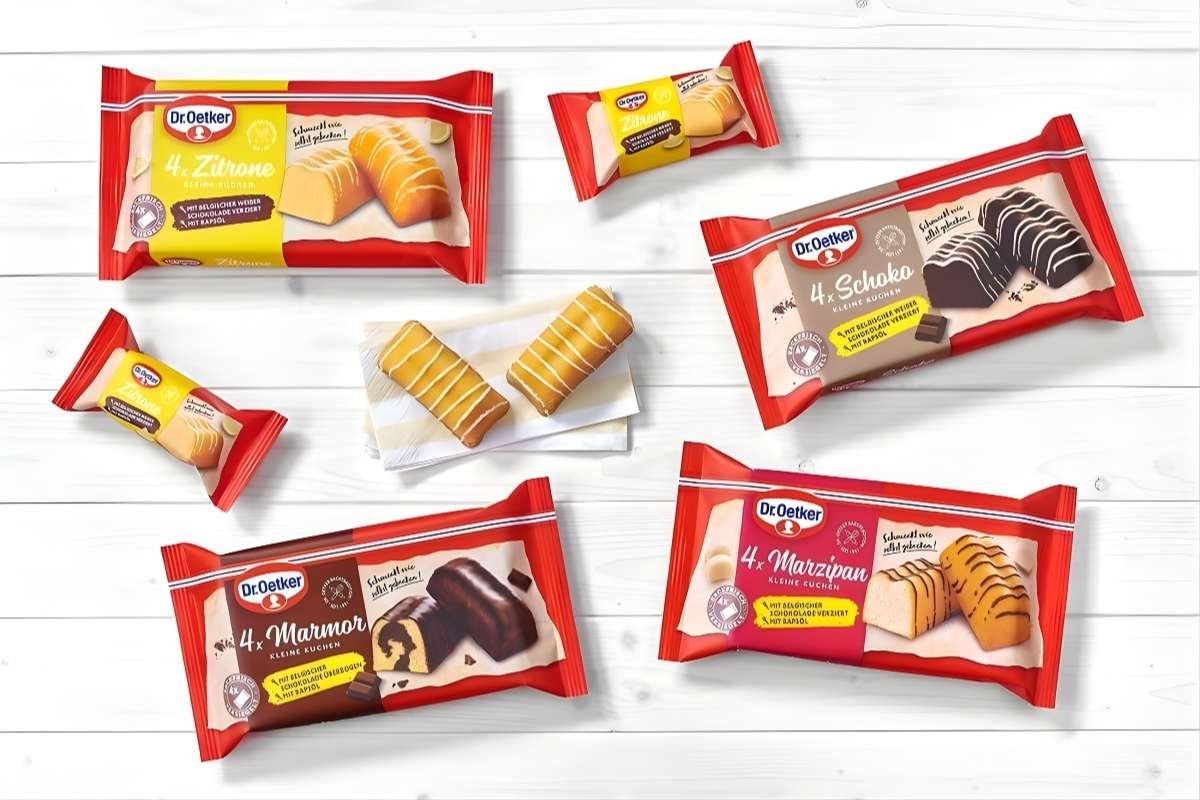
Packaged cakes stay soft for weeks because of chemical leaveners, refined oils, and preservatives. These ingredients replace fresh eggs and butter. The sweetness and texture make them appealing, but they offer little nourishment and spike blood sugar.
13. Packaged Sauces
Sauces like ketchup and pasta sauce often hide sugar and salt. Even savory flavors contain sweeteners to enhance taste. Preservatives extend shelf life. When used daily, sauces quietly increase calorie and sodium intake without notice.
14. Candy and Gummies
Candies and gummies are mostly sugar shaped into colorful forms. Artificial colors and flavors make them attractive, especially to children. They provide quick energy but no nutrients. Frequent intake affects teeth, weight, and appetite control.
15. Protein Bars
Protein bars appear healthy, but many resemble candy bars. They often include sugar syrups, refined oils, and flavor additives. The protein amount looks impressive, but the sugar content can cancel benefits. They work best as occasional snacks, not daily meals.
Why These Foods Affect Health?
Eating Ultra-Processed Foods often leads to faster eating and delayed fullness. That means higher calorie intake without real satisfaction.
Research links high intake to weight gain, insulin resistance, poor gut health, and mood swings. These foods also train taste buds to reject simple home meals.
Facts:
- A 2019 BMJ study showed higher consumption links to heart disease.
- A 2023 WHO report connected ultra-processing with obesity trends.
- A NOVA food classification study explained the processing impact.
Scientists agree. Processed Foods reduce dietary quality even when calories stay the same.
How to Reduce Them Without Stress?
You don’t need perfection.
- Eat one fresh meal daily.
- Read ingredient lists.
- Choose foods with fewer than five ingredients.
- Cook simple meals twice a week.
- Replace soda with water or fruit drinks.
Less factory food. More real taste.
Conclusion
Remember the introduction? The shiny packets. The easy comfort. That pull never disappears.
But here’s the win.
You don’t fight cravings. You outgrow them.
As you eat more real meals, your taste resets. Energy improves. Hunger calms down. Food stops controlling mood. Reducing Ultra-Processed Foods is not about punishment. It’s about choosing strength over shortcuts. Your body already knows what to do. You just need to give it a chance.